

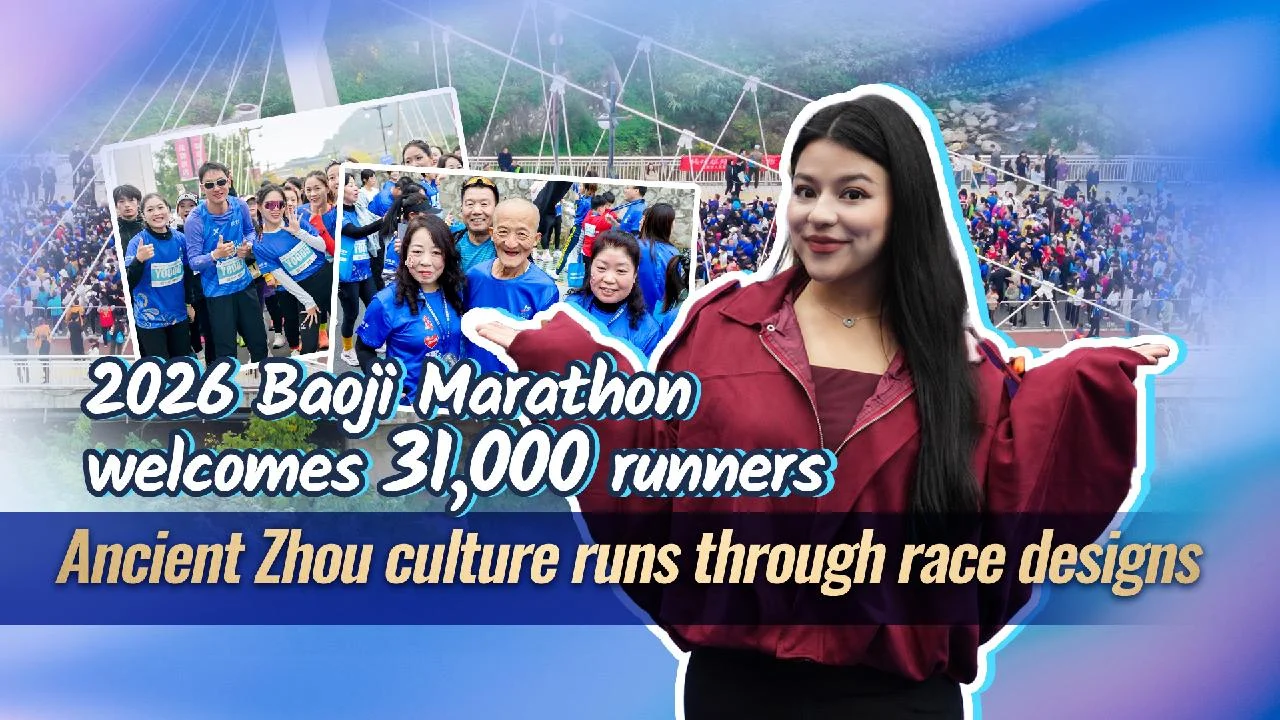
The Baoji Marathon is more than just a race; it’s a vibrant celebration of history and culture. This annual event in China’s Shaanxi Province brings together thousands of runners, transforming a modern athletic competition into a journey through ancient traditions. From the design of the race shirts to the intricate details on the finisher medals, every element is carefully crafted to reflect Baoji’s rich heritage. This approach not only honors the past but also creates a unique and memorable experience for participants, making the Baoji Marathon a standout event in the world of running.
The Cultural Tapestry of the Baoji Marathon
The Baoji Marathon has distinguished itself by weaving cultural elements directly into the fabric of the event. This isn’t just about a scenic route; it’s about immersing participants in the local history and artistry. The organizers have made a conscious effort to ensure that the race experience itself becomes a cultural artifact, connecting runners to the spirit of Baoji. This commitment to cultural integration sets it apart from many other marathons, offering a deeper connection for those who participate.
Race Apparel: A Canvas of Ancient Art
The race shirts for the Baoji Marathon are designed with a profound connection to China’s ancient past. They draw inspiration from the intricate patterns and motifs found on ancient Chinese bronzeware. These artifacts, dating back centuries, are not merely decorative; they represent a significant period of Chinese history, known for its advanced metalworking and complex societal structures. By featuring these designs, the marathon shirts become wearable pieces of art, telling a story of heritage with every stride.
The choice of bronzeware motifs is particularly significant. These pieces often depict mythical creatures, historical events, or symbols of power and prosperity. Incorporating these into the race shirts allows runners to carry a piece of this legacy with them, creating a tangible link between their athletic achievement and the enduring cultural narrative of the region. It transforms a simple piece of sportswear into a conversation starter and a symbol of appreciation for ancient craftsmanship.
Finisher Medals: Echoes of the Western Zhou Dynasty
The finisher medals awarded at the Baoji Marathon are another testament to the event’s dedication to cultural representation. These medals are modeled after the Lai Pan, a significant bronze ritual vessel from the Western Zhou Dynasty. The Lai Pan was used in important ceremonies, signifying its importance in the religious and social life of the time. Its design often features detailed inscriptions and symbolic imagery that offer insights into the beliefs and practices of that era.
Receiving a medal shaped like the Lai Pan is more than just a reward for completing the race. It’s an acknowledgment of the runner’s perseverance and a connection to the historical significance of the vessel. Each medal serves as a miniature replica of a piece of history, a tangible reminder of the ancient rituals and the enduring legacy of the Western Zhou Dynasty. This thoughtful design elevates the finisher medal from a simple memento to a meaningful artifact.
The “Baoma” Horse: A Symbol of Intangible Heritage
For female runners who achieve a remarkable feat by finishing the marathon in under 3 hours and 30 minutes, a special award awaits: the “Baoma” clay horse. This award is inspired by Fengxiang clay sculpture, a celebrated form of national intangible cultural heritage. Fengxiang clay sculptures are known for their vibrant colors, lively expressions, and intricate details, often depicting figures from folklore, historical events, and daily life.
The “Baoma” horse, specifically, is a symbol of good fortune and strength. Awarding it to top female finishers recognizes their exceptional performance and connects it to a tradition of artistry and cultural expression. This unique prize not only celebrates athletic excellence but also champions a vital aspect of China’s cultural heritage, ensuring that traditional crafts are recognized and appreciated in contemporary contexts. It adds a layer of cultural depth to the athletic achievement.
The Impact of Cultural Integration on the Marathon Experience
The deliberate integration of cultural elements into the Baoji Marathon has a profound impact on the overall participant experience and the event’s identity. It moves beyond a standard athletic competition to become a cultural immersion, offering runners a richer and more meaningful engagement with the host city and its history. This approach fosters a deeper appreciation for the local heritage among participants and spectators alike.
Enhancing Participant Engagement and Memorability
When runners receive race shirts inspired by ancient bronzeware or medals modeled after historical artifacts, their connection to the event deepens. These items are not just souvenirs; they are conversation pieces and tangible links to the stories and traditions of Baoji. This cultural embedding makes the marathon more memorable, transforming it from just another race into an experience with a unique narrative. Participants are more likely to cherish these items and share their experiences, acting as ambassadors for the event and the culture it represents.
The special “Baoma” horse for elite female runners further enhances engagement by recognizing specific achievements with a culturally significant award. This adds an element of exclusivity and cultural pride, making the accomplishment even more special. Such thoughtful touches create lasting impressions and encourage repeat participation, as runners seek to re-experience the unique blend of sport and culture.
Promoting Local Heritage and Tourism
By prominently featuring Baoji’s ancient culture, the marathon serves as a powerful platform for promoting local heritage. The designs on the apparel and medals draw attention to specific historical periods, artistic traditions, and cultural artifacts. This exposure can spark interest in the history of the region, encouraging participants and their families to explore local museums, historical sites, and cultural attractions.
The success of events like the Baoji Marathon can also boost tourism. Visitors are drawn to the unique cultural offerings, seeking an experience that combines athletic challenge with cultural discovery. This influx of visitors benefits the local economy through increased spending on accommodation, dining, and local crafts. The marathon effectively becomes a cultural ambassador, showcasing Baoji’s rich history to a global audience.
Creating a Unique Event Identity
In a crowded marathon landscape, cultural integration provides the Baoji Marathon with a distinct identity. While many marathons focus solely on the athletic challenge or scenic routes, Baoji offers a narrative that is deeply rooted in its history. This unique selling proposition attracts runners who are looking for more than just a race; they are seeking an experience that is culturally enriching and distinct.
This cultural identity also influences the event’s branding and marketing. The visual elements, storytelling, and overall atmosphere can be tailored to reflect the ancient heritage, creating a cohesive and compelling brand image. This distinctiveness helps the marathon stand out in promotional materials and word-of-mouth recommendations, attracting a specific demographic of runners who value cultural experiences.
The Historical Significance of Baoji’s Cultural Elements
The cultural elements chosen for the Baoji Marathon are not arbitrary; they are deeply rooted in the historical and artistic significance of the region. Understanding the origins and importance of ancient bronzeware, the Lai Pan, and Fengxiang clay sculpture provides a deeper appreciation for the marathon’s design choices.
Ancient Chinese Bronzeware: A Window into Early Civilization
Ancient Chinese bronzeware represents one of the most significant achievements of early Chinese civilization, particularly during the Shang and Zhou dynasties (roughly 1600-256 BCE). These bronze artifacts were not merely tools or decorative items; they were often ritual vessels used in ceremonies by the ruling elite. Their creation required sophisticated metallurgical knowledge, a complex social organization to manage resources and labor, and a rich symbolic language.
The designs on these bronzes often feature intricate patterns like taotie (a stylized mythical creature), dragons, phoenixes, and geometric motifs. These symbols carried deep meaning, related to cosmology, ancestor worship, and political power. The discovery and study of these bronzes have provided invaluable insights into the political, religious, and social structures of ancient China. By incorporating these designs, the Baoji Marathon connects runners to this foundational period of Chinese history, a time of great innovation and cultural development.
The Lai Pan: A Symbol of Authority and Ritual
The Lai Pan, a specific type of bronze vessel from the Western Zhou Dynasty (c. 1046–771 BCE), holds particular historical importance. These large basins were often used for washing hands or for ritualistic purposes during ceremonies. Inscriptions found on some Lai Pans are among the earliest examples of Chinese writing, offering crucial information about the political events, social customs, and legal systems of the time.
The Lai Pan was often commissioned by high-ranking officials or even the king, and its ownership signified status and authority. Its presence in a marathon medal connects the modern act of athletic endurance with ancient rituals of importance and ceremony. It symbolizes the weight and significance of completing such a demanding challenge, mirroring the ceremonial weight of the original artifact.
Fengxiang Clay Sculpture: A Living Tradition
Fengxiang clay sculpture, originating from Fengxiang County in Shaanxi Province, is a vibrant folk art tradition that has been recognized as a national intangible cultural heritage. This art form is characterized by its lively depictions of figures and animals, often rendered in bright, bold colors. The sculptures are typically made by hand, with artists drawing inspiration from local opera, traditional festivals, and historical stories.
The “Baoma” horse, as a specific example, embodies the spirit and craftsmanship of Fengxiang clay sculpture. These horses are often depicted with dynamic poses and expressive features, reflecting a deep understanding of animal anatomy and a lively artistic sensibility. By awarding a “Baoma” horse, the marathon not only honors a top female achievement but also celebrates and preserves a living cultural tradition that has been passed down through generations. It highlights the enduring power of folk art.
Organizing a Culturally Integrated Marathon: Key Considerations
Creating a successful marathon that seamlessly blends athletic competition with cultural celebration requires careful planning and execution. The Baoji Marathon serves as an excellent case study for how to achieve this integration effectively. Several key considerations come into play for organizers looking to replicate such an event.
Collaboration with Local Cultural Experts and Artisans
A crucial step in integrating cultural elements is to collaborate closely with local cultural experts, historians, and artisans. These individuals possess the knowledge and skills necessary to ensure authenticity and historical accuracy in the designs and narratives presented. Working with them ensures that the cultural representations are respectful and meaningful, rather than superficial or tokenistic.
For instance, the design of the finisher medals and race shirts would benefit from consultation with museum curators or archaeologists specializing in ancient Chinese bronzes. Similarly, the creation of the “Baoma” horse award would require close partnership with master Fengxiang clay sculptors. This collaboration not only guarantees the quality of the cultural elements but also supports local artists and preserves traditional crafts.
Storytelling and Educational Components
Beyond the physical artifacts, effective storytelling is essential to convey the cultural significance of the marathon. Organizers should develop narratives that explain the history behind the chosen motifs, the importance of the Lai Pan, and the tradition of Fengxiang clay sculpture. These stories can be shared through various channels, including the event website, race programs, social media, and information booths at the race expo.
Educational components can also be incorporated into the race experience. For example, displays at the expo could showcase examples of ancient bronzeware or Fengxiang clay sculptures, alongside explanations of their historical context. Brief historical markers could be placed along the race route, highlighting significant cultural landmarks or historical facts related to Baoji. This approach transforms the marathon into an educational journey.
Marketing and Communication Strategy
The marketing and communication strategy must effectively highlight the unique cultural aspect of the marathon. This involves using compelling visuals that showcase the culturally inspired designs and crafting messaging that emphasizes the blend of sport and heritage. Potential participants should understand that this is not just another race, but an opportunity to engage with a rich cultural history.
Promotional materials can feature images of the intricate medal designs, the historically inspired apparel, and the vibrant clay sculptures. Testimonials from past participants who appreciated the cultural elements can also be powerful marketing tools. By clearly communicating the unique value proposition, the marathon can attract runners who are specifically seeking such a culturally immersive experience.
Logistics and Participant Experience
While cultural integration is key, the logistical aspects of organizing a marathon remain paramount. Ensuring smooth registration, efficient race day operations, adequate medical support, and clear communication are fundamental to a positive participant experience. The cultural elements should enhance, not detract from, these core operational requirements.
For example, the race expo where participants collect their bibs and shirts is an ideal venue to showcase the cultural elements. It’s also an opportunity to provide information about the cultural significance of the items. Ensuring that the culturally inspired items are of high quality and are distributed efficiently adds to the overall positive impression of the event.
The Future of Culturally Integrated Marathons
The success of events like the Baoji Marathon suggests a growing trend towards integrating cultural experiences into athletic competitions. As participants increasingly seek more than just a physical challenge, marathons that offer a deeper connection to local heritage are likely to gain popularity. This approach offers a sustainable model for event organizers, fostering community engagement and promoting cultural preservation.
Expanding the Model to Other Events
The principles demonstrated by the Baoji Marathon can be applied to various other sporting events, not just marathons. Cycling races, triathlons, and even local fun runs could incorporate elements of regional history, art, or traditions. This could involve designing event merchandise inspired by local folklore, awarding prizes that reflect regional crafts, or incorporating cultural performances into the event’s opening or closing ceremonies.
By embracing cultural integration, organizers can create events that are not only memorable for participants but also contribute positively to the local community and its cultural identity. This approach can help to revitalize interest in traditional arts and crafts, support local economies, and foster a sense of pride in cultural heritage.
The Role of Technology in Cultural Storytelling
Technology can play a significant role in enhancing the cultural storytelling aspect of integrated events. Augmented reality (AR) applications, for instance, could allow runners to point their phones at their medals or race shirts and see historical information or animations related to the designs. QR codes on race bibs could link to detailed historical accounts or virtual tours of relevant cultural sites.
Virtual reality (VR) could offer immersive experiences of historical periods or traditional craft-making processes. Social media platforms can be used to share engaging content about the cultural elements, reaching a wider audience and fostering online communities around the event. These technological integrations can make cultural learning interactive and accessible.
Sustainability and Cultural Preservation
Culturally integrated marathons can also contribute to the sustainability of cultural heritage. By creating demand for traditional crafts through awards and merchandise, these events can provide economic opportunities for artisans and help to keep traditional skills alive. This economic incentive is crucial for the long-term survival of many cultural practices that might otherwise fade away.
Furthermore, by raising awareness and appreciation for local culture, these events can foster a sense of responsibility for its preservation among both participants and the wider community. This can lead to greater support for cultural institutions and initiatives, ensuring that heritage is passed on to future generations. The Baoji Marathon, with its focus on ancient bronzeware and Fengxiang clay sculpture, exemplifies this potential for cultural preservation through contemporary celebration.
The Baoji Marathon stands as a compelling example of how athletic events can transcend their primary purpose to become powerful vehicles for cultural expression and preservation. By thoughtfully weaving the rich tapestry of Baoji’s history and artistry into every aspect of the race, organizers have created an experience that resonates deeply with participants. From the ancient motifs on race shirts to the historically inspired finisher medals and the unique “Baoma” horse award, every detail tells a story, connecting runners to a legacy that spans centuries. This approach not only enhances the participant experience, making it more memorable and meaningful, but also serves as a vital platform for promoting local heritage and bolstering tourism. As the trend towards experiential events grows, the model pioneered by the Baoji Marathon offers a blueprint for how future athletic competitions can celebrate not just physical achievement, but also the enduring spirit of culture and history.
The Baoji Marathon is a testament to the power of integrating cultural heritage into modern events. It demonstrates that a marathon can be more than just a race; it can be a journey through time, a celebration of artistry, and a bridge between the past and the present. The event successfully draws participants not only with the challenge of the run but also with the unique opportunity to connect with the deep historical roots of Baoji. This thoughtful approach ensures that the marathon leaves a lasting impression, fostering a greater appreciation for the cultural treasures it so beautifully showcases.

Conversation
0 Comments