

Digital Xiongan: How AI is Shaping the Smart City of the Future
Xiongan New Area in China is pioneering a new era of urban living, integrating artificial intelligence (AI) into the very fabric of its infrastructure. This ambitious project, often called a “city of the future,” is not just building structures but creating a living, breathing digital ecosystem. By developing its physical and digital foundations simultaneously, Xiongan is setting a global example for how AI can transform urban management, transportation, and daily life. This analysis explores the innovative strategies and technologies that are making Xiongan a model for smart city development worldwide.
The Digital Foundation: Building a City in the Cloud
Xiongan’s approach to urban development is unique. Instead of layering digital systems onto existing structures, the city was designed from the ground up with a “three cities” concept: a city underground, a city above ground, and a city in the cloud. This integrated approach ensures that digital infrastructure is as fundamental as roads and utilities.
The Xiongan Urban Computing Center: The City’s Brain
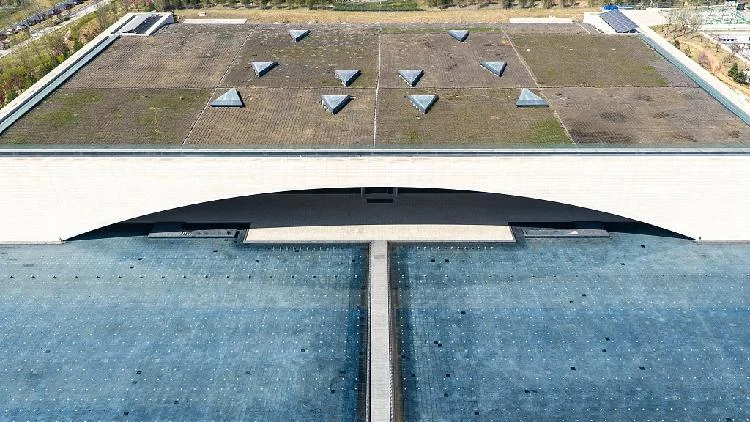
At the heart of Xiongan’s digital infrastructure is the Xiongan Urban Computing Center. This facility acts as the central nervous system for the smart city, providing the essential computing power, storage, and network services needed to run its complex digital twin. A digital twin is a virtual replica of the city’s physical assets, systems, and processes, allowing for real-time monitoring, analysis, and simulation.
The computing center supports over 100 categories of urban operational data, collected from more than 20 government departments. This data spans crucial areas like geospatial information, Internet of Things (IoT) sensor feeds, and government services. By consolidating this information onto a shared digital platform, Xiongan achieves integrated urban planning, unified construction supervision, and coordinated city governance. Liu Yao, manager of the information system department at Xiongan Cloud Network Technology Co., Ltd., aptly described the center’s role: “If the digital twin city is a tree, the computing center is its roots and soil.” This analogy highlights how the center provides the foundational support necessary for the entire digital ecosystem to thrive.
The Digital Twin City: A Virtual Replica
The concept of a digital twin city is central to Xiongan’s smart city strategy. Buildings, infrastructure, and even natural landscapes are meticulously mapped and replicated in a cloud-based platform. This virtual representation allows city managers to visualize the city’s state in real time, simulate the impact of potential changes, and identify issues before they arise in the physical world.
Underground utility tunnels, for instance, are equipped with sensors that feed data into the digital twin. This allows for real-time monitoring of conditions like flow rates, water pressure, temperature, and humidity. Remote inspections can be conducted within the digital environment, significantly improving safety and efficiency compared to traditional physical checks. This proactive approach to infrastructure management helps ensure the continuous and safe operation of critical city services.
The development of this digital foundation is extensive. Xiongan has already constructed over 500 kilometers of digital roads and more than 130 kilometers of digital utility tunnels. Furthermore, the city has deployed over one million sensing terminals and connected more than 100,000 video terminals, creating a vast network of data collection points that feed into the central computing center.
AI in Action: Transforming Urban Life
With a robust digital infrastructure in place, Xiongan is deploying AI across various sectors to enhance efficiency, improve services, and create a more livable environment for its residents.
Smarter Transportation Systems
Traffic management is one of the most visible areas where AI is making a difference. Sensors embedded in roads and traffic infrastructure collect real-time data on vehicle flow, speed, and congestion. AI algorithms then process this information to dynamically adjust traffic light timings, optimizing traffic flow and reducing travel times.
In the Rongdong District, for example, lidar sensors and multifunctional roadside poles gather detailed traffic data. This data is transmitted to the Xiongan Urban Computing Center, where AI analyzes current conditions and makes immediate adjustments to signal timings. The result has been a noticeable improvement in traffic flow, with morning and evening peak-hour travel times on major roads in the district reduced by up to 15 minutes. This not only saves commuters time but also contributes to reduced fuel consumption and lower emissions.
Beyond optimizing traffic lights, AI is also being explored for applications like intelligent parking systems and predictive traffic management, aiming to anticipate and mitigate congestion before it occurs. The goal is to create a seamless and efficient transportation network that adapts to the city’s needs in real time.
Enhanced Community Services and Safety
AI is also being used to improve the quality of life for residents, particularly for vulnerable populations. A smart utility-meter system, for instance, integrates real-time data on water, gas, and heating consumption. This system can also monitor the daily activity patterns of elderly individuals living alone. If the system detects unusual consumption patterns or a lack of activity, it can trigger an alert.
This alert is automatically assigned as a task to community workers, who are then dispatched to visit the resident and check on their well-being. This proactive approach ensures that elderly residents receive timely assistance if needed, providing peace of mind for both them and their families. It demonstrates how technology can be used to foster a more caring and supportive community environment.
For broader urban management, AI-powered video surveillance systems play a crucial role in identifying and addressing issues such as illegal parking, overflowing waste bins, and potential fire hazards. When the AI detects a problem, it can automatically generate a work order for the relevant personnel, bridging the gap between digital detection and practical action. This system ensures that urban maintenance and safety issues are addressed promptly and efficiently, contributing to a cleaner and safer city.
Real-time Infrastructure Monitoring
The digital twin models of underground utility tunnels are a prime example of AI’s application in infrastructure management. These models provide a dynamic, real-time view of the tunnels’ conditions, including flow rates, water pressure, temperature, and humidity. This constant stream of data allows for remote inspections, enabling engineers to identify potential risks and anomalies without needing to physically enter the potentially hazardous underground environment.
This capability is vital for maintaining the integrity and safety of the city’s essential services. By detecting issues early, such as leaks or equipment malfunctions, Xiongan can prevent costly repairs and service disruptions. The ability to conduct inspections in the digital environment significantly enhances operational safety and ensures the reliable functioning of the city’s underground network.
Fostering Innovation and Talent
Xiongan’s vision extends beyond just building a smart city; it aims to create a hub for innovation and technological advancement. The city is actively fostering collaboration among industry, academia, and research institutions to drive the development and application of AI.
Partnerships and Research Collaborations
Xiongan is deepening its partnerships with leading universities, including Tsinghua University. These collaborations focus on advancing joint research, accelerating the commercialization of research achievements, and developing AI applications specifically tailored to address real-world urban challenges. By bringing together academic expertise and practical urban needs, Xiongan aims to create cutting-edge solutions.
The city is also actively working to attract top researchers and highly skilled talent to its growing innovation ecosystem. This influx of expertise is crucial for pushing the boundaries of AI development and ensuring that Xiongan remains at the forefront of smart city technology.
A Living Laboratory for Technology Companies
Xiongan provides a unique opportunity for technology companies to test and refine their products and services in a real-world urban environment. By opening up its application scenarios, the city acts as a living laboratory where new technologies can be deployed, evaluated, and improved. In return, technology companies contribute their innovative solutions, which are then integrated back into the city’s operations.
This symbiotic relationship benefits both the city and the companies involved. Xiongan gains access to the latest advancements in smart city technology, while businesses gain valuable insights and data to enhance their offerings. This approach accelerates the pace of innovation and ensures that the technologies deployed in Xiongan are practical, effective, and scalable.
Economic Development Goals
Xiongan has set ambitious economic development goals tied to its innovation strategy. By 2027, the city aims to attract and nurture a significant number of high-growth companies. This includes fostering five “unicorn” companies (startups valued at over $1 billion), ten enterprises valued at 5 billion yuan (approximately $750 million), and one hundred leading enterprises in the technology sector. These targets underscore Xiongan’s commitment to becoming a major center for technological and economic growth.
The Future of Urban Development
Xiongan represents a bold vision for the future of urban living. By strategically integrating AI and digital technologies into its core infrastructure, the city is creating an environment that is not only efficient and sustainable but also highly responsive to the needs of its residents. From optimizing traffic flow and enhancing public safety to providing personalized community services, AI is proving to be a powerful tool for urban transformation.
The city’s commitment to fostering innovation through collaboration and providing a real-world testing ground for new technologies ensures that it will continue to evolve and adapt. Xiongan’s journey is a testament to the potential of smart city development, offering valuable insights and a potential blueprint for cities around the world looking to embrace the digital age. As Xiongan continues to expand and refine its AI-driven systems, it is poised to remain a leading example of how technology can shape a better urban future.
Conclusion
Xiongan New Area stands as a remarkable testament to the power of integrating artificial intelligence into urban planning and management. By building its digital and physical infrastructure in tandem, and establishing a robust digital twin powered by the Xiongan Urban Computing Center, the city has created a foundation for unprecedented efficiency and innovation. AI is actively transforming transportation, enhancing community safety, and enabling sophisticated infrastructure monitoring, all contributing to a higher quality of life for its residents. Furthermore, Xiongan’s dedication to fostering a collaborative ecosystem for research, development, and technological adoption positions it not just as a smart city, but as a beacon for future urban development globally. The ongoing evolution of Xiongan offers a compelling glimpse into a future where cities are intelligent, responsive, and truly built for people.


Conversation
0 Comments