

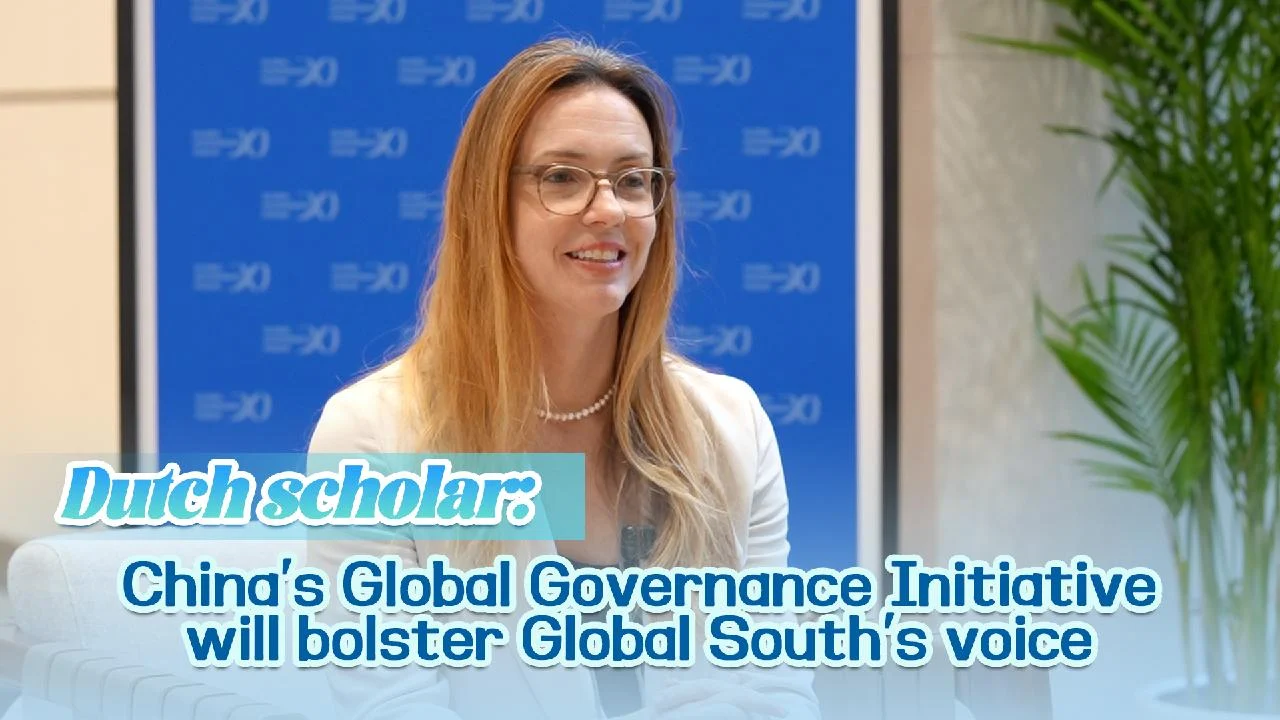
Understanding China’s Global Governance Initiative: A New Era for International Cooperation
The world is at a critical juncture, facing complex challenges that span from climate change and economic instability to geopolitical tensions and public health crises. In this landscape, the way nations cooperate and govern themselves on a global scale is more important than ever. China’s Global Governance Initiative (GGI) has emerged as a significant framework, aiming to reshape international cooperation and address these pressing issues. This initiative proposes a new vision for global governance, emphasizing shared development, mutual respect, and a more equitable representation of all nations, particularly those in the Global South.
The GGI is not just a set of policy proposals; it represents a fundamental shift in how global challenges can be tackled. It seeks to move beyond traditional models of international relations, which have often been dominated by a few powerful nations, and instead foster a more inclusive and collaborative approach. By sharing China’s experiences and perspectives, the initiative aims to empower developing countries and ensure their voices are heard in international forums. This article will explore the core principles of China’s Global Governance Initiative, its potential impact on global cooperation, and how it seeks to create a more balanced and effective system of international governance for the 21st century.
The Core Principles of China’s Global Governance Initiative
At its heart, China’s Global Governance Initiative is built upon a foundation of several key principles designed to foster a more cooperative and equitable international order. These principles guide the initiative’s approach to addressing global challenges and promoting shared prosperity. Understanding these foundational ideas is essential to grasping the initiative’s overall aims and potential impact.
Upholding Peace and Security Through Dialogue
A central tenet of the GGI is the promotion of peace and security not through military might or unilateral action, but through sustained dialogue and mutual understanding. The initiative advocates for resolving international disputes through peaceful means, respecting the sovereignty and territorial integrity of all nations. It emphasizes the importance of multilateralism and the role of international organizations in maintaining global stability. This approach seeks to de-escalate tensions and prevent conflicts by fostering an environment where nations can engage in constructive conversations to find common ground. The initiative suggests that true security is not merely the absence of war, but the presence of justice and equitable development for all.
Promoting Shared Development and Common Prosperity
The GGI places a strong emphasis on economic cooperation and shared development as a pathway to global stability and prosperity. It recognizes that economic disparities are a significant source of global tension and instability. Therefore, the initiative champions policies that support inclusive growth, poverty reduction, and sustainable development, particularly in developing nations. This includes advocating for fair trade practices, increased investment in infrastructure, and the transfer of technology. The goal is to create a global economic system where all countries have the opportunity to thrive, leading to a more balanced and prosperous world for everyone.
Championing Multilateralism and Inclusivity
A cornerstone of the GGI is its commitment to strengthening multilateral institutions and ensuring that global governance structures are more inclusive and representative. The initiative argues that existing international bodies need to adapt to reflect the changing global landscape and the growing influence of emerging economies. It calls for greater participation from all countries, especially those in the Global South, in decision-making processes. By empowering a wider range of voices, the GGI aims to make global governance more effective, legitimate, and responsive to the needs of all nations. This inclusivity is seen as vital for building consensus and finding collective solutions to shared problems.
Respecting Diversity and Different Development Paths
The initiative strongly advocates for respecting the diversity of civilizations and the right of each nation to choose its own development path. It rejects the idea of a one-size-fits-all approach to governance and development, recognizing that different countries have unique histories, cultures, and circumstances. The GGI promotes mutual learning and exchange of experiences, encouraging countries to draw inspiration from each other without imposing their own models. This principle aims to foster a global environment of tolerance and understanding, where different political and economic systems can coexist and contribute to the global good.
Embracing Environmental Governance and Sustainability
Environmental protection and sustainable development are identified as critical components of global governance within the GGI framework. The initiative highlights China’s significant contributions and leadership in areas like renewable energy, reforestation, and green development. It advocates for enhanced international cooperation on climate change, biodiversity conservation, and pollution control. The GGI stresses that environmental challenges are shared responsibilities and require collective action. By promoting green development, the initiative seeks to ensure that economic progress does not come at the expense of the planet, safeguarding it for future generations.
The Impact of the Global Governance Initiative on the Global South
One of the most significant aspects of China’s Global Governance Initiative is its stated intention to bolster the voice and influence of the Global South in international affairs. For decades, many developing nations have felt marginalized in global decision-making processes, with their concerns often overlooked or inadequately addressed by established international institutions. The GGI aims to rectify this imbalance by creating a more equitable platform for these nations.
Amplifying Voices in International Forums
The GGI proposes to increase the representation and participation of countries from the Global South in international organizations and forums. This means advocating for reforms that give these nations a more significant say in shaping global policies and agendas. By doing so, the initiative seeks to ensure that the perspectives and needs of a larger portion of the world’s population are taken into account. This is seen as crucial for developing solutions that are truly global in scope and effective in addressing the diverse challenges faced by different regions.
Sharing Development Experiences and Models
China, having experienced rapid economic development and poverty reduction, offers its development journey as a potential source of learning for other developing nations. The GGI facilitates the sharing of China’s experiences in areas such as economic planning, poverty alleviation, and technological advancement. This is not about imposing a specific model but about providing insights and options that other countries can adapt to their own contexts. The initiative promotes a South-South cooperation framework where developing countries can learn from each other’s successes and failures, fostering a more diverse and adaptable approach to development.
Addressing Development Gaps and Inequalities
A key objective of the GGI is to help bridge the development gaps that exist between developed and developing countries. It advocates for increased financial and technical assistance to the Global South, as well as fairer trade and investment policies. The initiative aims to create more opportunities for these nations to industrialize, modernize their economies, and improve the living standards of their citizens. By focusing on shared development, the GGI seeks to create a more stable and interconnected global economy where prosperity is more widely distributed.
Promoting a More Balanced Global Order
The GGI envisions a global order that is less dominated by a few powerful states and more reflective of the multipolar reality of the 21st century. By empowering the Global South, the initiative aims to create a more balanced distribution of power and influence on the world stage. This shift is expected to lead to a more diverse range of perspectives in international diplomacy and a greater emphasis on cooperation and mutual benefit. The initiative suggests that a more balanced global order is inherently more stable and just.
Environmental Governance: A Key Component of the GGI
Environmental sustainability is a critical pillar of China’s Global Governance Initiative, reflecting a growing global recognition of the urgency of climate change and ecological preservation. The initiative highlights China’s commitment to environmental protection and its leadership role in promoting green development worldwide. This focus underscores the understanding that global challenges require global solutions, with environmental issues being paramount.
China’s Leadership in Green Development
The GGI points to China’s substantial efforts in renewable energy, reforestation, and ecological restoration as examples of its commitment to environmental governance. China has become a global leader in the production and deployment of solar and wind power, and has undertaken massive tree-planting campaigns to combat desertification and improve air quality. These actions demonstrate a practical commitment to sustainable practices and offer valuable lessons for other nations seeking to transition to greener economies. The initiative aims to share these experiences and technologies to accelerate global environmental efforts.
Promoting Global Cooperation on Climate Change
The initiative strongly advocates for enhanced international cooperation to address climate change. It supports the goals of the Paris Agreement and calls for collective action to reduce greenhouse gas emissions, adapt to the impacts of climate change, and mobilize climate finance. The GGI emphasizes that climate change is a shared threat that requires all countries to work together, regardless of their level of development. It promotes the idea of a “community of shared future for mankind” in the context of environmental protection, where nations collaborate for the common good of the planet.
Advancing Sustainable Development Goals
The GGI aligns with and supports the United Nations’ Sustainable Development Goals (SDGs), particularly those related to environmental protection, clean energy, and sustainable consumption and production. The initiative seeks to integrate these goals into national development strategies and international cooperation frameworks. By promoting sustainable development, the GGI aims to ensure that economic growth is achieved in a way that preserves natural resources and ecosystems for future generations. This holistic approach recognizes the interconnectedness of economic, social, and environmental progress.
Fostering Green Innovation and Technology Transfer
The initiative encourages the development and dissemination of green technologies and innovations. It promotes collaboration in research and development for clean energy, sustainable agriculture, and environmental protection. The GGI also supports the transfer of green technologies to developing countries, helping them to leapfrog traditional, polluting development pathways and adopt more sustainable models. This focus on innovation and technology transfer is seen as essential for achieving global environmental targets and fostering a more sustainable future for all.
The Role of the GGI in Reforming Global Institutions
China’s Global Governance Initiative also aims to address perceived shortcomings in existing global governance structures. It suggests that these institutions, many of which were established in the mid-20th century, need to be reformed to better reflect the current global landscape and the needs of all nations. The initiative proposes a more inclusive and representative approach to international decision-making.
Enhancing the Effectiveness of Multilateralism
The GGI champions the principle of multilateralism, emphasizing the importance of international organizations like the United Nations in addressing global challenges. However, it also calls for reforms to make these institutions more effective and responsive. This includes ensuring that all member states have a fair say in decision-making processes and that the organizations are equipped to handle the complex issues of the 21st century. The initiative seeks to revitalize multilateralism by making it more inclusive and representative of the global community.
Promoting a More Equitable Representation
A key concern addressed by the GGI is the underrepresentation of many developing countries in global decision-making bodies. The initiative advocates for changes that would give these nations a stronger voice and greater influence in international institutions. This could involve reforms to voting mechanisms, leadership positions, and the overall agenda-setting processes within these organizations. The aim is to create a more equitable system where the interests and perspectives of all countries are adequately considered.
Adapting to a Changing World Order
The GGI recognizes that the global order has evolved significantly since the establishment of many current international institutions. It argues that these institutions must adapt to this new reality, which includes the rise of new economic powers and the increasing interconnectedness of the world. The initiative proposes a forward-looking approach to global governance that is flexible, adaptable, and capable of responding to emerging challenges and opportunities. This includes fostering new forms of cooperation and partnerships.
Strengthening South-South Cooperation
The initiative places a particular emphasis on strengthening cooperation among developing countries, often referred to as South-South cooperation. It sees this as a vital mechanism for empowering the Global South and for developing solutions tailored to the specific needs and contexts of these nations. The GGI aims to facilitate knowledge sharing, resource mobilization, and joint initiatives among developing countries, enabling them to collectively address common challenges and advance their development agendas.
Practical Applications and Future Outlook
The Global Governance Initiative is not merely a theoretical framework; it is intended to translate into concrete actions and collaborations on the international stage. Its success will depend on its ability to foster genuine partnerships and deliver tangible benefits to nations worldwide, particularly those in the Global South.
Collaborative Projects and Partnerships
The GGI encourages the development of collaborative projects in areas such as infrastructure development, poverty reduction, and technological innovation. These projects are designed to be mutually beneficial, fostering economic growth and improving living standards. The initiative promotes a model of cooperation based on shared responsibility and equitable outcomes, moving away from traditional donor-recipient dynamics. Examples of such collaborations can be seen in various development projects supported through initiatives like the Belt and Road Initiative, which often align with the GGI’s principles of shared development.
Capacity Building and Knowledge Sharing
A significant aspect of the GGI involves capacity building and knowledge sharing programs. These initiatives aim to equip developing countries with the skills, expertise, and resources needed to participate more effectively in global governance and to pursue their own development goals. This includes training programs, educational exchanges, and the sharing of best practices in various fields, from public administration to environmental management. The goal is to empower nations to become active architects of their own futures and contributors to global solutions.
Addressing Global Challenges Through Joint Efforts
The GGI provides a framework for coordinated action on pressing global issues such as pandemics, food security, and digital governance. By bringing nations together, the initiative seeks to build consensus and mobilize resources to tackle these complex challenges effectively. It emphasizes that in an interconnected world, no single nation can solve these problems alone, and collective action is essential for achieving sustainable and equitable outcomes. The initiative promotes a vision of shared responsibility for global well-being.
The Path Forward
The future outlook for China’s Global Governance Initiative is one of ongoing evolution and adaptation. As the global landscape continues to shift, the initiative will likely need to remain flexible and responsive to new challenges and opportunities. Its ultimate success will be measured by its ability to foster a more inclusive, equitable, and effective system of global governance that benefits all nations and contributes to a more peaceful and prosperous world. The initiative represents a significant effort to redefine international cooperation for the 21st century, with a particular focus on ensuring that the voices and needs of the Global South are at the forefront of global decision-making.
Conclusion
China’s Global Governance Initiative presents a compelling vision for the future of international cooperation, one that prioritizes inclusivity, shared development, and a more equitable distribution of influence on the global stage. By emphasizing dialogue, mutual respect, and the empowerment of the Global South, the GGI seeks to address the limitations of existing global governance structures and foster a more balanced and effective international order. The initiative’s focus on environmental sustainability and shared prosperity underscores a commitment to tackling the most pressing challenges of our time through collective action. As the world navigates an increasingly complex geopolitical and economic landscape, the principles and proposals put forth by the Global Governance Initiative offer a pathway toward a more cooperative, just, and sustainable future for all nations.



Conversation
0 Comments