

The People’s Bank of China’s Three-Part AI Strategy: Navigating the Future of Finance
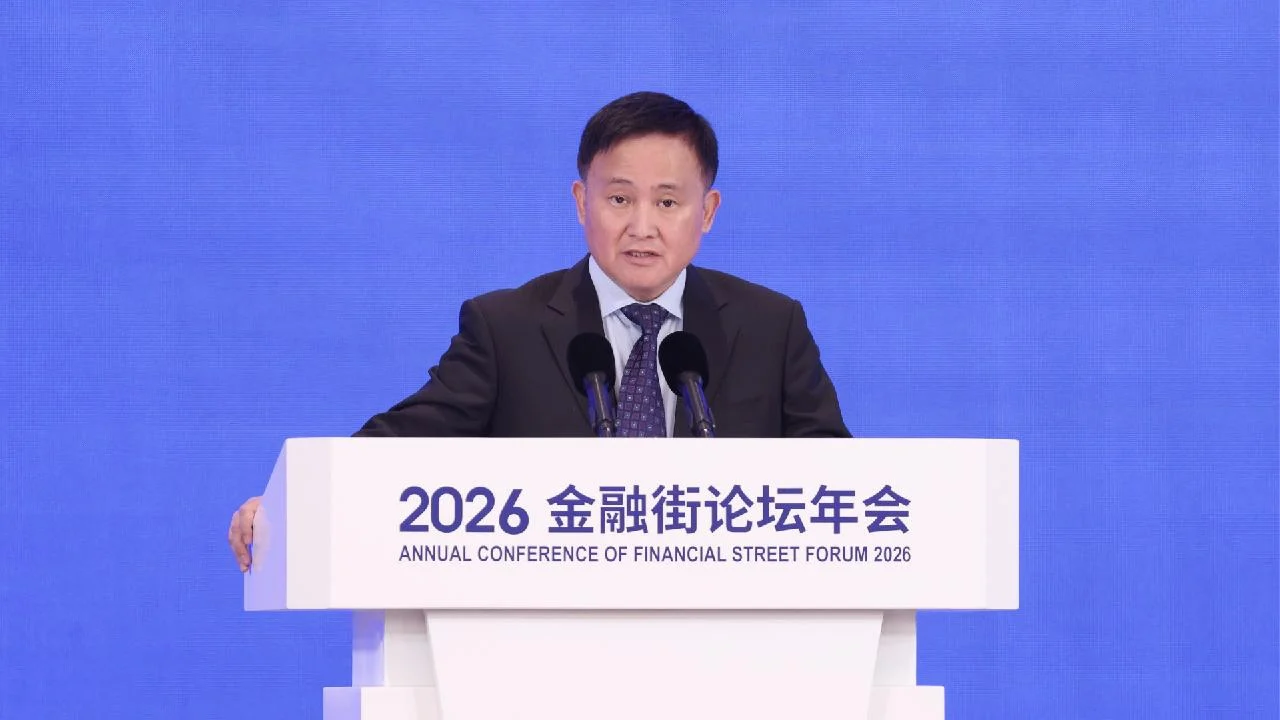
Artificial intelligence (AI) is rapidly transforming industries worldwide, and the financial sector is no exception. As AI’s influence grows, central banks are tasked with understanding its implications for economic stability, market dynamics, and monetary policy. The People’s Bank of China (PBOC), the nation’s central bank, is proactively addressing this challenge. Governor Pan Gongsheng recently outlined a clear, three-part strategy for integrating and managing AI within the financial system. This approach focuses on supporting AI’s development, carefully incorporating it into financial operations, and closely monitoring its broader economic effects.
The rapid advancement of AI presents both opportunities and challenges for financial institutions and policymakers. Understanding how to harness its potential while mitigating risks is paramount. The PBOC’s strategy reflects a balanced perspective, aiming to foster innovation while ensuring financial stability and responsible technological adoption. This article will explore the key components of the PBOC’s AI strategy, examining the rationale behind each part and its potential impact on the future of finance in China and beyond.
Supporting AI Industry Growth
The first pillar of the PBOC’s AI strategy is to actively support the growth of the AI industry. This involves increasing financial backing for technological innovation, aligning with the government’s broader “AI+” initiative. Governor Pan Gongsheng emphasized the need to raise both the intensity and diversification of financial support. This means not only providing more funding but also directing it towards a wider range of AI research, development, and application areas.
Central banks play a critical role in shaping economic landscapes, and their financial support can significantly influence the trajectory of emerging technologies. By channeling resources into AI, the PBOC aims to accelerate innovation, foster the development of cutting-edge AI solutions, and strengthen China’s position in the global AI race. This financial support can take various forms, including direct investment, preferential loans, tax incentives, and the creation of specialized funds dedicated to AI research and startups. The goal is to create a robust ecosystem where AI companies can thrive and develop technologies that can eventually be integrated into the financial sector.
The “AI+” initiative signifies a national commitment to embedding AI across various sectors of the economy. For the financial industry, this translates to exploring how AI can improve efficiency, enhance customer service, and create new financial products and services. The PBOC’s role in this is to ensure that the financial system is not only a user of AI but also a facilitator of its advancement. This includes supporting research into areas like machine learning, natural language processing, and computer vision, which are foundational to many AI applications in finance.
Furthermore, diversifying financial support is crucial. This means looking beyond established large corporations and also providing opportunities for smaller, innovative startups to access capital. These smaller entities often drive disruptive innovation and can bring fresh perspectives to AI development. The PBOC’s strategy acknowledges this by aiming for a broad-based approach to funding, encouraging a competitive and dynamic AI landscape. This support is not just about funding technology; it’s about cultivating the talent and infrastructure necessary for sustained AI progress.
Cautiously Embedding AI into Financial Operations
The second part of the PBOC’s strategy involves the cautious integration of AI into financial operations. While acknowledging that AI is “already in use” within Chinese finance, the central bank emphasizes a measured approach. This includes leveraging AI for tasks such as detecting suspicious transactions, improving risk management efficiency, and advancing financial inclusion. However, the PBOC also plans to “cautiously assess the impact of AI technology evolution on the macroeconomy, financial markets and monetary policy.”
The current applications of AI in finance are diverse. AI algorithms can analyze vast datasets to identify patterns indicative of fraud or money laundering, thereby strengthening anti-financial crime efforts. In risk management, AI can provide more sophisticated and real-time assessments of credit risk, market risk, and operational risk. This allows financial institutions to make more informed decisions and better manage potential exposures. For financial inclusion, AI can help assess the creditworthiness of individuals and small businesses that may lack traditional credit histories, opening up access to financial services for underserved populations.
The “cautious assessment” aspect is particularly important. AI is a powerful tool, but its deployment must be carefully managed to avoid unintended consequences. The PBOC recognizes that AI’s influence extends beyond individual institutions to the broader economy. Therefore, a thorough understanding of how AI affects macroeconomic indicators like inflation, employment, and economic growth is necessary. Similarly, its impact on financial market stability, including asset prices, market volatility, and systemic risk, needs continuous monitoring.
This cautious approach also extends to monetary policy. AI could potentially alter the transmission mechanisms of monetary policy, making it more complex for central banks to manage inflation and economic growth. For instance, AI-driven trading algorithms could amplify market volatility, or AI-powered productivity gains could have deflationary effects that require different policy responses. The PBOC’s commitment to assessing these impacts in advance suggests a proactive stance, aiming to adapt its policy frameworks as AI’s role evolves. This involves developing new analytical tools and models to better understand and predict AI’s economic effects.
The integration of AI into financial operations should be a gradual process, marked by pilot programs, rigorous testing, and continuous evaluation. This ensures that AI systems are reliable, secure, and aligned with regulatory requirements. The PBOC’s emphasis on caution reflects a commitment to responsible innovation, ensuring that the benefits of AI are realized without compromising the integrity and stability of the financial system. This careful integration will allow the central bank to learn from early applications and refine its approach as the technology matures.
Rigorously Tracking AI’s Economic and Market Reshaping
The third component of the PBOC’s AI strategy is the rigorous tracking of how AI reshapes the economy and financial markets. Governor Pan Gongsheng highlighted three key features of the global AI boom that demand central bank attention: potential mismatches in timing between AI’s demand and supply, uneven impacts across countries and sectors, and AI’s role in driving highly correlated and volatile global equity markets.
The timing mismatch refers to the possibility that AI’s impact on efficiency and productivity might not align perfectly with its demand and investment cycles. In the short term, increased investment in AI could spur demand and potentially lead to inflationary pressures. However, over the long term, AI’s ability to boost overall productivity could lead to lower inflation. The PBOC needs to monitor these dynamics closely to adjust its monetary policy appropriately. Understanding whether AI is primarily a short-term demand stimulus or a long-term supply-side enhancer is crucial for effective economic management.
The uneven impacts of AI are another critical area of focus. AI’s benefits and disruptions are unlikely to be distributed equally across different countries, industries, or segments of the workforce. While some sectors may experience significant productivity gains, others might face job displacement or require substantial reskilling of their workforce. The PBOC, along with other government bodies, will need to track these distributional effects to ensure that the benefits of AI are shared broadly and that vulnerable populations are not left behind. This includes analyzing how AI affects income inequality and the structure of employment.
Perhaps one of the most immediate concerns for central banks is AI’s influence on financial stability. Governor Pan noted that the AI investment wave has become a significant driver of global stock market gains, leading to increased correlation and volatility. When many market participants use similar AI-driven strategies or invest in the same AI-related assets, it can amplify market movements. This heightened correlation means that assets tend to move together more closely, increasing the risk of widespread losses during downturns. Elevated volatility, on the other hand, signifies larger and more rapid price swings, which can create uncertainty and deter investment.
The PBOC’s commitment to rigorous tracking means developing sophisticated analytical frameworks and data collection mechanisms. This includes monitoring AI investment trends, analyzing the performance of AI-driven financial products, and assessing the impact of AI on market liquidity and risk premia. It also involves understanding how AI algorithms interact with each other and with human traders, and how these interactions might create new forms of systemic risk. By closely observing these trends, the PBOC can identify potential vulnerabilities in the financial system and take preemptive measures to maintain stability. This proactive approach is essential in an era where technology is rapidly evolving and its impact on markets can be profound and swift.
The Global Context and International Cooperation
The PBOC’s three-part AI strategy does not operate in a vacuum. The global nature of AI development and its cross-border economic implications necessitate an awareness of international trends and the potential for cooperation. As Governor Pan Gongsheng pointed out, AI is driving highly correlated and volatile global equity markets, underscoring the interconnectedness of financial systems worldwide.
Central banks globally are grappling with similar questions regarding AI’s impact on inflation, employment, and financial stability. This shared challenge creates an opportunity for international collaboration. By sharing research, best practices, and data, central banks can collectively build a more comprehensive understanding of AI’s multifaceted effects. Forums like the Bank for International Settlements (BIS) and the Financial Stability Board (FSB) provide platforms for such discussions and for developing coordinated approaches to AI-related risks.
The PBOC’s strategy, with its emphasis on supporting innovation, cautious integration, and rigorous tracking, offers a model that other central banks might consider. The focus on the “AI+” initiative highlights the importance of a national strategy that aligns technological development with economic goals. Similarly, the attention paid to potential mismatches in demand and supply, uneven impacts, and market volatility reflects a nuanced understanding of AI’s complex economic footprint.
International cooperation can also extend to regulatory frameworks. As AI-powered financial services become more prevalent, there may be a need for harmonized regulations to ensure fair competition, protect consumers, and maintain financial stability across borders. This could involve developing common standards for AI ethics, data privacy, and algorithmic transparency. The PBOC’s proactive stance in assessing AI’s impact on monetary policy and financial stability could inform the development of such international standards.
Moreover, the global competition in AI development means that central banks must also consider the geopolitical implications of AI. Ensuring that AI development is guided by principles of openness, fairness, and security is crucial for fostering a stable global economic order. The PBOC’s strategy, by balancing support for domestic innovation with a cautious approach to integration and monitoring, aims to navigate these complex dynamics effectively.
Conclusion
The People’s Bank of China’s three-part AI strategy represents a forward-thinking and balanced approach to navigating the transformative power of artificial intelligence in the financial sector. By committing to supporting AI industry growth, cautiously embedding AI into financial operations, and rigorously tracking its economic and market impacts, the PBOC is positioning itself to harness the benefits of AI while mitigating its potential risks.
The strategy’s emphasis on financial support for technological innovation, coupled with a measured integration into existing financial systems, demonstrates a commitment to responsible advancement. The focus on detecting suspicious transactions, enhancing risk management, and promoting financial inclusion highlights the practical applications of AI that can benefit society. Crucially, the PBOC’s dedication to assessing AI’s influence on the macroeconomy, financial markets, and monetary policy underscores a proactive stance towards maintaining stability in an increasingly complex financial landscape.
As AI continues to evolve, central banks worldwide will face similar challenges and opportunities. The PBOC’s comprehensive strategy provides a valuable framework for understanding and managing AI’s profound impact. By fostering innovation, ensuring careful implementation, and maintaining vigilant oversight, the PBOC aims to ensure that AI serves as a tool for economic progress and financial stability, both within China and in the broader global context. The journey of integrating AI into finance is ongoing, and the PBOC’s strategic approach sets a clear direction for responsible development and management.



Conversation
0 Comments