

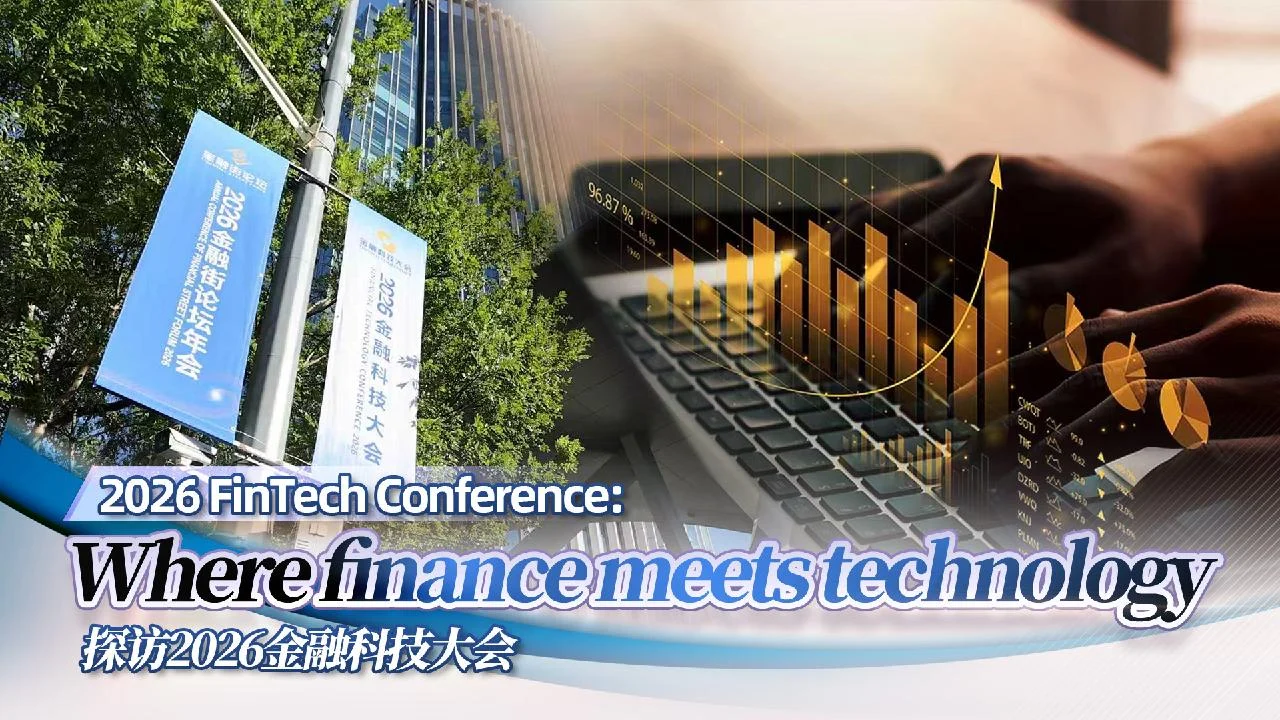
The 2026 FinTech Conference: Where Finance Meets Technology
The financial technology, or FinTech, sector is rapidly changing how we manage, move, and think about money. This dynamic field blends finance with cutting-edge technology, creating new tools and services that aim to make financial processes more efficient, accessible, and user-friendly. From digital payments and online lending to blockchain and artificial intelligence in finance, FinTech is at the forefront of innovation. Understanding the latest developments in this area is key for anyone involved in finance, technology, or business.
The 2026 FinTech Conference, held from October 20 to 22, served as a crucial platform for exploring these advancements. As a special session of the 2026 Financial Street Forum Annual Meeting, the conference brought together experts, innovators, and leaders to discuss the future of finance. Through a series of main forums, parallel sessions, closed-door meetings, and special events, attendees gained insights into the most pressing trends and groundbreaking ideas shaping the FinTech landscape. This event highlighted the powerful synergy between finance and technology, showcasing how innovation is driving progress and creating new opportunities.
The Evolving Landscape of Financial Technology
FinTech is not a new concept, but its pace of evolution has accelerated dramatically in recent years. What began with simple online banking has expanded into a vast ecosystem of services. This growth is fueled by several factors, including increased internet penetration, the widespread adoption of smartphones, and a growing consumer demand for more convenient and personalized financial solutions. Businesses are also recognizing the benefits of FinTech, using it to streamline operations, reduce costs, and reach new markets.
The core of FinTech lies in its ability to disrupt traditional financial models. Banks and other established financial institutions are increasingly partnering with or acquiring FinTech startups to integrate new technologies and stay competitive. This collaboration is leading to a more integrated financial system where digital services are becoming the norm. The conference provided a snapshot of this evolving landscape, demonstrating how technology is not just an add-on but a fundamental component of modern finance.
Key Themes at the 2026 FinTech Conference
The 2026 FinTech Conference focused on several critical areas that are defining the future of the industry. These themes reflect the broader trends and challenges facing both financial services and technological development.
Digital Transformation and Innovation
A central theme was the ongoing digital transformation of the financial sector. This involves moving away from paper-based processes and legacy systems towards fully digital operations. Companies are investing heavily in cloud computing, data analytics, and artificial intelligence to enhance their services. The conference explored how these technologies are being used to create more personalized customer experiences, improve risk management, and develop new financial products.
Innovation in FinTech is not limited to large corporations. Startups are playing a vital role by introducing disruptive ideas and agile solutions. The event provided a platform for these emerging companies to showcase their innovations and connect with potential investors and partners. This dynamic interplay between established players and new entrants is a key driver of progress in the FinTech space.
The Role of Data and Analytics
Data is often called the new oil, and in FinTech, it is the lifeblood of innovation. The conference placed a significant emphasis on how financial institutions are collecting, analyzing, and utilizing data to gain insights and make better decisions. Advanced analytics, including machine learning and artificial intelligence, are being used for everything from fraud detection and credit scoring to personalized financial advice and marketing.
The ethical considerations surrounding data usage were also a key topic. As more data is collected, ensuring privacy and security becomes paramount. Discussions revolved around the need for robust data governance frameworks and transparent data handling practices to build trust with consumers. The responsible use of data is essential for the sustainable growth of the FinTech industry.
Cybersecurity and Risk Management
As financial services become increasingly digital, the importance of cybersecurity cannot be overstated. The conference dedicated significant attention to the challenges and solutions related to protecting financial systems and customer data from cyber threats. This includes discussing the latest in encryption technologies, threat detection, and incident response.
Risk management in the FinTech era also extends beyond traditional financial risks. New risks emerge from the complex technological infrastructure, the rapid pace of change, and the interconnectedness of global financial systems. Experts shared strategies for identifying, assessing, and mitigating these evolving risks to ensure the stability and security of the financial ecosystem.
Financial Inclusion and Accessibility
A major promise of FinTech is its potential to increase financial inclusion, bringing essential financial services to underserved populations. Mobile banking, digital wallets, and micro-lending platforms are making it easier for people in remote areas or those with limited access to traditional banking to participate in the formal economy. The conference explored successful models and ongoing efforts to expand financial access globally.
Discussions also touched upon the challenges in achieving true financial inclusion, such as digital literacy, infrastructure limitations, and regulatory hurdles. The goal is to create a financial system that is not only innovative but also equitable and accessible to everyone, regardless of their background or location.
Emerging Technologies Shaping FinTech
The 2026 FinTech Conference showcased several emerging technologies that are poised to further transform the financial industry. These technologies offer new possibilities for efficiency, security, and customer engagement.
Artificial Intelligence (AI) and Machine Learning (ML)
AI and ML are no longer futuristic concepts; they are actively being integrated into financial services. AI-powered chatbots are providing customer support, while ML algorithms are used for sophisticated fraud detection and algorithmic trading. The conference highlighted how AI is enabling predictive analytics, allowing financial institutions to anticipate market trends and customer needs with greater accuracy.
The development of AI in finance also raises questions about job displacement and the need for new skill sets. Panelists discussed the importance of upskilling the workforce to adapt to an AI-driven financial environment, focusing on roles that require human judgment, creativity, and complex problem-solving.
Blockchain and Distributed Ledger Technology (DLT)
Blockchain technology, the foundation of cryptocurrencies, continues to offer potential beyond digital currencies. Its ability to create secure, transparent, and immutable records makes it suitable for a range of financial applications, including supply chain finance, cross-border payments, and digital identity verification. The conference explored pilot projects and real-world use cases of DLT in finance.
While the hype around cryptocurrencies has fluctuated, the underlying blockchain technology is proving its value. Discussions focused on how DLT can improve efficiency, reduce costs, and enhance security in various financial transactions, moving beyond speculative applications to practical business solutions.
The Internet of Things (IoT) and Big Data
The Internet of Things (IoT) is connecting more devices to the internet, generating vast amounts of data. In the financial sector, IoT data can be used for innovative insurance products, such as usage-based car insurance, or for more accurate risk assessments in lending. The conference examined how the integration of IoT data with big data analytics can unlock new insights and create personalized financial services.
The challenge lies in managing and securing the massive volumes of data generated by IoT devices. Experts discussed the infrastructure and security measures needed to harness the power of IoT data effectively and responsibly.
The Future of Finance: Trends and Predictions
The discussions at the 2026 FinTech Conference painted a clear picture of the future of finance. Several key trends are expected to dominate the coming years.
Hyper-Personalization of Financial Services
Consumers are increasingly expecting financial services tailored to their individual needs and preferences. FinTech companies are using data analytics and AI to deliver hyper-personalized experiences, from customized investment advice to dynamic loan offers. This trend moves away from one-size-fits-all solutions towards highly individualized financial management.
The ability to anticipate customer needs and provide proactive solutions will be a key differentiator for financial institutions. This requires a deep understanding of customer behavior and a robust technological infrastructure to support personalized offerings.
The Rise of Embedded Finance
Embedded finance refers to the integration of financial services directly into non-financial platforms and applications. This means that consumers can access financial products, such as loans or insurance, at the point of need, without having to visit a separate financial institution. Examples include buy-now-pay-later options at online retailers or integrated payment solutions within ride-sharing apps.
This trend blurs the lines between financial and non-financial services, making finance more seamless and convenient. It also presents new opportunities for FinTech companies to partner with businesses across various industries.
Decentralized Finance (DeFi) and its Potential Impact
Decentralized Finance (DeFi) is an emerging area that aims to recreate traditional financial systems using decentralized technologies, primarily blockchain. DeFi platforms offer services like lending, borrowing, and trading without intermediaries like banks. The conference explored the potential of DeFi to create more open, transparent, and accessible financial markets, while also acknowledging the regulatory and security challenges.
While still in its early stages, DeFi represents a significant shift in how financial services could be structured. The discussions highlighted the ongoing debate about its long-term viability and its potential to coexist with or even challenge traditional finance.
Sustainability and Green FinTech
There is a growing focus on sustainability within the financial industry. Green FinTech refers to the use of technology to promote environmentally friendly financial practices. This includes developing platforms for green investments, carbon footprint tracking, and sustainable lending. The conference recognized the increasing demand from consumers and investors for financial products that align with environmental, social, and governance (ESG) principles.
Financial institutions are being pushed to integrate sustainability into their core strategies, and FinTech plays a crucial role in enabling these initiatives. This trend reflects a broader societal shift towards responsible business practices.
Challenges and Opportunities in the FinTech Sector
While the future of FinTech is bright, the industry faces several challenges that need to be addressed to ensure continued growth and stability.
Regulatory Hurdles and Compliance
One of the biggest challenges for FinTech companies is navigating the complex and often evolving regulatory landscape. Different countries and regions have varying rules regarding financial services, data privacy, and consumer protection. Ensuring compliance with these regulations can be costly and time-consuming, especially for startups operating globally.
However, regulation also presents opportunities. As the industry matures, clearer regulatory frameworks can foster greater trust and stability, encouraging more mainstream adoption of FinTech solutions. Collaboration between FinTech firms and regulators is essential to strike the right balance between innovation and oversight.
Talent Acquisition and Development
The rapid growth of FinTech has created a high demand for skilled professionals. There is a shortage of talent in areas such as data science, cybersecurity, AI, and blockchain development. Attracting and retaining top talent is a significant challenge for companies in this competitive field.
Investing in education and training programs is crucial for developing the next generation of FinTech professionals. Universities and industry organizations are working together to create curricula that meet the evolving needs of the sector.
Building Consumer Trust and Security
Trust is a cornerstone of the financial industry. As FinTech services become more prevalent, building and maintaining consumer trust is paramount. This involves ensuring the security of financial data, providing transparent service terms, and offering reliable customer support. Any security breach or data misuse can severely damage a company’s reputation and erode consumer confidence.
The industry is continuously working on improving security measures and educating consumers about safe online financial practices. Clear communication and a commitment to protecting customer assets are key to fostering long-term trust.
The Digital Divide
While FinTech aims to increase financial inclusion, the digital divide remains a significant obstacle. Not everyone has access to reliable internet, smartphones, or the digital literacy needed to use these services. Bridging this gap is essential to ensure that the benefits of FinTech are accessible to all segments of society.
Efforts to expand digital infrastructure and provide digital literacy training are critical components of achieving true financial inclusion. FinTech companies and governments must work together to address these disparities.
Conclusion: A Future Driven by Innovation
The 2026 FinTech Conference underscored the transformative power of technology in reshaping the financial world. From enhancing customer experiences through AI and personalization to creating more inclusive financial systems, FinTech is driving unprecedented change. The event highlighted the ongoing digital transformation, the critical role of data, and the importance of robust security measures.
As the industry continues to evolve, emerging technologies like blockchain and IoT, alongside trends such as embedded finance and a growing focus on sustainability, will further define its trajectory. While challenges related to regulation, talent, and trust persist, the opportunities for innovation and growth are immense. The convergence of finance and technology is not just a trend; it is the foundation of the future financial landscape, promising greater efficiency, accessibility, and new possibilities for individuals and businesses worldwide. The discussions at the conference serve as a roadmap for navigating this exciting and rapidly changing domain.



Conversation
0 Comments