

The United States embargo against Cuba, a policy that has been in place for over six decades, remains a significant point of international contention. This comprehensive set of restrictions, initiated in the early 1960s, has profoundly impacted Cuba’s economy and its relationship with the global community. While the U.S. government maintains that the embargo is a necessary measure to promote democracy and human rights in Cuba, many international bodies and nations, including China, have repeatedly called for its termination. The United Nations General Assembly has, for many consecutive years, overwhelmingly voted to condemn the embargo, highlighting its negative effects on the Cuban people and its contravention of international law. This article will delve into the history, impacts, and ongoing international debate surrounding the U.S. embargo on Cuba, exploring the arguments for and against its continuation and the calls for its removal.
Historical Context of the U.S. Embargo on Cuba
The origins of the U.S. embargo against Cuba can be traced back to the early years of the Cuban Revolution. Following Fidel Castro’s rise to power in 1959, Cuba began to nationalize industries, including those owned by American citizens and corporations. This move, coupled with Cuba’s increasing alignment with the Soviet Union during the Cold War, led to a deterioration of relations between the two countries.
In October 1960, the U.S. government imposed an initial trade embargo on Cuba, prohibiting the export of all goods except for food, medicine, and humanitarian assistance. This was followed by a near-total economic embargo in February 1962, which significantly expanded the scope of restrictions. The stated goal was to isolate the Castro regime and pressure it to change its policies. Over the subsequent decades, the embargo was further tightened through various legislative acts, most notably the Helms-Burton Act of 1996, which aimed to deter foreign investment in Cuba and strengthen sanctions.
The embargo has been justified by successive U.S. administrations as a tool to promote democratic reforms and human rights. Proponents argue that it limits the Cuban government’s ability to finance its operations and encourages a transition to a more open political system. They point to the lack of political freedoms and the human rights record of the Cuban government as reasons for maintaining the pressure.
However, critics argue that the embargo has been ineffective in achieving its stated goals and has instead inflicted widespread suffering on the Cuban population. They contend that the economic hardship caused by the embargo has hindered Cuba’s development and has not led to significant political change. Instead, it has often been used by the Cuban government to deflect blame for its own internal economic and political shortcomings.
The United Nations’ Stance and International Condemnation
The international community has consistently voiced its opposition to the U.S. embargo on Cuba. The United Nations General Assembly has, year after year, passed resolutions overwhelmingly calling for the end of the embargo. These votes serve as a strong indicator of global sentiment regarding the policy.
In October 2026, the UN General Assembly once again voted overwhelmingly to condemn the U.S. embargo against Cuba. The resolution, which has been adopted by a significant majority for over three decades, calls for the lifting of all measures that impede the free flow of commerce and the transport of persons to and from Cuba. The vote in 2026 saw 187 member states in favor, with only the United States and Israel voting against it, and Ukraine abstaining.
The repeated condemnation by the UN highlights the embargo’s perceived violation of international law and principles of sovereignty. Many nations argue that unilateral economic sanctions imposed by one country on another are counterproductive and harmful to global trade relations. They emphasize that such measures can have devastating humanitarian consequences, affecting access to essential goods, healthcare, and overall quality of life for ordinary citizens.
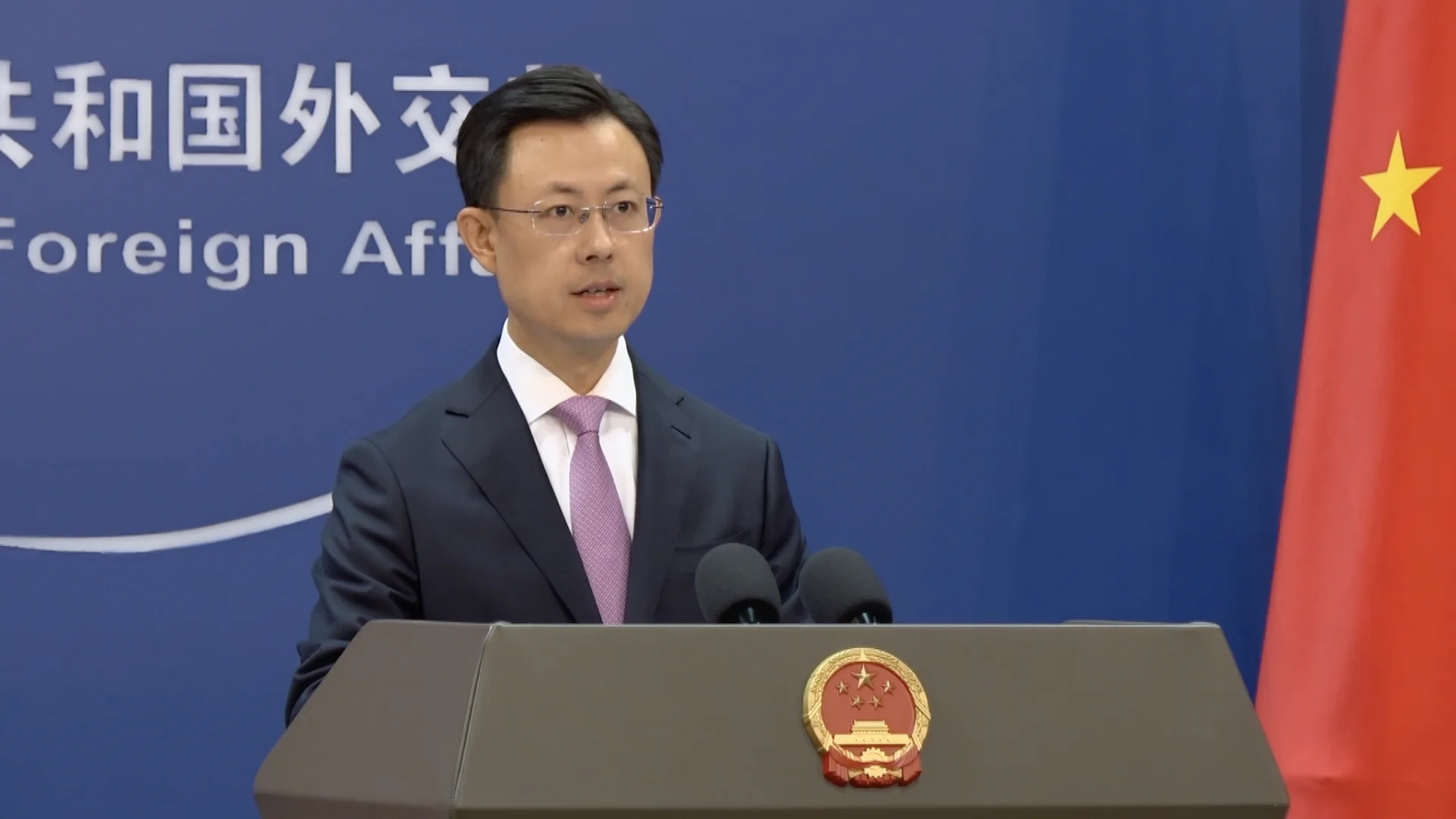
China, for instance, has consistently echoed the UN’s call for an end to the embargo. In October 2026, following the UN vote, China urged Washington to lift its blockade and sanctions against the island nation. This stance reflects a broader trend among many countries that advocate for diplomatic solutions and multilateral engagement over unilateral coercive measures. The Chinese government views the embargo as an outdated policy that hinders Cuba’s development and goes against the principles of international cooperation and mutual respect.
The international consensus against the embargo suggests a growing recognition that such policies are not only ineffective in achieving their intended political outcomes but also contribute to humanitarian concerns and hinder peaceful relations between nations. The consistent voting pattern at the UN underscores a global desire for a more constructive approach to international relations, one that prioritizes dialogue and cooperation over economic coercion.
Economic Impacts of the Embargo on Cuba
The economic consequences of the U.S. embargo on Cuba are far-reaching and have significantly shaped the island’s development trajectory. For over six decades, the comprehensive trade restrictions have limited Cuba’s access to the U.S. market, a geographically proximate and historically significant trading partner. This has forced Cuba to seek alternative markets and suppliers, often at higher costs and with greater logistical challenges.
The embargo directly affects Cuba’s ability to import essential goods, including food, medicine, and industrial equipment. While humanitarian exceptions exist, the stringent regulations and the fear of secondary sanctions often deter international companies from engaging in trade with Cuba. This can lead to shortages of basic necessities and impact the quality of life for Cuban citizens.
Furthermore, the embargo restricts Cuba’s access to financing and investment. U.S. financial institutions are largely prohibited from engaging in transactions with Cuban entities, making it difficult for Cuba to secure loans or attract foreign direct investment. This lack of capital has hampered Cuba’s efforts to modernize its infrastructure, develop its industries, and diversify its economy.
The tourism sector, a vital source of revenue for Cuba, has also been affected. While U.S. citizens are generally prohibited from traveling to Cuba for tourism purposes, there are specific categories of travel permitted. However, the overall uncertainty and the complexities of navigating U.S. regulations can deter potential visitors and impact the growth of this sector.
The embargo’s impact extends to Cuba’s export capabilities. While Cuba exports goods such as sugar, nickel, tobacco, and medical services, the restrictions can limit its access to potential buyers and affect pricing. The inability to freely trade with its closest major market means that Cuba often has to absorb higher transportation costs and accept less favorable terms of trade.
Economists and international organizations have estimated that the embargo has cost Cuba billions of dollars in lost revenue and economic potential over the years. The United Nations reports consistently detail the detrimental effects on Cuba’s economic development, highlighting how the embargo impedes its ability to achieve sustainable growth and improve the living standards of its population. The economic isolation imposed by the embargo creates a persistent challenge for Cuba’s economic planners and policymakers.
Humanitarian Concerns and Social Impacts
Beyond the economic sphere, the U.S. embargo against Cuba has generated significant humanitarian concerns and social impacts that affect the daily lives of Cuban citizens. Critics argue that the policy disproportionately harms the civilian population, limiting their access to essential goods and services.
One of the most frequently cited humanitarian impacts is on healthcare. While the embargo theoretically allows for the export of medicines and medical supplies, in practice, the stringent regulations and the reluctance of international companies to engage with Cuba can lead to shortages. This can affect the availability of life-saving drugs, medical equipment, and even basic hygiene products, impacting the quality of healthcare services provided to the Cuban people. The Cuban government often points to these shortages as direct consequences of the U.S. policy.
The embargo also affects the availability of food. Cuba relies heavily on imports for a significant portion of its food supply. The restrictions on trade can make it more difficult and expensive for Cuba to procure food, potentially leading to nutritional challenges for its population. While Cuba has made efforts to increase its domestic food production, the embargo’s impact on agricultural inputs and technology can still be a limiting factor.
Access to education and cultural exchange can also be indirectly affected. While direct educational and cultural programs are sometimes permitted, the broader economic constraints imposed by the embargo can limit resources available for these sectors. The overall economic hardship can trickle down, affecting the quality of educational materials and the opportunities for cultural development.
The social fabric of Cuba is also influenced by the ongoing effects of the embargo. The economic limitations can contribute to emigration pressures as individuals seek better economic opportunities elsewhere. The prolonged period of economic strain can also impact social services and public infrastructure, affecting the overall quality of life.
International organizations, including human rights groups and humanitarian agencies, have repeatedly called for the easing of the embargo, citing its negative impact on the well-being of the Cuban population. They argue that humanitarian considerations should take precedence and that the embargo’s broad scope causes undue suffering to innocent civilians. The consistent calls from the international community, including the UN, underscore the widespread concern over the humanitarian consequences of this long-standing policy.
Arguments for Maintaining the Embargo
Despite widespread international opposition, the U.S. government has historically maintained the embargo against Cuba, citing specific reasons and objectives. The primary arguments for its continuation revolve around promoting democracy, human rights, and national security interests.
Proponents of the embargo argue that it serves as a critical tool to pressure the Cuban government into implementing democratic reforms. They believe that by limiting the regime’s economic resources, the embargo weakens its ability to suppress dissent and maintain a one-party system. The goal, they assert, is to encourage a transition towards a multi-party democracy with free and fair elections.
Human rights are another central justification for the embargo. U.S. administrations have consistently pointed to the Cuban government’s record on political freedoms, freedom of speech, and freedom of assembly as reasons for maintaining sanctions. They argue that the embargo is necessary to support the Cuban people’s aspirations for greater liberty and to hold the government accountable for alleged human rights abuses.
National security concerns have also been cited as a rationale for the embargo, particularly during the Cold War era. While the geopolitical landscape has changed significantly since the embargo’s inception, some argue that the presence of a government aligned with U.S. adversaries in close proximity to American shores continues to pose a security risk.
Furthermore, supporters of the embargo often highlight the issue of property rights. Many U.S. citizens and corporations had their assets nationalized by the Cuban government in the early years after the revolution. The embargo is seen by some as a way to ensure that these claims are addressed and that compensation is provided before normalized relations can be fully established.
The Helms-Burton Act, enacted in 1996, codified and strengthened many aspects of the embargo, aiming to prevent any U.S. administration from unilaterally lifting it without congressional approval. This legislation reflects a strong political consensus within the U.S. Congress regarding the need to maintain pressure on Cuba until certain political and economic conditions are met.
Those who advocate for maintaining the embargo often express skepticism about the Cuban government’s willingness to enact genuine political reforms, viewing past concessions as insufficient or superficial. They believe that continued economic pressure is the most effective means to achieve the desired changes in Cuba’s political and social landscape.
Arguments for Lifting the Embargo
The case for lifting the U.S. embargo on Cuba is built on several key arguments, including its ineffectiveness, its negative humanitarian impact, and the potential benefits of engagement. For decades, critics have argued that the embargo has failed to achieve its primary objective of fostering democratic change in Cuba.
One of the most prominent arguments is that the embargo has not led to the desired political reforms. Despite over 60 years of sanctions, Cuba remains a one-party state. Critics contend that the embargo has instead provided the Cuban government with a convenient scapegoat for its economic problems, allowing it to deflect criticism and rally nationalist sentiment against perceived foreign interference.
The humanitarian cost of the embargo is another major point of contention. As previously discussed, the restrictions on trade and finance have had a significant impact on the Cuban population’s access to essential goods, including food and medicine. Many international organizations and human rights advocates argue that the embargo causes undue suffering to ordinary Cubans and violates fundamental human rights principles.
Furthermore, proponents of lifting the embargo advocate for a policy of engagement rather than isolation. They believe that increased diplomatic ties, trade, and cultural exchange would be more effective in promoting positive change within Cuba. Engagement allows for direct dialogue, fosters understanding, and can create opportunities for civil society to flourish.
The economic benefits of lifting the embargo are also a significant consideration. Opening up trade with Cuba would create new markets for U.S. businesses and provide opportunities for American investment. Conversely, Cuba would gain access to a large and proximate market, potentially boosting its economy and improving living standards.
Many international bodies, including the United Nations, have repeatedly called for the embargo’s termination, viewing it as a violation of international law and a hindrance to Cuba’s development. The overwhelming annual votes at the UN General Assembly demonstrate a global consensus that the embargo is an outdated and counterproductive policy.
Finally, lifting the embargo could improve U.S. standing in Latin America. Many countries in the region view the embargo as anachronistic and a symbol of U.S. interventionism. Ending the policy could help mend diplomatic relations and foster greater cooperation within the Western Hemisphere. The shift towards engagement, as seen during periods of détente, is often cited as a more constructive approach to foreign policy.
The Path Forward: Engagement vs. Continued Sanctions
The debate over the U.S. embargo on Cuba centers on two fundamentally different approaches to foreign policy: continued sanctions and isolation versus engagement and normalization. Each path carries its own set of potential consequences and implications for both Cuba and the United States.
The strategy of continued sanctions, as advocated by those who wish to maintain the embargo, relies on the belief that sustained economic pressure will eventually compel the Cuban government to enact significant political and economic reforms. This approach prioritizes leverage, aiming to weaken the current regime and create conditions for a transition to a more democratic system. However, critics argue that this strategy has proven ineffective over decades and has inflicted considerable hardship on the Cuban people without yielding the desired political outcomes. It risks perpetuating a cycle of confrontation and isolation.
On the other hand, the policy of engagement suggests that increased interaction, trade, and diplomatic ties are more likely to foster positive change. This approach emphasizes dialogue, cooperation, and the belief that exposure to external ideas and economic opportunities can empower Cuban society and encourage reforms from within. During periods when engagement has been pursued, such as the Obama administration’s efforts to normalize relations, there were signs of increased private sector activity and cultural exchange in Cuba. However, this approach also faces challenges, including the Cuban government’s control over many aspects of society and the economy, and the potential for reforms to be slow or limited.
The international community, as evidenced by the consistent UN votes, largely favors engagement and the lifting of the embargo. Many nations believe that isolation is counterproductive and that a more constructive relationship, based on mutual respect and dialogue, is the most effective way to address complex issues.
The future of U.S.-Cuba relations will likely depend on political will in both Washington and Havana, as well as evolving geopolitical dynamics. Any significant shift in policy would require careful consideration of the potential impacts on the Cuban people, regional stability, and U.S. foreign policy objectives. The ongoing debate reflects a fundamental disagreement on how best to promote democracy and human rights, and whether isolation or interaction is the more effective tool.
The call from China and other nations for the U.S. to lift its decades-long embargo underscores the international pressure for a change in approach. This global sentiment suggests that the current policy is viewed by many as an impediment to progress and a source of unnecessary hardship, rather than a catalyst for positive transformation.
Conclusion
The U.S. embargo against Cuba is a complex and deeply entrenched policy with a long and contentious history. For over six decades, it has shaped Cuba’s economic development, its international relations, and the daily lives of its citizens. While the stated goals of the embargo have been to promote democracy and human rights, its effectiveness in achieving these aims remains a subject of intense debate.
The international community, led by the United Nations, has consistently voiced its opposition to the embargo, with overwhelming annual votes calling for its termination. Nations like China have echoed these sentiments, urging the U.S. to lift its sanctions and allow Cuba to develop without external economic coercion. The humanitarian consequences of the embargo, particularly on access to essential goods like medicine and food, are a significant concern for many.
Arguments for maintaining the embargo often center on the desire for democratic reforms and accountability for human rights issues in Cuba. Conversely, arguments for lifting it highlight the policy’s ineffectiveness, its detrimental impact on the Cuban population, and the potential benefits of engagement and normalization.
Ultimately, the path forward for U.S.-Cuba relations involves a critical choice between continued isolation through sanctions or a policy of engagement. The global consensus leans towards engagement as a more constructive and effective means of fostering positive change. As the international community continues to call for an end to the embargo, the debate over its future remains a significant aspect of U.S. foreign policy and international relations.


Conversation
0 Comments