

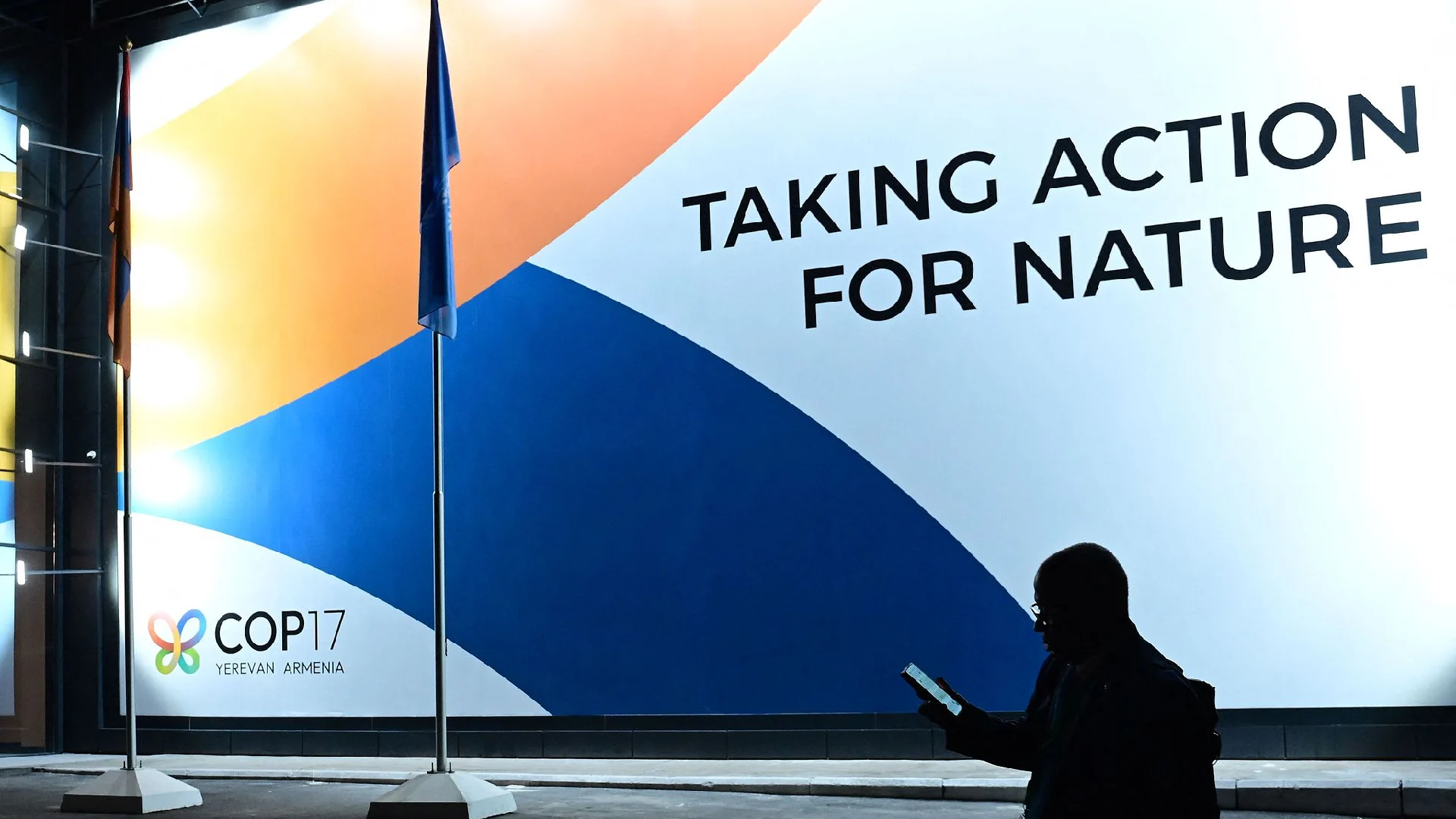
The Kunming Biodiversity Fund: A Global Initiative for Conservation
The world faces a critical challenge: the rapid loss of biodiversity. As ecosystems shrink and species disappear at an alarming rate, the need for effective conservation efforts has never been more urgent. Addressing this crisis requires significant financial investment and collaborative action, especially in developing nations where many of the planet’s most biodiverse regions are located. Recognizing this, China has taken a leading role by establishing the Kunming Biodiversity Fund (KBF). This groundbreaking initiative, the first global biodiversity fund created by a developing country for other developing countries, aims to bridge the funding gap and support vital conservation projects worldwide.
The Kunming Biodiversity Fund represents a significant step forward in international cooperation for environmental protection. It operates on the principle of multilateralism, pooling resources from various sources to tackle the complex issue of biodiversity loss. By focusing on scalable and replicable conservation models, the KBF seeks to maximize its impact and foster sustainable solutions. This analysis will explore the structure, objectives, and impact of the Kunming Biodiversity Fund, highlighting its role in advancing global biodiversity goals and providing much-needed financial support to developing nations.
Understanding the Kunming Biodiversity Fund
The Kunming Biodiversity Fund (KBF) was launched in May 2024 with a clear mission: to provide financial support for biodiversity conservation efforts, particularly in developing countries. It was established by China, a nation with immense biodiversity and a growing commitment to environmental stewardship. The fund’s unique positioning as a developing country-led initiative underscores a shift towards more inclusive and equitable global environmental governance. It aims to fill critical funding gaps that have historically hindered effective conservation work in many parts of the world.
Genesis and Objectives
The creation of the KBF was a direct response to the growing recognition of the global biodiversity crisis and the need for enhanced financial mechanisms to address it. Its objectives are multifaceted:
- Financial Support: To provide direct financial assistance to biodiversity conservation projects in developing countries.
- Capacity Building: To support projects that build local capacity for conservation and sustainable resource management.
- Knowledge Sharing: To promote the exchange of best practices and innovative conservation approaches.
- Global Goal Alignment: To contribute to the achievement of international biodiversity targets, such as those outlined in the Global Biodiversity Framework.
- Scalable Models: To fund conservation models that can be replicated and scaled up in different regions, maximizing long-term impact.
The fund operates on principles of openness, transparency, and multilateralism, inviting contributions and participation from governments, businesses, civil society organizations, and individuals worldwide. This inclusive approach is central to its strategy for mobilizing the substantial resources needed for global conservation.
Funding Structure and Contributions
China has made a significant initial contribution to the Kunming Biodiversity Fund, pledging 400 million yuan, which is approximately $60 million USD. This substantial commitment demonstrates China’s dedication to the fund’s success and its leadership in global biodiversity finance. However, the KBF is designed to be a collaborative effort, actively seeking additional contributions from a wide range of international partners.
The fund aims to pool cash from multiple sources, creating a robust financial instrument capable of supporting a diverse portfolio of projects. This diversified funding model is crucial for ensuring the fund’s sustainability and its ability to respond to evolving conservation needs. By bringing together financial resources from various stakeholders, the KBF can amplify its impact and address the scale of the biodiversity crisis more effectively.
Operational Principles
The Kunming Biodiversity Fund is committed to operating with a high degree of transparency and openness. This commitment is vital for building trust among donors, implementing partners, and the global community. Key operational principles include:
- Multilateralism: Adhering to the principles of international cooperation and shared responsibility in conservation.
- Transparency: Ensuring that all financial transactions, project selections, and outcomes are openly communicated.
- Inclusivity: Welcoming participation and contributions from all interested parties, regardless of their origin or scale.
- Effectiveness: Prioritizing projects that demonstrate a clear potential for significant and lasting positive impact on biodiversity.
- Adaptability: Remaining flexible and responsive to new scientific findings, conservation challenges, and opportunities.
These principles guide the fund’s decision-making processes and its engagement with stakeholders, ensuring that it remains an agile and effective instrument for biodiversity conservation.
Recent Project Approvals and Impact
The Kunming Biodiversity Fund has been actively disbursing funds to critical conservation initiatives. In a recent development, the fund approved its latest round of projects, demonstrating its ongoing commitment to supporting on-the-ground conservation work. This round of approvals highlights the fund’s reach and its focus on diverse geographical areas and conservation needs.
Latest Round of Project Funding
The KBF recently approved nine conservation projects, collectively valued at approximately $4.5 million USD. These projects are located across a wide range of countries, including Armenia, Bangladesh, Benin, Cameroon, Cuba, Montenegro, North Macedonia, Somalia, and Vietnam. This geographical diversity underscores the fund’s commitment to supporting conservation efforts in various ecosystems and regions facing unique biodiversity challenges.
The approved projects are expected to address a variety of conservation priorities. These may include habitat restoration, protection of endangered species, sustainable use of natural resources, and community-based conservation initiatives. By funding these diverse projects, the KBF aims to contribute to the preservation of biodiversity hotspots and the ecological well-being of these nations.
Broader Impact and Future Pipeline
The nine newly approved projects are part of a larger disbursement plan. By the end of 2026, the KBF is expected to have distributed an estimated $21 million USD. This significant financial injection is described as “much-needed finance for many countries,” indicating the critical role the fund plays in supporting conservation activities that might otherwise lack adequate funding.
Beyond the current disbursements, the KBF has already approved 31 projects across 45 developing countries, with an additional 40 projects in the pipeline. This robust pipeline demonstrates the fund’s growing influence and its capacity to support a substantial number of conservation initiatives. The focus of these projects spans critical areas such as ecosystem restoration, emergency protection for rare and endangered species, and other vital conservation work. This ongoing activity suggests a sustained and expanding impact of the KBF on global biodiversity conservation efforts.
The Role of the KBF in Global Biodiversity Frameworks
The Kunming Biodiversity Fund is not an isolated initiative; it is designed to work in concert with existing international agreements and frameworks aimed at protecting biodiversity. Its establishment and operations are closely aligned with global efforts to halt and reverse biodiversity loss, contributing directly to the achievement of ambitious conservation targets.
Alignment with the Global Biodiversity Framework
The Global Biodiversity Framework, adopted at the UN Biodiversity Conference (COP15), sets out an ambitious plan to halt and reverse biodiversity loss by 2030. The Kunming Biodiversity Fund directly supports the goals and targets of this framework. By providing financial resources for conservation projects, the KBF helps countries implement the necessary actions to achieve these targets.
Astrid Schomaker, executive secretary of the CBD Secretariat, has recognized the KBF as an “agile instrument” and has thanked China for its leadership. This endorsement highlights how the fund’s operational model and its focus on practical conservation outcomes align with the strategic objectives of the Convention on Biological Diversity (CBD) and its associated frameworks. The fund’s ability to mobilize and deploy resources efficiently makes it a valuable tool for accelerating progress towards global biodiversity goals.
Contribution to 2030 Targets
The 2030 targets of the Global Biodiversity Framework include ambitious goals such as protecting at least 30 percent of the planet’s land and oceans, restoring degraded ecosystems, and ensuring the sustainable use of biodiversity. The projects supported by the Kunming Biodiversity Fund are directly contributing to these objectives. For instance, projects focused on ecosystem restoration help to bring degraded lands back to life, while initiatives aimed at protecting endangered species contribute to preventing extinctions.
The fund’s emphasis on scalable and replicable conservation models is particularly important for achieving the 2030 targets. By identifying and supporting successful approaches, the KBF helps to disseminate effective conservation strategies across different regions, multiplying their impact and increasing the likelihood of meeting global targets. The continuous pipeline of projects further ensures that the fund remains a dynamic force in the pursuit of these critical environmental goals.
International Recognition and Collaboration
The Kunming Biodiversity Fund has garnered positive attention and support from international organizations and environmental leaders. Its innovative approach and commitment to multilateralism have been recognized as significant contributions to global conservation efforts.
Endorsements from International Bodies
Leaders from international environmental bodies have acknowledged the importance of the KBF. Inger Andersen, head of the UN Environment Programme (UNEP), has highlighted the significance of the fund’s disbursements, noting that the financial support is “much-needed” for many countries. Such endorsements from prominent figures in the environmental sector underscore the fund’s credibility and its vital role in the global conservation landscape.
The fund’s alignment with international biodiversity goals and its operational transparency have made it a trusted partner for many nations and organizations. The positive reception from bodies like the CBD Secretariat and UNEP signals a growing consensus on the need for and effectiveness of such collaborative financial mechanisms.
Call for Broader Participation
While China has made a substantial initial contribution, the KBF’s long-term success and expanded impact depend on broader international participation. China is actively calling on governments, businesses, and civil society groups worldwide to contribute to the fund. This call for collaboration reflects the understanding that biodiversity conservation is a shared responsibility that requires collective action and resources.
The fund’s open and transparent operational model is designed to encourage wider engagement. By demonstrating its effectiveness and commitment to its mission, the KBF aims to attract more partners and resources, thereby increasing its capacity to support a greater number of conservation projects and address the global biodiversity crisis more comprehensively. The hope is to build a global coalition dedicated to preserving the planet’s natural heritage for future generations.
Case Studies and Project Examples
To better understand the impact of the Kunming Biodiversity Fund, examining specific types of projects it supports can be illustrative. While the research data provides a list of countries where recent projects are being funded, detailing the nature of these projects offers a clearer picture of the KBF’s operational scope.
Ecosystem Restoration Initiatives
Many of the projects supported by the KBF likely focus on restoring degraded ecosystems. This can include reforesting areas that have been cleared for agriculture or logging, rehabilitating wetlands that have been drained or polluted, and restoring coral reefs damaged by climate change or overfishing. For example, a project in Vietnam might focus on restoring mangrove forests, which are crucial for coastal protection, carbon sequestration, and providing habitats for numerous species. Similarly, a project in Cameroon could involve reforestation efforts in areas affected by deforestation, helping to recover biodiversity and ecosystem services.
These restoration efforts are critical for reversing the trend of habitat loss, which is a primary driver of species extinction. By investing in the recovery of natural landscapes, the KBF contributes to the long-term health of the planet and the well-being of communities that depend on these ecosystems. The fund’s emphasis on scalable models means that successful restoration techniques can be shared and adapted for use in other regions facing similar challenges.
Endangered Species Protection
Another key area of focus for the KBF is the emergency protection of rare and endangered species. This can involve a range of activities, such as anti-poaching patrols, habitat management to ensure breeding grounds are safe, captive breeding programs for critically endangered animals, and research to better understand species’ needs and threats. For instance, a project in Somalia might focus on protecting a critically endangered species of gazelle or bird through habitat preservation and community engagement to reduce hunting pressures. In North Macedonia, efforts could be directed towards protecting a rare species of amphibian or reptile by safeguarding its specific habitat from development or pollution.
These interventions are vital for preventing the extinction of species that are on the brink. By providing targeted support, the KBF helps to ensure the survival of unique life forms that are an irreplaceable part of Earth’s biodiversity. The success of these projects often relies on close collaboration with local communities and wildlife authorities.
Community-Based Conservation Programs
Many successful conservation efforts involve the active participation of local communities. The KBF likely supports projects that empower these communities to become stewards of their natural resources. This can include initiatives that promote sustainable livelihoods, such as ecotourism, sustainable agriculture, or the responsible harvesting of non-timber forest products, which provide economic alternatives to destructive practices. A project in Bangladesh might work with coastal communities to develop sustainable fishing practices and protect marine biodiversity. In Armenia, a community-based project could focus on conserving mountain ecosystems and their unique flora and fauna through local engagement and sustainable land management.
These programs are essential for ensuring that conservation efforts are socially equitable and economically viable in the long term. When local populations benefit directly from conservation, they are more likely to support and participate in these initiatives, creating a sustainable model for protecting biodiversity.
Challenges and Opportunities for the KBF
While the Kunming Biodiversity Fund represents a significant advancement in global conservation finance, it also faces inherent challenges and presents numerous opportunities for future growth and impact. Navigating these aspects will be crucial for its sustained success.
Funding Sustainability and Scalability
One of the primary challenges for any conservation fund is ensuring long-term financial sustainability. While China’s initial contribution is substantial, the fund’s ability to continue supporting a growing pipeline of projects will depend on its success in attracting ongoing and diversified funding from a wider range of international partners. The call for contributions from governments, businesses, and civil society is a testament to this need.
The opportunity lies in the fund’s design to be scalable. By focusing on conservation models that can be copied and expanded, the KBF can maximize the impact of every dollar invested. This approach not only addresses immediate conservation needs but also builds a foundation for enduring environmental protection. Developing innovative financing mechanisms, such as green bonds or partnerships with the private sector, could further enhance its financial resilience.
Navigating Geopolitical and Environmental Complexities
Biodiversity conservation often takes place in regions with complex geopolitical landscapes and diverse environmental challenges. The KBF must navigate these complexities to ensure that its funding reaches its intended recipients and is used effectively. This requires strong partnerships with local governments, non-governmental organizations, and community leaders.
The opportunity here is for the KBF to act as a bridge builder, fostering cooperation across different sectors and borders. By operating with transparency and adhering to principles of multilateralism, the fund can build trust and facilitate collaborative solutions to shared environmental problems. Its focus on developing countries also positions it to address the unique needs and contexts of these regions, promoting equitable conservation outcomes.
Measuring and Reporting Impact
Effectively measuring and reporting the impact of conservation projects is crucial for accountability and for demonstrating the value of the fund’s investments. The KBF needs robust monitoring and evaluation systems to track the progress of its funded projects and to communicate their outcomes to stakeholders. This includes not only ecological indicators but also socio-economic benefits for local communities.
The opportunity lies in the KBF setting a high standard for impact reporting in biodiversity finance. By showcasing successful projects and lessons learned, it can inspire further investment and action. Transparent reporting can also help to refine the fund’s strategies, ensuring that it continues to adapt and improve its effectiveness in addressing the biodiversity crisis.
Conclusion
The establishment and ongoing work of the Kunming Biodiversity Fund mark a significant and positive development in the global effort to protect biodiversity. As the first global biodiversity fund initiated by a developing country for the benefit of other developing nations, it embodies a spirit of shared responsibility and equitable partnership. China’s substantial commitment, coupled with its call for broader international participation, underscores the fund’s potential to mobilize critical resources for conservation.
The KBF’s recent approval of nine projects across diverse countries, totaling approximately $4.5 million, demonstrates its active role in supporting on-the-ground conservation efforts. With a robust pipeline of future projects and a clear alignment with global biodiversity frameworks like the Global Biodiversity Framework, the fund is poised to make a substantial contribution to achieving the 2030 targets. By focusing on scalable conservation models, endangered species protection, and community-based initiatives, the KBF is not only addressing immediate environmental needs but also fostering sustainable solutions for the long term.
While challenges related to funding sustainability and navigating complex environmental and geopolitical landscapes exist, the KBF’s commitment to transparency, multilateralism, and measurable impact provides a strong foundation for overcoming these hurdles. The fund represents a vital instrument in the global fight against biodiversity loss, offering much-needed financial support and fostering international cooperation. Its continued success will be a testament to the power of collaborative action in safeguarding our planet’s invaluable natural heritage for generations to come.



Conversation
0 Comments