

Samsung Galaxy Buds On: An Open-Ear Alternative for Aware Listening
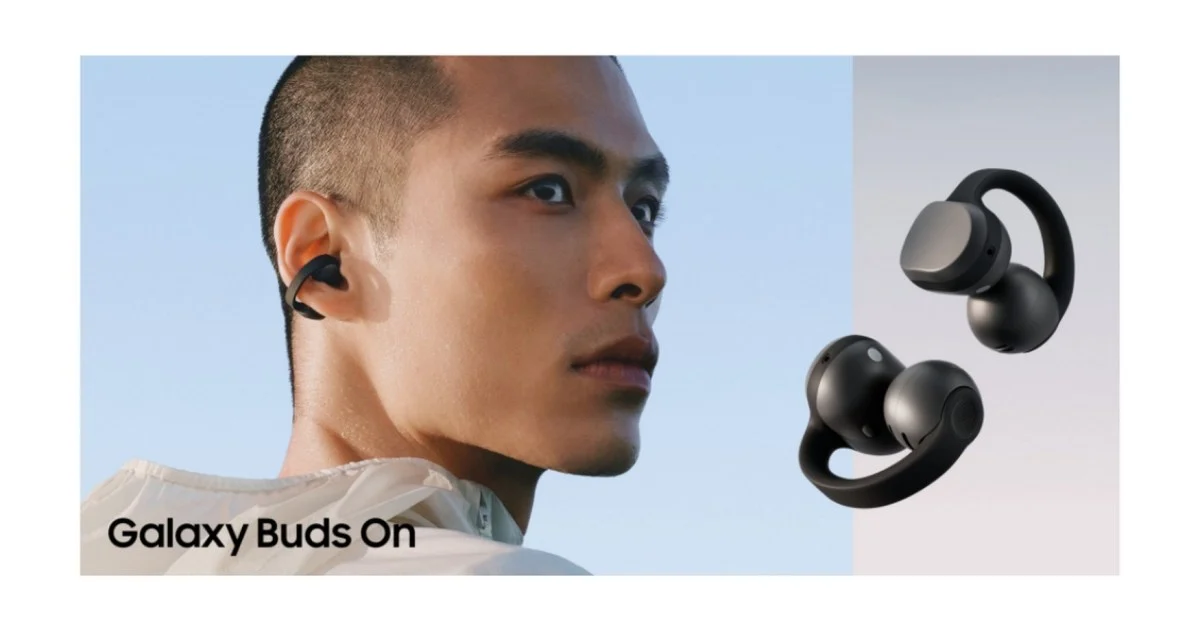
In the ever-expanding world of audio technology, Samsung has introduced a new contender designed to offer a different listening experience. The Samsung Galaxy Buds On, a set of clip-on earbuds, aim to provide audio without completely isolating the user from their surroundings. This innovative approach caters to individuals who find traditional in-ear or over-ear headphones uncomfortable or who need to maintain situational awareness while enjoying music or taking calls. With a premium price point and unique design, the Galaxy Buds On present an interesting option for those seeking an open-ear solution.
This analysis will explore the design, features, and potential use cases of the Samsung Galaxy Buds On, examining how they stack up against conventional earbuds and what makes them stand out in the competitive audio market. We will look at the technology Samsung has employed to address common challenges with open-ear designs, such as sound leakage and bass response, and consider the overall value proposition of these distinctive earbuds.
Design and Fit: A Focus on Comfort and Awareness
Samsung has clearly invested significant effort into the design of the Galaxy Buds On, aiming to create a comfortable and secure fit that allows for extended wear. The company states that it analyzed over 119 million ear data points to refine the design, a testament to their commitment to ergonomic excellence. Each earbud is remarkably lightweight, weighing in at just 6.65 grams, which contributes to a barely-there feel during use. This featherlight construction is crucial for earbuds designed to be worn for long periods, whether during a commute, a workout, or a workday.
The clip-on mechanism is central to the Buds On’s design. Unlike traditional earbuds that insert into the ear canal, these earbuds attach to the outer ear. This open-ear design is the primary differentiator, allowing ambient sounds to pass through. This is particularly beneficial for activities like running or cycling, where hearing traffic or other environmental cues is essential for safety. It also appeals to users who experience discomfort with in-ear designs, such as pressure or irritation, or those who simply prefer not to have their ear canals fully blocked. The goal is to offer the convenience of personal audio without the complete sensory deprivation that can come with noise-canceling or sealed earbuds.
Audio Technology: Addressing Open-Ear Challenges
Open-ear earbuds often face a common set of challenges, primarily concerning sound quality, particularly bass response, and the issue of audio leakage. Samsung has implemented specific technologies within the Galaxy Buds On to mitigate these drawbacks. At the heart of the audio delivery are 11.3mm TwinBoost speakers, designed to provide a robust sound experience. While open-ear designs inherently have limitations in replicating the deep bass found in sealed earbuds, Samsung’s approach aims to deliver a satisfying audio profile for general listening.
To combat sound leakage, a frequent complaint with open-ear audio devices, Samsung has developed Audio Leakage Reduction technology. This system works by emitting reversed sound waves that effectively cancel out the sound escaping from the earbuds. This means that listeners can enjoy their music or podcasts at a reasonable volume without significantly disturbing those around them, a common concern in shared spaces like offices or public transport.
Another feature aimed at enhancing the listening experience is automatic volume adjustment based on surrounding noise. This experimental function, which requires compatible Galaxy software, dynamically alters the playback volume to ensure optimal clarity and audibility amidst varying environmental sound levels. While still in its early stages, this technology hints at Samsung’s ambition to create a more adaptive and intelligent audio product.
Performance and Battery Life: Powering Through the Day
The Samsung Galaxy Buds On are powered by Qualcomm’s Snapdragon S7 Gen 1 Sound Platform, a modern chipset that supports advanced audio features and efficient power management. This platform is designed to deliver high-quality audio processing while maintaining low power consumption, which is critical for wireless earbuds. The earbuds themselves offer an impressive playback time of up to 9.5 hours on a single charge. This extended battery life is a significant advantage for users who rely on their earbuds throughout the day for music, calls, or other audio content.
When combined with the charging case, the total listening time extends to a remarkable 38 hours. This means that with regular use and occasional top-ups from the case, users can go for several days without needing to find a power outlet. The charging case itself is compact and designed for portability, making it easy to carry in a pocket or bag. The inclusion of USB-C charging, a standard across most modern devices, further adds to the convenience.
In terms of durability, the Galaxy Buds On come with an IP54 dust and splash resistance rating. This level of protection means they can withstand exposure to dust and water splashes from any direction. While they are not designed for submersion, this rating makes them suitable for use in light rain or during sweaty workouts, adding to their versatility for active lifestyles.
Smart Features and Connectivity: Seamless Integration
Samsung has equipped the Galaxy Buds On with a suite of smart features designed to enhance user interaction and connectivity, particularly with compatible Galaxy devices. The earbuds feature three microphones and a voice pickup sensor, which work together to isolate the user’s voice during phone calls. This technology aims to ensure that calls are clear and free from background noise, allowing for effective communication even in busy environments.
For users with newer versions of Samsung’s One UI software, the Buds On offer advanced control options. One notable feature is the integration with Gemini Live, which can be initiated with a voice command. This allows for hands-free operation, enabling users to start conversations or access AI assistance without needing to physically interact with their device. Additionally, users can record quick voice memos directly through the earbuds, a convenient function for capturing ideas on the go.
Head gestures offer another layer of intuitive control. Users can answer or reject incoming calls simply by nodding or shaking their head, further reducing the need to pull out their phone. These smart features underscore Samsung’s commitment to creating a connected ecosystem where devices work together seamlessly, providing a more integrated and user-friendly experience. The reliance on specific software versions for some of these advanced capabilities highlights the importance of keeping Galaxy devices updated to unlock the full potential of the Buds On.
Pricing and Value Proposition: A Premium Open-Ear Choice
The Samsung Galaxy Buds On are priced at $229 in the US market, placing them in the premium segment of the earbud market. This price point is notable, especially when compared to Samsung’s own flagship Galaxy Buds 4 Pro, which retail for $250. The Buds On do not offer active noise cancellation, have a less powerful bass response, and possess lower dust and water resistance compared to their higher-end counterparts.
However, it is essential to consider the fundamentally different use case that the Buds On address. While the Buds 4 Pro might be considered the ideal daily drivers for a Galaxy smartphone, offering a comprehensive feature set including noise cancellation, the Buds On are designed for a specific niche. Their open-ear design prioritizes situational awareness and comfort over immersive audio or noise isolation. This makes them a compelling choice for individuals who find traditional earbuds uncomfortable, athletes who need to stay aware of their surroundings, or commuters who want to listen to audio while remaining connected to ambient sounds.
The value proposition of the Galaxy Buds On lies in their specialized design and the comfort it offers. For users who have struggled with the fit or feel of in-ear earbuds, or who prioritize safety and awareness during outdoor activities, the $229 price tag may be justified. It represents a premium for a unique listening experience that prioritizes openness and integration with the user’s environment. Potential buyers will need to weigh the cost against these specific benefits and consider whether the open-ear design aligns with their personal needs and listening habits.
Comparison with Traditional Earbuds
The distinction between the Samsung Galaxy Buds On and traditional earbuds is significant, primarily stemming from their core design philosophies and intended use cases. Traditional earbuds, whether they are in-ear models like the Galaxy Buds 4 Pro or the ubiquitous AirPods, typically aim to create a seal within the ear canal. This seal is crucial for several reasons: it enhances passive noise isolation, allowing the listener to block out external sounds, and it optimizes bass response by containing the sound waves within the ear. Active noise cancellation (ANC) technology, found in many premium traditional earbuds, further amplifies this isolation by electronically counteracting ambient noise.
The Galaxy Buds On, by contrast, adopt an open-ear design. This means they do not create a seal and allow ambient sounds to enter freely. The primary advantage here is enhanced situational awareness. For runners, cyclists, or anyone navigating busy urban environments, being able to hear traffic, sirens, or approaching people is a critical safety feature. Furthermore, many individuals find the physical sensation of in-ear earbuds uncomfortable, experiencing pressure, irritation, or a feeling of blockage. The clip-on, open-ear design of the Buds On bypasses these issues entirely, offering a more comfortable experience for extended wear.
However, this open design comes with trade-offs. The passive noise isolation of traditional earbuds is absent, meaning that in noisy environments, the audio from the Buds On might be drowned out. Similarly, the bass response is generally less impactful than what can be achieved with a sealed ear canal, as the sound waves have more opportunity to dissipate. Audio leakage is also a more pronounced concern with open-ear designs, although Samsung’s technology aims to mitigate this.
When considering a purchase, the choice between the Buds On and traditional earbuds hinges on priorities. If immersive audio, deep bass, and effective noise cancellation are paramount, traditional earbuds are likely the better choice. If comfort, the ability to hear one’s surroundings, and a less intrusive listening experience are more important, then the Galaxy Buds On present a compelling, albeit premium, alternative.
Potential Use Cases and Target Audience
The unique design of the Samsung Galaxy Buds On opens up a variety of specific use cases and targets a distinct audience that may not be fully served by traditional earbuds. One of the most prominent use cases is for athletes and outdoor enthusiasts. Runners, cyclists, hikers, and anyone exercising outdoors can benefit immensely from the ability to listen to music or podcasts while remaining fully aware of their surroundings. Hearing approaching vehicles, other trail users, or environmental sounds is not just a matter of convenience but a critical safety factor. The secure clip-on fit also suggests they are designed to stay in place during physical activity.
Another significant audience is commuters and urban dwellers. For individuals who use public transportation or walk through busy city streets, the Buds On offer a way to enjoy personal audio without becoming completely oblivious to important announcements, traffic signals, or conversations that might require attention. This balance between personal entertainment and environmental awareness is a key selling point.
Office workers and those in shared workspaces could also find the Buds On appealing. While they don’t offer active noise cancellation to block out office chatter, they allow for discreet listening without completely isolating the user from colleagues or important workplace sounds. This can be beneficial for maintaining a sense of connection and responsiveness in a collaborative environment.
Furthermore, the Buds On are an excellent option for individuals who experience discomfort with traditional earbuds. Many people find in-ear designs physically irritating, leading to pain, pressure, or a feeling of fullness. The open-ear, clip-on nature of the Buds On provides a comfortable alternative that rests on the outer ear, avoiding the ear canal altogether. This makes them suitable for long listening sessions, whether for work, entertainment, or communication.
Finally, the integration with Samsung’s ecosystem makes them particularly attractive to existing Galaxy device owners. Features like Gemini Live integration and head gesture controls are optimized for compatible Galaxy phones and software, offering a seamless and convenient user experience for those invested in Samsung’s technology.
Conclusion
The Samsung Galaxy Buds On represent a thoughtful evolution in personal audio, catering to a growing demand for earbuds that offer situational awareness and superior comfort. By forgoing the traditional in-ear design for a secure clip-on, open-ear approach, Samsung has created a product that prioritizes the user’s connection to their environment. The advanced audio leakage reduction, comfortable fit derived from extensive data analysis, and extended battery life all contribute to a compelling package.
While the premium price point and the inherent trade-offs of open-ear audio, such as less impactful bass and no active noise cancellation, are important considerations, the Galaxy Buds On are not designed to replace traditional flagship earbuds. Instead, they offer a distinct alternative for specific needs. For athletes, commuters, those sensitive to in-ear designs, or anyone who values being aware of their surroundings while enjoying audio, the Galaxy Buds On present a sophisticated and functional solution. Their success will likely depend on how well they resonate with these targeted user groups and whether the unique benefits justify the investment in this innovative approach to listening.


Conversation
0 Comments