

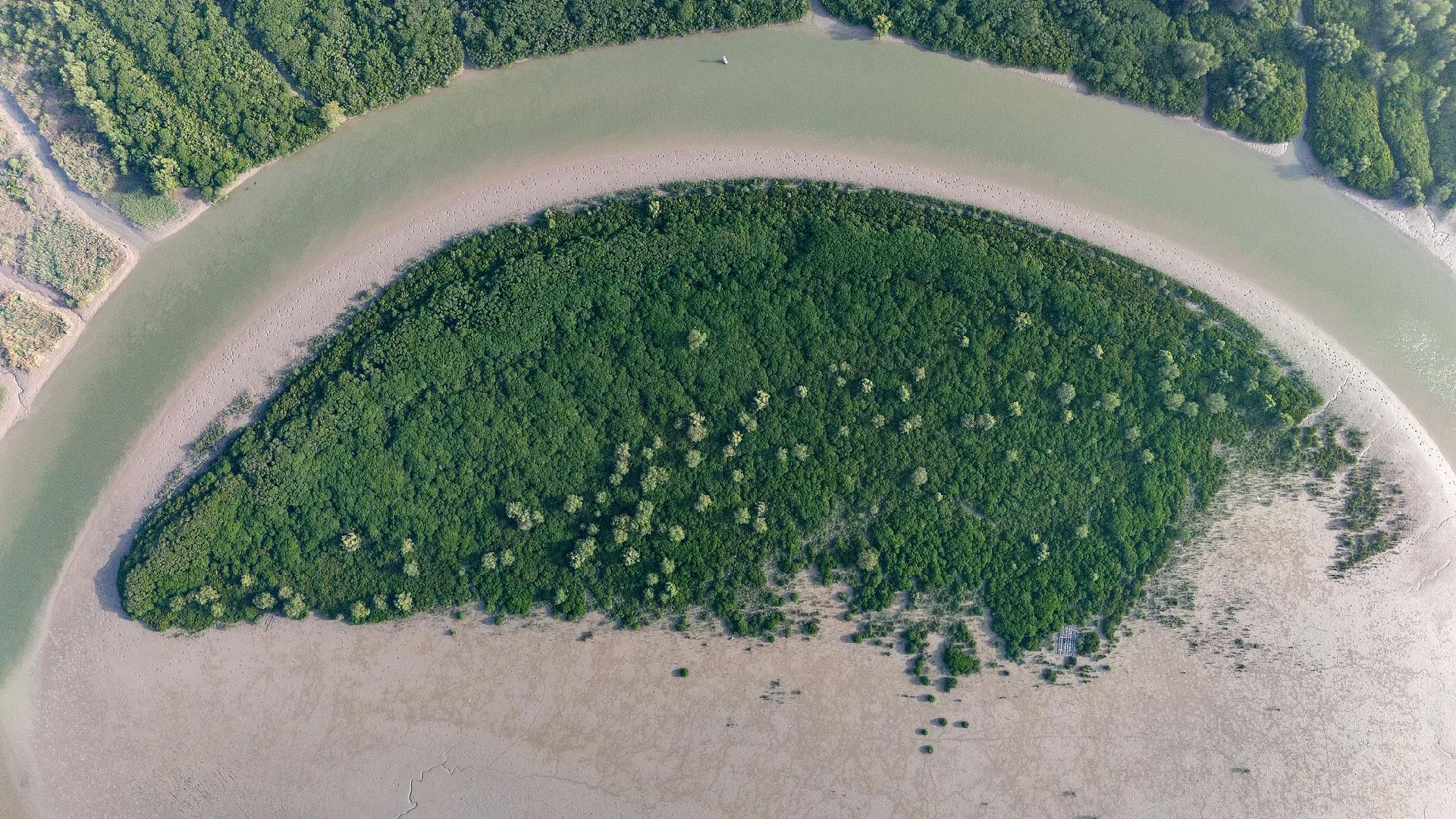
The Belt and Road Initiative: Driving Green Innovation and Sustainable Development
The world is increasingly focused on environmental sustainability and the urgent need for green development. As nations grapple with climate change and resource depletion, international cooperation becomes essential. The Belt and Road Initiative (BRI), a global development strategy adopted by the Chinese government involving infrastructure development and investments in 152 countries and international organizations, is emerging as a significant platform for fostering this green transformation. This analysis explores how the BRI is actively promoting green innovation, supporting sustainable development, and creating a more environmentally conscious future for participating nations, particularly in the Global South.
The Belt and Road Green Innovation Conference 2026, held in Hong Kong, highlighted the growing commitment to integrating ecological and environmental protection into global development efforts. This conference brought together officials, experts, and industry leaders to discuss concrete steps toward a greener future. The discussions underscored the importance of international collaboration in achieving sustainable development goals and advancing the green transition across various regions.
Understanding the Green Belt and Road Initiative
The Green Belt and Road Initiative is an extension of the broader Belt and Road Initiative, focusing specifically on environmental protection and sustainable development. It aims to build a “green Silk Road” by promoting eco-friendly infrastructure, clean energy, and sustainable resource management. This approach recognizes that economic development and environmental health are not mutually exclusive but are, in fact, deeply interconnected.
China’s commitment to green development is central to this initiative. Minister of Ecology and Environment Huang Runqiu emphasized China’s dedication to embedding green principles throughout its economic and social development. This commitment translates into practical cooperation with other countries, particularly in areas like low-carbon transitions and ecological conservation. The initiative leverages China’s strengths in industry and technology to meet the development needs of partner countries, thereby facilitating their green transitions.
The Green BRI is not just about environmental protection; it’s also about creating new economic opportunities. By investing in green technologies and infrastructure, participating countries can develop new industries, create jobs, and improve the quality of life for their citizens. This dual focus on economic growth and environmental stewardship makes the Green BRI an attractive model for many nations seeking to modernize their economies sustainably.
Hong Kong’s Role in Green Finance and Innovation
Hong Kong, as a major international financial center, is playing a pivotal role in advancing the Green Belt and Road Initiative. The city is well-positioned to offer professional services, including financing, project management, and risk management, for green infrastructure and sustainable development projects. This strategic location and robust financial ecosystem make it an ideal hub for channeling investments into green initiatives across the BRI participating countries.
The Belt and Road Green Innovation Conference 2026, hosted in Hong Kong, served as a crucial platform for dialogue and collaboration. The event gathered nearly 300 participants from over 20 countries, including officials, experts, and industry leaders. This diverse group shared insights and explored opportunities for fostering sustainable development and accelerating the green transformation of the Global South. The conference underscored Hong Kong’s commitment to supporting the Green BRI and its potential to drive innovation in green finance and technology.
Hong Kong’s expertise in areas such as green bonds, sustainable investment, and environmental consulting can significantly benefit BRI projects. By providing access to capital and specialized knowledge, Hong Kong can help overcome financial barriers and technical challenges that often hinder green development. This role is vital for ensuring that the Green BRI translates into tangible environmental and economic benefits for all involved.
Key Pillars of Green Innovation within the BRI
The Green Belt and Road Initiative is built upon several key pillars that drive innovation and promote sustainable practices across a wide range of sectors. These pillars represent a holistic approach to integrating environmental considerations into development projects.
1. Green Infrastructure Development
A core component of the Green BRI is the focus on developing infrastructure that minimizes environmental impact and promotes sustainability. This includes investing in renewable energy sources, such as solar, wind, and hydropower, to reduce reliance on fossil fuels. It also involves building energy-efficient transportation networks, including high-speed rail and electric vehicle charging infrastructure, to lower carbon emissions from the transport sector.
Furthermore, the initiative promotes the development of green buildings and sustainable urban planning. This involves designing cities and communities that are resource-efficient, resilient to climate change, and provide a high quality of life for residents. Water management systems that conserve water resources and protect ecosystems are also a priority. The goal is to ensure that infrastructure development contributes positively to the environment rather than detracting from it.
2. Clean Energy Transition
The transition to clean energy is a critical aspect of the Green BRI. Many participating countries are rich in renewable energy potential but lack the capital and technology to harness it effectively. The Green BRI aims to bridge this gap by facilitating investment in renewable energy projects and promoting the transfer of clean energy technologies. This includes supporting the development of smart grids that can efficiently integrate renewable energy sources and improve energy reliability.
Beyond electricity generation, the initiative also focuses on promoting energy efficiency in industries and households. This involves encouraging the adoption of energy-saving technologies, improving industrial processes, and raising public awareness about energy conservation. By reducing energy consumption and shifting towards cleaner sources, countries can significantly lower their greenhouse gas emissions and combat climate change.
3. Biodiversity Protection and Ecosystem Restoration
Recognizing the importance of biodiversity and healthy ecosystems, the Green BRI also incorporates measures for their protection and restoration. This involves conducting environmental impact assessments for all projects to identify and mitigate potential harm to natural habitats and wildlife. It also includes supporting conservation efforts, such as the establishment of protected areas, the reforestation of degraded lands, and the restoration of wetlands and marine ecosystems.
The initiative promotes the sustainable use of natural resources, including forests, water, and land. This means ensuring that resource extraction and utilization practices do not lead to environmental degradation or biodiversity loss. By integrating biodiversity conservation into development planning, the Green BRI aims to create a more balanced and sustainable relationship between human activities and the natural environment.
4. Green Finance and Investment
To support these ambitious goals, the Green BRI emphasizes the development of green finance mechanisms. This includes promoting the issuance of green bonds, which are financial instruments used to fund environmentally friendly projects. It also involves encouraging sustainable investment practices, where financial institutions consider environmental, social, and governance (ESG) factors in their investment decisions.
Hong Kong’s role as a financial hub is particularly important in this regard. The city can provide the necessary financial expertise and infrastructure to mobilize capital for green projects. By creating a favorable environment for green finance, the Green BRI can attract significant investment in sustainable development, making it more accessible and affordable for participating countries.
5. Technological Innovation and Knowledge Sharing
Technological innovation is a key driver of green development. The Green BRI fosters the exchange of green technologies and best practices among participating countries. This includes sharing knowledge in areas such as renewable energy, energy efficiency, waste management, and pollution control. Collaborative research and development projects can accelerate the development and adoption of new green technologies.
The initiative also supports capacity building programs to enhance the technical expertise of professionals in participating countries. This ensures that countries have the skilled workforce needed to implement and manage green projects effectively. By promoting knowledge sharing and technological advancement, the Green BRI aims to empower countries to pursue their own sustainable development pathways.
Environmental Impact Assessments and Risk Management
A crucial aspect of ensuring the sustainability of BRI projects is the rigorous application of environmental impact assessments (EIAs) and robust risk management strategies. These processes are designed to identify potential environmental hazards before projects commence, allowing for mitigation measures to be put in place.
The Importance of Environmental Impact Assessments (EIAs)
Environmental Impact Assessments are systematic processes used to predict the environmental consequences of a proposed project. For the Green BRI, EIAs are not merely a procedural step but a fundamental requirement. They involve evaluating the potential effects on air and water quality, soil, biodiversity, ecosystems, and local communities. The findings of an EIA inform project design, helping to avoid or minimize negative impacts.
For instance, a proposed infrastructure project, such as a new transportation corridor, would undergo an EIA to assess its potential impact on wildlife habitats, water sources, and noise pollution levels. Based on the assessment, project planners might reroute the corridor, implement wildlife crossings, or install noise barriers to lessen the environmental footprint. This proactive approach is central to the Green BRI’s commitment to sustainability.
Integrating Risk Management into Project Planning
Beyond identifying potential environmental issues, effective risk management is essential for the long-term success and sustainability of Green BRI projects. This involves anticipating and planning for a range of risks, including environmental, social, economic, and political factors. For environmental risks, this could include planning for extreme weather events exacerbated by climate change, such as floods or droughts, which could impact infrastructure resilience.
Financial risks associated with green investments are also carefully managed. This might involve developing innovative financing models, such as blended finance, which combines public and private capital to de-risk investments and attract more funding. Ensuring transparency and accountability in project execution is another key risk management strategy, building trust among stakeholders and preventing corruption or mismanagement that could undermine sustainability goals.
The application of these assessments and management strategies helps to ensure that BRI projects align with international environmental standards and contribute positively to the ecological health and economic well-being of the regions they serve.
Case Studies and Examples of Green BRI Projects
The Green Belt and Road Initiative is not just a concept; it is being translated into tangible projects across various countries. These examples illustrate the practical application of green principles in infrastructure development and sustainable resource management.
Renewable Energy Projects
Many BRI countries are prioritizing the development of renewable energy sources. For example, in Pakistan, China has supported the construction of the Karot Hydropower Project on the Jhelum River. This project provides clean, renewable energy, reducing reliance on fossil fuels and contributing to Pakistan’s energy security. Similarly, in Egypt, Chinese companies have been involved in developing solar power plants, harnessing the country’s abundant sunshine to generate electricity sustainably.
These projects not only provide clean energy but also create local employment opportunities and contribute to economic development. They demonstrate how the Green BRI can help developing nations leapfrog traditional, carbon-intensive development pathways and move directly towards a cleaner energy future.
Green Transportation Networks
The development of sustainable transportation is another key area of focus. In Indonesia, the Jakarta-Bandung High-Speed Railway, a flagship BRI project, is designed to be more energy-efficient than conventional rail or road transport. While the construction phase requires careful environmental management, the operational phase promises reduced travel times and lower carbon emissions per passenger.
In other regions, efforts are underway to promote electric mobility and improve public transportation systems. This includes investing in electric buses and charging infrastructure, as well as upgrading urban public transit networks to encourage a shift away from private vehicle use. These initiatives aim to reduce air pollution in urban centers and lower the overall carbon footprint of the transportation sector.
Sustainable Agriculture and Forestry
The Green BRI also extends to sectors like agriculture and forestry, where sustainable practices are crucial for environmental protection and food security. Projects may focus on promoting climate-smart agriculture techniques that reduce water usage, minimize pesticide application, and improve soil health. In forestry, efforts include reforestation programs, sustainable forest management, and the development of eco-tourism initiatives that provide economic incentives for forest conservation.
For instance, in some Southeast Asian countries, BRI-supported projects are helping to restore degraded forest lands and promote the sustainable harvesting of timber. These initiatives not only help to combat deforestation but also support local communities that depend on forest resources for their livelihoods.
Water Management and Environmental Protection
Effective water management is critical, especially in regions facing water scarcity. The Green BRI supports projects that improve water infrastructure, promote water conservation, and protect water resources from pollution. This can include building efficient irrigation systems, wastewater treatment plants, and initiatives to clean up polluted rivers and lakes.
In Central Asia, where water resources are a significant concern, BRI projects are exploring ways to improve water use efficiency in agriculture and industry. These efforts aim to ensure water security for both human needs and ecological health, fostering regional cooperation on water management.
These examples highlight the diverse applications of the Green BRI, showcasing its potential to drive positive environmental and economic change across a wide range of sectors and geographies.
Challenges and Opportunities in Green Development
While the Green Belt and Road Initiative presents significant opportunities for sustainable development, it also faces several challenges. Addressing these challenges is crucial for maximizing the initiative’s positive impact.
Navigating Environmental Standards and Regulations
One of the primary challenges is ensuring that all Green BRI projects adhere to high environmental standards and regulations. While China has made commitments to green development, the implementation and enforcement of these standards can vary across different countries and projects. Differences in national environmental laws, regulatory capacity, and oversight mechanisms can create complexities.
Ensuring that projects are subject to thorough environmental impact assessments and that mitigation measures are effectively implemented requires strong governance and transparency. International collaboration and the sharing of best practices can help to harmonize standards and improve oversight.
Financial Mobilization and Investment Risks
Mobilizing sufficient finance for green projects remains a significant hurdle. While green finance is growing, the scale of investment required for the Green BRI is immense. Attracting private sector investment often depends on perceived risks, including political instability, regulatory uncertainty, and the long-term viability of green technologies.
Innovative financing mechanisms, such as green bonds, public-private partnerships, and risk-sharing instruments, are essential for overcoming these financial challenges. Hong Kong’s role as a financial hub is vital in developing and promoting these mechanisms.
Technology Transfer and Capacity Building
The successful implementation of green technologies requires not only access to the technology itself but also the capacity to operate and maintain it. Many developing countries may lack the skilled workforce and technical expertise needed for advanced green technologies. Therefore, effective technology transfer and comprehensive capacity-building programs are essential components of the Green BRI.
This involves not just providing equipment but also offering training, technical support, and knowledge sharing to local professionals. Investing in education and vocational training programs can help build the necessary human capital for a green economy.
Balancing Development Needs with Environmental Protection
Perhaps the most fundamental challenge is balancing the urgent development needs of participating countries with the imperative of environmental protection. Many nations are striving to lift their populations out of poverty and improve living standards, which often requires significant investment in infrastructure and industry. Finding ways to achieve economic growth without compromising environmental integrity is a delicate balancing act.
The Green BRI aims to address this by promoting development models that are both economically viable and environmentally sustainable. This means prioritizing projects that offer long-term benefits, such as renewable energy and resource efficiency, over those with short-term gains but significant environmental costs.
Despite these challenges, the opportunities presented by the Green BRI are substantial. By fostering international cooperation, promoting innovation, and investing in sustainable practices, the initiative has the potential to drive significant progress towards a greener and more prosperous global future.
The Future of Green Innovation and the BRI
The Belt and Road Initiative’s commitment to green innovation is poised to shape the future of global development. As the world increasingly prioritizes sustainability, the principles and projects associated with the Green BRI will likely gain further momentum.
The ongoing evolution of green technologies, from advanced renewable energy solutions to circular economy models, will continue to influence the types of projects undertaken. Increased collaboration in research and development will foster innovation, leading to more efficient and cost-effective green solutions. Furthermore, the growing awareness of climate change impacts will likely drive greater demand for climate-resilient infrastructure and sustainable resource management practices.
The role of international financial centers like Hong Kong will remain critical in mobilizing the necessary capital and expertise for green investments. As green finance markets mature, they will provide more accessible and diverse funding options for sustainable projects worldwide.
Ultimately, the success of the Green Belt and Road Initiative will depend on sustained commitment from all participating nations, robust international cooperation, and a continuous drive for innovation. By embracing green development, the BRI has the potential to foster a more sustainable, equitable, and prosperous future for all.
Conclusion
The Belt and Road Initiative, through its Green BRI component, is actively steering global development towards a more sustainable and environmentally conscious path. By focusing on green infrastructure, clean energy, biodiversity protection, green finance, and technological innovation, the initiative is providing a framework for countries, particularly in the Global South, to pursue economic growth without compromising their ecological well-being. Hong Kong’s role as a financial hub is instrumental in facilitating these green investments. While challenges related to environmental standards, financing, and capacity building exist, the opportunities for positive change are immense. The Green BRI represents a forward-looking approach to development, demonstrating that economic progress and environmental stewardship can, and must, go hand in hand for a healthier planet and a more prosperous future.



Conversation
0 Comments