

Nepal’s Proactive Approach to Climate Change: Enhancing Flood Preparedness and Glacial Lake Safety
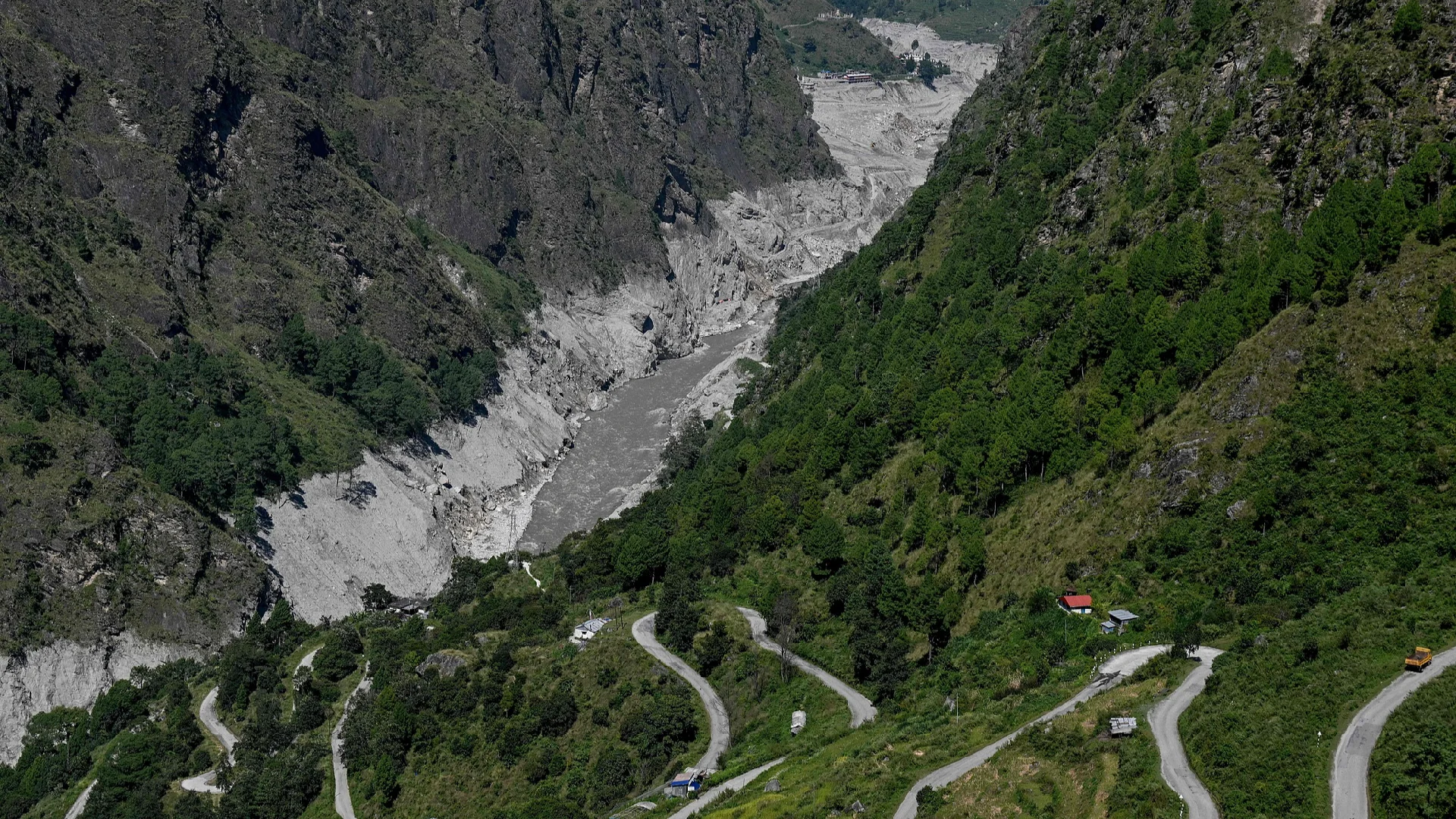
The Himalayan region, a critical water tower for Asia, faces increasing threats from climate change. Melting glaciers are leading to the formation of new glacial lakes and expanding existing ones, raising the risk of catastrophic Glacial Lake Outburst Floods (GLOFs). Simultaneously, changing weather patterns are intensifying monsoon seasons, bringing more frequent and severe flooding to downstream communities. In response to these growing dangers, Nepal is taking significant steps to bolster its disaster preparedness. The nation is implementing advanced flood early warning systems across its major river basins and initiating projects to reduce the risks associated with high-risk glacial lakes. These efforts are vital for protecting lives, livelihoods, and infrastructure in a country highly vulnerable to climate-induced disasters.
Understanding the Growing Threat of Glacial Lakes and Floods
Nepal’s geography, characterized by its towering mountains and extensive river systems, makes it particularly susceptible to climate change impacts. The rapid warming of the planet is causing glaciers in the Himalayas to melt at an accelerated rate. This melting process forms new lakes and causes existing glacial lakes to grow larger and potentially more unstable. These bodies of water, often dammed by moraines or ice, can fail suddenly, releasing massive amounts of water, ice, and debris in a devastating flood wave known as a Glacial Lake Outburst Flood (GLOF).
The consequences of a GLOF can be catastrophic. Such events can travel hundreds of kilometers downstream, destroying everything in their path, including villages, bridges, roads, and agricultural land. The human toll can be immense, with significant loss of life and widespread displacement. Beyond GLOFs, altered precipitation patterns are also contributing to more intense and unpredictable rainfall during the monsoon season. This leads to increased river flows, flash floods, and landslides, further exacerbating the disaster risk for communities living in and around river basins.
Recent events have underscored the urgency of these concerns. Devastating floods in August 2026, for instance, resulted in approximately 1,500 fatalities and left over 5,000 people missing. The economic impact was also substantial, with preliminary assessments indicating physical damage totaling $1.81 billion. These incidents highlight the immediate need for robust disaster management strategies that address both GLOF risks and conventional flood threats. Nepal’s government is recognizing that proactive measures are not just advisable but essential for the safety and resilience of its population and economy.
Nepal’s Strategic Initiatives for Flood Risk Management
To address the escalating threats of floods and GLOFs, Nepal is embarking on a multi-faceted strategy focused on enhancing early warning systems and directly managing the risks posed by glacial lakes. These initiatives are designed to provide timely information to communities and to mitigate the potential impact of catastrophic events.
Expanding Flood Early Warning Systems
A key component of Nepal’s disaster preparedness plan involves the expansion of flood early warning systems across its major river basins. The Center for Hydrology and Water Resources Research is leading the Priority River Basins Flood Risk Management Project. This project, scheduled to run from 2022 to 2028 with an investment of $7.54 million, aims to install advanced flood forecasting and early warning systems in six critical river basins.
These systems will provide round-the-clock monitoring and forecasting services, particularly during the monsoon season, which typically runs from mid-May to mid-October. By providing timely and accurate information about potential flood events, these systems will give communities valuable time to prepare, evacuate if necessary, and protect their assets. The goal is to move from a reactive approach to disaster management to a more proactive one, saving lives and reducing the economic damage caused by floods.
The implementation of these systems will likely involve a combination of hydrological monitoring stations, weather radar, satellite data, and advanced modeling techniques. The data collected will be analyzed to predict river levels and flow rates, allowing authorities to issue warnings at various stages, from potential flood watch to imminent danger. Effective communication of these warnings to the public through multiple channels, including mobile alerts, local radio, and community networks, will be crucial for their success.
Reducing Risks in High-Risk Glacial Lakes
In parallel with flood warning systems, Nepal is also directly addressing the dangers posed by unstable glacial lakes. The Glacial Lake Outburst Flood (GLOF) Sanjeevani Project is a significant undertaking aimed at lowering water levels in four particularly high-risk glacial lakes. These lakes have been identified as posing a substantial threat due to their size, location, and the stability of the natural dams holding back their waters.
The four lakes targeted by this project are Thulagi in Manang district, Lower Barun in Sankhuwasabha district, and Lumding Tsho and Hongu-2 in Solukhumbu district. The project is slated to run from 2026 to 2033, with an estimated budget of $49.9 million. The primary objective is to reduce the volume of water stored in these lakes, thereby decreasing the potential energy that could be released in an outburst event.
This initiative builds upon previous successful efforts by Nepal to manage GLOF risks. For example, water levels were previously lowered at Tsho Rolpa in Dolakha district and Imja Lake in Solukhumbu district. These past projects demonstrated the feasibility and effectiveness of engineering interventions to mitigate GLOF threats. The experience gained from these earlier efforts will inform the planning and execution of the GLOF Sanjeevani Project, ensuring that the interventions are both technically sound and environmentally responsible.
The methods used to lower glacial lake water levels can vary. They might include the construction of controlled spillways to gradually drain excess water, the excavation of channels to create new outlets, or the reinforcement of existing moraine dams to improve their stability. Each intervention requires careful study of the lake’s specific characteristics, the surrounding topography, and potential downstream impacts.
Modernizing Weather Forecasting with Advanced Technologies
Beyond specific flood and GLOF management projects, Nepal is also committed to improving its overall weather forecasting capabilities. Accurate and reliable weather forecasts are fundamental to effective disaster preparedness, providing the foundational data for flood predictions and early warnings. The Department of Hydrology and Meteorology is prioritizing the integration of cutting-edge technologies to achieve this goal.
The department plans to focus on artificial intelligence (AI), machine learning (ML), and high-performance computing systems. These advanced technologies offer the potential to significantly enhance the accuracy, speed, and reliability of weather forecasts. AI and ML algorithms can analyze vast amounts of historical and real-time weather data from various sources, including satellites, ground stations, and weather balloons, to identify complex patterns and make more precise predictions.
High-performance computing is essential for running sophisticated weather models that can simulate atmospheric conditions with greater detail and resolution. By processing complex calculations rapidly, these systems can generate forecasts for a wider range of parameters and over longer time horizons. This improved forecasting capability will not only benefit disaster management but also support sectors such as agriculture, aviation, and water resource management.
The modernization of weather forecasting is a long-term endeavor that requires sustained investment in technology, infrastructure, and human expertise. Training meteorologists and technicians to effectively utilize these new tools and interpret their outputs will be a critical aspect of this modernization process. By embracing these advancements, Nepal aims to build a more resilient nation, better equipped to anticipate and respond to the challenges posed by a changing climate.
International Cooperation and Support
Addressing the complex challenges of climate change and disaster risk in the Himalayas often requires collaboration beyond national borders. Nepal’s efforts to enhance flood early warning systems and manage glacial lake risks are likely to benefit from, and contribute to, regional and international partnerships.
Many international organizations, research institutions, and donor countries are actively involved in supporting climate adaptation and disaster risk reduction initiatives in the Himalayan region. These partnerships can provide crucial financial assistance, technical expertise, and access to advanced technologies that may be beyond the capacity of a single nation to acquire or develop independently.
For instance, projects focused on GLOF risk reduction often involve collaboration with countries that have experience in glacier monitoring and hydrological engineering. Similarly, the development of sophisticated early warning systems can draw upon expertise from meteorological agencies and technology providers worldwide. Sharing data, best practices, and research findings among countries in the region can also lead to more effective and coordinated responses to transboundary climate risks.
The success of Nepal’s current initiatives, such as the GLOF Sanjeevani Project and the Priority River Basins Flood Risk Management Project, will depend not only on internal planning and execution but also on the continued support and collaboration of the international community. By working together, nations can build a more robust defense against the impacts of climate change in this vulnerable and vital part of the world.
The Importance of Community Engagement and Preparedness
While technological advancements and infrastructure development are critical, the effectiveness of any disaster preparedness strategy ultimately relies on the active participation and readiness of the communities themselves. Early warning systems and risk reduction measures can only be successful if the people they are designed to protect understand the risks, receive the warnings, and know how to respond appropriately.
Community engagement is therefore a vital component of Nepal’s disaster management efforts. This involves educating local populations about the specific hazards they face, such as floods and GLOFs, and the signs that might indicate an impending event. It also includes developing and practicing evacuation plans, establishing local emergency response teams, and ensuring that vulnerable groups, such as the elderly, children, and people with disabilities, are adequately considered in all preparedness measures.
Local knowledge and traditional practices can also play a significant role in disaster preparedness. Many communities living in flood-prone areas have developed their own ways of monitoring weather patterns, understanding river behavior, and signaling danger. Integrating this local wisdom with modern scientific approaches can create more effective and culturally appropriate disaster management strategies.
Furthermore, building resilience involves more than just preparing for immediate threats. It also encompasses efforts to reduce underlying vulnerabilities. This can include promoting sustainable land-use practices to prevent landslides, supporting climate-resilient agriculture, and developing diversified livelihoods that are less dependent on climate-sensitive sectors. By empowering communities and addressing the root causes of vulnerability, Nepal can build a more sustainable and secure future for its citizens in the face of climate change.
Conclusion
Nepal’s commitment to expanding flood early warning systems and implementing risk reduction measures for glacial lakes represents a crucial and forward-thinking response to the escalating challenges posed by climate change. The nation’s proactive stance, underscored by recent investments in advanced technologies and strategic projects, demonstrates a clear understanding of the threats facing the Himalayan region. By enhancing its capacity to forecast floods and mitigate the dangers of GLOFs, Nepal is not only safeguarding its own population and infrastructure but also contributing to broader regional resilience. The integration of modern scientific approaches with community-level preparedness and international cooperation will be key to navigating the complexities of a changing climate and ensuring a safer future for all.



Conversation
0 Comments