

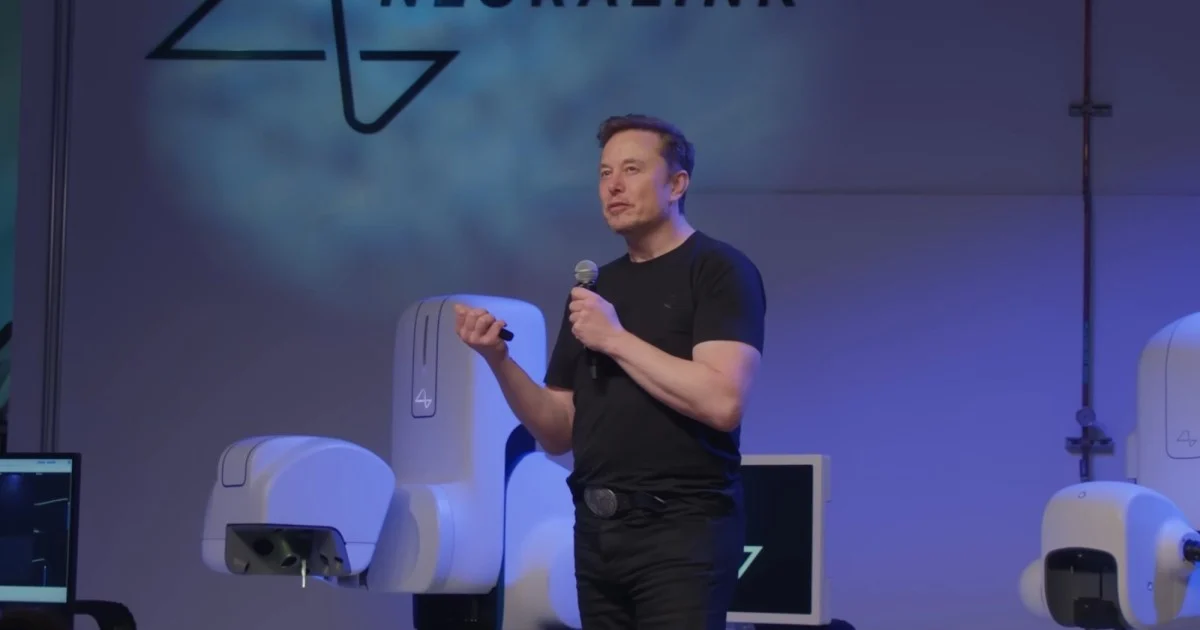
Neuralink’s Vision: Advancing Brain-Computer Interfaces for Human Restoration
Elon Musk, the visionary behind companies like Tesla and SpaceX, has also set his sights on revolutionizing medicine with Neuralink. This ambitious venture is developing brain implants designed not just for enhanced human capabilities, but more importantly, to restore lost functions for individuals facing severe physical challenges. Neuralink’s work centers on creating sophisticated brain-computer interfaces (BCIs) that can translate neural signals into actionable commands, offering hope for those with paralysis, blindness, and other neurological conditions. The company’s dual-pronged approach, focusing on implants like Telepathy and Blindsight, aims to bridge the gap between intention and action, and between darkness and sight.
The core of Neuralink’s mission lies in its innovative brain implants. These devices are engineered to interact directly with the brain, reading and interpreting electrical signals. This intricate process allows for the development of technologies that can bypass damaged pathways in the body, effectively reconnecting the brain’s commands to the outside world or sensory organs. The potential applications are vast, ranging from controlling computers and robotic limbs to potentially restoring sight. As Neuralink progresses through clinical trials and seeks regulatory approval, its advancements could mark a significant turning point in assistive technology and neuro-rehabilitation.
Telepathy: Restoring Movement and Control
Neuralink’s Telepathy implant is designed to empower individuals with severe paralysis by enabling them to control external devices using their thoughts. This groundbreaking technology translates brain signals into commands that can operate computers, allowing users to navigate interfaces, write code, create digital art, and play games. The potential for Telepathy extends beyond simple cursor control; the company is actively exploring its use in controlling robotic arms, offering a pathway to greater independence and interaction with the physical world.
Elon Musk has expressed optimism that Telepathy could eventually transmit information faster than traditional methods like speech or typing. This could dramatically improve communication and productivity for those with limited mobility. Furthermore, Musk has spoken about future advancements that could help individuals regain control of their limbs. Spinal cord injuries, for instance, can sever the connection between the brain’s motor signals and the body’s movement. Neuralink aims to address this by developing BCIs that can reroute these signals from the brain’s motor and sensory areas directly to the limbs. This could potentially bypass damaged neural pathways, allowing people to walk or use their hands again. While restoring natural movement remains a long-term goal, the initial capabilities of Telepathy offer immediate benefits for those affected by paralysis.
The development of Telepathy involves meticulous research and engineering to ensure the safe and effective interpretation of neural data. The implant’s ability to decode complex brain signals and translate them into precise commands is a testament to the advancements in neuroscience and artificial intelligence. As clinical trials progress, the focus remains on refining the technology to provide seamless and intuitive control, ultimately enhancing the quality of life for users. The journey from intention to action is being redefined, offering a new paradigm for human-computer interaction and physical restoration.
Blindsight: A New Dawn for Vision Restoration
Complementing Telepathy, Neuralink’s Blindsight implant targets individuals suffering from severe vision loss, including those who have been blind since birth. This innovative device aims to restore sight by creating a direct link between external visual input and the brain’s visual cortex. Blindsight works by using a camera to capture images of the surrounding environment. This visual information is then processed and transmitted directly to the brain, bypassing the damaged eyes or optic nerves that prevent natural vision.
Elon Musk has stated that the Blindsight technology is ready from an engineering perspective and is awaiting regulatory approval. The U.S. Food and Drug Administration (FDA) has recognized the potential of this technology by granting it Breakthrough Device Designation. This designation is a significant step, as it can expedite the development and review process for innovative medical devices. While this designation does not equate to final approval, it signals the FDA’s interest in facilitating the advancement of such potentially life-changing technologies. Human clinical trials for Blindsight are currently being prepared, marking the next crucial phase in its development.
The implications of Blindsight are profound. For individuals who have never experienced sight, this technology offers the possibility of perceiving the world visually for the first time. For those who have lost their vision, it presents an opportunity to regain a fundamental sense that profoundly impacts daily life and independence. The success of Blindsight would represent a monumental achievement in the field of neuro-optics and a testament to Neuralink’s commitment to addressing significant unmet medical needs. The engineering behind Blindsight involves sophisticated algorithms to translate visual data into neural patterns that the brain can interpret as sight, a complex challenge that Neuralink appears to be on the cusp of solving.
The Broader Implications of Neuralink’s Technology
Neuralink’s work extends beyond the immediate applications of Telepathy and Blindsight. The company’s overarching goal is to create a symbiotic relationship between humans and artificial intelligence, and its brain implant technology is a foundational element of this vision. By enabling direct neural communication, Neuralink aims to augment human cognitive abilities and create new avenues for interaction with technology. This could lead to advancements in fields ranging from education and communication to creative expression and problem-solving.
The development of advanced BCIs also has significant implications for understanding the human brain itself. As Neuralink gathers more data from its implants, researchers will gain unprecedented insights into neural activity, brain function, and the mechanisms underlying various neurological conditions. This deeper understanding could pave the way for new diagnostic tools, therapeutic interventions, and a more comprehensive understanding of consciousness and cognition. The ethical considerations surrounding such powerful technology are also paramount, and Neuralink, like any organization in this field, must navigate these complex issues with care and transparency.
Furthermore, the potential for Neuralink’s technology to restore lost functions is a powerful motivator. The ability to help people regain mobility, communication, or sensory perception addresses some of the most profound challenges faced by individuals with disabilities. This focus on restoration and rehabilitation distinguishes Neuralink’s efforts from purely enhancement-driven BCI research, highlighting a commitment to improving human well-being. The journey is long and complex, involving rigorous scientific research, extensive clinical testing, and careful consideration of societal impact.
Challenges and the Road Ahead
Despite the immense promise of Neuralink’s technology, significant challenges remain. The successful implantation of brain devices requires advanced surgical techniques and a deep understanding of neurosurgery. Ensuring the long-term safety and biocompatibility of the implants is also critical, as is developing robust methods for data security and privacy. The brain is an incredibly complex organ, and accurately interpreting its signals while minimizing any potential harm is a delicate balancing act.
Regulatory approval processes for medical devices, especially those as novel as brain implants, are inherently rigorous. Neuralink must demonstrate the safety and efficacy of its Telepathy and Blindsight systems through extensive clinical trials. This process can be time-consuming and requires substantial evidence to satisfy health authorities like the FDA. The ethical landscape surrounding brain-computer interfaces is also evolving, with ongoing discussions about consent, autonomy, and the potential for misuse of such powerful technology.
Moreover, the cost and accessibility of these advanced medical technologies will be a crucial factor in their widespread adoption. Neuralink’s ultimate goal is to make its technology available to those who need it most, but the initial development and manufacturing costs are likely to be high. Ensuring that these life-changing devices can reach a broad population will require careful planning and potentially partnerships with healthcare providers and insurance companies. The ongoing research and development at Neuralink represent a frontier in medical technology, pushing the boundaries of what is possible in restoring and enhancing human capabilities.
The Future of Human-Machine Integration
Neuralink’s work is at the forefront of a rapidly advancing field that seeks to integrate human biology with technology. The development of sophisticated brain-computer interfaces like Telepathy and Blindsight is not just about creating new gadgets; it’s about fundamentally rethinking how we can overcome physical limitations and enhance human potential. As these technologies mature, they hold the promise of transforming healthcare, assistive technologies, and our very understanding of what it means to be human in an increasingly digital world.
The vision articulated by Elon Musk and pursued by Neuralink is one where technology serves to empower individuals, restore lost functions, and potentially unlock new levels of human capability. While the path forward is filled with scientific, engineering, and ethical challenges, the potential rewards are immense. The ongoing progress in brain-computer interface technology, exemplified by Neuralink’s efforts, signals a future where the lines between human and machine may become increasingly blurred, leading to unprecedented advancements in human health and well-being. The company’s dedication to tackling some of the most challenging medical conditions through technological innovation positions it as a key player in the future of neurotechnology.
Conclusion
Neuralink’s ambitious projects, Telepathy and Blindsight, represent a significant leap forward in the field of brain-computer interfaces. By focusing on restoring lost functions for individuals with paralysis and blindness, Neuralink is not only pushing the boundaries of technological innovation but also addressing critical unmet medical needs. The potential for Telepathy to enable thought-controlled device operation and even limb movement, alongside Blindsight’s promise of restoring sight, offers profound hope for millions worldwide. While challenges related to surgical precision, long-term safety, regulatory approval, and ethical considerations persist, the progress made by Neuralink underscores a future where advanced technology can profoundly improve human lives and restore lost capabilities. The journey towards seamless human-machine integration is complex, but Neuralink’s dedication to this vision is paving the way for a future where technological advancements directly translate into enhanced human health and restored independence.

Conversation
0 Comments