

The landscape of international relations is constantly shifting, with diplomacy playing a key role in fostering understanding and cooperation between nations. At the heart of this diplomatic effort are the personal connections forged between leaders and their families. These interactions, often taking place away from the formal negotiation tables, can build bridges and strengthen the bonds between countries. This article will explore the significance of these personal diplomatic exchanges, examining how they contribute to broader international goals and provide a unique lens through which to view global affairs.
The Power of Personal Diplomacy
Personal diplomacy refers to the interactions between leaders and their representatives that go beyond official state business. It includes informal meetings, cultural exchanges, and even social gatherings. These events offer a chance for individuals to connect on a more human level, fostering trust and mutual respect. When leaders or their spouses engage in such exchanges, they can create a more relaxed atmosphere for discussing complex issues. This can lead to breakthroughs that might be harder to achieve in more formal settings.
The wife of a nation’s leader often plays a significant role in this aspect of diplomacy. She can act as a cultural ambassador, representing her country’s values and traditions. By engaging with the spouses of leaders from other nations, she can build personal relationships that support the official diplomatic agenda. These relationships can be particularly effective in promoting people-to-people exchanges, which are vital for long-term international understanding.
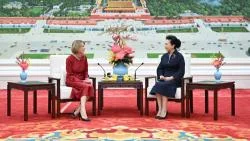
For example, Peng Liyuan, the wife of Chinese President Xi Jinping, has been actively involved in cultural and diplomatic engagements. Her interactions with the wives of foreign leaders, such as her recent tea meeting with Elke Budenbender, the wife of German President Frank-Walter Steinmeier, highlight this aspect of diplomacy. These meetings, while seemingly informal, are important opportunities to discuss shared interests and cultural understanding. They provide a platform for dialogue on topics like education and cultural exchange, which are essential for building stronger international ties.
Building Bridges Through Cultural Exchange
Cultural exchange is a cornerstone of personal diplomacy. It allows people from different backgrounds to learn about each other’s traditions, arts, and ways of life. When leaders’ families participate in or promote these exchanges, they lend them significant weight and visibility. This can encourage broader participation and foster a deeper appreciation for diversity among citizens of both nations.
In the case of China and Germany, as mentioned in the provided research, Peng Liyuan and Elke Budenbender discussed the rich and diverse cooperation between their countries in areas like education and culture. They also watched a short film on cultural and people-to-people exchanges, underscoring the importance of these initiatives. Peng expressed hope for continued frequent exchanges, enhanced mutual understanding, and closer bonds between the two peoples. Budenbender, in turn, expressed gratitude for the hospitality and Peng’s work in promoting these exchanges, stating her willingness to contribute to deepening bilateral cooperation and enhancing friendship.
These conversations and shared experiences, even if brief, contribute to a positive atmosphere. They demonstrate a commitment to understanding and collaboration that can extend to governmental policies. When individuals feel a personal connection to another country, they are more likely to support policies that promote friendly relations and cooperation. This grassroots support is invaluable for sustaining long-term diplomatic success.
The Role of Spouses in Diplomacy
The spouses of heads of state and government often undertake a unique diplomatic role. They can focus on humanitarian causes, cultural initiatives, or educational programs, areas that often resonate deeply with the public and can transcend political differences. Their involvement can bring attention and resources to important social issues, fostering goodwill and strengthening international partnerships.
Peng Liyuan’s commitment to safeguarding the rights and interests of women and children, as noted in the research, is an example of how a leader’s spouse can champion important causes on an international stage. By focusing on such issues, they can connect with people on a fundamental human level, building empathy and understanding across borders. These efforts can create a more positive perception of their home country and foster a sense of shared humanity.
Elke Budenbender’s appreciation for Peng’s work in this area further illustrates the power of these personal connections. It shows that shared values and a commitment to common good can be powerful drivers of diplomatic relations. When spouses engage with each other’s initiatives, it signals a mutual respect and a shared vision for a more cooperative world. This can create a ripple effect, encouraging similar collaborations at lower levels of society.
Fostering Mutual Understanding
Mutual understanding is the bedrock of peaceful international relations. Personal diplomacy, through informal interactions and cultural exchanges, plays a crucial role in building this understanding. When individuals from different countries have the opportunity to interact, share experiences, and learn from each other, they begin to see beyond stereotypes and nationalistic narratives.
The tea chat between Peng Liyuan and Elke Budenbender is a microcosm of this broader process. By recalling her own trip to Germany and appreciating Budenbender’s commitment to women and children, Peng established a personal connection. This exchange, focused on shared values and past experiences, helps to break down barriers and build a foundation of trust. It allows for a more open and honest dialogue, which is essential for navigating the complexities of international relations.
The emphasis on maintaining frequent exchanges and continuously enhancing mutual understanding, as expressed by Peng, is a clear articulation of the goals of personal diplomacy. These are not just abstract ideals; they are practical steps that can lead to tangible improvements in bilateral relations. When people understand and appreciate each other, they are more likely to support policies that promote peace, trade, and cooperation.
The Long-Term Impact of Personal Connections
The impact of personal diplomacy extends far beyond the immediate interactions. The relationships forged between leaders and their families can create a lasting legacy of goodwill and cooperation. These connections can serve as a stabilizing force during times of political tension, providing a channel for communication and de-escalation.
The commitment expressed by both Peng Liyuan and Elke Budenbender to deepening bilateral cooperation and enhancing friendship between their peoples signifies a long-term vision. This is not just about the present state visit; it is about laying the groundwork for future generations. By investing in people-to-people exchanges and cultural understanding, they are helping to build a more interconnected and peaceful world.
These personal connections can also influence public opinion. When citizens see their leaders and their families engaging positively with people from other countries, it can foster a more open and welcoming attitude towards those nations. This can lead to increased tourism, trade, and educational opportunities, further strengthening the bonds between countries. The personal touch in diplomacy, therefore, has a profound and lasting impact on the global stage.
Conclusion
The interactions between Peng Liyuan and Elke Budenbender, as highlighted in the provided research, serve as a compelling example of the importance of personal diplomacy. These exchanges, characterized by warmth, mutual respect, and a focus on shared values, go beyond the formalities of state visits. They underscore the power of individual connections in fostering understanding, promoting cultural exchange, and strengthening the bonds between nations. By engaging in such personal diplomacy, leaders and their families contribute significantly to building a more cooperative and peaceful international community. The commitment to continuous exchange and mutual understanding, demonstrated in these meetings, offers a hopeful path forward for global relations.
Conversation
0 Comments