

The relationship between China and Germany is a cornerstone of international diplomacy and economic exchange. As two of the world’s largest economies, their interactions have a significant impact not only on their own development but also on the broader European and global economic landscapes. This partnership, characterized by an all-round strategic approach, is constantly evolving, seeking new avenues for cooperation while navigating complex global challenges. Understanding the dynamics of this relationship, its historical context, and its future potential is key to grasping the broader trends in international trade, diplomacy, and global governance.
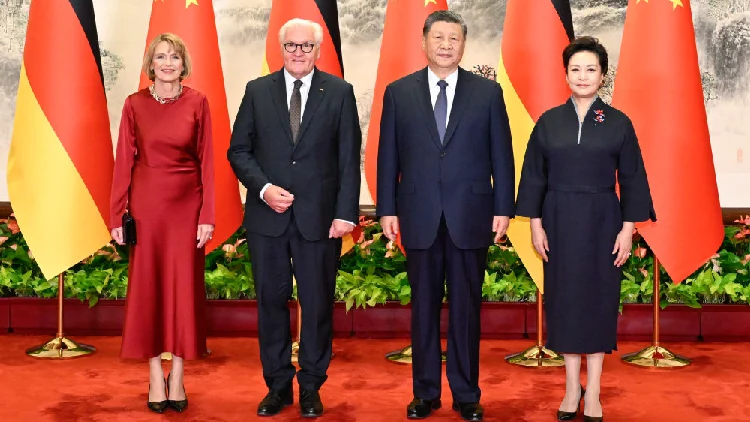
The recent high-level discussions between Chinese President Xi Jinping and German President Frank-Walter Steinmeier underscore the importance both nations place on their bilateral ties. These meetings serve as vital platforms for aligning perspectives, addressing mutual concerns, and charting a course for future collaboration. The emphasis on opening a “new chapter” in their strategic partnership signals a commitment to deepening engagement across various sectors, from advanced manufacturing and green technology to the digital economy and cultural exchange. This forward-looking approach aims to foster a more stable and prosperous global environment, built on principles of mutual respect, openness, and cooperation.
This analysis will explore the multifaceted nature of the China-Germany relationship, examining its historical trajectory, current state, and future prospects. We will delve into the economic ties that bind these two nations, the strategic importance of their partnership in the context of global governance, and the specific areas where collaboration is poised to grow. By understanding these elements, we can gain a clearer picture of how this crucial relationship contributes to both national interests and the collective well-being of the international community.
Historical Context and Evolution of the Partnership
The relationship between China and Germany has a long and complex history, marked by periods of both cooperation and divergence. From early trade relations in the 19th century to the establishment of diplomatic ties after World War II, the two nations have consistently found common ground, particularly in economic matters. Germany, with its strong industrial base and export-oriented economy, saw China as a significant market for its high-quality manufactured goods and a crucial partner in global supply chains. China, in turn, benefited from German technology, investment, and expertise as it embarked on its path of economic reform and opening up.
The establishment of an “all-round strategic partnership” in 2011 marked a significant milestone, elevating the relationship beyond purely economic considerations to encompass broader political, social, and cultural dimensions. This designation reflected a mutual recognition of each other’s growing global influence and the shared responsibility to address international challenges. The partnership framework has provided a structured approach for dialogue and cooperation, enabling both countries to manage differences and build consensus on a wide range of issues.
Over the years, this partnership has weathered various global and domestic shifts. Germany’s role as a leading economy within the European Union has made its relationship with China particularly significant for the EU-China dynamic. China’s rapid economic ascent and increasing assertiveness on the global stage have also reshaped the partnership, leading to more nuanced discussions about trade imbalances, intellectual property rights, and market access. Despite these complexities, the core of the relationship has remained robust, driven by shared interests in global stability, free trade, and multilateralism.
The recent high-level talks between President Xi Jinping and President Frank-Walter Steinmeier highlight the enduring importance of this partnership. President Xi’s remarks about opening a “new chapter” suggest a proactive effort to adapt the relationship to contemporary challenges and opportunities. This includes a focus on new areas of cooperation, such as artificial intelligence, green development, and the digital economy, reflecting a shared vision for future growth and innovation. The emphasis on “openness over isolation and cooperation over confrontation” signals a commitment to a constructive and forward-looking engagement, aiming to send positive signals to the international community.
President Steinmeier’s visit and his observations on China’s development further underscore the mutual respect and recognition within the partnership. His acknowledgment of China’s significant political, economic, and technological strength, coupled with Germany’s admiration for China’s development achievements, reinforces the foundation of mutual understanding. The reaffirmation of Germany’s adherence to the one-China policy and its confidence in bilateral prospects provide a stable backdrop for continued engagement.
The historical trajectory of the China-Germany relationship demonstrates a consistent ability to adapt and evolve. From initial economic ties to a comprehensive strategic partnership, the relationship has matured, reflecting the changing global landscape and the increasing interdependence of nations. The ongoing dialogue and commitment to cooperation, even amidst global uncertainties, suggest that this partnership will continue to play a vital role in shaping international relations.
Economic Interdependence and Cooperation
The economic ties between China and Germany form the bedrock of their strategic partnership. As the world’s second and third-largest economies, their trade and investment flows are substantial, creating a deeply intertwined economic relationship that benefits both nations. Germany, renowned for its advanced manufacturing, engineering prowess, and high-quality products, finds in China a vast and dynamic market for its goods and services. Conversely, China’s rapidly growing economy and its position as a global manufacturing hub offer significant opportunities for German businesses seeking to expand their reach and tap into new consumer bases.
Trade volume between China and Germany has consistently grown over the years, making China Germany’s largest trading partner. German exports to China range from automobiles, machinery, and chemical products to pharmaceuticals and high-tech equipment. These exports are critical for the German economy, supporting jobs and driving innovation. On the other side, Germany imports a wide array of goods from China, including electronics, textiles, and consumer products, which contribute to the affordability and variety of goods available to German consumers. This robust trade relationship is a testament to the complementary nature of their economies.
Investment is another crucial pillar of their economic interdependence. German companies have a significant presence in China, with many establishing manufacturing facilities, research and development centers, and sales networks. These investments not only contribute to China’s economic development and job creation but also allow German firms to be closer to their customers and adapt to local market demands. Similarly, Chinese investment in Germany, though historically smaller, has been steadily increasing, covering sectors such as automotive, technology, and renewable energy. These investments can bring capital, create jobs, and foster technological exchange.
However, the economic relationship is not without its challenges. Issues such as trade imbalances, market access for foreign companies, intellectual property protection, and fair competition are frequently discussed. President Xi Jinping’s call for a “fair, transparent and non-discriminatory business environment for Chinese enterprises operating in Germany” reflects China’s desire for reciprocal treatment. Germany, in turn, has expressed concerns about market distortions and the need for a level playing field for its businesses in China. Addressing these concerns through open dialogue and mutual understanding is essential for the sustained health of the economic partnership.
The recent discussions between the two presidents highlighted specific areas for future economic cooperation. China’s advancement through “high-quality development” aligns well with Germany’s strengths in advanced manufacturing and innovation. This creates fertile ground for collaboration in sectors like artificial intelligence, green and low-carbon development, trade in services, and the digital economy. These emerging fields represent the future of global economic growth, and joint efforts in these areas could enhance the competitiveness of both nations and contribute to sustainable development worldwide.
Furthermore, the emphasis on welcoming German enterprises to deepen their presence in China and share in the benefits of its “supersized market” signals China’s commitment to continued openness. This invitation is crucial for maintaining the confidence of German businesses and fostering a positive investment climate. The prospect of jointly enhancing future competitiveness through cooperation in these advanced sectors underscores the strategic importance of their economic relationship beyond mere trade figures.
The economic interdependence between China and Germany is a powerful engine for growth and stability. While challenges exist, the shared commitment to dialogue and cooperation, particularly in emerging high-growth sectors, suggests a promising future for their economic partnership. This collaboration is not only vital for their own prosperity but also contributes significantly to the stability and growth of the global economy.
Strategic Importance and Global Governance
The strategic importance of the China-Germany relationship extends far beyond their bilateral economic ties, significantly influencing the broader landscape of global governance and international relations. As major global players, their coordinated approach on international issues can shape global norms, promote stability, and foster a more equitable world order. The concept of an “all-round strategic partnership” inherently implies a shared responsibility to address global challenges and contribute to the functioning of international institutions.
China and Germany, as the world’s second and third-largest economies, respectively, hold considerable sway in international economic forums. Their ability to align on trade policies, financial regulations, and development initiatives can have a profound impact on global economic stability and growth. President Xi Jinping’s call for jointly advancing an “equal and orderly multipolar world and universally beneficial and inclusive economic globalization” reflects a shared vision for a reformed global economic system. This vision emphasizes fairness, inclusivity, and a move away from protectionism and trade wars, which can destabilize the global economy.
Germany, as a key member of the European Union, plays a pivotal role in shaping EU-China relations. President Xi’s statement that “China has always viewed the EU as a partner and is committed to developing China-EU relations with sincerity and goodwill” underscores the importance of this triangular dynamic. The assertion that “cooperation outweighs competition and consensus outweighs differences” between China and the EU, as long as both sides maintain their partnership positioning and dialogue, offers a pathway for managing potential friction and fostering constructive engagement. This perspective is crucial for ensuring that the EU-China relationship remains a force for global stability rather than division.
The commitment to upholding the purposes and principles of the UN Charter and the authority of international law, as expressed by President Steinmeier, aligns with a shared interest in a rules-based international order. In a world facing increasing geopolitical tensions and challenges to multilateralism, the cooperation between China and Germany in supporting international law and institutions like the United Nations is vital. Their joint stance against protectionism and trade wars further reinforces their commitment to a stable and predictable global trading system, benefiting all nations.
Furthermore, the discussions touched upon the role of China and Germany in safeguarding world peace and development. This shared responsibility implies a willingness to engage in diplomatic solutions to conflicts, contribute to humanitarian efforts, and support sustainable development initiatives globally. Their combined influence can be instrumental in addressing pressing global issues such as climate change, poverty, and public health crises.
The exchange of governance experience, as mentioned by President Xi regarding the Communist Party of China (CPC) and its willingness to engage with major political parties globally, including those in Germany, points to a broader dimension of strategic interaction. This exchange can foster mutual understanding of different political systems and governance models, contributing to more informed and effective international cooperation.
In essence, the China-Germany strategic partnership serves as a critical anchor in a complex and often volatile international environment. Their ability to find common ground, manage differences through dialogue, and collaborate on global issues contributes to a more stable, just, and equitable world order. The emphasis on cooperation, mutual respect, and a shared vision for global governance underscores the enduring significance of this relationship.
Areas of Future Cooperation and Innovation
The future of the China-Germany strategic partnership is poised for significant growth, particularly in areas driven by innovation and sustainable development. Both nations recognize the transformative potential of emerging technologies and the imperative to address global environmental challenges. Their complementary strengths and shared commitment to progress create a fertile ground for collaboration that can yield mutual benefits and contribute to global solutions.
One of the most promising areas for future cooperation is artificial intelligence (AI). As both countries invest heavily in AI research and development, collaboration can accelerate innovation, establish ethical guidelines, and foster responsible deployment of AI technologies. Joint projects in areas like AI-driven healthcare, smart manufacturing, and intelligent transportation systems could lead to breakthroughs that improve quality of life and economic efficiency. This collaboration could also involve sharing best practices in AI governance, ensuring that the development of AI aligns with societal values and human well-being.
Green and low-carbon development represents another critical frontier for cooperation. With the global imperative to combat climate change, China and Germany are both committed to transitioning to more sustainable energy sources and reducing their carbon footprints. Germany’s expertise in renewable energy technologies, energy efficiency, and circular economy principles, combined with China’s vast manufacturing capacity and its ambitious climate goals, creates a powerful synergy. Joint ventures in areas such as solar and wind power, electric vehicle technology, green hydrogen, and sustainable urban planning can drive innovation and create new economic opportunities while contributing to global climate action. This cooperation can also extend to developing and implementing international standards for green technologies and sustainable practices.
The digital economy offers a broad spectrum of opportunities for collaboration. As digital transformation accelerates worldwide, China and Germany can work together on developing secure and innovative digital infrastructure, promoting digital trade, and establishing common frameworks for data governance and cybersecurity. Cooperation in areas like 5G technology, cloud computing, e-commerce, and the Internet of Things (IoT) can foster economic growth and enhance digital connectivity. Ensuring that this digital cooperation is built on principles of openness, fairness, and security will be paramount.
Trade in services is an increasingly important component of the global economy, and both China and Germany have significant interests in this sector. Collaboration can focus on areas such as financial services, logistics, tourism, and professional services. By facilitating greater exchange and cooperation in services, both countries can unlock new avenues for economic growth and create more integrated global value chains. This could involve harmonizing regulations, promoting mutual recognition of professional qualifications, and fostering innovation in service delivery models.
Beyond these specific sectors, there is a strong emphasis on cultural, educational, and artistic exchanges, as well as facilitating personnel exchanges. These initiatives are crucial for building deeper people-to-people connections, fostering mutual understanding, and creating a favorable atmosphere for celebrating bilateral ties. Educational partnerships, student and scholar exchanges, joint research programs, and cultural festivals can strengthen the human dimension of the relationship, building trust and goodwill that underpins broader cooperation. Celebrating the 55th anniversary of bilateral ties next year provides a timely opportunity to enhance these exchanges and showcase the richness of their shared history and future aspirations.
The commitment to enhancing future competitiveness through joint efforts in these areas underscores the strategic foresight of both nations. By focusing on innovation, sustainability, and shared prosperity, China and Germany are not only strengthening their bilateral relationship but also contributing to a more dynamic and resilient global economy. This forward-looking approach is essential for navigating the complexities of the 21st century and building a more prosperous and sustainable future for all.
Navigating Challenges and Ensuring Fair Practices
While the China-Germany relationship is characterized by strong cooperation and shared interests, it is also important to acknowledge and address the challenges that arise. As with any significant international partnership, differences in perspectives, economic models, and regulatory environments can lead to friction. Effectively navigating these challenges and ensuring fair practices are crucial for the sustained health and mutual benefit of the all-round strategic partnership.
One of the most persistent areas of discussion revolves around economic and trade practices. Germany, like many Western nations, has raised concerns about market access, state subsidies for Chinese companies, intellectual property protection, and the transfer of technology. President Xi Jinping’s call for a “fair, transparent and non-discriminatory business environment for Chinese enterprises operating in Germany” highlights China’s perspective on reciprocity. Germany’s expectation for a similar environment for its businesses in China is a legitimate concern that requires ongoing dialogue. Addressing these issues through established channels, such as bilateral economic dialogues and consultations within international frameworks like the World Trade Organization (WTO), is essential. The commitment to resolving economic and trade differences through dialogue and consultation to achieve win-win results, as noted by President Steinmeier, is a positive sign.
Geopolitical considerations and differing political systems also present complexities. While both countries advocate for multilateralism and a stable international order, their approaches and priorities can sometimes diverge. Germany’s strong alignment with the European Union and its transatlantic partnerships shape its foreign policy. China’s distinct geopolitical outlook and its emphasis on national sovereignty and non-interference in internal affairs can lead to different perspectives on global issues. Maintaining open communication channels to understand these differing viewpoints and finding common ground on issues of global concern, such as peace and security, is vital. The shared commitment to upholding the UN Charter and international law provides a solid foundation for navigating these differences.
The increasing focus on supply chain resilience and economic security in recent years has also added another layer to the relationship. Both countries are re-evaluating their dependencies and seeking to diversify their supply chains. This can lead to adjustments in trade and investment patterns, requiring careful management to avoid undue disruption. The emphasis on choosing “openness over isolation and cooperation over confrontation” by President Xi is a call to ensure that these adjustments do not lead to protectionism or a breakdown of global economic integration.
Technological competition and national security concerns are also becoming more prominent. As cooperation in areas like AI and the digital economy deepens, questions about data security, cybersecurity, and the responsible use of technology will require careful consideration. Both nations need to establish clear guidelines and robust frameworks to ensure that technological advancements benefit society without compromising security or privacy.
To ensure fair practices and navigate these challenges effectively, several principles are paramount:
- Dialogue and Transparency: Continuous and open dialogue is essential for understanding each other’s concerns and perspectives. Transparency in economic policies, regulatory frameworks, and decision-making processes builds trust and predictability.
- Mutual Respect and Equal Treatment: Adhering to the principle of mutual respect and equal treatment, as emphasized by President Xi, is fundamental. This means recognizing each other’s legitimate interests and treating businesses and citizens on an equal footing.
- Adherence to International Law and Norms: Upholding international law, WTO rules, and established multilateral frameworks provides a common ground for resolving disputes and ensuring fair competition.
- Focus on Shared Interests: While differences exist, focusing on the vast areas of shared interest, such as global economic stability, climate action, and sustainable development, can help to bridge divides and foster cooperation.
- Pragmatism and Flexibility: Adopting a pragmatic and flexible approach to complex issues allows for adaptive strategies that can accommodate evolving global dynamics and national interests.
By actively addressing these challenges and upholding principles of fairness and mutual respect, China and Germany can ensure that their strategic partnership continues to be a source of strength and stability, both for their own nations and for the global community.
The Role of Cultural and People-to-People Exchange
Beyond the economic and strategic dimensions, the China-Germany relationship is significantly enriched by cultural and people-to-people exchanges. These interactions foster deeper understanding, build trust, and create lasting connections between the citizens of both nations. As the partnership matures, strengthening these human connections becomes increasingly vital for its long-term success and resilience.
Cultural exchange plays a crucial role in bridging differences and celebrating shared values. Germany’s rich cultural heritage, from classical music and literature to contemporary art and design, finds an appreciative audience in China. Similarly, China’s ancient traditions, vibrant contemporary arts scene, and diverse philosophies offer a fascinating window into its culture for Germans. Supporting and promoting artistic collaborations, exhibitions, film festivals, and literary translations can enhance mutual appreciation and understanding. These exchanges help to move beyond stereotypes and foster a more nuanced perception of each other’s societies.
Educational exchanges are another cornerstone of people-to-people connectivity. Programs that facilitate student and scholar mobility, joint research initiatives between universities, and the establishment of Confucius Institutes and German language and culture centers abroad contribute to a more informed and globally-minded citizenry. When students and academics from China study in Germany and vice versa, they gain firsthand experience of each other’s educational systems, societies, and ways of life. This immersion fosters critical thinking, builds lifelong friendships, and cultivates a generation of professionals who are adept at navigating cross-cultural environments.
Facilitating personnel exchanges across various sectors, including business, science, and government, is also critical. When professionals have opportunities to work and collaborate in each other’s countries, they develop practical insights into different working methods, business practices, and regulatory environments. This can lead to more effective business partnerships, more innovative scientific research, and more informed diplomatic engagement. Streamlining visa processes and creating supportive environments for international professionals can significantly boost these exchanges.
The upcoming celebration of the 55th anniversary of bilateral ties next year presents a timely opportunity to amplify these efforts. This milestone can serve as a focal point for a concerted push to increase the scale and scope of cultural and educational programs. Joint events, commemorative projects, and public awareness campaigns can highlight the achievements of the partnership and inspire future generations to continue building upon this foundation. Creating a “favorable atmosphere” for these celebrations means actively promoting positive narratives and showcasing the mutual benefits of the relationship.
These exchanges are not merely about cultural appreciation; they are strategic investments in the future of the partnership. By fostering direct connections between people, they build a reservoir of goodwill and understanding that can help to navigate future challenges and disagreements. A population that is familiar with and appreciative of the other’s culture and society is more likely to support robust diplomatic and economic ties.
In conclusion, while economic and strategic cooperation form the backbone of the China-Germany relationship, the vibrant threads of cultural and people-to-people exchange provide its essential human dimension. By continuing to invest in these connections, both nations can ensure that their all-round strategic partnership remains strong, dynamic, and deeply rooted in mutual understanding and respect for years to come.
Conclusion
The relationship between China and Germany stands as a testament to the power of strategic partnership in navigating a complex global landscape. From their deep economic interdependence, characterized by robust trade and investment, to their shared commitment to shaping a more equitable global governance system, the two nations have cultivated a multifaceted alliance. This all-round strategic partnership, built on a foundation of mutual respect and a recognition of shared responsibilities, continues to evolve, seeking new avenues for cooperation in critical areas such as artificial intelligence, green development, and the digital economy.
As major global economic players, China and Germany possess the influence to drive positive change, foster stability, and promote inclusive globalization. Their dialogue, particularly within the context of EU-China relations, is crucial for navigating international challenges and advocating for a rules-based global order. While economic and geopolitical complexities persist, the consistent emphasis on dialogue, fair practices, and mutual understanding provides a pathway for sustained progress.
Furthermore, the human element of the relationship, fostered through cultural, educational, and people-to-people exchanges, is indispensable. These connections build bridges of understanding, cultivate trust, and ensure that the partnership is not merely an agreement between governments but a bond between societies. As they look towards future milestones, such as the 55th anniversary of their bilateral ties, a renewed focus on these exchanges will undoubtedly strengthen the foundation of their enduring alliance.
Ultimately, the China-Germany partnership exemplifies how two distinct nations can forge a strong and productive relationship by focusing on common interests, embracing innovation, and committing to open communication. This dynamic alliance not only serves the interests of both countries but also contributes significantly to global peace, prosperity, and sustainable development.


Conversation
0 Comments