

The world faces a significant housing challenge, particularly in its rapidly growing urban centers. Millions lack access to secure and adequate housing, leading to cycles of poverty, poor health, and limited opportunities. As cities become more crowded and face issues like aging infrastructure and climate change, housing has become a critical global concern. This issue was recently highlighted at the 2026 Global Observance of World Cities Day, held in Fuzhou, China, under the theme “Regenerating the City: Adequate Housing for All.” The event aimed to draw international attention to the urgent need for safe and affordable housing solutions worldwide.
Understanding the Global Housing Crisis
The scale of the global housing problem is immense. According to UN-Habitat’s World Cities Report 2026, a staggering 3.4 billion people do not have access to housing that is secure, safe, and adequate. A significant portion of these individuals, over a billion, live in informal settlements and slums. These areas are often characterized by insecure tenure, overcrowding, exposure to environmental dangers, and a lack of basic services like clean water and sanitation.
Living in such conditions has profound negative impacts on individuals and communities. It hinders human potential by damaging public health and limiting access to essential services. Furthermore, it can trap people in a cycle of economic vulnerability, making it difficult to escape poverty. The urban poor are also disproportionately affected by environmental hazards, facing greater risks from natural disasters and pollution.
With approximately 3.7 billion people now living in cities, the pressure on housing is intense. Cities worldwide are grappling with a combination of factors: the rising cost of housing, aging infrastructure that struggles to keep up with demand, the increasing threat of climate-related disasters, and persistent social inequalities. These interconnected issues have transformed housing from a local concern into a global imperative, demanding coordinated action and innovative solutions. The forum in Fuzhou served as a vital platform to discuss these challenges and explore pathways toward ensuring adequate housing for everyone.
China’s Approach to Urban Renewal and Housing
China has been actively addressing its housing challenges through extensive urban renewal programs. The country’s urbanization rate has grown rapidly, with over 950 million people residing in cities by the end of 2025, representing 67.89% of the population. This rapid growth has shifted the focus from simply building more housing to improving the quality and sustainability of urban living environments.
During China’s 14th Five-Year Plan period (2021-2025), significant efforts were made to renovate older residential areas. More than 240,000 old communities were upgraded, directly benefiting 110 million people. These renovations included the installation of 129,000 new elevators, the creation of 3.4 million parking spaces, and the development of 64,000 community facilities such as centers for elderly care and childcare.
Underground infrastructure also received substantial attention. Approximately 840,000 kilometers of water, gas, and heating pipelines were upgraded or replaced. This distance is equivalent to about 21 times the circumference of the Earth, highlighting the scale of the undertaking. On the surface, the urban landscape was enhanced with the addition of over 18,000 “pocket parks” and 25,000 kilometers of urban greenways, improving the aesthetic and environmental quality of cities.
Recognizing the needs of an aging population and promoting inclusivity, China has also made considerable progress in making residential communities more age-friendly and accessible. Fifty-six thousand residential communities were adapted to better serve older adults and individuals with disabilities. Additionally, over 28 million square meters of recreational and sports facilities were added, providing more opportunities for residents to engage in healthy activities.
Fuzhou: A Model City for Urban Regeneration
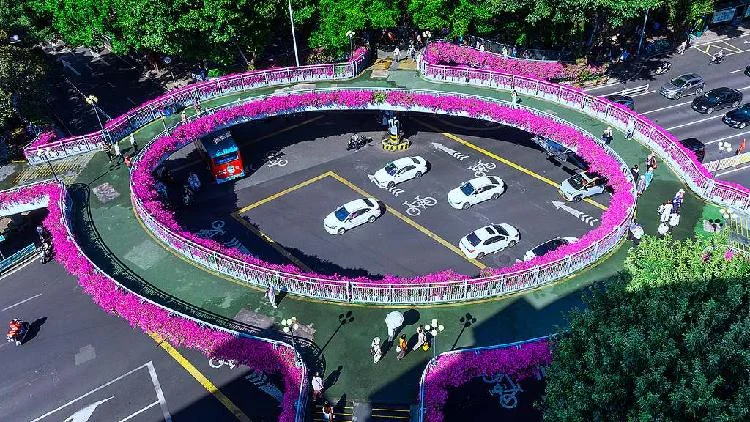
Fuzhou, the host city for the 2026 Global Observance of World Cities Day, exemplifies China’s commitment to urban regeneration and improving housing conditions. With a history spanning over 2,200 years, Fuzhou is known for its harmonious integration of natural landscapes with urban development. The city boasts a high forest coverage rate of 55% as of 2026 and features more than 1,800 kilometers of greenways that connect over 1,500 parks, creating a green and pleasant living environment.
Fuzhou has undertaken significant projects to enhance its housing stock and urban infrastructure. The city has renovated 1,264 old residential communities, initiated 116 redevelopment projects in older urban areas, and constructed 103,000 units of affordable housing. These initiatives aim to provide better living conditions for its residents and address housing affordability concerns.
Furthermore, Fuzhou is actively building climate resilience into its urban fabric. The city has constructed or renovated 1,835 kilometers of water, sewage, and gas pipelines, ensuring the reliability of essential services. To enhance monitoring and response capabilities, 6,756 smart sensors have been installed across its utility network, as well as on bridges and in tunnels, allowing for real-time data collection and proactive management of infrastructure.
A Global Platform for Urban Dialogue
The collaboration between China and UN-Habitat has been instrumental in fostering global dialogue on sustainable urban development. The Global Award for Sustainable Development in Cities, also known as the Shanghai Award, was jointly established by China and UN-Habitat in 2022. Fuzhou was honored to receive the inaugural award in 2023, recognizing its achievements in sustainable urban development.
Rafael Tuts, director of the Global Solutions Division of UN-Habitat, acknowledged China’s extensive experience in urban renewal, community upgrading, and improving urban living conditions. He highlighted Fuzhou’s role as an important platform for global dialogue during the 2026 World Cities Day observance. The forum provided an opportunity for international experts, policymakers, and urban planners to share knowledge, discuss best practices, and explore collaborative solutions to the pressing housing challenges faced by cities worldwide. The focus on adequate housing for all underscores a global commitment to creating more inclusive, resilient, and sustainable urban futures.
The Importance of Adequate Housing for All
Ensuring adequate housing for all is not merely about providing shelter; it is a fundamental human right and a cornerstone of sustainable development. When people have access to safe, affordable, and secure housing, it positively impacts numerous aspects of their lives and the broader community. This includes improved health outcomes, as stable housing reduces exposure to environmental hazards and stress. Children in secure homes tend to perform better in school, breaking intergenerational cycles of poverty.
Economically, adequate housing contributes to stable communities and can foster local economic growth. When housing is affordable, households have more disposable income to spend on other goods and services, supporting local businesses. Furthermore, investments in housing and urban infrastructure create jobs and stimulate economic activity.
Socially, adequate housing promotes community cohesion and reduces inequality. It allows individuals and families to participate more fully in civic life and access opportunities for education and employment. Cities that prioritize housing for all are often more vibrant, inclusive, and resilient to the challenges of the future. The global focus on this issue, as seen in events like the one in Fuzhou, signifies a growing recognition of its critical importance in building a better world.
Challenges and Opportunities in Urban Regeneration
Urban regeneration, while offering significant benefits, also presents complex challenges. These can include the displacement of existing residents due to rising property values, the need for careful planning to avoid gentrification that pushes out lower-income populations, and the significant financial investment required for large-scale projects. Balancing the needs of development with the preservation of community character and affordability is a delicate act.
However, these challenges also present opportunities for innovation. The development of new construction techniques, sustainable building materials, and smart city technologies can help create more efficient and environmentally friendly housing. Policies that encourage mixed-income developments, provide subsidies for affordable housing, and protect tenants’ rights are crucial for ensuring that regeneration benefits all segments of the population.
The sharing of experiences and expertise, as facilitated by international forums, is vital. By learning from successful urban renewal projects in cities like Fuzhou and other global examples, nations can adapt and implement strategies that best suit their local contexts. The commitment to “Regenerating the City: Adequate Housing for All” reflects a global aspiration to create urban environments where everyone can thrive.
Conclusion
The global housing crisis is a multifaceted challenge that demands urgent and collaborative action. The 2026 Global Observance of World Cities Day in Fuzhou underscored the critical need for safe, affordable, and adequate housing for all. China’s extensive efforts in urban renewal and its focus on improving living conditions in cities like Fuzhou offer valuable lessons and practical examples for the international community. By addressing the complexities of urban regeneration, fostering global dialogue, and prioritizing housing as a fundamental right, cities worldwide can move towards creating more equitable, sustainable, and resilient urban futures for everyone. The journey towards ensuring adequate housing for all is ongoing, but the commitment to this goal is a vital step in building better cities and a better world.



Conversation
0 Comments