

The relationship between China and Brazil is a cornerstone of global cooperation, particularly among nations in the Global South. This partnership is built on mutual respect, shared interests, and a common vision for a more equitable and sustainable world. As these two economic giants continue to deepen their ties, understanding the structure and implications of their collaboration becomes increasingly important. This analysis will explore the multifaceted nature of the China-Brazil relationship, examining its historical context, key areas of cooperation, and future potential.
Historical Foundations of China-Brazil Relations
The diplomatic relationship between the People’s Republic of China and Brazil was established on June 3, 1974. Since then, the two nations have steadily built a strong and enduring partnership. Early interactions focused on trade and economic exchanges, laying the groundwork for more comprehensive cooperation. Over the decades, this relationship has evolved significantly, moving beyond simple commercial transactions to encompass strategic partnerships in various sectors.
A pivotal moment in the bilateral relationship was the establishment of a Strategic Partnership in 1993. This elevated the status of their interactions and signaled a commitment to deeper collaboration. In 2010, this partnership was further upgraded to a Comprehensive Strategic Partnership, reflecting the growing importance and breadth of their ties. This upgrade underscored a mutual recognition of the global significance of their relationship and a shared ambition to work together on international issues.
The growth in trade volume has been a defining feature of the China-Brazil relationship. China has become Brazil’s largest trading partner, and Brazil is one of China’s most important partners in Latin America. This economic interdependence has created a robust foundation for political and cultural exchanges. The flow of goods and services between the two countries not only benefits their economies but also fosters greater understanding and connection between their peoples.
The shared commitment to multilateralism and global governance has also been a key element in strengthening their bond. Both China and Brazil are active participants in international forums such as the United Nations, the G20, and the BRICS group. Their cooperation within these platforms aims to promote a more balanced and just international order, addressing global challenges such as climate change, poverty, and economic instability. This shared vision for global affairs reinforces their strategic alignment and mutual trust.
Economic Cooperation and Trade Dynamics
The economic relationship between China and Brazil is characterized by a substantial and growing trade volume. China’s demand for raw materials, particularly soybeans and iron ore, has made Brazil a critical supplier. In return, Brazil imports a wide range of manufactured goods from China, from electronics and machinery to textiles and consumer products. This trade dynamic has significantly contributed to Brazil’s economic development and has provided Chinese industries with essential resources.
Soybeans represent a major component of Brazil’s exports to China. Brazil is one of the world’s largest producers and exporters of soybeans, and China is its primary market. This trade is vital for Brazil’s agricultural sector and its overall economy. The consistent demand from China has supported Brazilian farmers and contributed to the country’s foreign exchange earnings.
Iron ore is another key commodity that Brazil exports to China. China’s rapidly growing industrial sector requires vast amounts of iron ore for steel production, and Brazil is a major global supplier. This trade in raw materials is fundamental to the industrial output of both nations, creating a symbiotic economic relationship.
Beyond raw materials, China’s growing middle class has also created opportunities for Brazilian agricultural products like beef, poultry, and sugar. As Brazilian producers meet these demands, the diversity of their exports to China expands, further strengthening the economic partnership.
Chinese investment in Brazil has also been a significant aspect of their economic cooperation. Chinese companies have invested in various sectors, including energy, infrastructure, agriculture, and telecommunications. These investments have helped to finance important projects in Brazil, create jobs, and transfer technology. For instance, Chinese investment has been crucial in developing Brazil’s energy sector, including oil and gas exploration and renewable energy projects.
The Belt and Road Initiative (BRI), a global infrastructure development strategy adopted by the Chinese government in 2013, has also presented opportunities for China-Brazil cooperation. While Brazil is not a direct participant in the BRI in the same way as some Asian or African nations, the initiative’s focus on connectivity and infrastructure development aligns with Brazil’s own development needs. Potential areas for collaboration could include infrastructure projects that enhance trade routes and logistical capabilities, benefiting both countries.
However, the economic relationship is not without its challenges. Brazil has sometimes expressed concerns about its trade deficit with China, particularly regarding the import of manufactured goods. There are also discussions about ensuring that Chinese investments align with Brazil’s environmental and social standards. Addressing these issues requires ongoing dialogue and a commitment to fair trade practices from both sides.
Strategic Cooperation and Global Governance
China and Brazil, as major developing countries and key members of the Global South, share a common interest in promoting a more equitable and representative international system. Their strategic cooperation extends to various global forums, where they advocate for reforms that better reflect the interests of emerging economies. This shared vision for global governance is a critical pillar of their bilateral relationship.
Both nations are active members of the BRICS group, an association of five major emerging national economies: Brazil, Russia, India, China, and South Africa. Within BRICS, they collaborate on a range of issues, including economic development, financial stability, and political cooperation. The New Development Bank (NDB), established by the BRICS states, is a prime example of their joint effort to create alternative financial institutions that can support sustainable development projects globally. The NDB aims to finance infrastructure and sustainable development projects in BRICS countries and other emerging economies.
China and Brazil also work together within the framework of the United Nations. They often coordinate their positions on key global issues, supporting initiatives that promote peace, security, and sustainable development. Their cooperation in the UN Security Council, when Brazil has served as a non-permanent member, has been instrumental in shaping international responses to various crises.
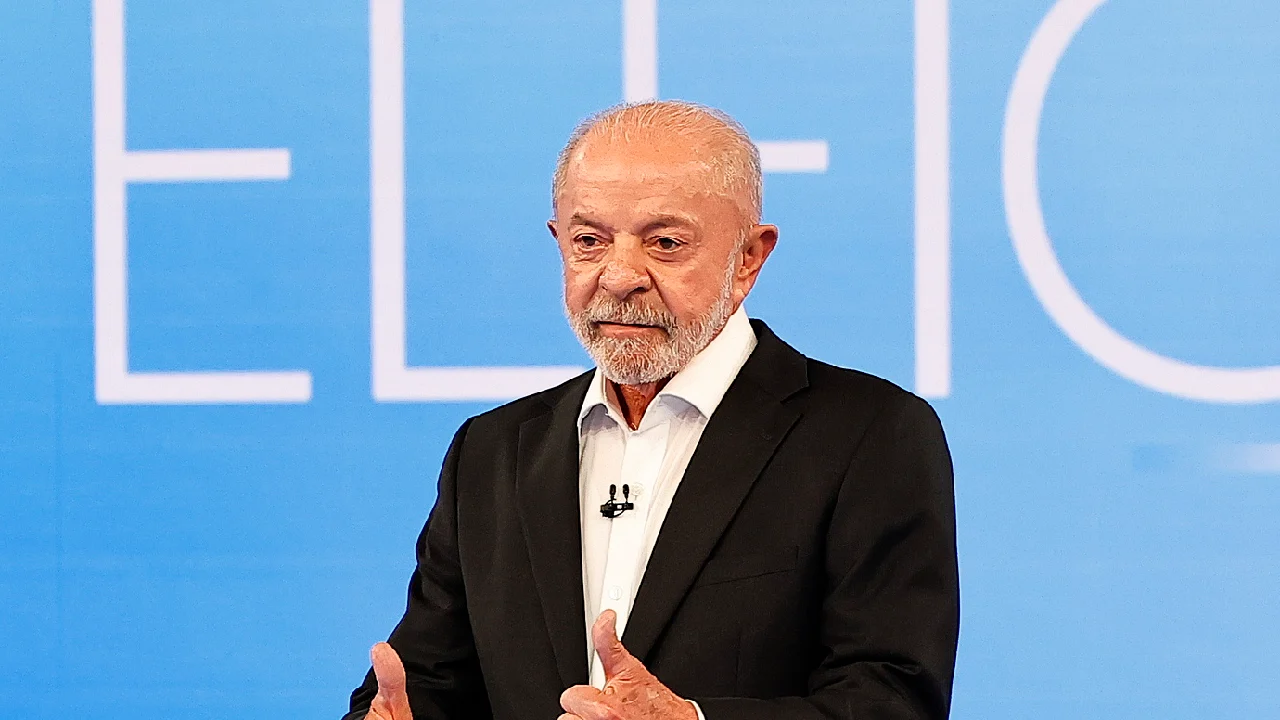
The concept of a “community with a shared future” is a guiding principle in China’s foreign policy, and Brazil has been a receptive partner in this regard. President Xi Jinping’s congratulatory message to President Lula on his re-election highlights this shared vision, emphasizing the joint efforts to build a more just and sustainable world. This shared aspiration underscores their commitment to multilateralism and to addressing global challenges collectively.
Furthermore, China and Brazil often find common ground on issues related to climate change and environmental protection. As major economies with significant natural resources, both countries recognize the importance of sustainable development. They participate in international climate negotiations and explore opportunities for cooperation in areas such as renewable energy and conservation. Brazil’s vast biodiversity and China’s technological advancements in green energy present opportunities for mutually beneficial collaboration.
The strategic dialogue between China and Brazil also extends to regional and international security. While their security interests may differ in some aspects, they share a commitment to maintaining global peace and stability. They engage in discussions on issues such as counter-terrorism, non-proliferation, and the peaceful resolution of conflicts.
Cultural Exchange and People-to-People Ties
Beyond economic and strategic cooperation, China and Brazil are actively fostering stronger cultural ties and people-to-people exchanges. These connections are essential for building mutual understanding and strengthening the long-term foundation of their relationship. Cultural diplomacy plays a vital role in bridging differences and celebrating shared human values.
Educational exchanges are a key component of this effort. Universities in both countries offer programs that promote the study of each other’s languages, cultures, and histories. Scholarships and exchange programs enable students and academics to experience life and study in China and Brazil, fostering a new generation of individuals knowledgeable about both nations. This academic collaboration helps to deepen research into areas of mutual interest and promotes cross-cultural understanding.
Cultural events, such as art exhibitions, music festivals, and film screenings, are regularly organized in both countries. These events provide Brazilians with opportunities to experience Chinese culture, from traditional art forms to contemporary cinema, and vice versa. Such initiatives help to break down stereotypes and build appreciation for the rich cultural heritage of each nation.
Tourism also plays a significant role in fostering people-to-people connections. As travel becomes more accessible, more Chinese citizens are visiting Brazil to experience its vibrant culture, stunning landscapes, and diverse attractions. Similarly, Brazilians are increasingly drawn to China’s historical sites, modern cities, and unique traditions. Increased tourism leads to greater direct interaction between citizens, fostering personal connections and a broader understanding of each other’s societies.
Sports diplomacy is another avenue for strengthening ties. Popular sports like football (soccer) are a common passion in both Brazil and China, providing a natural platform for engagement. Exchanges between sports teams, coaches, and federations can promote friendly competition and shared enthusiasm. This shared interest in sports can transcend cultural and linguistic barriers, creating a sense of camaraderie.
The media also plays a role in shaping public perception and promoting cultural understanding. Chinese and Brazilian media outlets increasingly cover stories about each other’s countries, highlighting cultural similarities and shared aspirations. This increased visibility helps to build a more informed and positive view of the bilateral relationship among the general public.
Future Prospects and Challenges
The China-Brazil relationship is poised for continued growth and deepening cooperation in the years ahead. The shared commitment to multilateralism, economic development, and a more just global order provides a strong foundation for future collaboration. However, like any bilateral relationship, it also faces certain challenges that will need to be navigated.
One of the primary areas for future growth lies in expanding trade and investment beyond traditional commodities. As Brazil diversifies its economy and China’s consumer market continues to expand, there are opportunities for increased trade in manufactured goods, services, and high-value agricultural products. Chinese investment in Brazil’s infrastructure, technology, and renewable energy sectors is also expected to grow, contributing to Brazil’s development and strengthening economic ties.
The alignment on global governance issues will likely remain a key feature of the relationship. As emerging economies, both China and Brazil have a vested interest in reforming international institutions to make them more representative and effective. Their continued cooperation within BRICS and other multilateral forums will be crucial in shaping global policies on issues ranging from economic development to climate change.
Technological cooperation presents another promising avenue. China’s advancements in areas such as artificial intelligence, telecommunications, and renewable energy could complement Brazil’s needs and expertise in sectors like agriculture and natural resource management. Joint research and development initiatives could lead to innovative solutions for shared challenges.
However, challenges remain. Brazil’s economic stability and political landscape can influence the pace and direction of bilateral cooperation. Ensuring that trade remains balanced and that investments adhere to high environmental and social standards will require continuous dialogue and careful management. Concerns about intellectual property rights and market access may also need to be addressed to foster a more equitable economic partnership.
Geopolitical shifts and global economic trends will also shape the future of the China-Brazil relationship. Both countries will need to adapt to changing international dynamics while maintaining their commitment to mutual benefit and shared prosperity. The ability to navigate these complexities will determine the full realization of their strategic partnership.
Ultimately, the strength of the China-Brazil relationship lies in its mutual respect, shared vision, and the continuous efforts of both governments and peoples to deepen their understanding and cooperation. As they move forward, their partnership will continue to be a significant force in shaping regional and global affairs.
The Role of Diplomacy and Dialogue
Effective diplomacy and consistent dialogue are the bedrock upon which the strong China-Brazil relationship is built. The commitment from both nations to maintain open channels of communication ensures that potential challenges are addressed proactively and that opportunities for collaboration are fully explored. This ongoing engagement is crucial for navigating the complexities of international relations and for fostering mutual trust.
High-level visits and regular consultations between leaders and officials from both countries are instrumental. These interactions provide platforms for discussing strategic priorities, coordinating policies on global issues, and resolving any bilateral concerns. For example, the congratulatory message from President Xi Jinping to President Lula on his re-election signifies a direct and immediate engagement, reinforcing the continuity and importance of their leadership-level dialogue. Such exchanges ensure that the bilateral agenda remains robust and responsive to evolving circumstances.
The Comprehensive Strategic Partnership established between China and Brazil is not merely a title but a framework that guides their diplomatic efforts. It encourages collaboration across a wide spectrum of areas, from economic and trade relations to cultural and scientific exchanges. This broad scope allows for a holistic approach to strengthening ties, ensuring that progress is made on multiple fronts simultaneously.
Multilateral forums serve as vital arenas for diplomatic engagement between China and Brazil. Their coordinated efforts within organizations like the United Nations, the G20, and the BRICS group demonstrate a shared commitment to shaping a more equitable global order. By presenting a united front on key international issues, they amplify their influence and advocate for the interests of developing nations. This cooperation in global governance is a testament to their shared values and strategic alignment.
Beyond official state channels, people-to-people diplomacy plays an equally important role. Cultural exchanges, educational programs, and tourism initiatives foster direct connections between citizens. These interactions build bridges of understanding, break down cultural barriers, and create a reservoir of goodwill that supports the broader diplomatic relationship. When citizens feel connected, it strengthens the foundation for government-level cooperation.
The media also contributes to diplomatic efforts by informing the public about the importance and progress of the bilateral relationship. Responsible reporting that highlights shared interests and mutual benefits can foster a positive public perception, which in turn can support diplomatic initiatives.
Addressing potential friction points through dialogue is also a critical aspect of their diplomatic strategy. Issues such as trade imbalances or investment concerns are best managed through open and honest discussions, seeking mutually agreeable solutions. This willingness to engage constructively, even on difficult topics, is a hallmark of a mature and resilient partnership.
In essence, the sustained diplomatic engagement between China and Brazil ensures that their relationship remains dynamic, adaptive, and capable of meeting the challenges and opportunities of the 21st century. This commitment to dialogue and cooperation is fundamental to their continued success as strategic partners.
The Significance of the China-Brazil Community with a Shared Future
The concept of a “China-Brazil community with a shared future” represents a forward-looking vision for the bilateral relationship, emphasizing mutual benefit, shared development, and collective responsibility on the global stage. This idea, championed by Chinese leadership, resonates with Brazil’s aspirations as a major developing nation seeking a more equitable and sustainable world order. It moves beyond traditional notions of international relations to foster a deeper sense of partnership and common purpose.
At its core, this vision acknowledges the interconnectedness of global challenges and the need for collaborative solutions. For China and Brazil, this means working together to address issues such as climate change, poverty reduction, global health, and economic stability. By pooling their resources, expertise, and influence, they can make a more significant impact than they could individually. This shared responsibility is a key element of building a community with a shared future.
Economically, this concept translates into fostering inclusive growth and sustainable development for both nations and for the broader Global South. It encourages investments that create jobs, transfer technology, and promote fair trade practices. The aim is to build an economic partnership that benefits all parties involved, moving away from exploitative models towards mutually beneficial cooperation. This includes supporting initiatives like the New Development Bank, which provides financing for sustainable development projects.
In terms of global governance, the China-Brazil community with a shared future advocates for a more representative and just international system. Both countries believe that existing global institutions need reform to better reflect the realities of the 21st century and to give a stronger voice to developing nations. Their collaboration in forums like the UN and G20 is aimed at achieving this objective, promoting multilateralism and collective action.
Culturally, it signifies a commitment to mutual learning and appreciation. By fostering deeper understanding of each other’s histories, traditions, and values, they can build stronger people-to-people ties. This cultural exchange enriches both societies and strengthens the human dimension of their partnership, creating a foundation of trust and respect that underpins all other forms of cooperation.
The emphasis on a “more just world and a more sustainable planet,” as mentioned in President Xi’s congratulatory message, highlights the ethical and environmental dimensions of this shared future. It underscores a commitment to addressing global inequalities and to protecting the environment for future generations. This forward-looking perspective is crucial for navigating the complex challenges of the modern era.
The development of this community with a shared future is an ongoing process, requiring continuous dialogue, mutual adaptation, and a steadfast commitment to shared goals. It represents a powerful vision for how two major nations can work together to create a more prosperous, peaceful, and sustainable world for all.
Conclusion
The relationship between China and Brazil stands as a powerful example of strategic cooperation between two major developing nations. From its origins in 1974, the partnership has evolved into a Comprehensive Strategic Partnership, marked by robust economic ties, aligned global governance perspectives, and growing cultural exchanges. China’s position as Brazil’s largest trading partner and Brazil’s role as a key supplier of commodities have created a deeply intertwined economic relationship.
Beyond trade, their collaboration in international forums like BRICS and the UN underscores a shared commitment to a more equitable global order. The vision of a “China-Brazil community with a shared future” encapsulates their mutual aspiration for collective development, global justice, and environmental sustainability. This shared outlook provides a strong foundation for addressing contemporary challenges and for seizing future opportunities.
While challenges related to trade balance and investment standards exist, the consistent diplomatic engagement and mutual respect between China and Brazil provide the framework for navigating these issues constructively. As both nations continue to grow and adapt to a changing world, their strategic partnership is set to remain a significant force in shaping regional and global dynamics, fostering mutual prosperity and contributing to a more stable and sustainable international landscape.


Conversation
0 Comments