

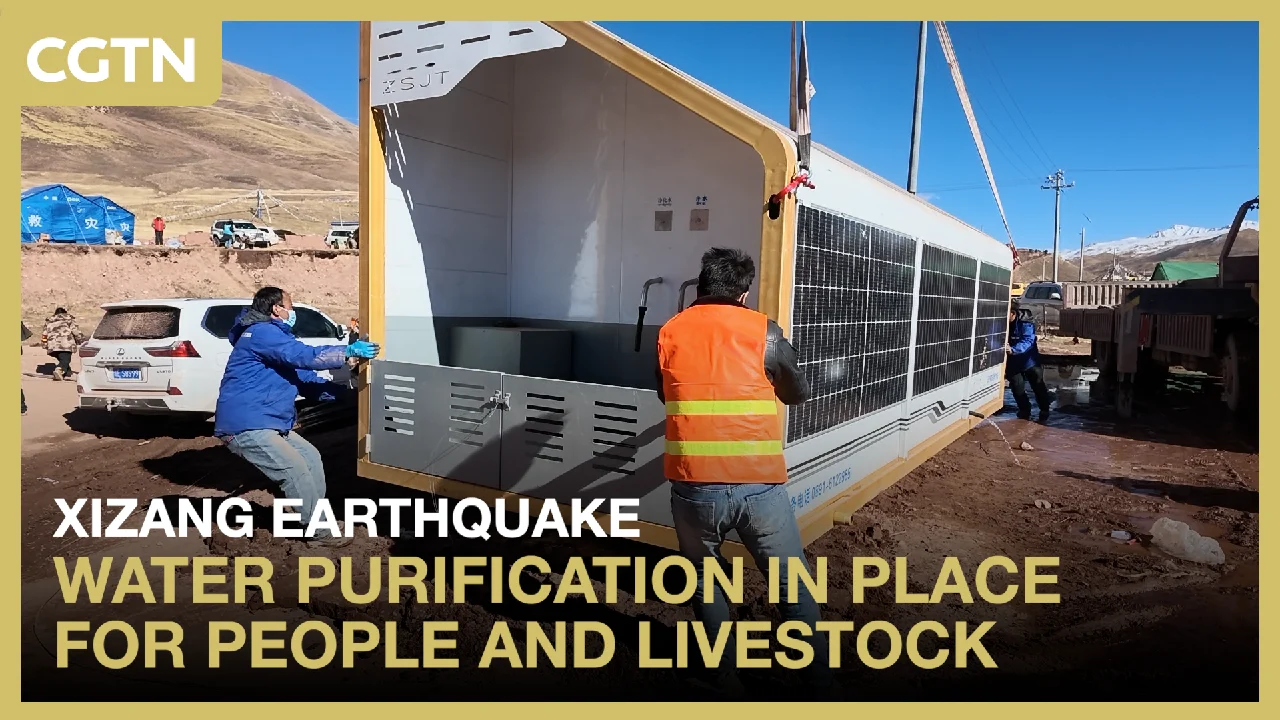
The aftermath of a natural disaster, such as an earthquake, presents immediate and complex challenges. Among the most critical is ensuring access to safe drinking water for both humans and animals. Contaminated water sources can quickly lead to widespread illness, exacerbating the suffering caused by the disaster itself. This is where the importance of effective water purification systems becomes paramount. In pastoral communities, where livestock are not only a source of sustenance but also a vital part of the local economy and way of life, safeguarding animal health is as crucial as protecting human well-being.
Recent events have highlighted the necessity of robust post-disaster water management strategies. Following a significant earthquake, a solar-powered water purification facility was established in Maru Township’s Second Village. This initiative demonstrates a proactive approach to restoring essential services. The facility is designed to provide purified water for residents, ensuring their immediate hydration needs are met safely. Simultaneously, a separate supply of well water is reserved specifically for livestock. This dual approach acknowledges the unique requirements of both human and animal populations in the recovery process.
The integration of solar power into the purification system is a forward-thinking element. It offers a sustainable and reliable energy source, especially important in areas where traditional power grids may be damaged or unavailable. This not only ensures the continuous operation of the purification facility but also reduces reliance on fossil fuels, contributing to a more environmentally conscious recovery effort. The presence of such a facility in a pastoral community, where animals like yaks are essential to daily life, underscores the understanding that protecting livelihoods means looking after both people and their animals. As residents begin the long process of adjusting to life after the earthquake, these practical measures are instrumental in restoring a sense of security and normalcy, one day at a time. This article will explore the multifaceted aspects of post-earthquake water purification, examining the technologies, strategies, and considerations involved in safeguarding public health and supporting community resilience.
Understanding the Immediate Water Needs Post-Earthquake
When an earthquake strikes, the immediate aftermath is often characterized by widespread destruction, including damage to critical infrastructure like water supply systems. Pipes can rupture, treatment plants can be compromised, and water sources can become contaminated by debris, sewage, or chemical spills. This disruption poses a severe threat to public health, as access to clean water is fundamental for survival and recovery.
Contamination Risks
The primary concern following an earthquake is the contamination of water sources. Broken sewage lines can leach into groundwater or surface water, introducing harmful bacteria, viruses, and parasites. Landslides can displace soil and rock, altering the natural flow of water and potentially carrying pollutants into reservoirs or rivers. Even seemingly intact water sources can become unsafe if the distribution system is breached, allowing external contaminants to enter. This contamination can lead to outbreaks of waterborne diseases such as cholera, typhoid, and dysentery, which can spread rapidly in crowded post-disaster conditions.
Impact on Human Health
For humans, the lack of safe drinking water means a heightened risk of dehydration and waterborne illnesses. Without access to clean water for drinking, cooking, and sanitation, the health of the affected population deteriorates quickly. Infants, the elderly, and individuals with compromised immune systems are particularly vulnerable. The inability to maintain basic hygiene, such as handwashing, further increases the spread of infections.
Impact on Livestock
Livestock are equally, if not more, vulnerable to contaminated water. Animals can contract diseases from polluted water sources, leading to sickness, reduced productivity (e.g., milk production), and even death. In pastoral communities, where livestock are a primary source of income and sustenance, the loss of animals can have devastating economic and social consequences. Protecting livestock requires dedicated efforts to provide them with safe water, separate from human supplies if necessary, to prevent cross-contamination and disease transmission.
Infrastructure Damage
Earthquakes can severely damage water treatment plants, pumping stations, and distribution networks. Repairing this infrastructure can be a lengthy and complex process, often requiring specialized equipment and expertise. In the interim, temporary solutions are essential to bridge the gap until permanent repairs can be made. This is where mobile water purification units and emergency water supply systems play a critical role.
Technologies for Post-Earthquake Water Purification
The rapid deployment of effective water purification technologies is crucial in the wake of an earthquake. These technologies must be adaptable, efficient, and capable of treating water from various sources, often under challenging conditions.
Filtration Systems
Filtration is a fundamental method for removing suspended solids, sediment, and larger microorganisms from water. Various types of filters are used, ranging from simple cloth filters to advanced membrane filtration systems.
- Sediment Filters: These are often the first stage in a purification process, removing larger particles like sand, silt, and rust. They help to clarify the water and protect subsequent, finer filtration stages from clogging.
- Microfiltration and Ultrafiltration: These membrane-based technologies use pores of specific sizes to remove bacteria, protozoa, and other microorganisms. They are highly effective at producing microbiologically safe water without the need for chemicals.
- Reverse Osmosis (RO): RO systems use a semipermeable membrane to remove dissolved salts, minerals, and a wide range of contaminants, including viruses. While highly effective, RO systems typically require higher pressure and can produce wastewater.
Chemical Disinfection
Chemical disinfection is a common and effective method for killing or inactivating harmful microorganisms in water.
- Chlorination: Chlorine is widely used due to its effectiveness, low cost, and residual disinfecting properties, which help to keep water safe in distribution systems. However, chlorine can react with organic matter to form disinfection byproducts, and its effectiveness can be reduced in turbid water.
- Ozonation: Ozone is a powerful oxidant that can effectively kill bacteria, viruses, and protozoa. It is more potent than chlorine and does not produce harmful byproducts. However, ozone is unstable and does not provide a residual disinfectant effect, requiring a secondary disinfection method.
- Chlorine Dioxide: This chemical is effective against a broad spectrum of pathogens and is less affected by pH and temperature than chlorine. It is often used for treating water with high organic content.
UV Disinfection
Ultraviolet (UV) disinfection uses UV light to damage the DNA of microorganisms, rendering them unable to reproduce and cause infection.
- Advantages: UV disinfection is a chemical-free process that does not alter the taste or odor of water. It is effective against a wide range of pathogens, including chlorine-resistant protozoa like Cryptosporidium and Giardia.
- Limitations: UV light is only effective if the water is clear; turbidity can shield microorganisms from the UV rays. It also does not provide a residual disinfectant effect, meaning water must be consumed relatively quickly or treated with a secondary disinfectant.
Solar-Powered Purification
As seen in the example of Maru Township, solar power offers a sustainable and resilient solution for water purification, particularly in remote or disaster-affected areas.
- Solar Stills: These devices use solar energy to evaporate water, leaving contaminants behind. The water vapor then condenses into pure, distilled water. Solar stills are simple and effective for small-scale purification but have a limited output.
- Solar-Powered Filtration and Disinfection Units: These systems integrate solar panels to power pumps for filtration systems or UV disinfection units. This approach allows for larger volumes of water to be treated reliably, independent of grid electricity. The use of solar power is particularly advantageous in disaster scenarios where energy infrastructure is compromised.
Strategies for Implementing Emergency Water Purification
Deploying water purification solutions in a disaster zone requires careful planning and execution. The strategy must consider the scale of the need, the available resources, and the specific environmental conditions.
Rapid Needs Assessment
The first step is to conduct a rapid assessment of the water situation. This involves identifying:
- The extent of damage to water infrastructure.
- The number of people and animals affected.
- The availability of potential water sources (wells, rivers, lakes, rainwater).
- The quality of existing water sources.
- The specific contaminants present.
This assessment helps determine the type and scale of purification technology required.
Mobile and Deployable Solutions
Mobile water purification units are invaluable in emergency situations. These are often containerized or trailer-mounted systems that can be quickly transported to the affected area and set up.
- Advantages: Their mobility allows them to be deployed where they are needed most, even in remote locations. They can be scaled up or down depending on demand and can be moved as the situation evolves.
- Types of Mobile Units: These can range from small, portable filters for individual households to large-scale treatment plants capable of supplying entire communities. Many incorporate multiple treatment stages, including pre-filtration, disinfection, and sometimes advanced treatment like RO.
Community-Based Approaches
Engaging the local community in water management is essential for long-term sustainability and effectiveness.
- Training and Education: Providing training to local residents on the operation and maintenance of purification systems ensures their continued functionality. Educating the community on safe water handling practices, hygiene, and sanitation further reinforces public health efforts.
- Local Water Source Management: Where possible, efforts should focus on restoring and protecting local water sources. This might involve repairing wells, clearing debris from rivers, or implementing rainwater harvesting systems.
- Differentiated Water Use: As demonstrated in Maru Township, separating water supplies for human consumption and livestock is a practical strategy. This prevents cross-contamination and ensures that each population receives water suitable for its needs. For instance, well water, while potentially safe for animals, might require further treatment for human consumption depending on its mineral content or potential for microbial contamination.
Public-Private Partnerships
Collaboration between government agencies, non-governmental organizations (NGOs), and private sector companies can accelerate the deployment of water purification solutions.
- Resource Mobilization: Partnerships can help mobilize financial resources, technical expertise, and equipment needed for emergency response.
- Logistics and Distribution: Private companies with logistics capabilities can assist in transporting purification equipment and supplies to affected areas.
- Innovation and Technology: Private sector involvement can bring innovative technologies and efficient operational models to water purification efforts.
Case Study: Post-Earthquake Water Purification in Maru Township
The situation in Maru Township’s Second Village offers a practical example of how post-earthquake water purification can be implemented to serve both human and animal populations. The establishment of a solar-powered water purification facility addresses several key challenges faced in disaster recovery.
Solar-Powered Facility
The use of solar power for the purification facility is a significant advantage. It ensures a consistent water supply even when the electrical grid is down, which is common after major earthquakes. Solar energy is a renewable resource, making the system environmentally friendly and reducing operational costs over time. This technology is particularly well-suited for remote or rural areas where access to conventional energy sources might be limited or unreliable.
Dual Water Supply System
The facility’s design to provide purified water for residents and a separate supply of well water for livestock is a critical aspect of its effectiveness.
- Human Consumption: The purified water ensures that residents have access to safe drinking water, reducing the risk of waterborne diseases. This is fundamental for maintaining public health and allowing people to focus on recovery and rebuilding.
- Livestock Needs: In pastoral communities, livestock are essential for livelihoods. Providing them with a dedicated, safe water source, even if it’s untreated well water that is deemed safe for animals, is crucial for their survival and the community’s economic stability. This separation prevents potential contamination of human drinking water from animal waste or diseases that might be present in the well water.
Restoring Security and Normalcy
Beyond the immediate provision of safe water, such initiatives play a vital role in restoring a sense of security and normalcy for the affected population. Access to basic necessities like clean water is a fundamental human right and a cornerstone of community well-being. When these services are restored, even in a temporary or partial capacity, it signals progress and hope, enabling residents to better cope with the trauma and challenges of displacement and rebuilding. The daily routine of fetching water, though perhaps different, can resume, contributing to a sense of stability.
Long-Term Considerations
While immediate relief is paramount, planning for the long-term sustainability of water purification systems is also important. This includes:
- Maintenance and Repair: Ensuring that the solar panels, filters, and other components of the purification system are regularly maintained and repaired.
- Training Local Operators: Empowering local individuals to operate and manage the facility independently.
- Water Source Protection: Implementing measures to protect the long-term integrity of the water sources used by the community.
The Maru Township example highlights a well-rounded approach that considers the specific needs of the community, leverages appropriate technology, and prioritizes both human and animal welfare in the critical post-disaster period.
Challenges in Post-Earthquake Water Management
Despite the availability of advanced technologies and strategies, implementing effective water purification in disaster zones is fraught with challenges. These obstacles can delay or hinder the delivery of safe water, prolonging the crisis for affected populations.
Logistical Hurdles
Transporting equipment, supplies, and personnel to disaster-stricken areas is often a major challenge. Damaged roads, bridges, and airports can make access difficult or impossible. Limited fuel availability can further complicate transportation efforts. Ensuring a continuous supply chain for consumables like filters, chemicals, and spare parts is also a significant logistical undertaking.
Technical Expertise and Capacity
Operating and maintaining complex water purification systems requires specialized technical knowledge. In the immediate aftermath of a disaster, local technical capacity may be depleted due to casualties or displacement. External experts may be needed, but their deployment can be hampered by logistical issues and the overall chaos of the disaster zone. Training local personnel takes time and resources that may not be readily available in the initial response phase.
Financial Constraints
Emergency water purification efforts require substantial financial investment. This includes the cost of purchasing and deploying equipment, procuring consumables, and covering operational expenses. Funding for disaster response is often limited, and competing needs for shelter, food, and medical care can strain available resources. Securing adequate and timely funding can be a significant barrier to effective water management.
Environmental Factors
The success of water purification can be influenced by various environmental factors. The quality and quantity of available water sources can vary greatly, and some sources may be heavily contaminated, requiring advanced and costly treatment methods. Extreme weather conditions, such as heavy rainfall or prolonged drought, can further complicate water management efforts. For instance, heavy rains can increase turbidity in surface water sources, reducing the efficiency of UV disinfection and requiring more frequent filter changes.
Social and Cultural Considerations
Understanding and respecting local social and cultural practices is crucial for the successful implementation of water and sanitation programs. What might be considered acceptable water sources or hygiene practices in one culture may differ significantly in another. Resistance to new technologies or methods, or a lack of trust in external aid, can undermine even the best-laid plans. Engaging with community leaders and involving the community in decision-making processes can help overcome these barriers.
Security Concerns
In some disaster situations, security can be a major concern, affecting the safety of aid workers and the protection of equipment. Looting of supplies or damage to infrastructure can occur, requiring robust security measures. This can add complexity and cost to relief operations.
The Role of International Aid and Organizations
International aid organizations and governmental bodies play a critical role in supporting post-earthquake water purification efforts. They bring resources, expertise, and coordination capabilities that are often essential for a comprehensive response.
United Nations Agencies
Organizations like UNICEF (United Nations Children’s Fund) and the World Health Organization (WHO) are at the forefront of providing safe water, sanitation, and hygiene (WASH) services in disaster-affected areas. UNICEF often focuses on providing emergency water supplies, establishing temporary water treatment facilities, and promoting hygiene education, particularly for children. The WHO provides technical guidance, sets standards for safe water, and helps coordinate health responses, including disease surveillance related to water quality.
Non-Governmental Organizations (NGOs)
Numerous NGOs, both international and local, are actively involved in water purification and sanitation efforts. Organizations such as the Red Cross/Red Crescent Movement, WaterAid, and Oxfam work on the ground to assess needs, deploy water treatment units, repair water systems, and conduct hygiene promotion campaigns. Their on-the-ground presence and community-based approaches are vital for reaching vulnerable populations.
Government Response
National and local governments are responsible for leading disaster response efforts. This includes coordinating all relief activities, allocating resources, and ensuring that essential services like water supply are restored as quickly as possible. They often work in partnership with international organizations and NGOs, providing local knowledge, access, and regulatory oversight.
Technological Innovations and Partnerships
International collaboration also fosters the development and deployment of innovative water purification technologies. Partnerships between research institutions, technology companies, and aid organizations can lead to the creation of more efficient, affordable, and resilient solutions for disaster-prone regions. The sharing of best practices and lessons learned across different countries and contexts further strengthens global capacity for emergency water management.
Future Preparedness and Resilience
Building resilience to future disasters requires a proactive approach to water management, focusing on preparedness and long-term solutions rather than solely on emergency response.
Infrastructure Hardening
Investing in making water infrastructure more resilient to seismic activity is crucial. This can include using flexible pipe materials, reinforcing treatment plants, and developing redundant water supply systems. Designing infrastructure to withstand earthquakes can significantly reduce the impact of future events on water availability.
Decentralized Water Systems
Developing decentralized water systems, such as community-level purification units or household water treatment devices, can reduce reliance on large, centralized infrastructure that is more vulnerable to widespread damage. These systems can also be more easily managed and maintained at the local level.
Water Resource Management
Sustainable water resource management practices are essential for ensuring long-term water security. This includes protecting water sources from pollution, managing water use efficiently, and exploring diverse water sources, such as rainwater harvesting and treated wastewater reuse where appropriate.
Early Warning Systems and Preparedness Plans
Establishing robust early warning systems for earthquakes and developing comprehensive disaster preparedness plans are vital. These plans should include specific protocols for water supply restoration, outlining roles and responsibilities, identifying pre-positioned emergency supplies, and establishing clear communication channels. Regular drills and simulations can help ensure that response teams are well-prepared to act effectively when a disaster strikes.
Public Awareness and Education
Educating the public about water safety, hygiene, and emergency preparedness empowers individuals and communities to take proactive measures. This includes teaching people how to store safe water, use household water treatment methods, and practice good hygiene even when water is scarce.
By focusing on these preparedness measures, communities can significantly reduce their vulnerability to water-related crises following earthquakes and other natural disasters, ensuring a more rapid and effective recovery.
Conclusion
The provision of safe water in the wake of an earthquake is a complex but absolutely critical component of disaster response and recovery. From understanding the immediate contamination risks to deploying advanced purification technologies and implementing robust logistical strategies, every step is vital in safeguarding human and animal health. The case of Maru Township, with its solar-powered facility and dual water supply system, exemplifies a thoughtful approach that addresses the specific needs of a community, including its livestock.
However, the challenges are significant, ranging from logistical nightmares and technical capacity gaps to financial constraints and security concerns. Overcoming these hurdles requires coordinated efforts, often involving international aid, governmental leadership, and the active participation of local communities. Looking beyond immediate relief, building long-term resilience through infrastructure hardening, decentralized systems, and comprehensive preparedness plans is essential. By investing in these areas, communities can better withstand the impacts of future seismic events and ensure a more secure and sustainable water future for all. The ability to provide clean water is not just about survival; it is about restoring dignity, enabling recovery, and rebuilding lives.


Conversation
0 Comments