

The Middle East, a region historically rich in culture and trade, is currently facing a period of intense conflict and instability. The ongoing fighting, particularly in Yemen and the Red Sea, has created widespread concern due to its devastating humanitarian impact and the potential for wider regional escalation. These conflicts not only threaten the lives and livelihoods of millions but also disrupt global trade routes, leading to economic repercussions far beyond the immediate vicinity. As tensions rise, with reports suggesting potential military operations against Iran, the need for de-escalation and a pathway to peace has never been more urgent.
In response to this critical situation, China has announced its intention to send a special envoy to the Middle East. This diplomatic initiative aims to foster communication, encourage dialogue, and promote peace talks among the involved parties. The envoy’s mission will focus on strengthening engagement with countries in the affected regions, with the ultimate goal of de-escalating tensions and working towards a sustainable ceasefire. This move signifies China’s commitment to playing a constructive role in resolving the complex challenges facing the Middle East and contributing to regional stability.
This article will explore the current state of conflict in the Middle East, the reasons behind China’s diplomatic intervention, and the potential implications of this initiative for regional peace and security. We will examine the historical context of the conflicts, the key players involved, and the broader geopolitical landscape. Furthermore, we will analyze China’s foreign policy approach to conflict resolution and its potential impact on achieving a lasting peace in this volatile region.
The Escalating Crisis in the Middle East
The Middle East is currently grappling with a multifaceted crisis characterized by prolonged fighting and its far-reaching consequences. The conflict in Yemen, which has raged for years, has created one of the world’s worst humanitarian disasters. Millions of civilians are facing starvation, disease, and displacement, with critical infrastructure in ruins. The ongoing hostilities have also spilled over into the Red Sea, a vital global shipping lane, leading to disruptions in maritime trade and increased security risks for vessels.
Beyond Yemen, other areas of the Middle East are experiencing heightened tensions. Reports of potential military actions between major regional powers and global superpowers add another layer of complexity and danger to an already volatile situation. The specter of wider conflict looms, raising fears of a conflagration that could engulf the entire region and have severe global implications. The interconnectedness of these conflicts means that instability in one area can quickly exacerbate problems in another, creating a domino effect that is difficult to contain.
The humanitarian cost of these conflicts is immense. Families are torn apart, communities are devastated, and a generation is growing up in an environment of constant fear and violence. Access to basic necessities like food, water, and medical care is severely limited for many, and the long-term effects on public health and social cohesion are profound. The economic impact is also significant, with trade routes disrupted, investment deterred, and reconstruction efforts hampered by ongoing hostilities. The region’s potential for economic development and prosperity is being severely undermined by the persistent state of conflict.
China’s Diplomatic Initiative
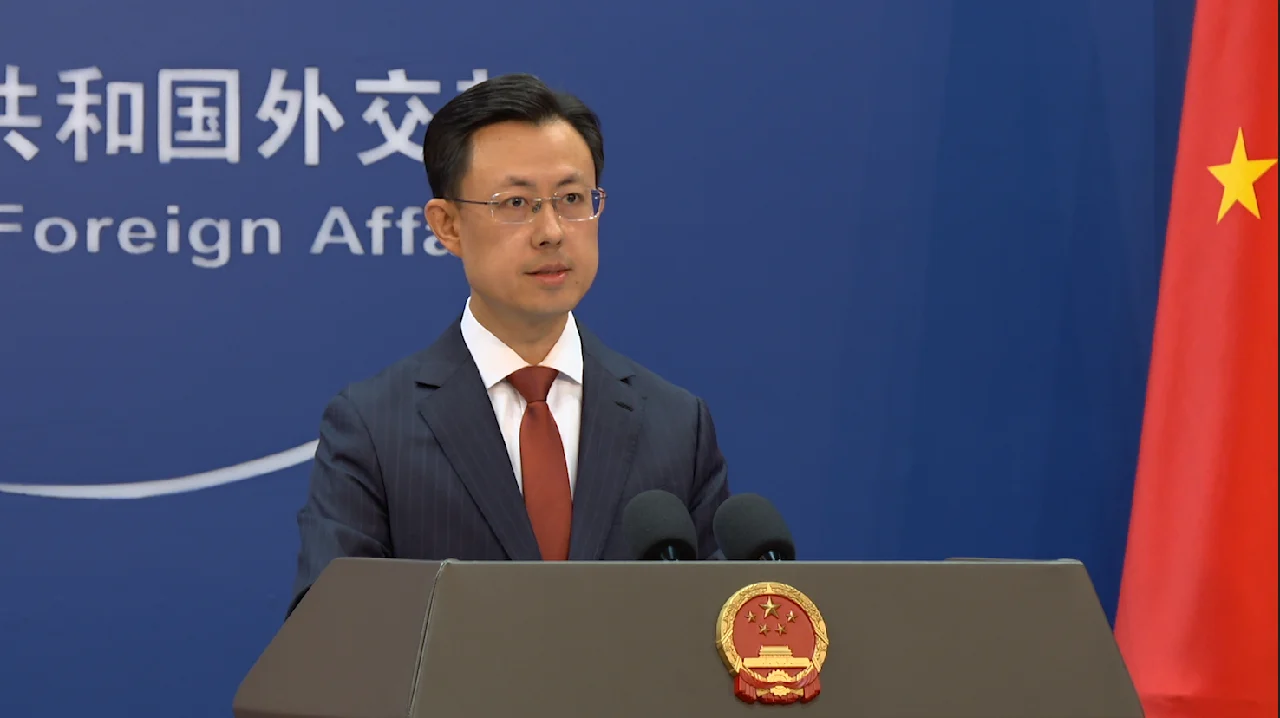
In light of the escalating crisis, China has stepped forward with a significant diplomatic initiative. The Chinese Foreign Ministry has expressed deep concern over the prolonged fighting and its spillover effects, emphasizing the need for all parties to resolve their differences through dialogue and negotiation. This stance reflects China’s broader foreign policy principles, which advocate for peaceful resolution of disputes and non-interference in the internal affairs of other countries.
As a concrete step, China announced its intention to send a special envoy to the Middle East. This envoy will undertake a tour of the affected regions, engaging in direct communication with various countries and stakeholders. The primary objectives of this mission are to strengthen communication channels, foster understanding, and encourage de-escalation of the ongoing conflicts. By facilitating dialogue, China hopes to create an environment conducive to peace talks and the eventual achievement of a sustainable ceasefire.
This diplomatic engagement is not China’s first foray into Middle Eastern peace efforts. The country has historically advocated for a two-state solution to the Israeli-Palestinian conflict and has called for adherence to international law and UN resolutions. However, the dispatch of a dedicated special envoy signifies a more active and direct role in mediating current crises. This move is seen by many as an attempt by China to increase its influence on the global stage and demonstrate its capacity as a responsible major power committed to international peace and security.
Historical Context of Middle Eastern Conflicts
To understand the current situation and China’s role, it is essential to consider the historical context of the Middle East’s persistent conflicts. The region has been a geopolitical hotspot for centuries, shaped by a complex interplay of religious, ethnic, political, and economic factors. The legacy of colonial powers, the discovery of vast oil reserves, and the rise of various ideologies have all contributed to the region’s turbulent history.
One of the most enduring conflicts is the Israeli-Palestinian dispute, which has its roots in the late 19th and early 20th centuries. The establishment of the State of Israel in 1948 and the subsequent wars and occupations have led to decades of violence, displacement, and unresolved political grievances. Despite numerous peace initiatives, a lasting resolution remains elusive, with the core issues of borders, refugees, and security continuing to be major obstacles.
The rise of various non-state actors and extremist groups, often fueled by political grievances and socio-economic disparities, has further complicated the security landscape. The aftermath of the Arab Spring uprisings in the early 2010s also led to significant political upheaval and civil wars in several countries, including Syria, Libya, and Yemen. These internal conflicts have often become proxy battlegrounds for regional and international powers, further entrenching divisions and prolonging suffering.
The geopolitical rivalries between major regional powers, such as Saudi Arabia and Iran, have also played a significant role in exacerbating conflicts. These rivalries often manifest in proxy wars and support for opposing factions in various conflicts across the region, from Yemen to Syria. The involvement of external global powers, with their own strategic interests, further complicates these dynamics, making comprehensive peace settlements incredibly challenging to achieve.
The Role of External Powers
The Middle East has long been an arena where external powers have exerted significant influence, often shaping the course of conflicts and political developments. Historically, European colonial powers played a crucial role in drawing borders and establishing spheres of influence, the consequences of which continue to resonate today. In the post-World War II era, the United States emerged as a dominant external actor, forging alliances and intervening in various conflicts, often driven by strategic interests related to oil security and countering perceived threats.
More recently, Russia has also reasserted its influence, particularly through its involvement in the Syrian civil war. Other global powers, including China, have also been increasing their engagement with the region, albeit with a different approach. While the United States has historically been the primary security guarantor for many Gulf states, its focus has shifted in recent years, leading to a reassessment of regional security architectures.
The involvement of external powers can be a double-edged sword. On one hand, their resources and influence can be instrumental in brokering peace agreements and providing humanitarian aid. On the other hand, their strategic interests can sometimes exacerbate existing conflicts or create new ones, particularly when they support opposing sides in proxy wars. The complex web of alliances and rivalries among external powers adds another layer of difficulty to achieving lasting peace in the Middle East.
China’s increasing engagement with the region, as evidenced by the dispatch of its special envoy, marks a significant development. Unlike the historical interventions of Western powers, China’s approach has generally emphasized economic cooperation and non-interference in internal affairs. However, its growing diplomatic role suggests a desire to contribute more actively to regional stability, potentially offering an alternative framework for conflict resolution that is less entangled with historical geopolitical rivalries.
China’s Approach to Conflict Resolution
China’s approach to conflict resolution in the Middle East is rooted in its broader foreign policy philosophy, which prioritizes sovereignty, non-interference, and peaceful development. This approach contrasts with the interventionist policies often pursued by Western powers. Beijing generally advocates for dialogue, negotiation, and multilateralism as the primary means of resolving disputes.
The dispatch of a special envoy to the Middle East is a practical manifestation of this philosophy. Instead of imposing solutions or taking sides, China aims to act as a facilitator, encouraging communication and building trust among the parties involved. The envoy’s mission is to listen to all sides, understand their concerns, and help identify common ground for de-escalation and peace talks. This method emphasizes patience and a long-term perspective, recognizing that lasting peace cannot be achieved overnight.
China’s economic influence also plays a role in its diplomatic strategy. As a major trading partner for many Middle Eastern countries, China has a vested interest in regional stability. Its Belt and Road Initiative, which includes infrastructure development projects across the region, further underscores its commitment to economic ties and interconnectedness. By promoting economic development and stability, China believes it can contribute to the root causes of conflict, such as poverty and inequality.
Furthermore, China has consistently supported the United Nations framework for peace and security. It is a permanent member of the UN Security Council and has participated in various UN peacekeeping operations. Beijing’s emphasis on multilateralism means it often seeks to work through international institutions and in coordination with other global actors, although it is also willing to act independently when it deems it necessary.
Potential Implications of China’s Envoy Mission
The deployment of China’s special envoy to the Middle East carries several potential implications for the region and the broader international order. Firstly, it signals a growing assertiveness in China’s foreign policy, particularly in areas of global concern. This move positions China as a more active player in international diplomacy, capable of engaging in complex conflict resolution efforts.
Secondly, the envoy’s mission could offer a new avenue for dialogue and de-escalation. By engaging with all parties, including those who may be hesitant to interact with traditional mediators, China could help break diplomatic deadlocks. Its reputation for neutrality and its focus on economic development might make it a more palatable mediator for some actors in the region. This could lead to a reduction in hostilities and a greater willingness to engage in peace talks.
Thirdly, China’s increased involvement could reshape the geopolitical landscape of the Middle East. As China plays a more prominent role, it may challenge the existing influence of other global powers. This could lead to a more multipolar world order, where different powers contribute to regional stability in their own ways. However, it could also lead to increased competition and potential friction if the interests of various external powers diverge.
The success of the envoy’s mission will depend on several factors, including the willingness of the parties in conflict to engage constructively, the level of support China receives from other international actors, and the envoy’s ability to navigate the complex political dynamics of the region. While the path to peace is undoubtedly challenging, China’s diplomatic initiative represents a significant development that could potentially contribute to a more stable and peaceful Middle East.
Challenges to Peace in the Middle East
Despite diplomatic efforts, achieving lasting peace in the Middle East remains an exceptionally difficult task due to a confluence of deeply entrenched challenges. The region is characterized by a complex tapestry of historical grievances, ethnic and sectarian divides, and competing geopolitical interests, both internal and external. These factors create a fertile ground for conflict, making any progress towards resolution fragile and often reversible.
One of the most significant hurdles is the deeply rooted nature of many conflicts. The Israeli-Palestinian conflict, for instance, involves decades of unresolved issues concerning land, identity, and security. Similarly, the ongoing conflicts in Syria and Yemen have devolved into protracted civil wars with multiple factions, often supported by external powers, making a unified peace process extremely challenging. The humanitarian crises resulting from these wars further complicate efforts, as immediate needs for survival often overshadow long-term peacebuilding.
Sectarianism, particularly the Sunni-Shia divide, has been exploited and amplified by regional powers, notably Iran and Saudi Arabia, turning local conflicts into broader proxy wars. This dynamic fuels mistrust and animosity, making reconciliation between communities and nations incredibly difficult. The involvement of non-state actors, including various militant and extremist groups, further fragments the security landscape, often operating outside the control of recognized governments and pursuing their own agendas.
Economic disparities and a lack of opportunity also contribute to instability. Many countries in the region suffer from high unemployment, particularly among youth, and a concentration of wealth, which can breed resentment and make populations more susceptible to radical ideologies. The reliance on natural resources, particularly oil, has also led to economic vulnerabilities and has, at times, fueled corruption and authoritarianism, hindering democratic development and equitable resource distribution.
Furthermore, the complex web of external interventions and competing interests from global powers adds another layer of difficulty. While external actors can sometimes play a constructive role, their involvement has often been driven by strategic and economic interests that do not always align with the long-term peace and stability of the region. This can lead to the arming of various factions, the exacerbation of proxy conflicts, and a general undermining of indigenous peacebuilding efforts. Overcoming these multifaceted challenges requires sustained, coordinated, and genuinely inclusive diplomatic engagement, coupled with a commitment to addressing the root causes of conflict.
The Path Forward: Dialogue and De-escalation
In the face of such profound challenges, the path forward for the Middle East undeniably lies in sustained dialogue and a commitment to de-escalation. China’s initiative to send a special envoy is a crucial step in this direction, aiming to open channels of communication and foster an environment where peaceful resolutions can be explored. The success of such diplomatic efforts hinges on the willingness of all parties to engage in good faith, to listen to opposing viewpoints, and to prioritize the well-being of their populations over narrow political or strategic gains.
De-escalation requires a multi-pronged approach. It involves not only ceasing hostilities but also taking concrete steps to reduce tensions. This could include confidence-building measures, such as prisoner exchanges, the establishment of humanitarian corridors, and agreements to limit military activities in sensitive areas. It also necessitates a commitment from regional and international powers to refrain from actions that could further inflame tensions, such as the supply of weapons to warring factions or inflammatory rhetoric.
Dialogue must be inclusive, encompassing not only state actors but also representatives from civil society, religious leaders, and affected communities. Genuine peace cannot be built without addressing the concerns and aspirations of all segments of society. This broad-based approach can help foster a sense of ownership over the peace process and ensure that any agreements reached are sustainable and equitable.
Furthermore, addressing the underlying causes of conflict is paramount. This includes tackling economic disparities, promoting good governance, and ensuring respect for human rights. Investing in education, healthcare, and job creation can help build more resilient societies that are less susceptible to radicalization and violence. International cooperation in these areas, alongside diplomatic efforts, can create a more stable foundation for long-term peace.
China’s role as a mediator, with its emphasis on dialogue and non-interference, offers a potentially valuable addition to existing diplomatic frameworks. By encouraging communication and facilitating discussions, China’s envoy can help bridge divides and create opportunities for progress. The ultimate goal is to move from a cycle of conflict and instability to one of cooperation and shared prosperity, a journey that requires patience, persistence, and a collective commitment to peace.
Conclusion
The Middle East stands at a critical juncture, grappling with protracted conflicts that have inflicted immense human suffering and destabilized the region. The ongoing fighting in Yemen and the Red Sea, coupled with broader geopolitical tensions, underscores the urgent need for de-escalation and a renewed commitment to peace. In this complex landscape, China’s decision to dispatch a special envoy represents a significant diplomatic move aimed at fostering dialogue and promoting peace talks.
This initiative, rooted in China’s foreign policy principles of peaceful resolution and non-interference, seeks to strengthen communication and encourage all parties to resolve their differences through negotiation. The envoy’s mission to engage directly with countries in the affected regions highlights a proactive approach to addressing the immediate crises and working towards a sustainable ceasefire.
While the historical context of the Middle East is marked by deep-seated grievances and complex geopolitical rivalries, China’s diplomatic engagement offers a potential pathway to break through existing deadlocks. The success of this mission will depend on the willingness of all stakeholders to participate constructively and on the ability of the envoy to navigate the intricate dynamics of the region.
Ultimately, achieving lasting peace in the Middle East requires a sustained commitment to dialogue, de-escalation, and addressing the root causes of conflict. China’s diplomatic intervention, alongside the efforts of other international actors, can play a vital role in this endeavor. By fostering communication and encouraging peaceful resolutions, the hope is to move towards a future where stability, cooperation, and prosperity prevail in this vital region of the world.


Conversation
0 Comments