

The Rise of Robotics in Brazilian Automotive Manufacturing: A Deep Dive
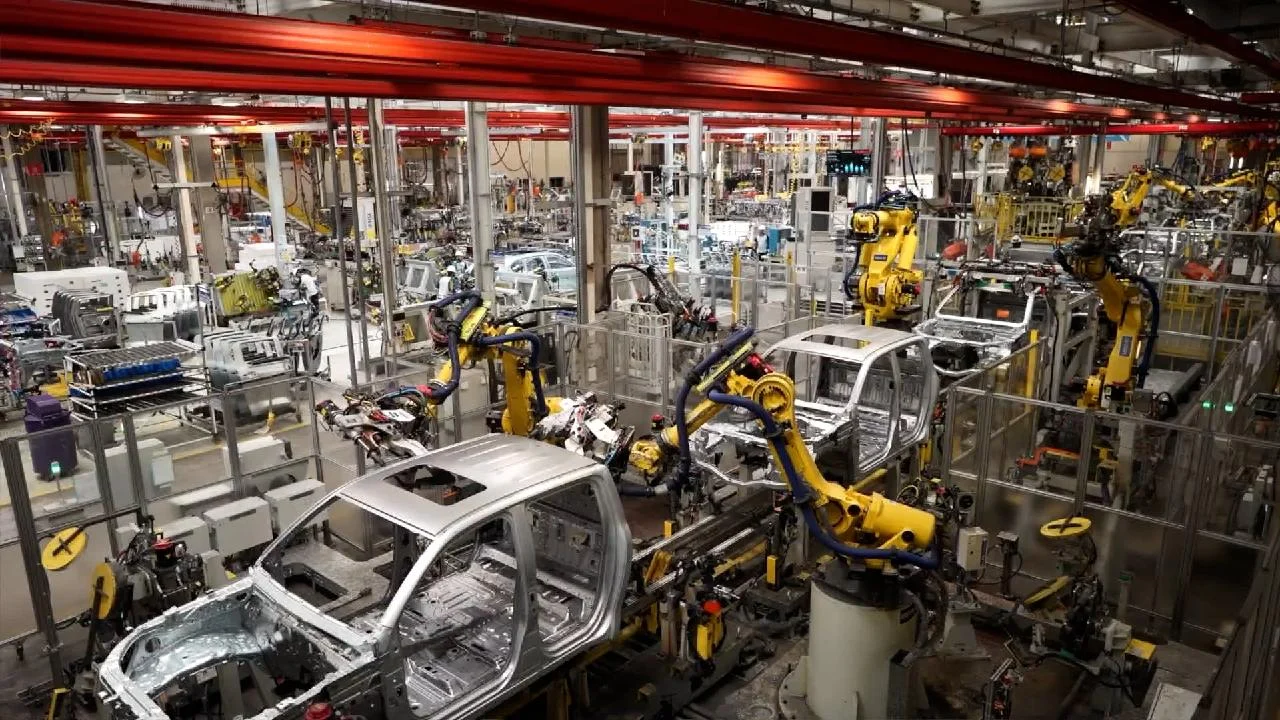
The landscape of industrial manufacturing is constantly shifting, driven by technological advancements and global economic forces. In Brazil, a notable transformation is underway, particularly within the automotive sector. Over the past few years, Brazilian factories have seen a significant increase in the adoption of industrial robots. This surge is not just a minor uptick; it represents a substantial modernization effort, with nearly 4,300 industrial robots installed in the past year alone. This figure marks a 38 percent increase compared to the previous year and is the highest number recorded in at least a decade.
A significant portion of these new robotic installations, almost half, have been deployed in car manufacturing plants. This concentration of automation in the automotive industry points to a strategic shift by manufacturers to enhance efficiency, precision, and production capacity. The International Federation of Robotics has identified investment by Chinese carmakers in Brazil as a primary driver behind this trend. As global automotive giants expand their operations and refine their production processes, the integration of advanced robotics becomes a key strategy for maintaining competitiveness and meeting market demands. This article will explore the factors contributing to this robotic revolution in Brazil’s auto industry, the benefits it brings, the challenges it presents, and the future outlook for automation in the region.
Understanding the Surge in Industrial Robotics
The increased deployment of industrial robots in Brazil’s automotive sector is a complex phenomenon with multiple contributing factors. While the direct investment from Chinese carmakers is a significant catalyst, other underlying economic and technological trends are also at play. Understanding these drivers is key to appreciating the full scope of this industrial transformation.
The Role of Chinese Carmakers
Chinese automotive companies have been increasingly active in the Brazilian market. As they establish or expand their manufacturing presence, they often bring with them the latest in production technology. This includes a higher degree of automation compared to older, more established facilities. These companies are looking to capture market share in one of South America’s largest economies. To do so efficiently and competitively, they are investing in modern production lines that heavily feature robotic systems. These systems can perform repetitive tasks with greater speed and accuracy than human workers, leading to higher output and consistent quality. The influx of these new, automated factories directly contributes to the overall rise in robot installations.
Global Trends in Automation
The trend towards automation is not unique to Brazil. Globally, industries are embracing robotics to improve productivity, reduce costs, and enhance worker safety. Advanced economies have been leading this charge for years, but developing economies are increasingly adopting these technologies as they become more accessible and cost-effective. The automotive industry, in particular, has always been at the forefront of adopting new manufacturing technologies. Robots are essential for tasks such as welding, painting, assembly, and material handling, all of which are critical in car production. Brazil’s automotive sector is responding to these global pressures by integrating more robots to remain competitive on an international scale.
Economic and Efficiency Drivers
Beyond specific company investments, broader economic factors are pushing for greater automation. In Brazil, like many countries, manufacturers face pressure to increase output while controlling costs. Robots can operate continuously with minimal downtime, leading to higher production volumes. They also reduce the need for manual labor in certain tasks, which can lower labor costs and mitigate risks associated with worker shortages or labor disputes. Furthermore, robots can perform tasks in environments that are hazardous or ergonomically challenging for humans, improving workplace safety and reducing injury rates. The consistent quality that robots provide also contributes to fewer defects and less waste, further boosting efficiency and profitability.
Technological Advancements and Accessibility
The robots themselves are becoming more advanced, versatile, and affordable. Modern industrial robots are more sophisticated, capable of performing more complex tasks and collaborating with human workers. Advances in artificial intelligence, machine learning, and sensor technology are making robots smarter and more adaptable. Simultaneously, the cost of robotic systems has decreased over time, making them a more viable investment for a wider range of companies, including those in emerging markets like Brazil. This combination of enhanced capability and reduced cost lowers the barrier to entry for automation.
Benefits of Increased Robotic Integration
The growing presence of robots in Brazilian automotive factories brings a host of advantages that can reshape the industry’s future. These benefits extend beyond mere production speed, impacting quality, safety, and the overall economic health of the sector.
Enhanced Production Efficiency and Speed
One of the most immediate benefits of robotic automation is a significant boost in production efficiency. Robots can perform tasks with unwavering consistency and at speeds that are often unattainable for human workers. In automotive manufacturing, this translates to faster assembly lines, quicker welding processes, and more rapid painting cycles. This increased speed allows factories to meet higher production targets and respond more agilely to market demand fluctuations. For example, a robotic arm can weld hundreds of points on a car body in the time it might take a human to complete a fraction of that work, ensuring that the production line keeps moving without bottlenecks.
Improved Product Quality and Consistency
Robots excel at performing repetitive tasks with extreme precision. This precision is critical in automotive manufacturing, where even minor variations can affect the structural integrity, safety, and aesthetic appeal of a vehicle. Robots can ensure that welds are perfectly placed and consistent, paint applications are uniform, and components are assembled with exact tolerances. This leads to a higher overall quality of the finished product and a reduction in defects. For consumers, this means more reliable vehicles with fewer issues, enhancing brand reputation and customer satisfaction. The consistency also reduces waste and rework, contributing to cost savings.
Increased Workplace Safety
Automotive manufacturing often involves tasks that are physically demanding, repetitive, or performed in hazardous environments. Welding, for instance, involves high heat and sparks, while painting requires exposure to chemicals. Robots can take over these dangerous jobs, significantly improving worker safety. By removing humans from these high-risk situations, companies can reduce the incidence of workplace injuries, strains, and long-term health problems. This not only benefits the employees but also reduces the company’s liability and associated costs related to accidents and worker compensation.
Cost Reduction and Competitiveness
While the initial investment in robotic systems can be substantial, they often lead to significant cost reductions in the long run. By increasing efficiency, reducing waste, and minimizing errors, robots contribute to lower per-unit production costs. Furthermore, by enabling higher production volumes and consistent quality, automation helps Brazilian car manufacturers become more competitive both domestically and internationally. This enhanced competitiveness can lead to increased market share, job creation in higher-skilled roles, and greater economic stability for the sector. The ability to produce vehicles more affordably and reliably is crucial in the global automotive market.
Flexibility and Adaptability
Modern industrial robots are not as rigid as their predecessors. With advancements in programming and control systems, robots can be reprogrammed to perform different tasks or adapt to new vehicle models. This flexibility allows manufacturers to update their production lines more easily when introducing new car designs or variations. While not as adaptable as human workers in every scenario, this technological flexibility is a significant improvement over older, fixed automation systems. It means factories can evolve with changing consumer preferences and technological advancements in vehicle design without requiring a complete overhaul of their machinery.
Challenges and Considerations in Robotic Adoption
Despite the clear advantages, the widespread adoption of robotics in Brazil’s automotive sector is not without its challenges. These hurdles require careful planning and strategic management to overcome, ensuring that the transition to increased automation is smooth and beneficial.
High Initial Investment Costs
The most significant barrier for many companies is the substantial upfront cost associated with purchasing, installing, and integrating industrial robots. This includes not only the robots themselves but also the necessary supporting infrastructure, such as specialized programming, safety systems, and modifications to the factory floor. For smaller or medium-sized enterprises within the automotive supply chain, this investment can be prohibitive, potentially widening the gap between large manufacturers and their suppliers. Securing financing and demonstrating a clear return on investment are critical steps for companies considering this path.
Need for Skilled Workforce and Training
While robots can reduce the need for manual labor in some areas, they create a demand for a new set of skills. Operating, maintaining, and programming these advanced machines requires a highly skilled workforce. This includes robotics technicians, automation engineers, and data analysts. Brazil’s current workforce may not possess these specialized skills in sufficient numbers. Therefore, significant investment in training and education programs is necessary to equip workers with the capabilities needed to manage and work alongside automated systems. This also involves retraining existing employees to adapt to new roles.
Integration Complexity and Technical Expertise
Integrating robots into existing production lines can be technically complex. It requires careful planning to ensure that robots work seamlessly with other machinery, software systems, and human operators. Compatibility issues, programming challenges, and the need for specialized technical expertise can slow down the implementation process. Companies must have access to skilled engineers and technicians who can manage this integration effectively. Without proper integration, the potential benefits of automation may not be fully realized, or the systems could even disrupt existing operations.
Job Displacement Concerns
A common concern associated with increased automation is the potential for job displacement. As robots take over tasks previously performed by humans, some workers may find their roles becoming redundant. This can lead to social and economic challenges, including unemployment and the need for workforce retraining. While automation often creates new, higher-skilled jobs, there can be a lag in the transition, and not all displaced workers may be able to acquire the new skills required. Responsible implementation strategies must include plans for managing workforce transitions and supporting affected employees.
Cybersecurity and Data Security
Industrial robots, especially those connected to networks for monitoring and control, are vulnerable to cybersecurity threats. A breach could lead to production disruptions, data theft, or even physical damage. Ensuring robust cybersecurity measures are in place to protect these systems is paramount. This includes secure network configurations, regular software updates, and employee training on cybersecurity best practices. The increasing connectivity of industrial equipment, often referred to as the Industrial Internet of Things (IIoT), amplifies these risks and necessitates a proactive approach to security.
The Future of Automotive Manufacturing in Brazil
The current wave of robotic integration is likely just the beginning of a more profound transformation in Brazil’s automotive manufacturing sector. As technology continues to advance and global competition intensifies, automation will play an even more critical role in shaping the industry’s future.
Continued Growth in Automation Adoption
The trend of increasing robot installations is expected to continue. As the technology becomes more sophisticated and cost-effective, more companies will find it feasible to invest in automation. We can anticipate a broader range of tasks being automated, from more complex assembly processes to quality control and logistics. The ongoing expansion of Chinese carmakers and the potential entry of other international players looking to leverage Brazil’s market will likely fuel further investment in advanced manufacturing technologies.
Evolution of Human-Robot Collaboration
The future of manufacturing is not solely about replacing humans with robots, but about fostering collaboration between them. As robots become more advanced and equipped with better sensors and AI, they will be able to work more closely and safely alongside human workers. This “cobot” (collaborative robot) approach allows humans to focus on tasks requiring dexterity, problem-solving, and creativity, while robots handle the repetitive, heavy, or precise work. This synergy can lead to even greater efficiency and innovation.
Smart Factories and Industry 4.0
The integration of robots is a key component of the broader shift towards “smart factories” and Industry 4.0. This involves creating highly automated, data-driven, and interconnected manufacturing environments. In such factories, robots will be part of a larger ecosystem of intelligent machines, sensors, and software that communicate and optimize production processes in real-time. Data analytics will play a crucial role in monitoring performance, predicting maintenance needs, and continuously improving efficiency. Brazil’s automotive sector will need to embrace these broader digital transformation trends to remain competitive.
Impact on Supply Chains and Local Economies
The increased automation will also have ripple effects throughout the automotive supply chain. Suppliers will need to adapt their own production processes to meet the demands of automated car factories, potentially leading to further automation in their operations. This could also influence where manufacturing facilities are located, as companies may prioritize areas with access to skilled labor and robust infrastructure capable of supporting advanced automation. The economic impact on local communities will depend on how effectively workforce transitions are managed and how new job opportunities are created.
Government and Policy Support
The Brazilian government and industry associations will likely play a role in shaping the future of automation. Policies that support workforce training, R&D in automation technologies, and incentives for investment in advanced manufacturing can help accelerate the transition and mitigate its negative impacts. International collaboration and knowledge sharing can also be beneficial, allowing Brazil to learn from the experiences of other countries that have undergone similar industrial transformations.
Conclusion
The surge in industrial robots within Brazil’s automotive manufacturing sector, significantly driven by investments from Chinese carmakers, marks a pivotal moment for the industry. This adoption of advanced automation promises enhanced efficiency, superior product quality, and improved workplace safety. However, it also presents challenges related to initial investment, workforce skills, and potential job displacement. As Brazil navigates this technological shift, a strategic approach that balances innovation with social responsibility will be essential. By investing in training, fostering human-robot collaboration, and embracing the principles of Industry 4.0, Brazil’s automotive sector can position itself for sustained growth and competitiveness in the global market. The future of car manufacturing in Brazil is increasingly automated, and embracing this evolution is key to its long-term success.



Conversation
0 Comments