

The global economic landscape is constantly shifting, influenced by policy decisions, technological advancements, and geopolitical events. One area that frequently sees policy adjustments is international investment, particularly outbound investment. Governments often implement measures to guide or restrict where their companies can invest abroad, citing reasons ranging from national security to economic competitiveness. Understanding these policies is crucial for businesses operating on a global scale. This article will explore the complexities of outbound investment restrictions, focusing on recent developments and their implications.
Understanding Outbound Investment Restrictions
Outbound investment refers to the flow of capital from a company or country to invest in businesses or assets located in another country. Governments may impose restrictions on such investments for several reasons. These can include protecting sensitive technologies, preventing the loss of critical industries, ensuring national security, or managing the country’s balance of payments. The nature and scope of these restrictions can vary widely, from outright bans on certain sectors to requirements for government approval for specific transactions.
The United States, for instance, has recently proposed expanding its outbound investment security program. This proposal aims to place further restrictions on U.S. companies investing in certain countries, particularly in technology sectors deemed critical. The stated goal is to prevent sensitive U.S. technology from being used in ways that could undermine national security. This move has drawn significant attention and, as reported by CGTN, has met with strong opposition from China.
China’s Response to Proposed U.S. Investment Curbs
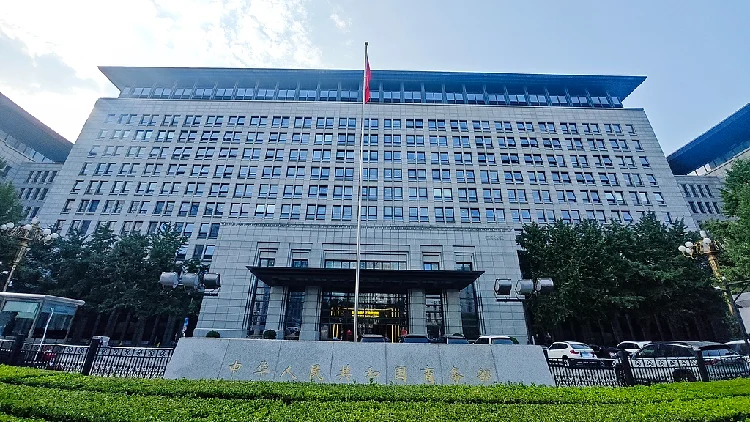
China has voiced grave concern and firm opposition to the U.S. Treasury’s proposed updates to its outbound investment security program. According to a spokesperson for China’s Ministry of Commerce, these proposed rules are seen as discriminatory and an overextension of the concept of national security. The spokesperson stated that such measures run counter to the consensus reached by the leaders of both nations and disrupt normal economic and trade cooperation.
The Chinese Ministry of Commerce highlighted that restricting investment in China would not only harm bilateral economic and trade ties but also negatively impact U.S. firms themselves. They emphasized that China’s vast market and immense consumption and investment potential make it an attractive place for future investment. China has urged the U.S. to adhere to market economy principles, avoid politicizing economic and trade issues, and foster an environment conducive to cooperation. The country also reserves the right to take corresponding measures in response to these developments.
This exchange underscores the delicate balance governments must strike between national security concerns and the promotion of international trade and investment. Policies designed to protect domestic interests can have far-reaching consequences, affecting global supply chains, market access, and the overall stability of the international economic order.
The Rationale Behind U.S. Outbound Investment Controls
The U.S. government’s rationale for imposing outbound investment controls typically centers on national security. The argument is that certain investments by U.S. entities in foreign countries, particularly in advanced technology sectors, could enable those countries to develop or enhance capabilities that pose a threat to U.S. security interests. This can include advancements in artificial intelligence, quantum computing, semiconductors, and biotechnology, among others.
The proposed expansion of the outbound investment security program suggests a broadening of the scope of technologies and countries considered to be of national security concern. This approach reflects a growing trend among nations to view economic interdependence through a national security lens, leading to increased scrutiny of cross-border capital flows.
The process for implementing such controls often involves public comment periods, allowing stakeholders to provide feedback on the proposed regulations. This is a standard practice designed to ensure that the regulations are well-informed and consider potential impacts on businesses and the economy. However, the substance of the proposed rules themselves can be a point of contention, as seen in China’s reaction.
Economic Implications of Investment Restrictions
The economic implications of outbound investment restrictions are multifaceted. For the country imposing the restrictions, the aim is often to retain critical technologies and industries domestically, fostering innovation and job creation. However, such measures can also lead to reduced access to foreign markets for domestic companies, potentially limiting their growth and competitiveness.
For the targeted countries, restrictions can mean a loss of foreign direct investment, which can slow down economic development, hinder technological advancement, and reduce job opportunities. In the case of U.S. restrictions on outbound investment in China, it could mean U.S. companies miss out on opportunities in one of the world’s largest and fastest-growing markets. This could also lead to a redirection of investment flows towards other countries, potentially benefiting competitors.
Furthermore, these restrictions can create uncertainty and complexity for businesses, increasing compliance costs and potentially deterring investment altogether. Companies may find it more challenging to plan long-term strategies when faced with unpredictable policy changes. The interconnectedness of the global economy means that actions taken by one major economic power can have ripple effects worldwide.
Geopolitical Context and International Trade Relations
The proposed U.S. outbound investment curbs are situated within a broader geopolitical context characterized by increasing competition and strategic rivalry between major global powers. The relationship between the United States and China, in particular, has seen periods of both cooperation and tension, with trade and technology often at the forefront of these dynamics.
Measures like outbound investment restrictions can be seen as tools used in this strategic competition. They reflect a desire by governments to gain or maintain a technological edge, secure supply chains, and exert influence in the global arena. However, such actions can also escalate tensions and lead to retaliatory measures, potentially triggering trade disputes and further fragmenting the global economy.
The international trade order, built on principles of free trade and open markets, is being tested by these developments. The rise of protectionist policies and the increasing use of national security as a justification for economic restrictions challenge the established norms and institutions that have governed global commerce for decades. The World Trade Organization (WTO) and other international bodies play a role in mediating these disputes, but their effectiveness can be limited when major powers prioritize unilateral actions.
The Role of National Security in Economic Policy
The concept of national security has become increasingly intertwined with economic policy. Governments are more frequently citing national security as a reason for intervening in markets, controlling trade, and regulating investments. This shift reflects a recognition that economic strength and technological prowess are fundamental to a nation’s security.
However, there is a risk that the concept of national security can be overstretched, used as a pretext to pursue protectionist or geopolitical objectives. This is precisely the concern raised by China regarding the U.S. proposal. When national security becomes a broad justification for economic restrictions, it can lead to arbitrary decision-making and undermine the principles of fair competition and open markets.
The challenge for policymakers is to strike a careful balance. They must identify genuine national security threats and implement targeted measures to address them, without resorting to broad protectionism that harms economic growth and international cooperation. This requires clear definitions, transparent processes, and a commitment to multilateralism.
Impact on Global Supply Chains and Innovation
Outbound investment restrictions can have a significant impact on global supply chains and the pace of innovation. Companies often rely on international networks of suppliers, manufacturers, and distributors to operate efficiently. Restrictions on where companies can invest or source materials can disrupt these established chains, leading to increased costs, delays, and reduced efficiency.
For innovation, the free flow of capital and ideas is often essential. When investment is restricted, it can limit the ability of companies to access new technologies, collaborate with international partners, and tap into diverse talent pools. This can slow down the development of new products and services and hinder the overall progress of innovation.
Conversely, some argue that restrictions can spur domestic innovation by forcing companies to develop indigenous capabilities. However, this often comes at the cost of efficiency and may not always lead to the most advanced or competitive technologies in the long run. The global nature of research and development means that collaboration and cross-border investment have historically been powerful drivers of progress.
Navigating the Future of International Investment
The trend towards increased scrutiny of international investments, particularly in strategic sectors, is likely to continue. Businesses operating globally must remain vigilant and adapt to this evolving landscape. This involves staying informed about policy changes in key markets, understanding the rationale behind them, and assessing their potential impact on operations.
Companies may need to diversify their supply chains, explore new markets, and build resilience into their business models. They may also need to engage more actively with governments and policymakers to advocate for policies that support open trade and investment while addressing legitimate national security concerns.
The future of international investment will likely be shaped by a complex interplay of economic, technological, and geopolitical factors. Finding a path forward that balances national security with economic prosperity and global cooperation will be a significant challenge for governments and businesses alike. The dialogue between countries, such as the one between China and the U.S. regarding investment curbs, is essential for navigating these complexities and fostering a more stable and predictable international economic environment.
The Importance of Market Principles and Cooperation
China’s Ministry of Commerce spokesperson emphasized the importance of respecting market economy principles and fostering cooperation. This sentiment highlights a fundamental tension in current global economic policy debates. On one hand, governments are increasingly inclined to intervene in the economy for strategic reasons. On the other hand, the principles of free markets, competition, and open trade have historically driven global economic growth and prosperity.
When economic and trade issues become politicized or weaponized, it can create an environment of distrust and uncertainty. This can deter investment, disrupt trade flows, and ultimately harm all parties involved. The call for creating a sound environment for bilateral economic and trade cooperation suggests a desire for a more predictable and stable relationship, where business decisions are based on economic fundamentals rather than geopolitical considerations.
The challenge lies in finding common ground and establishing frameworks for cooperation that can accommodate legitimate national security concerns without undermining the benefits of global economic integration. This requires open communication, a willingness to compromise, and a shared commitment to upholding international trade rules.
Conclusion
The proposed expansion of U.S. outbound investment curbs and China’s firm opposition highlight the growing complexities and tensions in international economic relations. As nations grapple with balancing national security imperatives against the benefits of global trade and investment, the landscape for businesses operating across borders becomes increasingly intricate. The trend towards greater scrutiny of capital flows, particularly in sensitive technology sectors, signals a potential shift in the global economic order.
For companies, navigating this environment requires a proactive approach. Understanding the motivations behind these policy shifts, assessing their potential impacts on operations and supply chains, and advocating for balanced, market-oriented policies are essential steps. The future of international investment will depend on the ability of nations to foster cooperation, respect market principles, and find solutions that promote both security and prosperity in an interconnected world. The ongoing dialogue and the potential for retaliatory measures underscore the need for careful diplomacy and a commitment to a stable global economic framework.



Conversation
0 Comments