

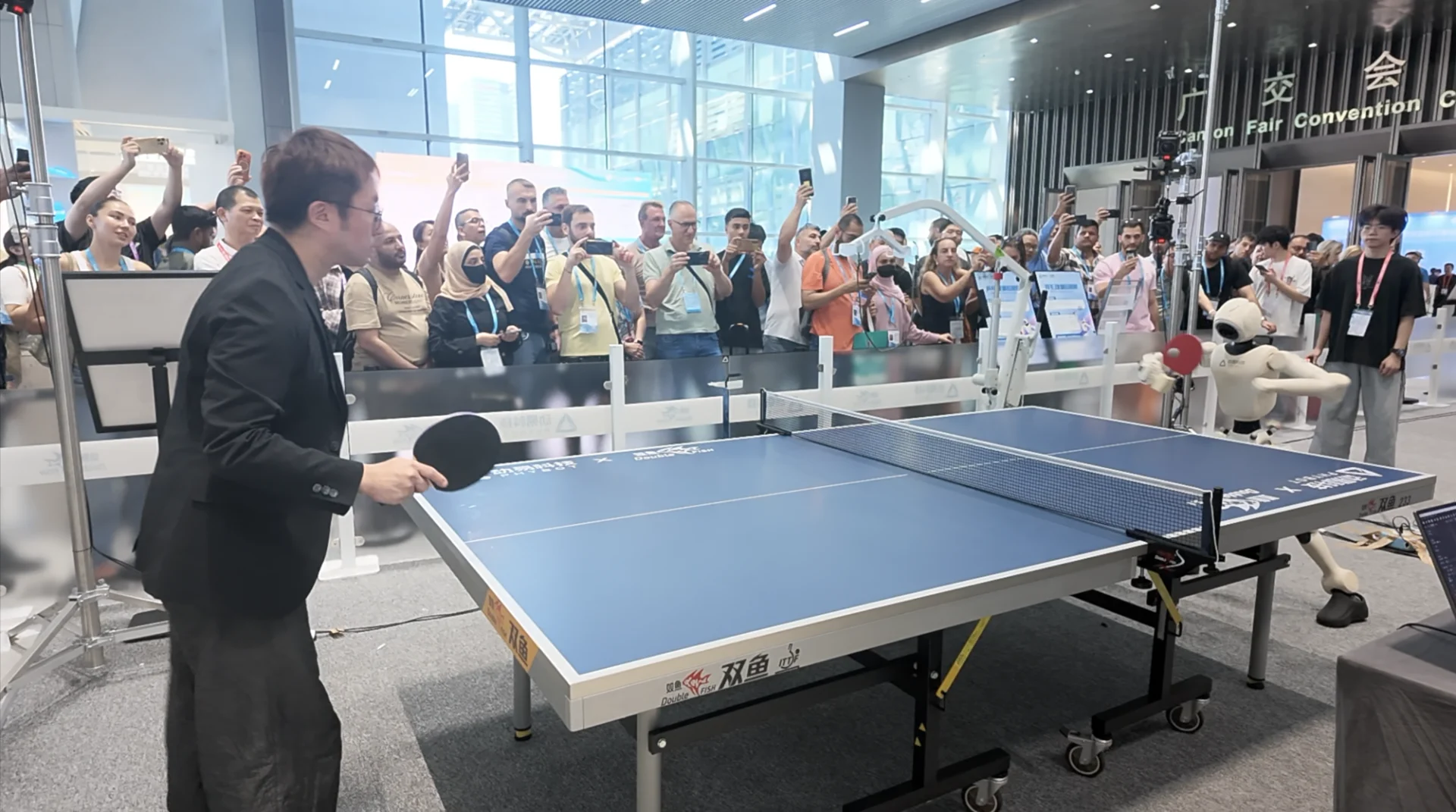
The Canton Fair, officially known as the China Import and Export Fair, stands as a monumental event in global trade. Established in 1957, it has grown to become China’s longest-running and largest trade fair, a testament to the nation’s economic transformation and its increasing integration into the global marketplace. This analysis delves into the structure and significance of the Canton Fair, exploring its evolution over seven decades and its role as a barometer for China’s economic development and international trade policies. We will examine how this pivotal event has adapted to changing economic landscapes, technological advancements, and global trade dynamics, making it an indispensable platform for businesses worldwide.
The Genesis and Evolution of the Canton Fair
The Canton Fair was born out of a strategic decision by China to open its doors to international trade. In the mid-20th century, China’s economy was largely closed off. The establishment of the fair in Guangzhou (formerly Canton) marked a significant shift, aiming to foster trade relationships and showcase Chinese products to the world. The initial fairs were modest by today’s standards, focusing on a limited range of goods and primarily serving socialist bloc countries. However, they laid the groundwork for what would become a global trading powerhouse.
Over the decades, the Canton Fair has mirrored China’s economic reforms and opening-up policies. The early years saw a gradual increase in participating countries and product categories. As China’s manufacturing capabilities grew, so did the diversity and sophistication of the goods presented at the fair. The fair’s structure also evolved, moving from a single annual event to two sessions per year, held in the spring and autumn, to accommodate the growing demand and broader range of industries. This expansion allowed for more specialized exhibitions, catering to specific sectors and buyer needs.
The fair’s transition from a primarily export-oriented platform to a dual circulation model, incorporating both import and export, reflects China’s broader economic strategy. This shift has broadened the fair’s appeal, attracting not only Chinese manufacturers seeking global markets but also international companies looking to tap into China’s vast domestic consumer base. The increasing emphasis on innovation, technology, and sustainable development within the fair’s exhibits further underscores its adaptation to contemporary global trends.
Structural Framework of the Canton Fair
The Canton Fair operates with a well-defined structure designed to maximize efficiency and facilitate business interactions. It is divided into two phases, each focusing on different product categories. This phased approach allows for a concentrated showcase of related industries, enabling buyers and sellers to navigate the vast exhibition space more effectively.
Phase I: Industrial Goods and Consumer Products
The first phase typically features a wide array of industrial products, including electronics and home appliances, hardware, tools, machinery, vehicles and spare parts, and building materials. This phase is crucial for buyers seeking raw materials, manufacturing equipment, and components for production. The sheer volume and variety of industrial goods on display highlight China’s robust manufacturing sector and its role as a global supplier.
Phase II: Consumer Goods and Lifestyle Products
The second phase shifts focus to consumer goods, encompassing items like kitchenware, tableware, home decorations, furniture, ceramics, and personal care products. This phase caters to retailers, distributors, and importers looking for finished products to sell in their respective markets. The emphasis here is on design, quality, and market trends, reflecting the growing sophistication of Chinese consumer product manufacturing.
Phase III: Textiles, Apparel, and Healthcare
The third phase traditionally covers textiles, apparel, footwear, bags, luggage, and office supplies, as well as food and agricultural products, and medical devices and healthcare products. This phase addresses the needs of industries focused on consumer lifestyle, health, and daily necessities. The inclusion of food and agricultural products, in particular, showcases China’s agricultural advancements and its role in global food supply chains.
Each phase is meticulously organized with dedicated exhibition halls for different product categories. The layout is designed for logical flow, with clear signage and information booths to assist visitors. The fair also incorporates specialized zones for new and innovative products, high-tech items, and brands, providing a platform for cutting-edge developments.
The Canton Fair as a Mirror of China’s Economic Development
The Canton Fair has served as a critical barometer for China’s economic trajectory since its inception. Its evolution is inextricably linked to the nation’s “reform and opening-up” policies, which began in the late 1970s. As China transitioned from a centrally planned economy to a socialist market economy, the Canton Fair adapted, becoming a vital conduit for foreign investment and technological exchange.
In the early years of reform, the fair was instrumental in attracting foreign buyers and showcasing China’s emerging manufacturing capabilities. It provided a crucial platform for Chinese enterprises to learn about international market demands, quality standards, and business practices. The fair’s growth in scale and scope directly correlated with China’s rapid industrialization and its ascent as the “world’s factory.”
The increasing presence of multinational corporations as exhibitors and buyers at the Canton Fair further illustrates China’s growing economic influence. The fair has evolved from a platform primarily for Chinese exports to a comprehensive trade event that facilitates both imports and exports, reflecting China’s dual circulation strategy. This strategy aims to balance domestic demand with international trade, creating a more resilient and self-sustaining economy.
The fair’s ability to adapt to global economic shifts, such as the rise of e-commerce and digital trade, is also noteworthy. While maintaining its traditional exhibition format, the Canton Fair has increasingly integrated online components, offering virtual booths and online matchmaking services. This hybrid approach ensures its relevance in an increasingly digitalized global trade landscape.
Impact on Global Trade and Business
The Canton Fair’s impact extends far beyond China’s borders. It serves as a critical sourcing hub for businesses worldwide, offering access to a vast array of products at competitive prices. For many international companies, attending the Canton Fair is an essential part of their supply chain strategy, allowing them to connect directly with manufacturers, negotiate terms, and discover new product lines.
The fair fosters direct business-to-business (B2B) interactions, which are vital for building long-term trade relationships. Buyers can inspect products firsthand, assess manufacturing quality, and engage in face-to-face negotiations, which often lead to more successful and sustainable partnerships. The sheer concentration of suppliers in one location saves buyers significant time and resources compared to sourcing from individual factories.
Furthermore, the Canton Fair plays a role in promoting Chinese brands and innovation. Increasingly, Chinese companies are not just focusing on manufacturing but also on developing their own brands and proprietary technologies. The fair provides a stage for these companies to showcase their advancements and build their international reputation. This shift signifies China’s move up the value chain, from being a low-cost manufacturer to an innovator and brand builder.
The fair also serves as an educational platform, offering insights into market trends, technological innovations, and regulatory changes. Seminars, forums, and product launch events held during the fair provide valuable information for participants, helping them stay abreast of industry developments and make informed business decisions.
Navigating the Canton Fair: Tips for Success
Attending the Canton Fair can be an overwhelming experience due to its immense scale. However, with proper planning and strategy, businesses can maximize their return on investment.
Pre-Fair Preparation
Thorough research is paramount. Identify the specific product categories and exhibitors that align with your business needs. Review the exhibitor list and the fair’s official website to create a targeted list of companies to visit. It is also advisable to schedule appointments with key suppliers in advance to ensure dedicated time for discussions.
During the Fair
Efficient Navigation: Utilize the fair’s official app or directory to locate exhibitors and plan your route. The phased approach of the fair is designed to help manage the flow of visitors, so understanding which phase best suits your needs is crucial.
Effective Communication: While many exhibitors have English-speaking representatives, having a translator can be beneficial for detailed technical discussions or complex negotiations. Be prepared to discuss product specifications, minimum order quantities (MOQs), pricing, payment terms, and lead times.
Quality Assessment: Do not solely rely on product samples. Inquire about the manufacturer’s quality control processes, certifications, and production capacity. Visiting multiple suppliers for the same product category allows for comparison and better negotiation.
Documentation: Keep detailed records of your interactions, including business cards, product brochures, and notes on discussions. This will be invaluable for follow-up after the fair.
Post-Fair Follow-up
The work does not end when the fair concludes. Prompt follow-up with the suppliers you met is essential. Send personalized emails reiterating your interest, confirming discussed terms, and requesting any additional information needed. Building a strong relationship with your suppliers is key to long-term success.
The Canton Fair’s Digital Transformation
In response to global trends and the challenges posed by events like the COVID-19 pandemic, the Canton Fair has embraced digital transformation. The introduction of online platforms has extended the fair’s reach, allowing participation from individuals and companies unable to attend in person.
The online Canton Fair features virtual exhibition halls where exhibitors can showcase their products through detailed descriptions, images, videos, and 3D models. Buyers can browse these virtual booths, communicate with exhibitors via live chat or video conferencing, and even participate in online sourcing meetings. This digital dimension has made the fair more accessible and has opened up new avenues for trade.
The integration of online and offline elements, creating a “phygital” experience, is likely to be the future of trade fairs. This hybrid model allows for the best of both worlds: the tangible experience of product inspection and face-to-face negotiation at the physical fair, combined with the global reach and convenience of the online platform. This adaptability ensures the Canton Fair remains a dynamic and relevant force in international trade.
Challenges and Future Outlook
Despite its long history and success, the Canton Fair, like all major trade events, faces ongoing challenges. Global economic uncertainties, geopolitical shifts, and evolving trade policies can impact participation and trade volumes. The increasing competition from other trade fairs and online sourcing platforms also requires continuous innovation.
However, the Canton Fair’s deep roots in China’s economic development and its proven ability to adapt suggest a strong future. As China continues to play a pivotal role in the global economy, the Canton Fair will likely remain a key platform for international trade. Its future success will depend on its continued ability to embrace technological advancements, promote sustainability, and cater to the evolving needs of global businesses.
The fair’s role in fostering innovation and promoting high-quality, sustainable products will become increasingly important. As global consumers become more conscious of environmental and social issues, exhibitors who can demonstrate their commitment to these principles will likely gain a competitive edge. The Canton Fair is well-positioned to highlight these advancements and guide the industry towards a more responsible future.
The enduring legacy of the Canton Fair is its role as a bridge between China and the world. For over seven decades, it has facilitated countless business deals, fostered economic growth, and served as a tangible representation of China’s engagement with the global community. Its structure, evolution, and impact underscore its importance not just as a trade fair, but as a significant institution in the history of global commerce.
The Canton Fair’s organizational structure, with its phased approach and specialized exhibition zones, is a testament to its commitment to providing a focused and efficient experience for attendees. This meticulous planning ensures that buyers can effectively source products across a vast spectrum of industries, from heavy machinery to consumer electronics and textiles. The fair’s ability to adapt its offerings to align with China’s industrial strengths and evolving economic priorities has been key to its sustained relevance.
For instance, the increasing focus on high-tech products, green energy solutions, and advanced manufacturing equipment in recent phases reflects China’s strategic shift towards innovation-driven growth. This adaptation ensures that the Canton Fair remains at the forefront of emerging industry trends, attracting buyers looking for the latest technological advancements. The inclusion of dedicated zones for these sectors further streamlines the sourcing process for specialized buyers.
The fair’s commitment to internationalization is also evident in its efforts to attract global exhibitors and buyers. While historically focused on showcasing Chinese exports, the Canton Fair has increasingly opened its doors to international companies seeking to access the Chinese market. This reciprocal approach enhances the diversity of products and services available, making the fair a truly global marketplace. The growing presence of imported goods and services within the fair’s exhibition space signifies its evolving role as a platform for two-way trade.
Moreover, the Canton Fair’s continuous efforts to enhance the attendee experience are crucial. This includes improvements in logistics, accommodation assistance, visa support, and digital services. The development of a robust online platform, complementing the physical exhibition, has been a significant step in this direction. This hybrid model allows for broader participation and offers flexibility for businesses that may face travel restrictions or prefer digital engagement. The online platform provides access to exhibitor information, product catalogs, and virtual meeting capabilities, extending the fair’s reach beyond geographical limitations.
The fair’s long-standing tradition, combined with its forward-looking approach, positions it as an indispensable event for anyone involved in international trade. Its structure is a carefully orchestrated system designed to facilitate connections, drive commerce, and reflect the dynamic nature of the global economy. As China continues to evolve as a global economic powerhouse, the Canton Fair will undoubtedly remain a central stage for international business engagement.
The application link for the Canton Fair can be found on its official website, which is regularly updated with information regarding registration, exhibition details, and visitor services. Prospective attendees are encouraged to visit the official Canton Fair website to access the most current information and application procedures.
Conclusion
The Canton Fair, with its rich history spanning over seven decades, stands as a powerful symbol of China’s economic transformation and its integral role in global trade. Its meticulously structured phases, dedicated to diverse product categories, allow for efficient sourcing and business development. The fair has consistently evolved alongside China’s economic policies, adapting from a nascent trade platform to a sophisticated global marketplace that mirrors the nation’s industrial prowess and growing emphasis on innovation.
As a critical barometer of China’s economic development, the Canton Fair has facilitated foreign investment, technological exchange, and the growth of Chinese brands. Its impact resonates globally, serving as a vital sourcing hub and a platform for forging international business relationships. The fair’s embrace of digital transformation, with its integrated online and offline components, ensures its continued relevance in an ever-changing trade landscape. Despite facing contemporary challenges, the Canton Fair’s proven adaptability and its strategic position within the global economy suggest a promising future as a cornerstone of international commerce.


Conversation
0 Comments