

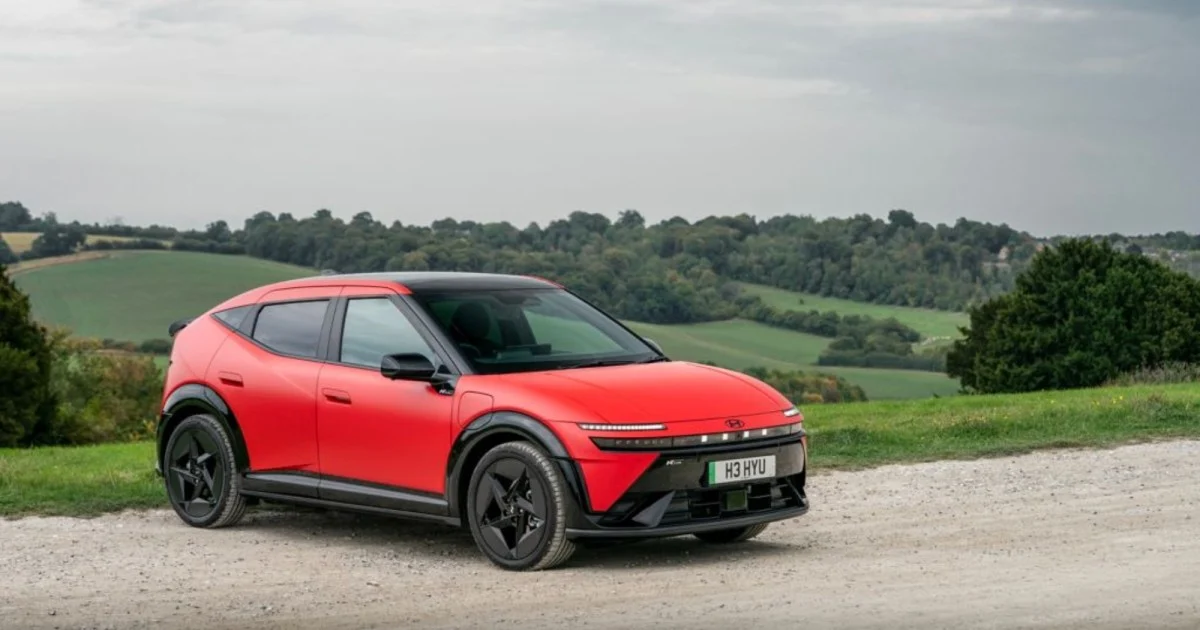
Hyundai’s Hydrogen Ambitions: A Glimpse into the Future of Fuel Cells
For years, hydrogen-powered cars have been positioned as the next big thing in automotive technology, perpetually on the cusp of widespread adoption but never quite arriving. While electric vehicles (EVs) have captured the public’s imagination and a significant share of the market, some automakers, like Hyundai, are quietly continuing to explore the potential of hydrogen fuel cell technology. This exploration is not about immediate mass-market appeal but rather a strategic look at energy security and the long-term evolution of transportation. Hyundai’s Australian arm, for instance, has indicated that hydrogen is “not dead” for passenger cars, suggesting a continued evaluation of next-generation fuel cell vehicles, provided there’s a market for them.
The automotive industry is in a period of rapid transformation. As governments worldwide implement stricter emissions regulations and consumers increasingly demand sustainable transportation options, the focus has largely shifted to battery electric vehicles. However, the path to a fully electric future is complex, with challenges related to charging infrastructure, battery production, and raw material sourcing. This is where hydrogen fuel cell technology, despite its own hurdles, continues to hold a certain allure for manufacturers like Hyundai. The company’s ongoing interest suggests a belief that hydrogen could play a role, perhaps a complementary one, in the future automotive landscape.
This article will delve into Hyundai’s persistent interest in hydrogen cars, examining the reasons behind this commitment, the current state of fuel cell technology, and the significant obstacles that stand in the way of widespread adoption. We will also explore how evolving regulations, particularly in markets like Australia, could influence the pricing and availability of various vehicle types, including hybrids and potentially hydrogen-powered cars.
Why Hyundai Continues to Invest in Hydrogen
Hyundai’s sustained interest in hydrogen fuel cell vehicles stems from a strategic perspective on energy security and the diversification of automotive power sources. In regions like Australia, where abundant renewable energy resources such as sun and wind exist, alongside existing fossil fuel infrastructure, hydrogen presents an appealing option for powering transportation. This approach aligns with a broader vision of utilizing a mix of energy sources to meet future mobility needs, rather than relying solely on one technology.
The company has already made strides in this area, with its hydrogen SUV, the Nexo, being certified for markets like Australia. Although its arrival has faced delays, the continued evaluation of this model or a successor highlights Hyundai’s commitment. The core advantage of hydrogen fuel cell vehicles lies in their ability to produce electricity on demand, converting hydrogen gas into electricity through a chemical reaction, with water vapor as the only byproduct. This process offers a compelling alternative to battery electric vehicles, particularly in terms of refueling time and driving range, which are often cited as key concerns for potential EV buyers.
Furthermore, the development of hydrogen technology aligns with Hyundai’s broader sustainability goals. By investing in fuel cells, the company is not only exploring a potential future automotive solution but also contributing to the advancement of clean energy technologies. This dual focus on market strategy and environmental responsibility underscores the multifaceted nature of Hyundai’s hydrogen ambitions. The automaker’s forward-thinking approach suggests a belief that hydrogen, despite its current challenges, could become a significant player in the long-term transition to cleaner transportation.
The Current Landscape of Hydrogen Fuel Cell Technology
Hydrogen fuel cell technology has been in development for decades, promising a clean and efficient way to power vehicles. The fundamental principle involves a fuel cell stack that combines hydrogen and oxygen to produce electricity, with water as the only emission. This process is often lauded for its environmental benefits, as it produces zero tailpipe pollutants. For vehicles, this translates to a driving experience similar to that of electric cars, with quiet operation and instant torque, but with the added advantage of much faster refueling times compared to charging an electric battery.
However, the widespread adoption of hydrogen fuel cell vehicles (FCVs) faces significant hurdles. One of the most prominent challenges is the lack of robust hydrogen refueling infrastructure. Unlike the rapidly expanding network of EV charging stations, hydrogen fueling stations are scarce and expensive to build. This scarcity makes it difficult for consumers to own and operate FCVs, as finding a place to refuel can be a major inconvenience. The cost of building and maintaining these stations, along with the specialized equipment required, contributes to the overall expense of hydrogen mobility.
Another critical factor is the cost of hydrogen fuel itself. While the production of “green” hydrogen, derived from renewable energy sources through electrolysis, is becoming more viable, it remains more expensive than traditional fossil fuels or even electricity for charging EVs. The energy-intensive process of producing, compressing, and transporting hydrogen adds to its cost. This higher fuel cost, combined with the premium price of FCVs, makes them less economically attractive to the average consumer compared to conventional gasoline-powered cars or increasingly affordable electric vehicles.
Despite these challenges, research and development continue to improve the efficiency and reduce the cost of fuel cell technology. Automakers like Hyundai are investing in next-generation fuel cell systems that are more compact, powerful, and cost-effective. The goal is to overcome the current limitations and make hydrogen vehicles a more practical and appealing option for consumers in the future. The journey is long, but the potential benefits of a hydrogen-powered transportation system, particularly in terms of emissions reduction and energy independence, continue to drive innovation.
Challenges to Widespread Hydrogen Vehicle Adoption
The path to widespread adoption of hydrogen fuel cell vehicles is paved with significant challenges, extending beyond the technological and infrastructural issues already discussed. One of the most substantial barriers is the high cost of hydrogen vehicles. Currently, FCVs are considerably more expensive to purchase than comparable gasoline-powered cars or even many electric vehicles. This price premium is largely due to the complexity and cost of manufacturing fuel cell stacks, which rely on expensive materials like platinum as a catalyst, and the specialized high-pressure tanks required for hydrogen storage. Until these costs can be significantly reduced, FCVs will remain out of reach for a large segment of the car-buying public.
Beyond the initial purchase price, the cost and availability of hydrogen fuel present another major obstacle. While the ideal scenario involves “green” hydrogen produced from renewable energy, the majority of hydrogen is currently produced from natural gas, a process that still generates carbon emissions. Even with green hydrogen, the energy required for electrolysis, compression, and transportation adds to the overall expense. This makes hydrogen fuel more costly per mile than electricity for EVs or gasoline for internal combustion engine vehicles in many regions. Consumers are unlikely to switch to a technology that is more expensive to fuel, especially when other viable alternatives exist.
The limited refueling infrastructure remains a critical bottleneck. Building a comprehensive network of hydrogen fueling stations requires substantial investment and logistical planning. These stations are complex and expensive to construct and operate, and their deployment is often dependent on a critical mass of FCVs on the road to justify the investment. Without readily available fueling stations, potential buyers are hesitant to purchase FCVs due to range anxiety, similar to early concerns with EVs, but with an even more limited network. This creates a classic chicken-and-egg problem: more cars are needed to justify stations, and more stations are needed to encourage car purchases.
Finally, public perception and education play a role. Hydrogen technology is less understood by the general public compared to gasoline engines or even electric vehicles. Concerns about the safety of storing and transporting hydrogen, although largely addressed by rigorous safety standards and engineering, can persist. Educating consumers about the benefits and safety of FCVs, and demonstrating their reliability and convenience, will be crucial for building consumer confidence and driving demand. Overcoming these multifaceted challenges will require sustained technological advancements, significant infrastructure investment, supportive government policies, and effective public outreach.
The Impact of Regulations on Vehicle Pricing and Availability
Government regulations play a pivotal role in shaping the automotive market, influencing not only emissions standards but also the pricing and availability of different vehicle types. In markets like Australia, schemes such as the New Vehicle Efficiency Scheme (NVES) are designed to penalize automakers whose vehicle fleets exceed certain CO2 emission targets. As these targets become progressively stricter, car manufacturers face increasing pressure to offer more fuel-efficient or zero-emission vehicles.
The implications of such regulations can be far-reaching. For instance, a report from CarExpert highlighted that under Australia’s proposed NVES changes, which would lower the passenger car CO2 limit from 117 to 92 grams per kilometer starting January 1, 2027, a significant number of hybrid vehicle variants could exceed their targets. This could lead to increased costs for these popular vehicles as manufacturers pass on penalties or invest in cleaner alternatives. Conversely, a smaller number of models, including some Lexus hybrids, might escape these penalties.
This regulatory environment can create a complex dynamic for consumers. On one hand, it drives innovation and the adoption of cleaner technologies. On the other hand, it can inadvertently make certain vehicle types, like hybrids, more expensive. For consumers who cannot afford or are not yet ready to transition to a fully electric vehicle, a pricier hybrid might become less accessible. This could lead to a situation where individuals are compelled to keep driving older, less efficient vehicles, potentially exacerbating road safety and environmental concerns, especially in the context of rising road tolls and emissions.
Hyundai’s perspective on these regulations is noteworthy. The company has voiced concerns that tighter efficiency standards could disproportionately affect drivers who are not yet in a position to adopt EVs. This includes those who may not have access to charging facilities, cannot tow with an EV, or simply cannot afford the higher upfront cost of electric or advanced hybrid models. The warning from Hyundai suggests a potential future where cleaner car technologies, while advancing, might become harder to afford for a broader segment of the population, creating a divide between those who can access the latest advancements and those who are left behind. This highlights the delicate balance governments must strike when implementing environmental policies to ensure they promote sustainability without creating undue financial burdens on consumers.
Hyundai’s Next Steps and the Future of Hydrogen
Hyundai’s continued exploration of hydrogen fuel cell technology, even as battery electric vehicles dominate headlines, suggests a long-term vision that acknowledges the potential complexities and diverse needs of the future mobility landscape. While the company has not announced specific new hydrogen car models for immediate release, its ongoing commitment implies a strategic patience. This approach is likely driven by the belief that hydrogen could offer unique advantages in certain applications or markets, especially where rapid refueling and long driving ranges are paramount, or where charging infrastructure remains a significant challenge.
The automaker’s Australian division has been particularly vocal about the ongoing relevance of hydrogen. The certification of the Hyundai Nexo, a hydrogen fuel cell SUV, for the Australian market, even with its delayed arrival, signals a tangible step. Whether this leads to a broader rollout or serves as a platform for testing and development of future generations of fuel cell vehicles remains to be seen. The critical factor, as acknowledged by Hyundai representatives, is cost. The technology is currently not as cheap as electric alternatives, and this cost differential, particularly for passenger cars, is a major hurdle to overcome.
Looking ahead, Hyundai’s strategy likely involves a multi-pronged approach to electrification and alternative fuels. This means continuing to invest heavily in battery electric vehicles, which are currently the most viable mass-market solution for reducing emissions. Simultaneously, the company will likely continue to refine its fuel cell technology, aiming to reduce production costs and improve efficiency. This parallel development allows Hyundai to remain adaptable, ready to capitalize on emerging opportunities and address evolving market demands and regulatory landscapes.
The future of hydrogen cars, therefore, is not necessarily about replacing EVs but potentially complementing them. Hydrogen could find its niche in heavy-duty transport, long-haul trucking, or specific passenger car segments where its unique benefits outweigh its current drawbacks. Hyundai’s sustained interest suggests they are positioning themselves to be a leader in this potential future, even if that future is still some years away from widespread consumer adoption. The company’s commitment to hydrogen is a testament to its belief in technological diversity as a means to achieve sustainable mobility for all.
Conclusion
Hyundai’s persistent exploration of hydrogen fuel cell technology underscores a forward-thinking approach to the evolving automotive industry. While electric vehicles have captured the current spotlight, Hyundai recognizes that a diverse range of solutions may be necessary to achieve long-term sustainability and meet varied consumer needs. The company’s commitment, particularly highlighted by its Australian operations, indicates a belief in the potential of hydrogen, driven by strategic considerations like energy security and the desire to offer alternatives to battery-electric powertrains.
However, the path forward for hydrogen cars is fraught with significant challenges. The high cost of the vehicles themselves, the expense and scarcity of hydrogen fuel, and the underdeveloped refueling infrastructure remain substantial barriers to widespread adoption. These economic and practical hurdles mean that hydrogen vehicles are unlikely to become a common sight on driveways anytime soon, as acknowledged by industry insiders.
Furthermore, the impact of environmental regulations, while crucial for driving cleaner technologies, can also influence vehicle affordability. Stricter emissions standards could inadvertently increase the cost of popular hybrid models, potentially making advanced, cleaner vehicles less accessible to a broader segment of the population. This highlights the complex interplay between environmental policy, technological development, and consumer economics.
Despite these obstacles, Hyundai’s continued investment in fuel cell technology suggests a long-term perspective. The company is likely hedging its bets, developing expertise in multiple clean energy pathways. While battery electric vehicles will undoubtedly continue to lead the charge in the immediate future, Hyundai’s sustained interest in hydrogen positions it to potentially capitalize on future breakthroughs or niche market opportunities. The journey for hydrogen cars is far from over, and Hyundai remains a key player in this ongoing exploration of what the future of automotive power might hold.



Conversation
0 Comments