

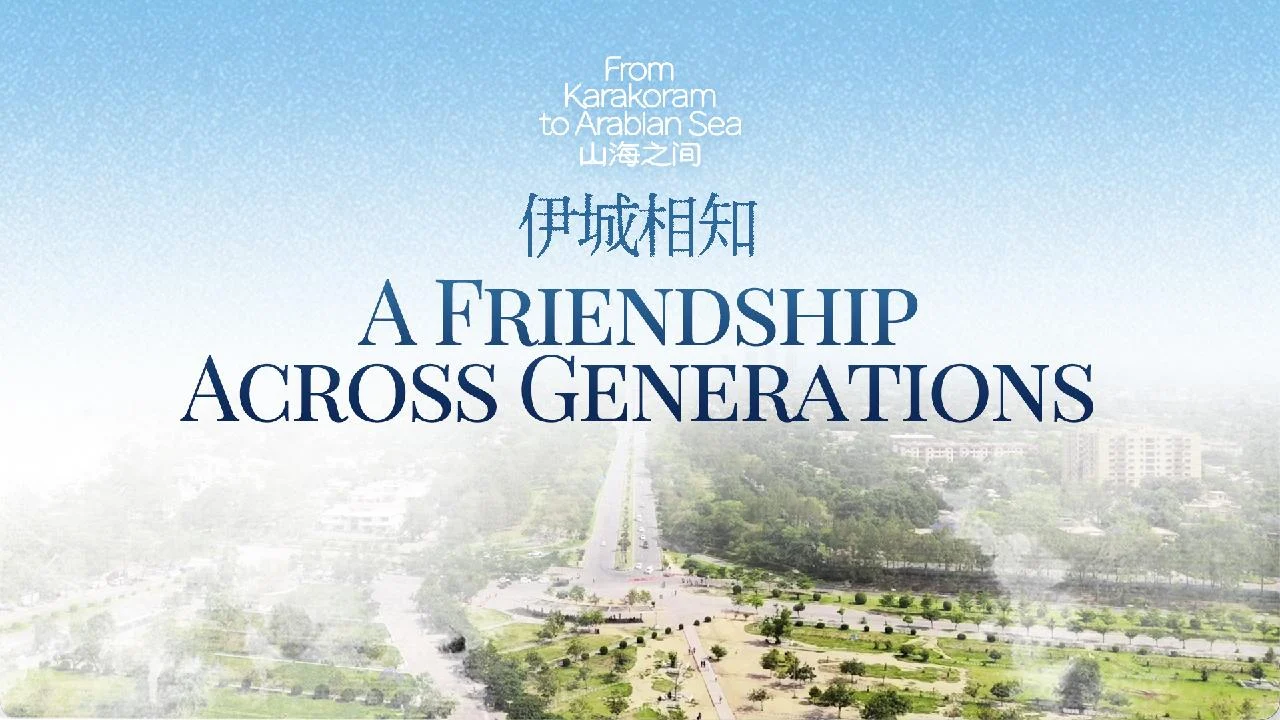
The China-Pakistan Economic Corridor (CPEC) is a collection of infrastructure projects that are currently under construction throughout Pakistan. CPEC is intended to rapidly modernize Pakistan’s infrastructure and strengthen its economy by the development of modern transportation networks, numerous energy projects and the development of the port of Gwadar. CPEC is intended to connect China’s western regions with Pakistan’s southern port of Gwadar, through a network of roads, railways, and highways. The project is also intended to improve Pakistan’s national infrastructure, such as its power generation, electricity transmission, and natural gas pipelines. CPEC is a key component of China’s broader Belt and Road Initiative.
The China-Pakistan Economic Corridor (CPEC) is a significant undertaking that promises to reshape the economic landscape of Pakistan and deepen the ties between China and Pakistan. This ambitious project, a flagship of China’s Belt and Road Initiative, aims to create a vast network of infrastructure that will connect China’s western regions to Pakistan’s Arabian Sea coast. More than just a series of roads and railways, CPEC represents a vision for shared prosperity, enhanced regional connectivity, and robust economic development.
The corridor’s impact extends far beyond the physical infrastructure. It is designed to foster economic growth through industrial cooperation, energy security, and the development of key logistical hubs. By improving Pakistan’s power generation capacity, transportation networks, and port facilities, CPEC seeks to unlock the country’s economic potential and create new opportunities for trade and investment. This analysis will explore the multifaceted nature of CPEC, examining its infrastructural components, economic implications, and the broader geopolitical context in which it operates. We will also look at the human element, exploring how this grand project influences the lives of people and fosters stronger relationships between the participating nations.
Infrastructure Development: The Backbone of CPEC
At its core, CPEC is an infrastructure development project. The goal is to build and upgrade a comprehensive network that will facilitate the movement of goods and people, and ensure a stable supply of energy. This ambitious plan involves a wide array of projects, each playing a crucial role in the overall vision.
Transportation Networks: Roads, Railways, and Ports
The most visible aspect of CPEC is its focus on transportation. This includes the construction and upgrading of highways, railways, and the expansion of the Gwadar Port.
Highways and Roads
A significant portion of CPEC involves building and improving roads across Pakistan. These include the Karakoram Highway, which is being upgraded, and new expressways designed to connect major cities and economic zones. For instance, the Havelian-Thakot section of the Karakoram Highway is a key component, improving connectivity in the northern regions. Other road projects aim to create a seamless network from the northern borders down to the southern ports, reducing travel times and transportation costs. These improved road networks are essential for facilitating trade and enabling easier movement of goods to and from markets.
Railways
CPEC also includes plans to upgrade and expand Pakistan’s railway system. The aim is to create a high-speed rail network that complements the road infrastructure, offering an alternative for freight and passenger transport. The ML-1 (Main Line 1) project, which involves the rehabilitation and upgrading of the main railway line connecting Karachi and Peshawar, is a critical part of this vision. This upgrade will significantly increase the speed and capacity of rail freight, making it a more viable option for long-distance transport and supporting the movement of goods from Gwadar Port inland.
Gwadar Port: A Strategic Gateway
The development of Gwadar Port is perhaps the most strategically important element of CPEC. Located on the Arabian Sea, it is envisioned as a major deep-sea port and a vital hub for regional trade. The expansion of Gwadar Port includes dredging its channels, building new berths, and developing associated infrastructure like an airport and industrial zones. This port is intended to provide China with a shorter, more direct route to the Middle East and Africa, bypassing the Strait of Malacca. For Pakistan, it represents a massive economic opportunity, promising job creation, increased trade, and a significant boost to its economy. The port’s development is crucial for realizing the full potential of CPEC as a trade and transit corridor.
Energy Projects: Powering Development
Reliable and sufficient energy is fundamental for economic growth. CPEC includes numerous energy projects aimed at addressing Pakistan’s chronic energy shortages and powering its industrial development.
Power Generation
A substantial part of CPEC’s investment is directed towards power generation. This includes building new power plants, such as coal-fired power stations, hydropower projects, and renewable energy facilities like solar and wind farms. For example, the Sahiwal Coal Power Plant and the Port Qasim Coal Power Plant are among the large-scale projects designed to add significant capacity to Pakistan’s national grid. These projects aim to not only meet current energy demands but also to provide a stable power supply for future industrial growth and urban development.
Transmission and Distribution
Beyond generation, CPEC also focuses on improving the transmission and distribution of electricity. This involves building new transmission lines and upgrading existing ones to ensure that power generated can be efficiently delivered to consumers and industries across the country. Projects like the Matiari-Lahore transmission line are crucial for strengthening the national grid and reducing transmission losses. A robust transmission network is essential for the reliable functioning of industries and for ensuring that energy reaches all parts of Pakistan, including remote areas.
Special Economic Zones (SEZs)
To further boost industrialization and attract investment, CPEC includes the development of Special Economic Zones (SEZs) across Pakistan. These zones are designed to offer a favorable business environment with incentives for industries, such as tax breaks, streamlined regulatory processes, and access to infrastructure like power and transportation. The goal is to create manufacturing hubs that can drive economic growth, create employment, and promote exports. These SEZs are envisioned as engines of industrial development, attracting both domestic and foreign investment and fostering a more competitive industrial sector.
Economic Implications and Opportunities
CPEC’s impact on Pakistan’s economy is expected to be profound, offering a pathway to increased trade, job creation, and overall economic growth. However, it also brings challenges that need careful management.
Trade and Connectivity
By improving infrastructure and establishing Gwadar Port as a major trade hub, CPEC aims to significantly boost Pakistan’s trade volume. The corridor provides a direct link between China and Pakistan, and also serves as a transit route for goods from Central Asia and the Middle East. This enhanced connectivity is expected to reduce trade costs, increase the efficiency of supply chains, and open up new markets for Pakistani products. The development of Gwadar as a free trade zone and logistics hub is central to this vision, aiming to attract businesses and facilitate international commerce.
Job Creation and Employment
The construction phase of CPEC projects has already created a significant number of jobs. Once operational, the industrial zones and enhanced trade activities are expected to generate many more employment opportunities. These jobs range from skilled labor in construction and manufacturing to professional roles in logistics, management, and services. The influx of investment and the development of new industries are anticipated to lead to a more robust labor market, contributing to poverty reduction and improved livelihoods for many Pakistanis.
Foreign Direct Investment (FDI)
CPEC is a major driver of foreign direct investment into Pakistan. The substantial investments from China in infrastructure and energy projects are complemented by efforts to attract FDI into other sectors, particularly manufacturing within the SEZs. This inflow of capital is crucial for Pakistan’s economic development, helping to finance large-scale projects, transfer technology, and boost productivity. The success of CPEC in attracting FDI is seen as a testament to Pakistan’s potential and its strategic importance in regional trade.
Economic Growth and GDP
The combined effect of improved infrastructure, increased trade, and greater investment is projected to lead to a significant increase in Pakistan’s Gross Domestic Product (GDP). By addressing critical bottlenecks in energy and transportation, CPEC aims to unlock the country’s productive capacity and foster sustainable economic growth. Analysts predict that the corridor could add several percentage points to Pakistan’s annual GDP growth once its projects are fully realized and operational. This economic uplift is a key objective of the entire initiative.
Debt and Financial Sustainability
A significant concern associated with CPEC is the potential for increased national debt. The large-scale investments, largely financed through loans from China, raise questions about Pakistan’s ability to manage this debt burden in the long term. Careful financial planning, transparent management of loans, and ensuring that the projects generate sufficient economic returns are critical for maintaining financial sustainability. Pakistan needs to ensure that the economic benefits derived from CPEC outweigh the financial obligations incurred.
Cultural Exchange and People-to-People Connections
Beyond the concrete and steel, CPEC also fosters deeper cultural understanding and strengthens people-to-people connections between China and Pakistan. These human elements are vital for the long-term success and sustainability of the partnership.
Educational Initiatives and Language Learning
The growing relationship between China and Pakistan has spurred increased interest in learning each other’s languages and cultures. Confucius Institutes, established in Pakistan, play a key role in promoting Mandarin language education and Chinese culture. These institutes offer language courses, cultural events, and academic programs, providing Pakistani students with opportunities to learn Mandarin and gain insights into Chinese society. This educational exchange helps to build a foundation of mutual understanding and prepares a new generation for closer collaboration.
Cultural Centers and Friendship Organizations
Organizations like the Pakistan-China Friendship Center serve as hubs for cultural exchange and celebration of the bilateral relationship. These centers host events, exhibitions, and discussions that highlight the shared history and evolving friendship between the two nations. Such platforms are essential for promoting cultural awareness, fostering goodwill, and strengthening the bonds between the people of Pakistan and China. They provide spaces for dialogue and interaction, celebrating the shared heritage and future aspirations.
Culinary Connections and Shared Traditions
Food often acts as a bridge between cultures, and this is evident in the growing presence of Chinese cuisine in Pakistan and the appreciation for Pakistani culture in China. Chinese restaurants in Pakistan, some with a history spanning decades, have become popular gathering places, introducing Pakistani communities to Chinese culinary traditions. This exchange extends to shared festivals and cultural practices, demonstrating how everyday interactions can build strong personal connections. The sharing of food and traditions helps to break down barriers and create a sense of familiarity and warmth.
Tourism and Travel
As connectivity improves and understanding grows, tourism between the two countries is also expected to increase. Enhanced travel infrastructure and greater cultural awareness can encourage more people to visit and explore each other’s countries. This exchange of people offers firsthand experiences of different cultures, fostering greater appreciation and strengthening personal relationships. Increased tourism can also bring economic benefits to local communities and further promote cultural understanding.
Challenges and Criticisms
Despite its ambitious goals and potential benefits, CPEC has faced various challenges and criticisms, ranging from economic concerns to geopolitical implications. Addressing these issues is crucial for the project’s success.
Debt Concerns and Transparency
As mentioned earlier, the substantial loans taken from China for CPEC projects have raised concerns about Pakistan’s debt sustainability. Critics have called for greater transparency in the financial arrangements and loan terms. Ensuring that the projects are economically viable and generate sufficient returns to service the debt is paramount. Open communication about the financial aspects and rigorous oversight are necessary to build confidence and ensure responsible management of these large-scale investments.
Environmental Impact
Large infrastructure projects, especially those involving energy generation and industrial development, can have significant environmental impacts. Concerns have been raised about the environmental footprint of coal-fired power plants and the potential effects of construction on local ecosystems. It is essential that environmental impact assessments are conducted thoroughly, and mitigation measures are put in place to minimize harm to the environment and ensure sustainable development practices are followed throughout the project lifecycle.
Security and Stability
The security of CPEC projects and personnel is a major concern, particularly in certain regions of Pakistan. Ensuring the safety and security of workers, infrastructure, and supply routes requires robust security measures and regional stability. The Pakistani government has invested heavily in security forces dedicated to protecting CPEC projects, recognizing that stability is a prerequisite for attracting investment and ensuring the smooth execution of the corridor’s development.
Geopolitical Considerations
CPEC is not just an economic project; it also has significant geopolitical implications. Its strategic location and its role within China’s Belt and Road Initiative have drawn attention from various global powers. Some view CPEC as a strategic move by China to expand its influence in the region, while others see it as a vital development initiative. Navigating these geopolitical dynamics requires careful diplomacy and a focus on mutual benefit and regional cooperation.
Local Community Impact and Land Acquisition
The development of large infrastructure projects often involves land acquisition and can impact local communities. Ensuring that affected communities are adequately compensated, resettled, and that their concerns are addressed is vital for social harmony and the project’s long-term acceptance. Engaging with local populations and ensuring that they benefit from the development is key to fostering goodwill and ensuring that the project contributes positively to their lives.
The Future of CPEC
The China-Pakistan Economic Corridor is a long-term vision that continues to evolve. Its success will depend on sustained commitment, effective management, and the ability to adapt to changing circumstances.
Expansion and Diversification
While initially focused on infrastructure and energy, CPEC is gradually expanding to include other sectors such as agriculture, industrial cooperation, and digital connectivity. The development of the digital silk road, for instance, aims to enhance digital infrastructure and promote e-commerce. Diversifying the scope of CPEC will create more avenues for economic growth and strengthen the partnership between China and Pakistan.
Regional Integration
CPEC has the potential to become a key driver of regional integration, connecting not only China and Pakistan but also potentially other countries in South and Central Asia. As the corridor develops, it could facilitate greater trade and cooperation across the region, fostering economic interdependence and promoting peace and stability. The vision is for CPEC to be a platform for shared prosperity that extends beyond its immediate participants.
Sustained Partnership
The success of CPEC hinges on the sustained commitment of both China and Pakistan. Continued political will, effective policy implementation, and a shared vision for development are essential. The partnership needs to remain adaptable, addressing challenges proactively and seizing new opportunities as they arise. The enduring strength of the China-Pakistan relationship is a critical factor in the corridor’s future.
Economic Transformation
Ultimately, CPEC aims to transform Pakistan’s economy, making it more competitive, resilient, and prosperous. By addressing fundamental infrastructure deficits and fostering industrial growth, the corridor seeks to create a more dynamic and diversified economy. The long-term goal is to build a self-sustaining economic model that benefits the people of Pakistan and strengthens its position in the global economy.
Conclusion
The China-Pakistan Economic Corridor is a monumental undertaking with the potential to bring about significant economic and social transformation in Pakistan. From its ambitious infrastructure projects, including state-of-the-art transportation networks and vital energy initiatives, to its role in fostering cultural exchange and people-to-people connections, CPEC represents a deep and evolving partnership between China and Pakistan. While challenges related to debt, environmental impact, and security persist, the ongoing development and expansion of CPEC signal a commitment to shared prosperity and regional integration. As the corridor continues to develop, its success will be measured not only by the infrastructure built but also by the lasting economic benefits and strengthened human bonds it fosters for generations to come.

Conversation
0 Comments