

Understanding Biosphere Reserves: How They Help People and Nature Thrive Together
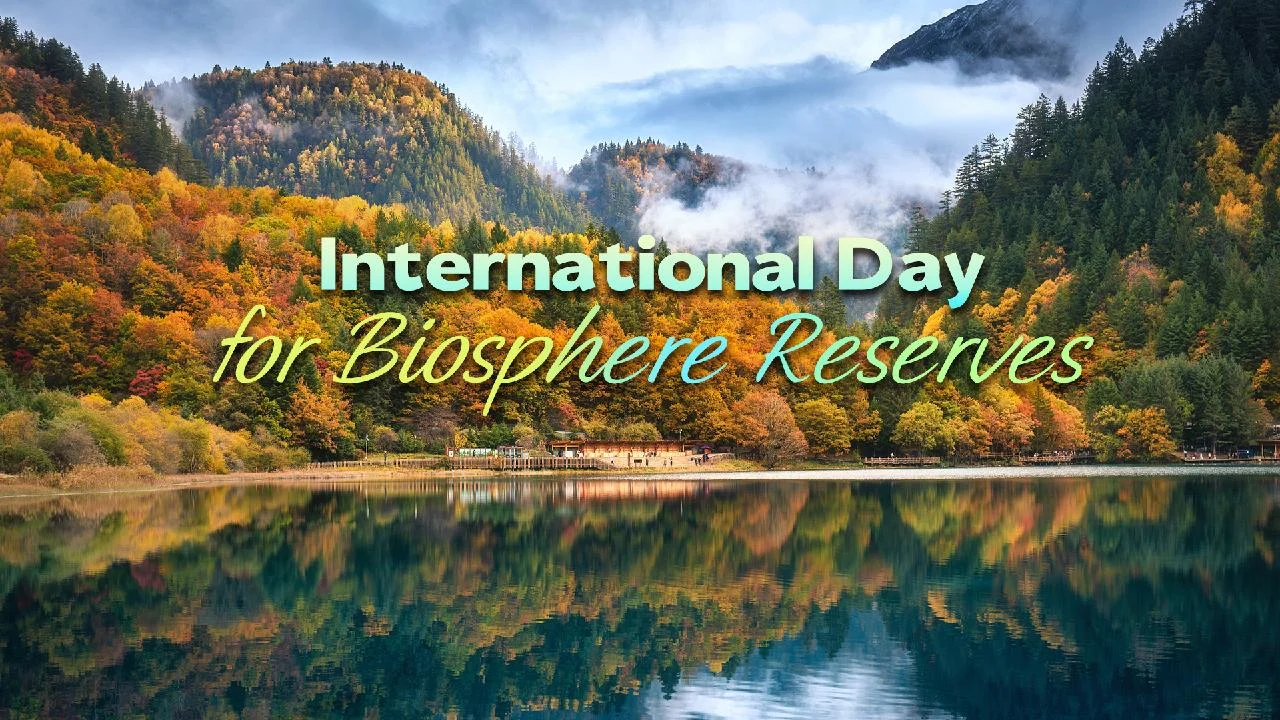
November 3rd marks UNESCO’s International Day for Biosphere Reserves. These special areas, established under UNESCO’s Man and the Biosphere (MAB) Programme, serve as vital testing grounds for integrating biodiversity conservation, scientific research, and sustainable development. They offer a practical model for how protecting natural ecosystems can go hand-in-hand with supporting the well-being of local communities. This approach is more critical than ever, as global efforts to halt biodiversity loss face significant challenges.
The urgency for action was highlighted at the 17th Conference of the Parties (COP17) to the Convention on Biological Diversity, which recently concluded. This meeting reviewed progress on the Kunming-Montreal Global Biodiversity Framework, a plan with 23 targets for 2030 aimed at protecting at least 30 percent of the planet’s land and water. The review unfortunately found that the world is not on track to meet these ambitious goals. To address this, delegates adopted nearly 50 decisions and the Yerevan Pathway, outlining priorities for faster implementation, better monitoring, and increased support for developing nations.
A longer-term vision for biosphere reserves was also set at the 5th World Congress of Biosphere Reserves in Hangzhou, China, in 2025. The resulting Hangzhou Declaration and the Hangzhou Strategic Action Plan for UNESCO’s MAB Programme (2026-2035) provide a roadmap for the next decade. This plan focuses on three key objectives: advancing environmental agreements, strengthening the global network of biosphere reserves, and promoting research and knowledge sharing. It also includes 34 voluntary targets and emphasizes the importance of cooperation with Indigenous Peoples and local communities.
The Role of Biosphere Reserves in Conservation
Biosphere reserves are more than just protected areas; they are designed to be living laboratories where conservation, research, and sustainable development are woven together. They are typically divided into three zones, each with a specific function:
Core Areas
These are strictly protected zones dedicated to the conservation of biodiversity, ecological processes, and natural landscapes. Human activities are highly restricted, often limited to scientific research and monitoring. The goal is to maintain these areas in their most natural state, providing a baseline for understanding ecological changes and a refuge for endangered species. These areas are crucial for preserving genetic diversity and ensuring the long-term survival of ecosystems.
Buffer Zones
Surrounding the core areas, buffer zones are managed to conduct non-damaging scientific research, environmental education, and tourism. Activities here are compatible with conservation goals. This zone acts as a transition area, helping to shield the core zone from external pressures. It allows for a degree of human activity that supports conservation efforts, such as eco-tourism or sustainable resource management, without compromising the integrity of the core area.
Transition Areas
These are the outermost zones where local communities engage in sustainable development activities. This can include sustainable agriculture, forestry, fisheries, and tourism. The aim is to link conservation with socio-economic development, ensuring that local people benefit from the reserve and become active partners in its protection. This zone is essential for demonstrating that human well-being and environmental health can coexist and mutually reinforce each other.
Examples of Biosphere Reserves in Action
Across the globe, biosphere reserves are demonstrating their value in protecting nature and supporting communities. China, for instance, is home to 36 UNESCO biosphere reserves, including the Daqingshan Biosphere Reserve in Inner Mongolia and the Zhouzhi Biosphere Reserve in Shaanxi, both designated in 2025. These reserves, alongside broader ecological restoration efforts, offer compelling examples of how environmental recovery benefits both people and nature.
Wetlands Restoration in Inner Mongolia
In Baotou, Inner Mongolia, the restoration of wetlands along the Yellow River has created a vital habitat for migratory birds. Each year, these wetlands provide a crucial stopover point for around 100,000 birds, supporting a diverse range of 242 species. This represents a significant increase from the late 1990s, showcasing the power of habitat restoration to revive biodiversity. The improved wetland ecosystem also contributes to water purification and flood control, benefiting the local human population.
Reviving Dianchi Lake Ecosystems
At Dianchi Lake in Yunnan Province, extensive restoration efforts have led to a remarkable revival of the underwater ecosystem. The density of submerged plants has increased dramatically, from less than 2% to an impressive 60%. This recovery has improved water quality, supported fish populations, and enhanced the overall health of the lake. The return of these aquatic plants provides food and habitat for numerous species, contributing to a more balanced and resilient ecosystem.
Technological Support for Conservation
Technology is playing an increasingly important role in conservation efforts within biosphere reserves. At Dianchi Lake, an AI-powered monitoring system utilizes high-definition cameras, drones, and deep-learning algorithms. This system can accurately identify bird species, count populations, and record their behavior, achieving an accuracy rate of over 90%. The data collected is invaluable for scientific research into bird migration patterns, breeding habits, and the overall health of the wetland environment. This technological integration allows for more efficient and effective monitoring and management of the reserve.
International Cooperation and Funding
China is also a significant contributor to global biodiversity efforts. The country has pledged 400 million yuan (approximately $60 million) to the Kunming Biodiversity Fund. This fund has already approved 31 projects across 45 developing countries, supporting critical conservation initiatives worldwide. During COP17, nine projects worth about $4.5 million were approved in the first phase of the fund’s third funding round, demonstrating a commitment to international collaboration in addressing biodiversity challenges.
The Global Network of Biosphere Reserves
UNESCO’s World Network of Biosphere Reserves is a testament to the global commitment to these conservation models. Currently, the network comprises 797 sites spread across 145 countries, covering a vast area of 7.5 million square kilometers. This expanse represents more than 5 percent of the Earth’s terrestrial surface, highlighting the significant global footprint of these protected areas. Each reserve, while unique in its environment and challenges, contributes to a global understanding of how to balance human needs with ecological preservation.
The network facilitates the sharing of knowledge, experiences, and best practices among reserve managers, scientists, and local communities. This collaborative approach is essential for tackling complex environmental issues that transcend national borders. By working together, countries can develop more effective strategies for conservation and sustainable development, ensuring that the lessons learned in one biosphere reserve can benefit others around the world.
Benefits Beyond Biodiversity
The impact of biosphere reserves extends far beyond the direct conservation of species and habitats. They offer a range of benefits that contribute to human well-being and sustainable development:
Economic Opportunities
Biosphere reserves can create economic opportunities for local communities through sustainable tourism, the development of eco-friendly products, and the promotion of traditional crafts. When managed properly, these activities can provide alternative livelihoods that are less damaging to the environment than conventional industries. For example, ecotourism can generate income while also raising awareness about the importance of conservation. Local communities can also develop markets for sustainably harvested forest products, organic agriculture, or artisanal goods, creating a direct economic link between conservation and community prosperity.
Scientific Research and Education
These reserves serve as invaluable sites for scientific research, allowing scientists to study ecosystems, monitor environmental changes, and develop innovative conservation strategies. The protected nature of core areas provides a unique opportunity for long-term ecological studies. Furthermore, biosphere reserves are crucial centers for environmental education, raising public awareness about biodiversity and sustainability. They offer educational programs for schools, universities, and the general public, fostering a deeper understanding and appreciation of the natural world.
Cultural Preservation
Many biosphere reserves encompass areas of significant cultural heritage, including traditional landscapes and the practices of Indigenous Peoples and local communities. The MAB Programme actively promotes the involvement of these groups in reserve management, recognizing their traditional knowledge and their vital role in conservation. By protecting these areas, biosphere reserves help to preserve cultural diversity alongside biological diversity, ensuring that traditional ways of life and their associated knowledge systems are maintained for future generations.
Climate Change Adaptation and Mitigation
Biosphere reserves play a role in addressing climate change. Healthy ecosystems within these reserves can help sequester carbon, mitigate the effects of extreme weather events, and provide habitats for species that are migrating due to changing climate conditions. For example, intact forests and wetlands can absorb significant amounts of carbon dioxide from the atmosphere, while healthy coastal ecosystems like mangroves can protect shorelines from storm surges. These natural defenses are increasingly important as the impacts of climate change become more pronounced.
Challenges and the Path Forward
Despite the successes of biosphere reserves, challenges remain. Ensuring adequate funding, managing human activities in buffer and transition zones, and effectively engaging all stakeholders are ongoing tasks. The global biodiversity framework underscores the need for increased action and investment. The Hangzhou Strategic Action Plan provides a clear direction for the next decade, emphasizing the need to strengthen the network, advance research, and foster greater cooperation.
The success of biosphere reserves hinges on a collaborative approach. This means working closely with local communities, Indigenous Peoples, governments, scientists, and the private sector. By recognizing the interconnectedness of people and nature, and by implementing innovative, science-based strategies, biosphere reserves can continue to serve as beacons of hope for a sustainable future. They demonstrate that it is possible to protect our planet’s precious biodiversity while simultaneously improving the lives of people who depend on it.
Conclusion
Biosphere reserves offer a powerful and practical model for achieving a harmonious balance between human development and nature conservation. By integrating protected core areas with managed buffer zones and actively engaging local communities in sustainable practices within transition areas, these sites provide tangible benefits. They are crucial for safeguarding biodiversity, advancing scientific understanding, fostering economic opportunities, preserving cultural heritage, and contributing to climate resilience. As the world grapples with the urgent challenges of biodiversity loss and climate change, the principles and practices embodied by biosphere reserves offer a vital pathway toward a more sustainable and equitable future for all. The ongoing commitment to strengthening this global network, as outlined in initiatives like the Hangzhou Strategic Action Plan, is essential for ensuring that people and nature can indeed thrive together.


Conversation
0 Comments