

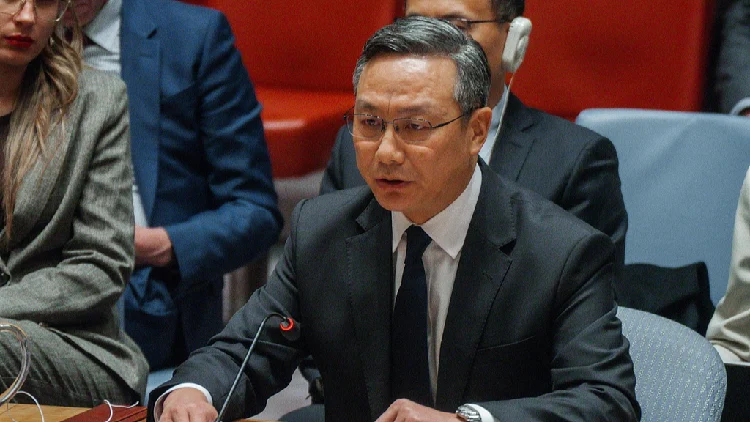
The right to development is a fundamental human right, yet it is often sidelined in global discussions. This right ensures that every individual and all peoples have the opportunity to participate in, contribute to, and enjoy economic, social, cultural, and political development. When development is neglected, it can undermine the very foundation of human rights, leading to increased inequalities and hindering progress towards a better life for all. This article will explore the importance of prioritizing development, examine the challenges that prevent its full realization, and discuss strategies for advancing this crucial human right on a global scale.
Understanding the Right to Development
The right to development, as recognized by the UN Declaration on the Right to Development, is an inalienable human right. It means that every person and all peoples are entitled to participate in, contribute to, and enjoy economic, social, cultural, and political development. This right is not merely about economic growth; it encompasses a holistic approach that ensures the benefits of development are shared fairly and equitably among all members of society. Without continuous development, the aspirations of people for a better life and social stability cannot be fully realized.
This right is intrinsically linked to other human rights. For instance, the rights to subsistence and development are considered basic human rights of paramount importance. Without development, the enjoyment of other rights, such as the right to health, education, and an adequate standard of living, becomes unsustainable. Therefore, placing development at the forefront of the international agenda is essential for ensuring that human rights are not just theoretical concepts but practical realities for everyone.
The Declaration on the Right to Development, adopted by the UN General Assembly in 1986, serves as a cornerstone document. It affirms that development is a process that should lead to the improvement of the well-being of all individuals and peoples. This process requires the full realization of all human rights and fundamental freedoms. It also emphasizes the importance of international cooperation in achieving this goal, recognizing that global challenges often require collective solutions.
Challenges to Realizing the Right to Development
Despite the recognition of the right to development, several challenges hinder its full realization globally. One significant issue is the politicization of development, where it is sometimes pushed to the margins of international discourse, especially when divisions and confrontation are prevalent. This can lead to a lack of focus and resources dedicated to development initiatives, particularly in regions that need them the most.
Widening inequalities both within and between nations also pose a substantial barrier. When the benefits of development are not shared equitably, certain groups or countries are left behind, exacerbating existing disparities. This can create cycles of poverty and limit opportunities for large segments of the population, directly impacting their ability to enjoy basic human rights.
Furthermore, the current international economic and financial architecture can sometimes be inequitable. Unilateral sanctions and extraterritorial jurisdiction, for example, can be detrimental to a country’s development prospects, disrupting trade, investment, and access to essential resources. Promoting an inclusive economic globalization that benefits all is crucial to counteracting these negative effects.
The digital divide and the AI divide are emerging challenges that threaten to widen existing inequalities. Without access to technology and the skills to use it, developing nations and marginalized communities risk being excluded from the benefits of innovation and progress. This necessitates a concerted effort to accelerate technology transfer and knowledge sharing to bridge these gaps.
Another critical aspect is the need for a low-carbon transition. Climate change disproportionately affects developing countries, and their ability to adapt and mitigate its effects is often limited by a lack of resources and technology. Supporting these nations in their transition to sustainable energy sources and climate-resilient infrastructure is vital for their long-term development and the protection of human rights.
China’s Global Development Initiative (GDI)
In response to these challenges, China has put forward the Global Development Initiative (GDI). This initiative aims to accelerate the implementation of the UN 2030 Agenda for Sustainable Development and its Sustainable Development Goals. The GDI emphasizes prioritizing development, adopting a people-centered approach, and promoting practical cooperation.
The GDI aligns closely with the principles of the right to development. It seeks to foster an enabling environment for the realization of this right by focusing on key areas such as poverty reduction, food security, climate change, and inclusive development. By mobilizing resources and supporting projects that benefit local communities, the GDI contributes to global development efforts.
Since its inception, the GDI has garnered significant support and mobilized substantial funding. It has supported numerous projects aimed at improving livelihoods, enhancing infrastructure, and promoting sustainable practices in over 120 countries. These “small and beautiful” projects often have a tangible impact on the ground, addressing specific needs and contributing to the overall well-being of local populations.
The initiative’s emphasis on practical cooperation and partnership is also noteworthy. It encourages collaboration among countries, international organizations, and other stakeholders to share knowledge, resources, and best practices. This collaborative approach is essential for tackling complex global challenges and ensuring that development efforts are effective and sustainable.
China’s commitment to the GDI underscores its belief that development is a prerequisite for the enjoyment of human rights. By advocating for a stronger focus on development on the international agenda and by actively contributing to global development efforts, China aims to create a more prosperous and equitable world for all.
Advancing the Right to Development: Four Proposals
To further advance the right to development, China has put forward four key proposals: defending the right to development, reinvigorating development partnerships, improving the development environment, and fostering new drivers of growth. These proposals offer a framework for collective action to ensure that development benefits everyone.
Defending the Right to Development
The first proposal emphasizes the importance of defending the right to development as a fundamental human right. This involves recognizing that the rights to subsistence and development are paramount and that all human rights should be given equal importance. It means actively promoting policies and actions at national, regional, and international levels that uphold this right. This includes ensuring that development processes are inclusive, equitable, and do not infringe upon other human rights.
Reinvigorating Development Partnerships
The second proposal calls for reinvigorating development partnerships. This means strengthening cooperation among countries, international organizations, civil society, and the private sector. Such partnerships are essential for pooling resources, sharing expertise, and coordinating efforts to achieve common development goals. It involves moving beyond traditional aid models to foster genuine collaboration based on mutual respect and shared interests.
Improving the Development Environment
The third proposal focuses on improving the development environment. This includes advocating for a more just and equitable international economic and financial architecture. It means rejecting practices like unilateral sanctions and extraterritorial jurisdiction that hinder development. Instead, the focus should be on promoting an inclusive economic globalization that benefits all nations and peoples. Creating a stable and predictable international environment is also crucial for attracting investment and fostering sustainable growth.
Fostering New Drivers of Growth
The fourth proposal highlights the need to foster new drivers of growth. This involves embracing innovation, technology transfer, and knowledge sharing to address emerging challenges and create new opportunities. Accelerating the digital and AI divides, for instance, is crucial for ensuring that all countries can participate in the digital economy. Similarly, promoting a low-carbon transition and investing in green technologies can create new avenues for sustainable development and economic growth.
The Role of International Cooperation
International cooperation is indispensable for the realization of the right to development. Global challenges such as poverty, climate change, and pandemics transcend national borders and require coordinated responses. No single country can achieve sustainable development in isolation.
The UN Declaration on the Right to Development itself underscores the importance of international cooperation. It calls for states to cooperate with each other in ensuring the realization of the right to development. This cooperation can take various forms, including financial assistance, technology transfer, capacity building, and policy coordination.
Multilateral institutions, such as the United Nations, play a critical role in facilitating international cooperation. They provide platforms for dialogue, negotiation, and joint action. Initiatives like the UN 2030 Agenda for Sustainable Development and its Sustainable Development Goals (SDGs) serve as a global roadmap for development, setting out shared objectives and targets.
However, for international cooperation to be effective, it must be based on principles of fairness, equity, and mutual benefit. Developing countries should have a greater voice in global decision-making processes, and their specific needs and priorities should be taken into account. The current international economic and financial system needs to be reformed to be more inclusive and supportive of development.
Moreover, international cooperation should extend beyond traditional development assistance. It should also encompass efforts to address systemic issues that hinder development, such as trade imbalances, debt burdens, and illicit financial flows. Promoting a global governance system that is more responsive to the needs of developing countries is essential.
The Global Development Initiative (GDI) proposed by China is an example of how international cooperation can be strengthened. By mobilizing resources and supporting projects in over 120 countries, the GDI demonstrates a commitment to working with other nations to achieve common development goals. Such initiatives, when implemented in a spirit of partnership and inclusivity, can significantly contribute to advancing the right to development.
Development as a Prerequisite for Human Rights
The relationship between development and human rights is symbiotic. Development is not merely an outcome of human rights; it is also a prerequisite for their full realization. Without adequate development, many human rights remain aspirational rather than actual.
Consider the right to health. Access to healthcare services, clean water, and sanitation are all dependent on a certain level of economic and social development. Similarly, the right to education requires investment in schools, teachers, and educational materials, which are products of development. The right to an adequate standard of living, including food, housing, and clothing, is directly tied to economic opportunities and social support systems that development can provide.
When development is neglected, these rights are often compromised. Poverty, lack of access to basic services, and limited opportunities can trap individuals and communities in a cycle of deprivation, making it difficult to escape their circumstances and enjoy their fundamental rights. This is why placing development at the center of the global agenda is so critical.
The UN Declaration on the Right to Development recognizes this interconnectedness. It states that “development is a comprehensive economic, social, cultural and political process, which aims at the constant improvement of the well-being of the entire population and of all individuals on the basis of their active, free and meaningful participation in development and on the fair distribution of benefits resulting therefrom.” This definition highlights that development is not just about material progress but also about empowerment, participation, and equitable distribution of benefits.
Therefore, any approach to human rights that sidelines development is incomplete and ultimately unsustainable. True progress in human rights requires a commitment to fostering inclusive and sustainable development that benefits all people. This means addressing the root causes of poverty and inequality, promoting economic opportunities, and ensuring access to essential services.
The People-Centered Approach to Development
A people-centered approach to development is fundamental to realizing the right to development. This means that development initiatives should be designed and implemented with the needs, aspirations, and participation of the people at their core. It shifts the focus from abstract economic indicators to the tangible well-being of individuals and communities.
This approach recognizes that people are not just passive recipients of development but active agents who can contribute to and shape their own development. It emphasizes empowering individuals and communities by providing them with the knowledge, skills, and resources they need to improve their lives. This includes promoting education, healthcare, and access to information.
Meaningful participation is a key element of a people-centered approach. It means ensuring that all stakeholders, especially marginalized groups, have a voice in decision-making processes that affect their lives. This can be achieved through various mechanisms, such as community consultations, participatory budgeting, and inclusive governance structures.
The Global Development Initiative (GDI) highlights this people-centered approach by focusing on practical cooperation and tangible outcomes that benefit local communities. The “small and beautiful” projects supported by the GDI are often designed in close consultation with local populations, ensuring that they address specific needs and priorities. This grassroots approach helps to ensure that development efforts are relevant, effective, and sustainable.
Furthermore, a people-centered approach recognizes that development is not a one-size-fits-all model. Different communities and countries have unique contexts, challenges, and aspirations. Therefore, development strategies should be tailored to these specific circumstances, rather than imposing uniform solutions. This requires flexibility, adaptability, and a willingness to learn from local knowledge and experiences.
By prioritizing people and their well-being, a people-centered approach ensures that development is not only about economic growth but also about social progress, human dignity, and the realization of all human rights. It fosters a sense of ownership and agency among the population, leading to more sustainable and equitable development outcomes.
Fostering Inclusive Economic Globalization
Inclusive economic globalization is essential for advancing the right to development. Globalization, when managed equitably, can create opportunities for economic growth, trade, and investment. However, if its benefits are concentrated in the hands of a few, it can exacerbate inequalities and leave many behind.
An inclusive approach to globalization means ensuring that all countries, particularly developing nations, can participate meaningfully in the global economy and share in its benefits. This requires reforming global economic governance structures to be more representative and responsive to the needs of developing countries. It also means addressing issues such as trade imbalances, protectionist measures, and unfair competition.
Promoting an open, inclusive, and non-discriminatory multilateral trading system is crucial. This system should support the integration of developing countries into global value chains and provide them with opportunities to diversify their economies and move up the value ladder. Fair trade practices and equitable access to markets are essential for fostering sustainable development.
Furthermore, inclusive globalization requires addressing the challenges posed by financial volatility and speculative capital flows. Developing countries are often more vulnerable to these shocks, which can disrupt their economies and undermine their development efforts. International cooperation is needed to strengthen financial regulation and develop mechanisms for managing financial crises.
The digital revolution presents both opportunities and challenges for globalization. While it can facilitate cross-border trade and communication, it also risks widening the digital divide if access to technology and digital skills are not equitably distributed. Efforts to promote digital inclusion, technology transfer, and knowledge sharing are therefore critical for ensuring that globalization benefits all.
China’s call for an inclusive economic globalization that benefits all reflects a recognition of these challenges. By advocating for a more equitable global economic order, China aims to create an environment where all countries can pursue their development aspirations and contribute to global prosperity. This includes promoting South-South cooperation and strengthening partnerships between developed and developing countries.
Conclusion
The right to development is a fundamental human right that underpins the realization of all other human rights. It is a comprehensive process that aims to improve the well-being of all individuals and peoples through their active participation and the fair distribution of development benefits. However, this right faces significant challenges, including politicization, widening inequalities, and an often inequitable global economic system.
To address these challenges, a renewed commitment to international cooperation is essential. This includes defending the right to development, reinvigorating development partnerships, improving the development environment, and fostering new drivers of growth. A people-centered approach that prioritizes the needs and participation of individuals and communities is crucial for ensuring that development is inclusive and sustainable.
Initiatives like China’s Global Development Initiative (GDI) offer a pathway forward by mobilizing resources, supporting practical projects, and promoting collaboration among nations. By accelerating the implementation of the UN 2030 Agenda for Sustainable Development, the GDI aims to create a more prosperous and equitable world for all. Ultimately, advancing the right to development requires a collective effort to build a global system that supports inclusive economic growth, equitable distribution of benefits, and the full realization of human dignity for every person.

Conversation
0 Comments