

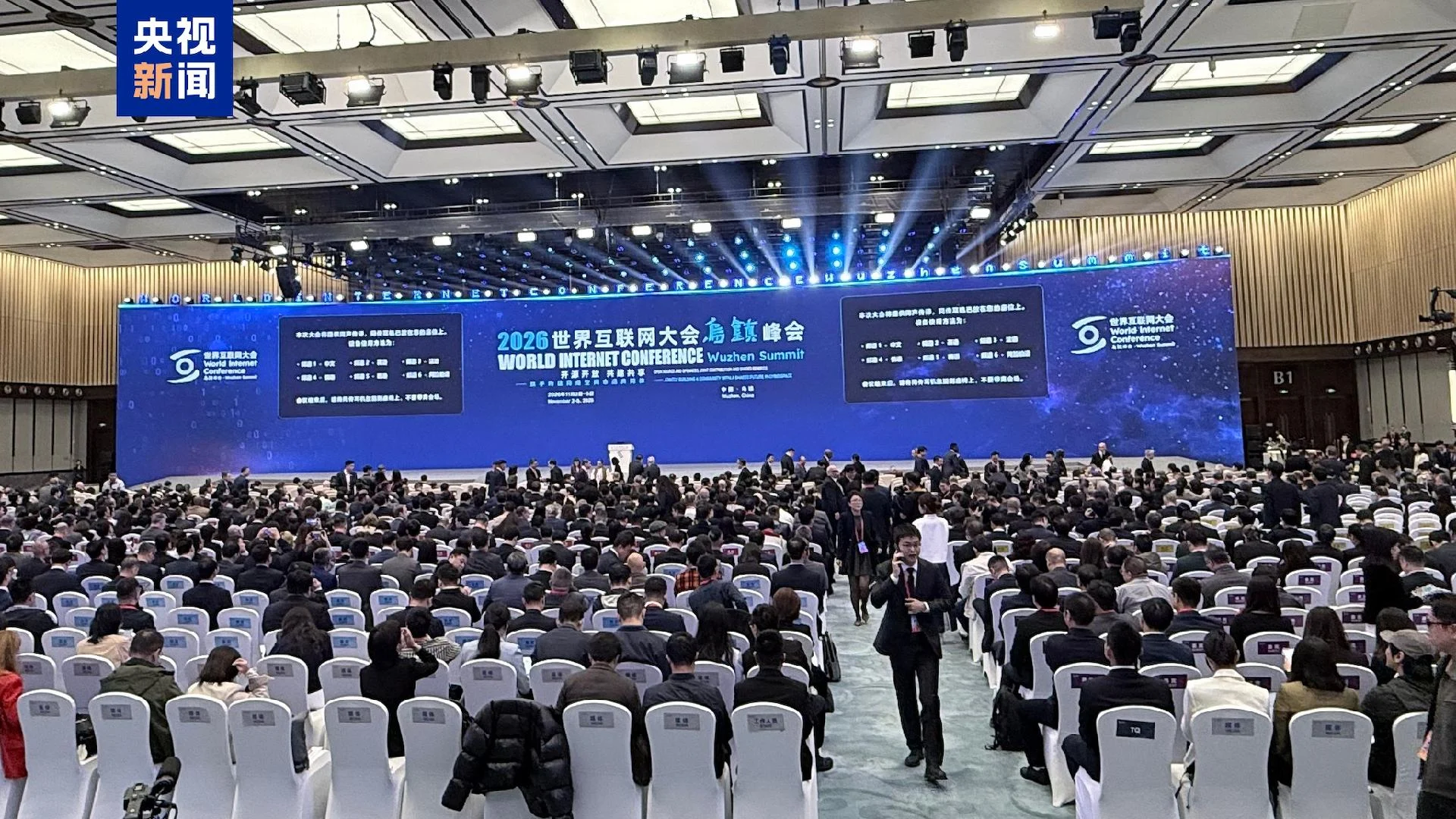
The 2026 WIC Wuzhen Summit: A Deep Dive into Open-Source AI and Global Collaboration
The 2026 World Internet Conference (WIC) Wuzhen Summit has officially opened its doors, gathering a diverse array of global leaders from governments, international organizations, businesses, and academic institutions. This year’s summit, held in the historic town of Wuzhen in China’s Zhejiang Province, is centered around the pivotal theme of “Open Source and Openness, Collaborative Development and Shared Benefits – Jointly Building a Community with a Shared Future in Cyberspace.” The primary focus is on the rapidly advancing field of open-source artificial intelligence (AI), with extensive discussions planned to cover technological innovation, security governance, cultural exchanges, and international cooperation.
The summit serves as a crucial platform for dialogue and collaboration in the digital age. By bringing together key stakeholders, it aims to foster a shared understanding of the challenges and opportunities presented by AI and to chart a course for its responsible development and deployment. The emphasis on open-source AI highlights a growing global trend towards transparency, shared knowledge, and collaborative innovation, recognizing that the future of this transformative technology will be shaped by collective efforts.
The AI Wuzhen Dialogue: Shaping the Future of Open-Source AI
A central highlight of the main forum is the AI Wuzhen Dialogue. This specialized session brings together prominent figures from leading global technology companies, executives from companies specializing in open-source large language models (LLMs), and distinguished AI scientists. The objective is to collectively explore and define pathways for building a robust and inclusive global open-source AI ecosystem. This dialogue is expected to generate valuable insights into how to foster innovation while ensuring equitable access and benefit-sharing.
The discussions within the AI Wuzhen Dialogue are designed to address the complex landscape of open-source AI development. This includes exploring best practices for code sharing, data collaboration, and model development. Participants are expected to deliberate on strategies for overcoming technical hurdles, addressing ethical considerations, and establishing governance frameworks that promote both rapid advancement and responsible use. The aim is to create an environment where AI technologies can flourish through open collaboration, benefiting a wider range of individuals and organizations worldwide.
Exploring Diverse Facets of Cyberspace Cooperation
Beyond the core focus on AI, the WIC Wuzhen Summit features an extensive array of 27 sub-forums. These specialized sessions delve into a wide range of critical topics related to cyberspace and the digital future. One significant area of discussion is cyberspace cooperation under the Global Governance Initiative, examining how international frameworks can be adapted to address the evolving challenges of the digital world. This includes exploring mechanisms for cross-border data flow, cybersecurity cooperation, and the establishment of global norms for digital conduct.
Another key area of focus is the theories and policies shaping the digital and intelligent era. These sub-forums provide a platform for academics and policymakers to discuss the fundamental principles and regulatory approaches needed to navigate the complexities of AI, big data, and other emerging technologies. The discussions aim to foster a deeper understanding of the societal impacts of these technologies and to develop forward-thinking policies that promote innovation while mitigating risks. Furthermore, dedicated sessions on robotics and embodied intelligence explore the cutting edge of physical AI, examining its potential applications and the ethical considerations surrounding its integration into society.
Global Participation in Case Collection and Technology Awards
The WIC Wuzhen Summit actively encourages international engagement through its case collection and technology awards. The call for outstanding cases of jointly building a community with a shared future in cyberspace received an impressive 360 submissions from 80 countries and regions. Notably, 22 of these countries and regions participated for the first time, indicating a growing global interest in collaborative digital initiatives. Out of these submissions, 11 cases were shortlisted, highlighting innovative projects that exemplify the summit’s theme of shared development and benefits.
In parallel, the World Internet Conference Awards for Pioneering Science and Technology attracted over 430 submissions from 43 countries and regions. The increasing international participation is evident, with 18 countries and regions submitting entries for the first time. The number of international submissions saw a significant increase of 21% year on year, underscoring the global recognition of these awards. Ultimately, 20 pioneering projects received awards, recognizing their contributions to advancing science and technology in the digital domain. This broad participation demonstrates a collective commitment to identifying and celebrating groundbreaking innovations that have the potential to shape the future.
The Role of Open Source in China’s AI Development and Global Contribution
Wang Jian, an esteemed academician of the Chinese Academy of Engineering, expressed his confidence in the WIC’s ongoing significance for China’s AI development. He highlighted that open source and openness are inherently global concepts. Therefore, the Wuzhen Summit provides an invaluable opportunity for China to actively contribute to the global advancement of AI. By embracing open-source principles, China can share its technological progress, collaborate with international researchers, and help shape the direction of AI development in a way that benefits all.
The academician’s perspective underscores the strategic importance of open-source AI for China. It allows for faster innovation cycles, broader adoption of technologies, and greater collaboration with the international community. This approach not only accelerates domestic AI capabilities but also positions China as a key player in the global AI landscape, contributing to shared knowledge and fostering a more interconnected and collaborative future for artificial intelligence.
Fostering an Open and Accessible Internet for All
John Hoffman, CEO of GSMA Ltd., emphasized the Wuzhen Summit’s role as a vital platform for information exchange and the convergence of ideas. He specifically noted the summit’s contribution to discussions on how to build an open internet that is accessible to everyone. Hoffman stated that this year’s theme directly reflects the summit’s long-standing dedication to ensuring that no one is left behind and to creating opportunities for the future of the global community.
His remarks highlight the summit’s commitment to digital inclusivity. The focus on an open internet means promoting principles of net neutrality, freedom of information, and equitable access to digital resources. By fostering an environment where ideas can flow freely and where technology serves to connect rather than divide, the WIC Wuzhen Summit aims to empower individuals and communities worldwide, driving progress and shared prosperity in the digital era.
The Significance of Open-Source AI in Driving Innovation
Open-source artificial intelligence represents a paradigm shift in how AI technologies are developed, shared, and utilized. Unlike proprietary systems, open-source AI models and frameworks are made publicly available, allowing anyone to access, modify, and distribute them. This transparency and collaborative approach have several profound implications for the field. Firstly, it accelerates innovation by enabling a global community of developers, researchers, and enthusiasts to build upon existing work, identify bugs, and propose improvements at an unprecedented pace.
Secondly, open-source AI democratizes access to powerful tools. This means that smaller companies, academic institutions, and even individual developers can experiment with and deploy sophisticated AI capabilities without the prohibitive costs often associated with proprietary solutions. This fosters a more diverse and competitive AI landscape, leading to a wider range of applications and solutions tailored to specific needs and industries. The collaborative nature of open source also encourages the development of more robust and secure AI systems, as a larger number of eyes can scrutinize the code for vulnerabilities and biases.
Challenges and Opportunities in Open-Source AI Governance
While the benefits of open-source AI are substantial, its rapid growth also presents significant governance challenges. Ensuring that these powerful technologies are developed and deployed responsibly requires careful consideration of ethical guidelines, safety protocols, and accountability mechanisms. One of the primary challenges is maintaining control over the potential misuse of open-source AI tools. As these technologies become more accessible, there is a risk that they could be employed for malicious purposes, such as generating misinformation, creating sophisticated cyberattacks, or developing autonomous weapons systems without adequate safeguards.
Addressing these challenges requires a multi-faceted approach involving collaboration between developers, policymakers, and international organizations. Establishing clear ethical frameworks, promoting responsible disclosure of vulnerabilities, and developing robust security measures are essential steps. Furthermore, fostering international cooperation on AI governance is critical to ensure that global standards are set and that there is a shared commitment to preventing the negative consequences of AI. The WIC Wuzhen Summit’s focus on open-source AI governance reflects a proactive effort to tackle these complex issues head-on, aiming to create a framework that supports innovation while safeguarding societal interests.
The Role of Openness in Building a Shared Cyberspace Future
The theme of “Open Source and Openness” at the 2026 WIC Wuzhen Summit underscores a broader vision for cyberspace. Openness, in this context, extends beyond just code sharing to encompass transparency in data practices, accessibility of digital infrastructure, and freedom of information exchange. Building a community with a shared future in cyberspace means creating an online environment that is inclusive, secure, and beneficial for all nations and individuals. This requires a commitment to principles that promote digital equity, respect for cultural diversity, and the peaceful resolution of digital disputes.
Achieving this shared future necessitates a departure from siloed, protectionist approaches to digital technologies. Instead, it calls for collaborative efforts to develop common standards, share best practices, and address global challenges collectively. The summit’s emphasis on collaborative development and shared benefits highlights the understanding that the digital revolution’s advantages should be distributed equitably, fostering economic growth, social progress, and mutual understanding across borders. By embracing openness, the global community can work together to harness the full potential of the digital age for the betterment of humanity.
International Cooperation in AI Development and Deployment
The WIC Wuzhen Summit serves as a critical venue for fostering international cooperation in the field of artificial intelligence. As AI technologies become increasingly sophisticated and pervasive, their impact transcends national borders. This necessitates a coordinated global approach to research, development, and deployment. International collaboration can accelerate progress by pooling resources, sharing expertise, and avoiding duplication of efforts. It also plays a vital role in addressing the ethical and societal implications of AI, ensuring that these technologies are aligned with human values and contribute to global well-being.
The summit’s focus on building a “community with a shared future in cyberspace” directly translates to a call for greater international cooperation in AI. This includes joint research initiatives, the establishment of international AI ethics guidelines, and collaborative efforts to ensure the safety and security of AI systems. By working together, nations can navigate the complexities of AI development more effectively, mitigate potential risks, and ensure that the benefits of AI are shared widely, contributing to sustainable development and global prosperity.
The Impact of Open-Source AI on Various Industries
The influence of open-source AI is rapidly transforming numerous industries, driving innovation and creating new opportunities. In the healthcare sector, open-source AI tools are being used to accelerate drug discovery, improve diagnostic accuracy through image analysis, and personalize treatment plans. Researchers can collaborate on developing AI models that can predict disease outbreaks or identify genetic predispositions, leading to more proactive and effective healthcare strategies.
In the financial industry, open-source AI is powering advanced fraud detection systems, algorithmic trading platforms, and personalized customer service through chatbots. The ability to customize and integrate these tools allows financial institutions to enhance efficiency, reduce risk, and offer more tailored services to their clients. The automotive sector is leveraging open-source AI for the development of autonomous driving systems, predictive maintenance, and enhanced in-car user experiences. By utilizing open frameworks, car manufacturers can speed up the development of complex AI algorithms required for safe and efficient self-driving capabilities.
The retail and e-commerce sectors are benefiting from open-source AI through personalized recommendation engines, optimized supply chain management, and improved customer analytics. AI models can analyze vast amounts of customer data to predict purchasing behavior, tailor marketing campaigns, and ensure that products are available when and where customers want them. Even in creative industries, open-source AI is enabling new forms of art generation, music composition, and content creation, pushing the boundaries of human creativity. The accessibility and adaptability of open-source AI are making it a transformative force across the entire economic spectrum.
Addressing Security and Ethical Considerations in AI
As AI systems become more integrated into critical infrastructure and daily life, ensuring their security and ethical alignment is paramount. Open-source AI, while fostering innovation, also presents unique security challenges. The public availability of code means that vulnerabilities can be discovered and exploited by malicious actors if not promptly addressed. This necessitates robust security practices within the open-source community, including rigorous code reviews, vulnerability testing, and rapid patching mechanisms.
Ethical considerations are equally critical. AI systems can inadvertently perpetuate or even amplify existing societal biases if the data they are trained on is biased. Open-source development offers an opportunity to address this by encouraging diverse teams to scrutinize datasets and algorithms for fairness and equity. Furthermore, discussions around AI ethics, such as transparency in decision-making, accountability for AI actions, and the potential impact on employment, are vital. The WIC Wuzhen Summit provides a platform for these crucial conversations, aiming to establish principles that guide the responsible development and deployment of AI, ensuring that it serves humanity’s best interests.
The Future of AI: Collaboration and Shared Progress
The 2026 WIC Wuzhen Summit, with its strong emphasis on open-source AI and collaborative development, signals a clear direction for the future of artificial intelligence. The trend towards open collaboration is not merely a technical choice but a strategic imperative for navigating the complexities and maximizing the benefits of AI. By embracing open-source principles, the global community can foster a more inclusive, innovative, and secure AI ecosystem.
The discussions and initiatives emerging from this summit are poised to shape the trajectory of AI development for years to come. The commitment to building a community with a shared future in cyberspace, underpinned by openness and collaboration, offers a promising pathway towards harnessing AI’s transformative potential for the collective good. As technology continues to advance at an exponential pace, the spirit of cooperation and shared progress demonstrated at Wuzhen will be essential in ensuring that AI serves as a force for positive change worldwide.
Conclusion
The 2026 WIC Wuzhen Summit has powerfully underscored the transformative potential of open-source AI and the critical importance of global collaboration in shaping its future. By bringing together diverse stakeholders under the banner of openness and shared development, the summit has laid a foundation for a more inclusive, innovative, and secure digital world. The emphasis on open-source AI not only accelerates technological progress but also democratizes access to powerful tools, fostering a more equitable landscape for innovation. As the world navigates the complexities of artificial intelligence, the principles of collaboration, transparency, and shared benefit championed at Wuzhen offer a vital roadmap for ensuring that AI contributes positively to global progress and prosperity.



Conversation
0 Comments