

The world of gymnastics is constantly evolving, introducing new formats and challenges to keep athletes and audiences engaged. One such innovation making waves is the mixed team event, a format that combines the strengths of both male and female gymnasts. This approach not only adds a unique strategic layer to competitions but also fosters a spirit of collaboration and shared achievement. As this format gains traction, understanding its structure, rules, and the skills it demands becomes increasingly important for anyone following the sport.
This article will break down the structure of mixed team gymnastics, exploring how teams are formed, how scoring works, and the specific apparatus involved. We will also look at the strategic considerations coaches and athletes face in this dynamic event. By examining the intricacies of this format, we can gain a deeper appreciation for the athleticism, teamwork, and strategic thinking required to succeed.
The Genesis of Mixed Team Gymnastics
The mixed team gymnastics event is a relatively new addition to the competitive landscape, designed to promote gender equality and create a more inclusive competition environment. Its introduction at various levels, including the Youth Olympics, signals a growing recognition of its potential to captivate audiences and showcase a broader spectrum of gymnastic talent. The format typically involves teams composed of both male and female gymnasts, who contribute to a collective score. This collaborative structure differs significantly from traditional individual or single-gender team events, requiring a different set of strategic planning and execution.
The Youth Olympic Games have often served as a testing ground for new sports and formats, and gymnastics is no exception. The inclusion of a mixed team event in these games provides young athletes with early exposure to this style of competition, preparing them for potential inclusion in senior international events. The success and popularity of these events can influence future decisions by governing bodies regarding the permanent integration of mixed team competitions into major championships.
Understanding the Mixed Team Structure
At its core, the mixed team event in gymnastics is built around the principle of collaboration between male and female athletes. Each team is typically composed of a set number of gymnasts, with an equal or near-equal representation of genders. For instance, a common structure involves a pair of one male and one female gymnast, or larger teams with multiple male and female participants. The specific composition can vary depending on the competition rules set by the organizing body, such as the International Gymnastics Federation (FIG).
The competition itself is often divided into multiple rounds. In each round, different apparatus are contested. A key feature of the mixed team format is that scores are usually reset after each round, meaning that each round is a fresh start for the teams. This structure emphasizes consistent performance across all stages of the competition rather than relying on a single standout performance. Teams must strategize to perform well in every round, as cumulative scores from multiple rounds might not carry over.
Apparatus and Event Flow
The apparatus used in mixed team gymnastics are drawn from both men’s and women’s artistic gymnastics disciplines. For men, these typically include the floor exercise, pommel horse, still rings, vault, parallel bars, and horizontal bar. For women, the apparatus are the vault, uneven bars, balance beam, and floor exercise. However, the mixed team format introduces specific rules about which apparatus can be contested by which gender within a given round.
A common rule is that while both male and female gymnasts may perform on the floor exercise, they cannot do so in the same round. This means a team must decide whether their male gymnast or their female gymnast will compete on floor in a particular round. Other apparatus are generally gender-specific, such as the parallel bars and horizontal bar for men, and the uneven bars and balance beam for women. The selection of apparatus for each round and the assignment of gymnasts to these apparatus form a critical part of the team’s strategy.
The competition often progresses through several rounds, with a set number of teams qualifying for subsequent stages. For example, in a competition with twelve teams, perhaps eight might advance to the second round, and then the top four would compete for medals in the final round. This elimination-style progression adds an element of suspense and requires teams to perform under increasing pressure.
Scoring and Team Contribution
The scoring in mixed team gymnastics is designed to reflect the collective effort of the entire team. While individual routines are scored based on difficulty and execution, the team’s overall score is a composite of these individual performances. The exact method of combining scores can vary. In some formats, the scores from all participating gymnasts on a team are added together. In others, a specific number of top scores from each gender or apparatus might be counted.
A crucial aspect of the scoring is how it accounts for the different apparatus and the varying difficulty levels associated with them. The system aims to be fair, ensuring that no single apparatus or gymnast’s performance disproportionately influences the outcome. The introduction of a mixed-gender team means that the scoring must also consider the different skill sets and strengths inherent in men’s and women’s gymnastics.
The rules often stipulate that scores are wiped after each round. This means that a team’s performance in the first round does not give them an advantage in the second round, other than advancing to it. Each round is a new opportunity to earn points, and teams must be prepared to adapt their strategies based on their performance in previous rounds and the performances of their competitors. This reset mechanism ensures that the competition remains open and that every team has a chance to contend for the lead throughout the event.
Strategic Considerations for Mixed Teams
The mixed team format introduces a unique set of strategic challenges that differ from traditional gymnastics competitions. Coaches and team leaders must consider a wide range of factors when planning their approach. One of the primary strategic elements is gymnast selection and rotation. With a limited number of spots for each apparatus in each round, coaches must decide which gymnasts are best suited for each event, considering their strengths, weaknesses, and consistency.
The decision of which apparatus to prioritize is also critical. Since gymnasts cannot perform on the same apparatus in the same round, teams must make choices about how to best utilize their male and female athletes. For example, if a team has a particularly strong male floor gymnast, they might choose to have him compete on floor in one round, knowing that their female gymnast will have to compete on a different apparatus during that same round. This requires a deep understanding of each gymnast’s capabilities and how they complement each other.
Another strategic layer involves managing risk. Some apparatus or routines carry higher difficulty scores but also a greater risk of errors. Coaches must balance the potential rewards of high-difficulty routines with the possibility of costly deductions or falls. In a mixed team event, where every point counts towards the collective score, minimizing errors becomes paramount. This might lead teams to opt for more consistent, slightly less difficult routines, especially in earlier rounds, to ensure they advance.
The psychological aspect also plays a significant role. Gymnasts must perform not only for themselves but also as part of a cohesive unit. The pressure can be amplified, as a mistake by one team member can impact the entire team’s standing. Building team cohesion and ensuring that athletes support each other is therefore a vital part of the strategy. This can involve pre-competition team-building exercises and clear communication during the event.
The Role of Coaches and Support Staff
Coaches and support staff are indispensable in the success of a mixed team gymnastics squad. Their responsibilities extend far beyond simply training the athletes. They are responsible for developing the overall strategy, including apparatus selection, routine composition, and gymnast rotation. This requires a comprehensive understanding of the rules, the scoring system, and the strengths and weaknesses of their own team and their competitors.
During the competition, coaches play a crucial role in managing the athletes’ performance and well-being. They must provide encouragement, tactical advice, and emotional support. This includes helping gymnasts stay focused, manage nerves, and recover from any mistakes. The dynamic nature of the mixed team format, with its round-by-round resets and apparatus changes, demands constant vigilance and quick decision-making from the coaching staff.
Furthermore, coaches must foster a strong sense of teamwork. In a mixed-gender event, this involves ensuring that male and female gymnasts understand and respect each other’s contributions. They need to create an environment where all team members feel valued and motivated to perform their best for the collective good. This collaborative spirit is often as important as individual technical skill in achieving success in this format.
Examples of Mixed Team Competitions
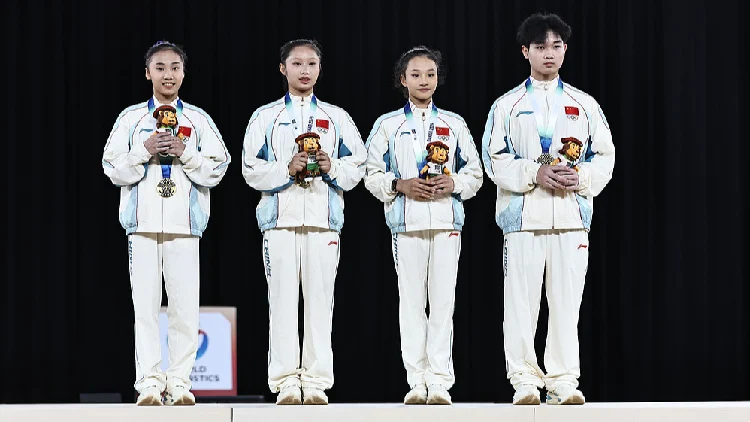
The Youth Olympic Games have been a prominent platform for showcasing the mixed team gymnastics event. For instance, at the 2026 Dakar Youth Olympics, China secured the first-ever mixed team gymnastics gold medal. This event highlighted the exciting potential of the format, with athletes from different nations and genders coming together to compete. The competition involved teams of one male and one female gymnast, competing across various apparatus.
In this specific event, China’s Yang Lanbin and Chen Ziyan were instrumental in their team’s victory. Chen’s performance on the balance beam and Yang’s floor exercise routine contributed significantly to their final score. The competition format involved multiple rounds, with scores reset after each stage, emphasizing consistent performance. Japan took the silver medal, and Israel secured the bronze, demonstrating the international appeal and competitive nature of this new format.
The introduction of such events at the Youth Olympics serves as a vital stepping stone. It allows young athletes to experience the unique dynamics of mixed-gender team competition, fostering skills that are valuable both in and out of the sport. The success of these events can pave the way for broader adoption in senior international competitions, including potentially the Olympic Games themselves. The format’s ability to blend different gymnastic disciplines and encourage cross-gender collaboration makes it a compelling addition to the sport.
The Future of Mixed Team Gymnastics
The trajectory of mixed team gymnastics suggests a promising future. As more competitions feature this format, its popularity is likely to grow among athletes, coaches, and spectators alike. The inherent appeal of a collaborative, inclusive event that showcases a wider range of gymnastic talents is a strong foundation for its expansion. Governing bodies are continually evaluating the format’s potential for inclusion in major international championships.
One of the key drivers for its future growth will be its potential inclusion in larger, more prestigious events. If the mixed team event were to become a standard part of the Olympic Games program, for example, it would undoubtedly elevate its profile and encourage greater investment and participation worldwide. This would also necessitate further refinement of rules and scoring systems to ensure fairness and maximize spectator engagement.
Furthermore, the development of training programs and coaching expertise specifically tailored to the mixed team format will be essential. As the sport evolves, so too must the methods used to prepare athletes for its unique demands. This includes not only technical training but also a focus on teamwork, communication, and strategic planning. The ongoing evolution of mixed team gymnastics promises to bring new excitement and opportunities to the sport, reflecting a broader trend towards inclusivity and innovation in athletic competitions.
Benefits of the Mixed Team Format
The mixed team format offers several distinct advantages that contribute to its growing appeal within the gymnastics community. One of the most significant benefits is the promotion of gender equality. By requiring male and female gymnasts to work together towards a common goal, the format inherently emphasizes the equal value and contribution of both genders in the sport. This can help to break down traditional barriers and foster a more inclusive environment for all athletes.
Another key benefit is the development of teamwork and communication skills. In a mixed team event, athletes must learn to rely on each other, understand different strengths and perspectives, and communicate effectively to achieve success. This collaborative aspect can be highly beneficial for personal development, teaching valuable life skills that extend beyond the gymnastics arena. The shared experience of working towards a collective victory, or overcoming challenges together, can forge strong bonds between teammates.
The format also introduces a dynamic and engaging spectator experience. The interplay between different apparatus, the strategic decisions made by coaches, and the combined efforts of male and female athletes create a compelling narrative for audiences. It offers a fresh perspective on gymnastics, showcasing a broader range of skills and a different kind of competitive dynamic than traditional events. This can attract new fans to the sport and provide a more comprehensive view of gymnastic talent.
Challenges and Considerations
Despite its many benefits, the mixed team format also presents certain challenges that need to be addressed for its continued growth and success. One primary challenge lies in standardizing the rules and scoring systems across different competitions and governing bodies. Variations in team composition, apparatus selection, and scoring methodologies can create confusion and make it difficult to compare results across events. Clear and consistent guidelines are essential for the format’s credibility and widespread adoption.
Another consideration is the potential for imbalances in skill sets between male and female gymnasts on a team. While the format aims for collaboration, ensuring that each team member’s contribution is meaningful and that no individual is overshadowed requires careful planning and coaching. The differing physical demands and skill requirements of men’s and women’s artistic gymnastics mean that creating truly balanced teams can be complex.
The training and preparation required for mixed team events also pose a challenge. Coaches and athletes need to develop strategies that account for the unique demands of this format, which may differ significantly from traditional training regimens. This includes mastering routines on a wider range of apparatus and developing the ability to perform under the specific pressures of a mixed-gender team competition. Ensuring adequate resources and expertise are available to support these specialized training needs will be crucial.
Conclusion
The mixed team gymnastics format represents an exciting evolution in the sport, blending the athleticism of both male and female gymnasts into a collaborative and strategic competition. Its structure, which often involves multiple rounds with reset scores and carefully selected apparatus, demands a high level of adaptability and consistent performance from teams. The scoring system is designed to reflect the collective effort, making teamwork and communication paramount.
As seen in events like the Youth Olympic Games, where China claimed a historic gold medal, the mixed team format is proving to be a compelling addition to the gymnastics landscape. It not only promotes gender equality and fosters valuable life skills but also offers a dynamic and engaging experience for spectators. While challenges related to rule standardization and specialized training exist, the benefits of inclusivity, teamwork, and a broader showcase of gymnastic talent point towards a bright future for mixed team gymnastics. This innovative format is poised to continue shaping the sport, offering new opportunities for athletes and captivating audiences worldwide.
Conversation
0 Comments