

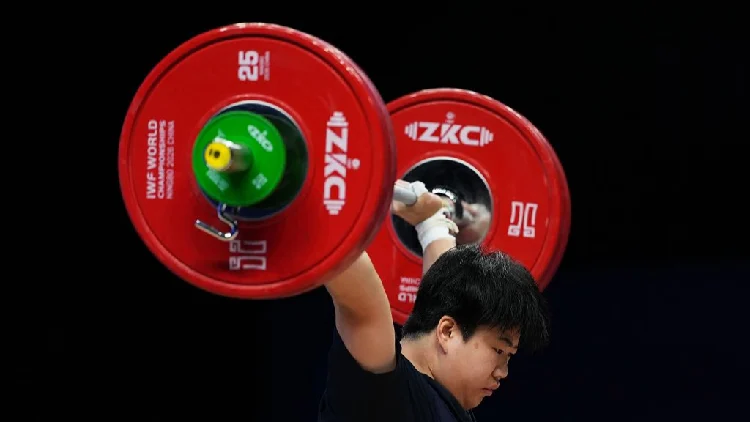
Understanding the Structure of Weightlifting Competitions
Weightlifting is a sport that demands incredible strength, precision, and dedication. At its core, it involves lifting the heaviest possible weight in two distinct movements: the snatch and the clean and jerk. Competitions are structured to test athletes across these lifts, with various categories and rules to ensure fair play and showcase the pinnacle of human strength. Understanding this structure is key to appreciating the sport, from the strategy of each lift to the overall outcome of a competition.
The Two Lifts: Snatch and Clean & Jerk
The foundation of any weightlifting competition lies in its two primary lifts. Each lift requires a unique combination of power, technique, and balance, making them distinct challenges for athletes.
The Snatch
The snatch is often described as the more technical of the two lifts. It involves lifting the barbell from the floor to an overhead position in a single, continuous motion. The athlete must pull the bar upwards, moving under it to catch it in a deep squat position before standing up with the weight locked out overhead. This lift demands explosive power, extreme flexibility, and precise timing. The speed at which the athlete moves under the bar is critical, as is their ability to maintain control throughout the movement. A successful snatch requires the lifter to overcome gravity and their own body’s inertia in a fraction of a second.
The Clean & Jerk
The clean and jerk is a two-part lift that allows athletes to move heavier weights than in the snatch. It begins with the “clean,” where the barbell is lifted from the floor to the shoulders in a single motion. This typically involves a powerful pull and a quick dip to catch the bar in a front squat position, followed by standing up. Once the bar is stable on the shoulders, the athlete prepares for the “jerk.” The jerk involves driving the bar overhead, usually with a slight dip and drive of the legs, and then splitting or squatting under the bar to catch it in a locked-out position overhead. The athlete must then demonstrate control and stability before receiving the signal to lower the bar. This lift tests raw strength and the ability to transition smoothly between two distinct phases.
Competition Format and Scoring
Weightlifting competitions are typically divided into weight classes and gender categories. Athletes compete within their designated class, aiming to achieve the highest total weight lifted across both the snatch and the clean and jerk.
Weight Classes and Categories
To ensure fair competition, weightlifters are grouped into specific weight classes. This means athletes only compete against others who weigh roughly the same amount. This prevents larger, heavier athletes from having an inherent advantage over smaller, lighter ones. For men, common weight classes include categories like 55kg, 61kg, 67kg, 73kg, 81kg, 89kg, 96kg, 102kg, 109kg, and +109kg. Women’s weight classes are also standardized, with categories such as 45kg, 49kg, 55kg, 59kg, 64kg, 71kg, 76kg, 81kg, 87kg, and +87kg. These classes are periodically reviewed and adjusted by international governing bodies to reflect trends in the sport.
The Three Attempts
In both the snatch and the clean and jerk, each athlete is given three attempts for each lift. They can choose their starting weight and then increase it for subsequent attempts. The highest successful lift in the snatch and the highest successful lift in the clean and jerk are recorded. If an athlete fails all three attempts in either lift, they are disqualified from the total score. This system allows athletes to strategize, starting with a weight they are confident in lifting and then pushing their limits with heavier weights as the competition progresses. The progression of weights is managed by technical officials to ensure a smooth flow and fair opportunity for all competitors.
Determining the Winner: The Total Score
The winner of a weightlifting competition is determined by the sum of their best successful snatch and their best successful clean and jerk. This combined total is known as the “total.” For example, if an athlete successfully snatches 100kg and clean and jerks 130kg, their total is 230kg. The athlete with the highest total within their weight class wins the gold medal. In major championships, medals are often awarded for the snatch, the clean and jerk, and the total, providing multiple opportunities for athletes to achieve success. This multi-medal system rewards excellence in both individual lifts as well as overall performance.
World Records and Major Competitions
The pursuit of excellence in weightlifting is marked by the setting of world records and participation in prestigious international events. These competitions are where athletes push the boundaries of human capability.
The Significance of World Records
World records represent the absolute peak of performance in weightlifting. They are the heaviest weights ever lifted in official competition within specific weight classes and lifts. Setting a world record is a monumental achievement, signifying an athlete’s dominance and their place in the history of the sport. These records are often broken by small margins, reflecting the intense competition and the incremental gains athletes make through rigorous training and refined technique. For instance, in the women’s 86kg category, Liao Guifang recently set new world records in the clean and jerk and the total, showcasing an extraordinary level of performance. Such achievements inspire future generations of weightlifters.
Major International Events
Several major international competitions serve as the ultimate stage for weightlifters. The most prestigious of these is the Olympic Games, held every four years. Winning an Olympic gold medal is the highest honor in the sport. Following the Olympics, the International Weightlifting Federation (IWF) World Championships are the next most important event. These championships bring together the best lifters from around the globe to compete for world titles. Other significant events include continental championships (like the European Championships or Pan American Championships) and regional games. These events provide athletes with crucial competitive experience and opportunities to qualify for larger tournaments.
Rules and Regulations
To ensure fairness and safety, weightlifting competitions are governed by a strict set of rules and regulations. These rules cover everything from the equipment used to the conduct of the athletes during their lifts.
Equipment Standards
The equipment used in weightlifting is highly standardized to ensure consistency and safety. The barbells themselves must meet specific weight and dimension requirements. The weight plates are color-coded according to their weight, making it easy to identify the load on the bar. Athletes wear specialized weightlifting shoes that provide a stable base and ankle support, aiding in balance and power transfer. They may also wear a weightlifting belt to support their core during heavy lifts, and wrist wraps for added wrist stability. The platform on which the lifts are performed is also designed to provide a safe and stable surface.
Judging and Technical Officials
Each lift is overseen by a panel of three technical officials. They watch the lifter’s technique and ensure that all rules are followed. For a lift to be considered successful, the athlete must demonstrate control of the barbell overhead, with arms and legs fully extended, and maintain this position until the referees give the “down” signal. The officials signal their judgment with white lights for a good lift and red lights for a no-lift. A majority of white lights means the lift is successful. Common reasons for a no-lift include failing to lock out the arms, not standing up fully from the squat, or dropping the bar before the down signal.
Anti-Doping Regulations
Weightlifting, like all high-level sports, has stringent anti-doping regulations in place. Athletes are subject to testing both in and out of competition. The World Anti-Doping Agency (WADA) and the IWF work together to ensure a clean sport. Athletes found to have violated anti-doping rules face severe penalties, including disqualification, suspensions, and the stripping of medals and records. Maintaining the integrity of the sport through effective anti-doping measures is a top priority for all involved in weightlifting.
Strategic Elements of Weightlifting
Beyond raw strength, weightlifting involves significant strategic thinking, both in training and during competition. Athletes and their coaches make critical decisions that can impact performance.
Training Periodization and Peaking
Effective weightlifting training involves careful planning over extended periods. This process, known as periodization, involves structuring training cycles to build strength and technique progressively. The goal is to have the athlete “peak” at the right time, meaning they are in their best physical condition for a major competition. This involves adjusting training volume and intensity, incorporating rest and recovery, and fine-tuning technique. Coaches use data and athlete feedback to determine the optimal training load and recovery strategy to ensure peak performance on competition day.
In-Competition Strategy
During a competition, the athlete’s strategy is crucial. This includes deciding on the opening weights for both the snatch and the clean and jerk. The opening weight is often chosen to be a relatively safe lift that guarantees a score and avoids an early exit. Subsequent attempts are then based on how the competition is unfolding, the athlete’s performance, and their overall capabilities. Coaches play a vital role in advising their athletes on weight selection, managing fatigue, and maintaining focus throughout the competition. The psychological aspect is also significant, as athletes must remain calm and confident under pressure.
The Future of Weightlifting
The sport of weightlifting continues to evolve, with ongoing discussions about rule changes, new training methodologies, and the inclusion of emerging nations. The focus remains on athlete development, fair competition, and the continued pursuit of athletic excellence.
Evolving Weight Classes and Rules
Governing bodies like the IWF periodically review and adjust weight classes and competition rules. These changes are often made to keep pace with the sport’s development, to encourage broader participation, and to align with the Olympic program. For example, the introduction of new weight categories has aimed to create more competitive fields and better represent the diversity of athletes. Rule adjustments might focus on technical aspects of the lifts or the judging criteria to ensure clarity and consistency.
Growing Global Participation
Weightlifting is a sport with a rich history, and its appeal continues to grow worldwide. More countries are developing strong weightlifting programs, leading to a more diverse and competitive international field. This global growth is supported by increased access to training resources, coaching education, and international competition opportunities. The success of athletes from various nations highlights the sport’s universal nature and its ability to inspire individuals across different cultures.
The structure of weightlifting competitions, from the fundamental lifts to the strategic planning and global governance, creates a dynamic and challenging sport. It is a testament to human strength, discipline, and the relentless pursuit of personal bests, all within a framework designed for fairness and excitement.
Conclusion
Weightlifting competitions are meticulously structured events designed to test the strength, technique, and mental fortitude of athletes. The sport hinges on two fundamental lifts, the snatch and the clean and jerk, each demanding a unique skill set. Athletes compete within defined weight classes, taking three attempts at each lift, with their best successful lifts in the snatch and clean and jerk combined to determine their total score. World records stand as benchmarks of ultimate achievement, often set at major international events like the Olympic Games and IWF World Championships. Strict rules govern equipment, judging, and anti-doping measures to ensure fair play and athlete safety. Strategic planning in training and during competition is paramount, with coaches and athletes making critical decisions to optimize performance. As the sport evolves with changing weight classes and growing global participation, the core principles of strength, precision, and sportsmanship remain at its heart, making weightlifting a compelling display of human athletic potential.
Conversation
0 Comments