

China’s Dominance in Women’s Trampoline: A Look at the World Championships
The world of gymnastics is a spectacle of power, grace, and incredible aerial control. Among its many disciplines, trampoline gymnastics stands out for its breathtaking displays of athletes soaring to impressive heights, executing complex twists and flips. The World Trampoline Championships represent the pinnacle of this sport, where nations vie for global supremacy. In recent years, China has emerged as a dominant force, particularly in the women’s team event, consistently showcasing exceptional talent and securing top honors. This analysis delves into the structure and strategy behind China’s success in women’s trampoline, exploring the elements that contribute to their consistent performance on the world stage.
The journey to becoming a world champion in trampoline gymnastics is a long and demanding one, requiring years of dedicated training, specialized coaching, and a deep understanding of the sport’s technical and physical requirements. China’s approach to developing its athletes in this discipline is a testament to a well-structured system that fosters talent from a young age and guides them through a rigorous progression. Understanding this structure is key to appreciating the depth of talent and the strategic planning that underpins their championship wins.
The Foundation: Grassroots Development and Talent Identification
China’s success in trampoline gymnastics, like in many other sports, begins with a robust system of grassroots development. This involves identifying potential talent early and providing them with the foundational training necessary to excel. The process typically starts in schools and local sports clubs, where young children are introduced to gymnastics and trampoline activities. Coaches look for specific physical attributes such as strength, flexibility, coordination, and spatial awareness, as well as mental qualities like discipline, resilience, and a willingness to learn.
Once identified, these young athletes are often funneled into specialized sports schools or provincial training centers. Here, they receive more intensive coaching and a curriculum that balances physical training with academic education. The focus at this stage is on mastering fundamental skills, building a strong physical base, and instilling a deep understanding of trampoline techniques. This early exposure to structured training and competition is crucial for developing the long-term potential of these athletes. The sheer volume of participants at this level ensures that a wide net is cast, increasing the probability of discovering exceptional talent.
The Training Pyramid: Provincial and National Teams
As athletes progress through the grassroots system, they begin to climb a hierarchical pyramid of training. The next significant step is typically entry into provincial-level teams. These teams are more competitive and receive greater resources, including advanced training facilities, specialized sports science support, and a higher caliber of coaching. Athletes at this level are expected to refine their skills, increase the difficulty of their routines, and begin competing in national championships.
Success at the provincial level is the primary pathway to the national team. The Chinese Gymnastics Association oversees the national trampoline program, which brings together the country’s elite athletes. The national team training environment is highly demanding, characterized by intense daily training sessions, rigorous physical conditioning, and a constant drive for improvement. Athletes are pushed to their limits, both physically and mentally, to prepare them for the pressures of international competition. The coaching staff at the national level comprises some of the most experienced and knowledgeable individuals in the sport, often with a background in elite performance themselves. They work closely with athletes to develop personalized training plans, focusing on perfecting routines, enhancing execution, and minimizing errors.
Strategic Approach to Competition and Routine Development
China’s strategic approach to competition and routine development is a critical factor in their sustained success. This involves not only mastering difficult skills but also understanding the scoring system and developing routines that maximize points while minimizing risk. Trampoline routines are judged on difficulty, execution, and time of flight. Athletes must balance the desire to perform complex skills with the need for clean execution and stable landings.
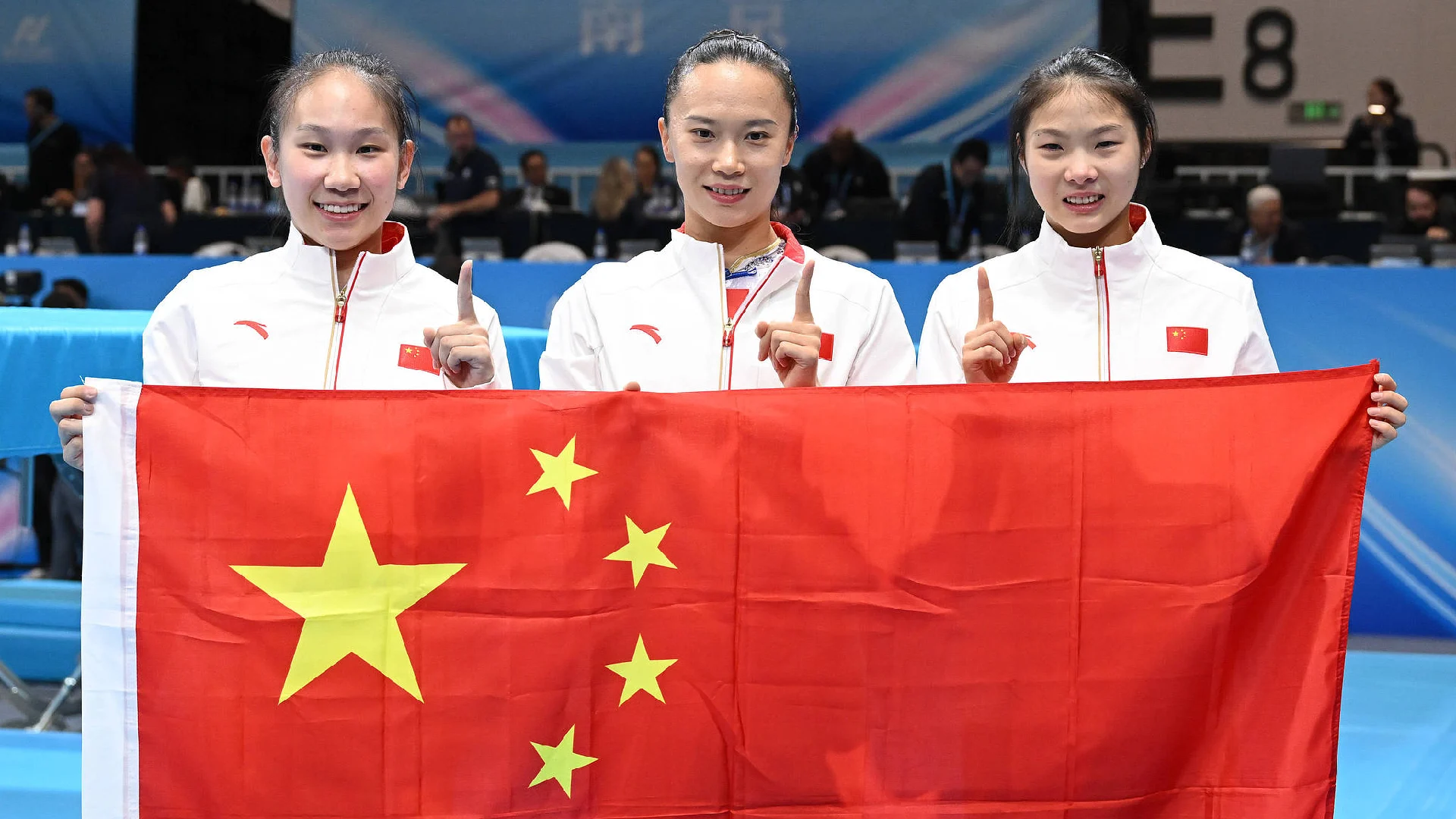
In team competitions, like the World Championships, the strategy involves selecting athletes whose strengths complement each other. This might mean having specialists in different areas, such as those who excel in high difficulty routines versus those who are known for their flawless execution. The recent World Trampoline Championships in Nanjing, where China retained the women’s team title, exemplifies this. The team entered the final ranked second but consistently performed to secure the win. Zhang Yu, a debutant, performed well, while Olympic gold medalist Zhu Xueying contributed crucial points. Zhang Xinxin’s decisive routine, narrowly beating her Belarusian competitor, sealed the victory. This shows a strategic deployment of athletes to achieve the collective goal.
The development of routines is an ongoing process. Coaches and athletes work together to choreograph routines that showcase the athlete’s best skills and meet the evolving demands of the sport. This includes incorporating new elements and increasing the overall difficulty as athletes gain experience and confidence. The goal is to create routines that are not only technically sound but also visually impressive, earning high scores from the judges. The emphasis on consistency, as seen in the Nanjing championships where China’s consistent performances clinched the title, highlights a strategic focus on reliability under pressure.
The Role of Sports Science and Technology
Modern elite sports are heavily reliant on sports science and technology, and trampoline gymnastics is no exception. China has invested significantly in these areas to support its athletes. This includes advanced biomechanical analysis to refine technique and prevent injuries, physiological monitoring to optimize training loads, and psychological support to enhance mental toughness.
High-speed cameras and motion capture technology are used to analyze every aspect of an athlete’s jump, twist, and landing. This data allows coaches to identify subtle flaws in technique that might be imperceptible to the naked eye. Sports scientists work with athletes to develop personalized strength and conditioning programs tailored to their specific needs and the demands of trampoline gymnastics. Nutritionists ensure athletes have the optimal diet to support their training and recovery.
Furthermore, technology plays a role in the development of trampoline equipment itself. Advances in materials and design can lead to trampolines that offer better rebound, consistency, and safety, allowing athletes to push their boundaries. This integration of scientific principles and technological advancements provides Chinese athletes with a competitive edge, ensuring they are training and performing at the highest possible level.
Coaching Philosophy and Athlete Development
The coaching philosophy in China’s trampoline program is characterized by a strong emphasis on discipline, hard work, and technical precision. Coaches are not just instructors; they are mentors who guide athletes through the physical and mental challenges of elite competition. The coaching staff often includes individuals with extensive experience in the sport, many of whom have been successful athletes themselves.
This experience allows them to impart valuable insights into technique, strategy, and the psychological aspects of performance. The coaching approach is often described as demanding but supportive, pushing athletes to achieve their full potential while providing the necessary encouragement and guidance. There is a strong focus on building a solid technical foundation from the early stages of an athlete’s career, ensuring that complex skills are learned correctly and safely.
The development of athletes is viewed as a long-term process. Coaches work with athletes to set realistic goals, monitor their progress, and adapt training plans as needed. This holistic approach ensures that athletes not only develop their physical capabilities but also mature into well-rounded individuals capable of handling the pressures of elite sports. The success of athletes like Zhu Xueying, an Olympic gold medalist, and Zhang Xinxin, a former synchronized trampoline world champion, highlights the effectiveness of this coaching philosophy.
Overcoming Challenges and Maintaining Dominance
Maintaining dominance in any sport is a continuous challenge. Competitors are always striving to catch up, and the sport itself evolves. China’s trampoline program faces the ongoing task of staying ahead of the curve, adapting to new trends, and nurturing the next generation of champions.
One of the key challenges is managing athlete burnout and preventing injuries. The intense training regimen can take a toll on athletes’ bodies and minds. Therefore, a strong emphasis on recovery, injury prevention, and mental well-being is crucial. The integration of sports science plays a vital role in this aspect, ensuring athletes are monitored and supported appropriately.
Another challenge is the constant need to innovate and adapt. As other nations improve their programs and athletes develop new skills and techniques, China must continue to evolve its own training methods and strategies. This involves staying abreast of international developments, investing in research and development, and fostering a culture of continuous improvement within the national team. The ability to consistently produce world-class talent, as demonstrated by the depth of the Chinese team at events like the World Championships, is a testament to their enduring commitment to excellence.
The competitive landscape in trampoline gymnastics is fierce. While China has achieved remarkable success, particularly in the women’s team event, they must remain vigilant. Nations like Belarus and Russia have also produced strong athletes and teams, often challenging China for top honors. For instance, in the men’s team final at the Nanjing World Championships, Belarus narrowly defeated China, showcasing the competitive nature of the sport. This rivalry pushes all participating nations to elevate their game, ultimately benefiting the sport as a whole.
The Future of Chinese Women’s Trampoline
Looking ahead, the future of Chinese women’s trampoline gymnastics appears bright. The established system of talent identification, rigorous training, and strategic competition planning provides a solid foundation for continued success. The ongoing investment in sports science and technology will further enhance the capabilities of their athletes.
The emphasis on developing well-rounded athletes, with strong technical skills and mental resilience, ensures a steady pipeline of talent. The experience gained by young athletes like Zhang Yu at the World Championships is invaluable for their future development. As these athletes mature and gain more international experience, they are likely to become the next generation of stars.
Furthermore, the culture of excellence within the Chinese Gymnastics Association fosters a competitive spirit that drives athletes to constantly improve. The desire to represent their country at the highest level, coupled with the support of a world-class training system, positions China to remain a formidable force in women’s trampoline gymnastics for years to come. The consistent performance and ability to adapt to new challenges suggest that China will continue to be a benchmark for success in this dynamic and exciting sport.
Conclusion
China’s sustained dominance in women’s trampoline team events is not a matter of chance but the result of a meticulously structured and strategically executed program. From the early identification of talent at the grassroots level to the sophisticated training methodologies employed by the national team, every stage is designed to cultivate elite athletes. The integration of sports science, a disciplined coaching philosophy, and a keen understanding of competitive strategy all contribute to their consistent success on the world stage. While the sport remains competitive, China’s commitment to excellence and continuous improvement suggests they will continue to be a leading force in women’s trampoline gymnastics, inspiring audiences with their breathtaking performances and setting the standard for the sport globally.
The organization’s website can be found at https://www.gymnastics.sport/.

Conversation
0 Comments