

Alibaba’s Qwen AI Model Integration into Apple Intelligence: A Deep Dive
The technology landscape is constantly shifting, with artificial intelligence leading the charge. In a significant development, Chinese tech giant Alibaba Group has announced a partnership with Apple to integrate its Qwen AI model into Apple Intelligence. This collaboration marks a pivotal moment, bringing a leading Chinese large language model into the core of a major global consumer hardware ecosystem. This article will explore the implications of this partnership, the capabilities of the Qwen model, and what this means for the future of AI integration in consumer devices, particularly within the Chinese market.
Understanding the Partnership: Qwen Meets Apple Intelligence
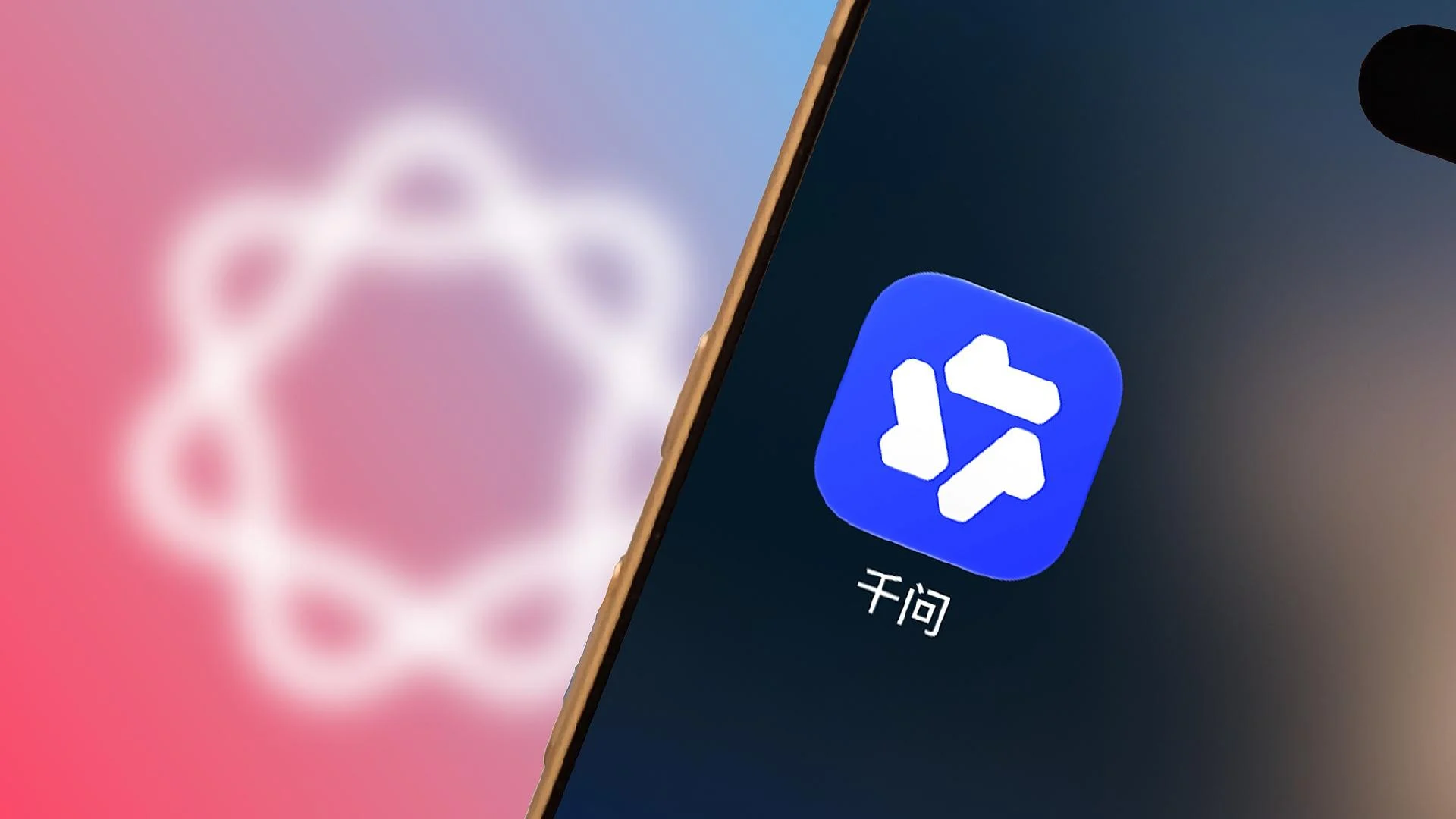
The announcement details a collaboration where Alibaba’s Qwen AI model will be integrated into Apple Intelligence, Apple’s own AI system. This integration is not a minor addition but aims to power key functionalities within Apple’s operating system. For users in China, this means that features like Siri, Writing Tools, and Visual Intelligence will be able to leverage Qwen’s advanced capabilities for understanding text and images, as well as generating new content. This partnership is particularly noteworthy as it represents the first instance of a major global consumer hardware manufacturer adopting a Chinese large model as a primary, system-level AI backbone for its operations within China.
The integration is set to begin with a testing phase, with the Qwen-powered features available in the latest iOS developer beta starting November 4th. A wider rollout to Chinese users is planned with the official iOS 27.3 release in December. This phased approach allows for refinement and ensures a smoother user experience upon the public launch. The company has emphasized user control, stating that users can choose whether to enable the Qwen integration and what information they share. Crucially, Alibaba has committed to not using user requests or generated responses for model training, addressing potential privacy concerns.
The availability of this feature is geographically specific, intended for users in China who purchase an Apple Intelligence-capable iPhone or whose device location and Apple Account country or region are set to China. This targeted rollout highlights the strategic importance of the Chinese market for both companies and acknowledges the unique regulatory and user preference landscape within the region. Eddie Wu, CEO of Alibaba Group, expressed enthusiasm for the collaboration, noting that Qwen, built on Alibaba’s AI expertise, will now become part of Apple’s ecosystem, working together to deliver novel AI-powered service experiences to Chinese users.
The Power of Qwen: Capabilities and Development
Qwen, developed by Alibaba Cloud, is a family of large language models designed to be versatile and powerful. It has demonstrated strong performance across a range of natural language processing tasks, including text generation, summarization, translation, and question answering. The model’s architecture is built to handle complex queries and generate coherent, contextually relevant responses. Its development has been driven by Alibaba’s significant investment in AI research and development, aiming to create models that can compete on a global scale.
One of the key strengths of the Qwen models is their adaptability. They can be fine-tuned for specific applications, making them suitable for a wide array of use cases. In the context of Apple Intelligence, Qwen’s ability to understand and generate both text and images is particularly valuable. This dual capability allows for richer interactions, where users can, for example, describe an image and have the AI generate text based on it, or vice versa. This multimodal understanding is becoming increasingly important in advanced AI systems.
Alibaba’s commitment to open-source development for some of its AI models, including certain versions of Qwen, has also fostered a community of developers and researchers who contribute to its improvement and explore new applications. While the specific version integrated into Apple Intelligence is likely a proprietary, optimized version, the underlying technology benefits from this broader development ecosystem. The continuous improvement of Qwen is fueled by extensive training data and sophisticated algorithms, positioning it as a strong contender in the AI model market.
The development of Qwen also reflects China’s growing prowess in AI research. As Wang Xiaojie, an AI expert at Beijing University of Posts and Telecommunications, pointed out, this partnership signifies a major step in the commercial application of domestic large models. It validates the capabilities of Chinese AI research and development on a global stage, moving beyond theoretical advancements to practical, system-level integration.
Apple Intelligence: A New Era for Apple’s AI
Apple Intelligence represents Apple’s ambitious move to embed advanced AI capabilities directly into its devices and software. Unveiled at its Worldwide Developers Conference in 2024, it aims to make user interactions more intuitive, efficient, and personalized. Unlike some AI systems that rely heavily on cloud processing, Apple Intelligence is designed to leverage on-device processing for many tasks, enhancing privacy and speed. However, for more complex computations, it can tap into private cloud servers or, as seen in this partnership, integrate with third-party AI models.
The integration of Qwen into Apple Intelligence for the Chinese market is a strategic decision that addresses the specific needs and regulatory environment of that region. Apple has historically adapted its services to comply with local regulations and cater to local user preferences. By partnering with a Chinese AI provider like Alibaba, Apple can ensure that its AI features are not only compliant but also culturally relevant and perform optimally for Chinese users. This approach allows Apple to navigate the complexities of the Chinese market more effectively.
Apple Intelligence is envisioned as a personal intelligence system that can understand context and perform actions across applications. This includes summarizing notifications, drafting emails, generating images, and providing intelligent assistance through Siri. The partnership with Qwen is a key component of delivering these advanced features in China, ensuring that the AI models powering these functions are robust and well-suited for the local language and cultural context.
The regulatory aspect is also critical. China’s cyberspace authority has been actively overseeing the development and deployment of generative AI services. The fact that Apple Intelligence completed the filing of its on-device generative AI services with the authorities in July indicates a proactive approach to compliance. The integration of Qwen further demonstrates Apple’s commitment to working within China’s regulatory framework.
Implications for the Chinese AI Market
The integration of Alibaba’s Qwen into Apple Intelligence has profound implications for the Chinese AI market. Firstly, it provides a significant boost to domestic AI companies, validating their technological capabilities and opening up new avenues for commercialization. For years, Chinese tech companies have been investing heavily in AI research, and this partnership serves as a major endorsement. It suggests that Chinese AI models are now mature enough to be integrated into the core systems of global technology giants.
Secondly, this move could accelerate the adoption of advanced AI features among Chinese consumers. By making these capabilities readily available through familiar Apple devices, the partnership lowers the barrier to entry for users to experience cutting-edge AI. This could lead to increased demand for AI-powered services and applications, fostering further innovation within the Chinese tech ecosystem. The ability to use Qwen for tasks like content creation, enhanced communication, and intelligent assistance will likely appeal to a broad user base.
Thirdly, the partnership sets a precedent for future collaborations between international tech companies and Chinese AI providers. As global tech firms seek to expand their presence in the vast Chinese market, they may increasingly look to local partners for AI solutions that are compliant, culturally attuned, and technologically advanced. This could lead to a more diversified and competitive AI landscape in China, with both domestic and international players contributing to its growth.
However, the partnership also raises questions about data privacy and security, even with Alibaba’s assurances. Users will be entrusting their data to a complex system involving both Apple and Alibaba’s AI. Transparency and robust security measures will be paramount to maintaining user trust. The commitment to not using user data for model training is a positive step, but ongoing vigilance and clear communication will be essential.
Future Outlook and Potential Challenges
The collaboration between Alibaba and Apple is a significant development, but it is just one step in the ongoing evolution of AI. The success of this integration will depend on several factors. User adoption rates, the performance and reliability of the Qwen model within Apple’s ecosystem, and the ability to continuously update and improve the AI features will all play a role. As AI technology advances rapidly, both companies will need to remain agile and responsive to new developments.
One potential challenge is the ongoing competition in the AI space. Other major technology players are also developing their own AI systems and forging partnerships. Apple will need to ensure that its AI offerings remain competitive and innovative. Similarly, Alibaba will face pressure to continue advancing its Qwen models to stay ahead of the curve and meet the evolving demands of its partners and the market.
Another consideration is the global geopolitical landscape, which can sometimes impact technology partnerships. While this specific integration is focused on the Chinese market, broader trade relations and technological policies could potentially influence future collaborations. Both companies will need to navigate these complexities carefully.
Furthermore, the ethical implications of AI, including issues of bias, fairness, and accountability, will continue to be important. As AI systems become more integrated into daily life, ensuring that they are developed and deployed responsibly will be a shared challenge for Apple, Alibaba, and the broader tech industry. The focus on user control and data privacy in this partnership is a good starting point, but continuous dialogue and proactive measures will be necessary.
The integration of Qwen into Apple Intelligence is a clear indicator of the growing maturity and global relevance of Chinese AI technology. It represents a significant step forward for both Alibaba and Apple, promising to deliver enhanced AI experiences to millions of users in China. As this partnership unfolds, it will be fascinating to observe its impact on the broader AI industry and the future of human-computer interaction.
Conclusion
The partnership between Alibaba’s Qwen and Apple Intelligence marks a significant milestone in the integration of advanced AI into consumer technology. By bringing a powerful Chinese large language model into the core of Apple’s operating system for the Chinese market, this collaboration addresses specific regional needs and regulatory requirements while showcasing the capabilities of domestic AI development. The integration promises to enhance user experiences through improved Siri functionality, writing tools, and visual intelligence, all while emphasizing user control and data privacy. This move not only validates China’s growing AI prowess on a global scale but also sets a precedent for future international tech collaborations within the region. As AI continues to evolve, this partnership is a compelling example of how global technology giants can work with local AI leaders to deliver innovative and tailored solutions to diverse markets.
Conversation
0 Comments