

The Rise of Robotics in Brazilian Manufacturing: A Deep Dive into Automation Trends
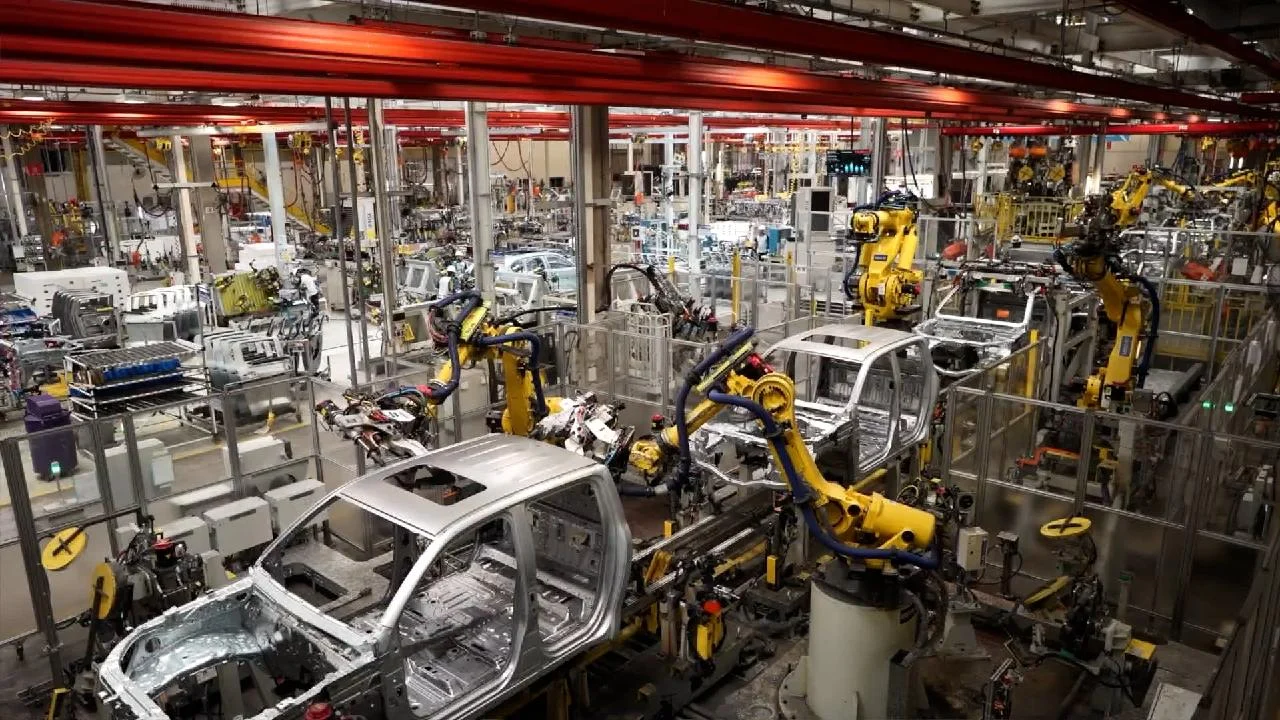
The landscape of manufacturing is constantly shifting, driven by technological advancements and global economic forces. In Brazil, a significant transformation is underway, particularly within the automotive sector. Factories across the nation are experiencing a surge in the adoption of industrial robots, a trend that is reshaping production lines and influencing the country’s industrial future. This increase in automation is not a sudden event but rather a response to evolving market demands, the pursuit of efficiency, and the strategic investments made by international players. Understanding this shift requires an examination of the factors driving robot adoption, the specific impact on the automotive industry, and the broader implications for Brazil’s economy and workforce.
The integration of robots into manufacturing processes offers numerous benefits, including enhanced precision, increased production speed, and improved worker safety. As companies strive to remain competitive in a globalized market, investing in automation becomes a strategic imperative. This article will explore the current state of robotics in Brazilian factories, analyze the key drivers behind this growth, and discuss the potential future trajectory of automation in the country. We will look at how this technological evolution is not only changing how cars are made but also influencing job markets and the overall economic development of Brazil.
The Surge in Industrial Robot Installations
Brazilian factories have seen a remarkable increase in the installation of industrial robots in recent years. Data indicates a substantial jump in the number of robots deployed, marking a significant acceleration in automation efforts. This growth is not confined to a single sector but is most pronounced in areas demanding high precision and repetitive tasks, with the automotive industry leading the charge. The figures reflect a growing commitment by Brazilian manufacturers to modernize their operations and enhance their production capabilities.
Last year, Brazilian factories installed nearly 4,300 industrial robots. This number represents a 38 percent increase compared to the previous year, setting a new record for robot installations in the country. This substantial growth highlights a clear trend towards greater automation across various manufacturing segments. The International Federation of Robotics has identified this trend, noting that the automotive sector is a primary driver of this expansion. The significant investment by Chinese carmakers in Brazil is cited as a key factor contributing to this surge, underscoring the global nature of manufacturing advancements and the role of foreign investment in shaping domestic industrial landscapes.
Key Drivers of Robot Adoption
Several interconnected factors are fueling the increased adoption of industrial robots in Brazil. Economic pressures, the pursuit of higher quality standards, and the strategic decisions of global manufacturers all play a role. As Brazil aims to bolster its manufacturing sector and compete on a global scale, automation is increasingly viewed as a necessary tool for achieving these objectives.
One of the primary drivers is the pursuit of enhanced productivity and efficiency. Robots can perform tasks faster and more consistently than human workers, leading to higher output and reduced production times. This is particularly important in industries like automotive manufacturing, where production volumes and speed are critical for market competitiveness. Furthermore, robots can operate continuously without fatigue, further boosting overall factory output.
Quality improvement is another significant factor. Industrial robots are designed for precision, capable of executing tasks with a high degree of accuracy and repeatability. This leads to fewer errors, reduced waste, and a more consistent product quality. In the automotive industry, where safety and performance are paramount, the precision offered by robots is invaluable for ensuring that every component meets stringent standards.
The need to improve workplace safety also contributes to robot adoption. Many manufacturing tasks involve hazardous environments, heavy lifting, or repetitive motions that can lead to injuries. By deploying robots to handle these dangerous or physically demanding jobs, companies can create a safer working environment for their human employees. This not only reduces the risk of accidents but also lowers insurance costs and improves employee morale.
Finally, the strategic investments by international companies, particularly Chinese automakers, have been instrumental in driving the recent surge. As these companies expand their presence in Brazil, they bring with them advanced manufacturing technologies and a commitment to automation. Their investments in new facilities or upgrades to existing ones often include the integration of state-of-the-art robotic systems, thereby increasing the overall demand for industrial robots in the country. This influx of foreign capital and expertise accelerates the adoption of automation, setting new benchmarks for the industry.
The Automotive Sector’s Leading Role
The automotive industry in Brazil has emerged as the primary beneficiary and driver of the recent boom in industrial robot installations. This sector’s inherent need for high-volume, precision-driven manufacturing makes it a natural fit for automation. As global automotive giants and emerging players alike invest in Brazilian production, the demand for sophisticated robotic solutions has escalated dramatically.
Nearly half of the industrial robots installed last year found their way into car plants. This concentration highlights the automotive sector’s critical role in the broader trend of manufacturing automation. The complexity of vehicle assembly, from welding and painting to the precise placement of components, benefits immensely from the capabilities of modern robots. These machines can perform repetitive tasks with unparalleled consistency, ensuring the quality and reliability of the vehicles produced.
The influence of Chinese carmakers has been particularly noteworthy. As these companies expand their operations and market share in Brazil, they are often building new facilities or significantly upgrading existing ones with advanced automation technologies. This includes the integration of cutting-edge robotic systems that are designed to optimize production processes and meet international quality standards. Their investment strategy often prioritizes efficiency and technological advancement, directly contributing to the increased demand for robots.
Beyond just installation numbers, the automotive sector’s embrace of robotics signifies a broader shift in manufacturing philosophy. It reflects a move towards “Industry 4.0” principles, where interconnected systems, data analytics, and automation work in synergy to create smarter, more agile factories. The adoption of robots in this sector is not merely about replacing manual labor but about fundamentally transforming the production process to achieve higher levels of quality, speed, and flexibility. This makes the automotive industry a bellwether for automation trends across Brazil’s manufacturing landscape.
How Robots Enhance Automotive Production
The integration of robots into automotive manufacturing processes has led to profound improvements in efficiency, quality, and safety. These machines are capable of performing a wide array of tasks with a level of precision and speed that is difficult for human workers to match consistently. Their deployment has become essential for modern car production lines.
One of the most common applications for robots in automotive factories is welding. Robotic arms equipped with welding tools can perform thousands of welds per vehicle with exceptional accuracy. This ensures the structural integrity of the car body, a critical factor for safety and performance. The consistency of robotic welding also leads to a more uniform appearance and reduces the need for post-weld finishing.
Painting is another area where robots excel. They can apply paint coatings evenly and efficiently, reaching areas that might be difficult for human painters. This results in a superior finish, better paint durability, and reduced waste of paint materials. Robotic painting systems also help to minimize worker exposure to harmful paint fumes, contributing to a safer working environment.
Assembly tasks, such as the installation of engines, transmissions, and other heavy or complex components, are increasingly being handled by robots. Collaborative robots, or “cobots,” are also being used to work alongside human assemblers, assisting with tasks that require both strength and dexterity. This collaborative approach can speed up assembly times and reduce the physical strain on human workers.
Material handling and logistics within the factory are also being automated. Robots can transport parts, tools, and finished components between different workstations, ensuring a smooth and continuous flow of materials. This reduces the need for manual transport, minimizes the risk of dropped parts, and keeps the production line moving efficiently.
Finally, quality inspection is being enhanced by robotic systems. Robots equipped with advanced sensors and cameras can perform detailed inspections of parts and assembled vehicles, identifying even minor defects that might be missed by human inspectors. This rigorous quality control process helps to ensure that only vehicles meeting the highest standards leave the factory.
The cumulative effect of these robotic applications is a significant boost in the overall efficiency and quality of automotive production. By taking over repetitive, dangerous, or highly precise tasks, robots allow human workers to focus on more complex problem-solving, oversight, and quality assurance roles, creating a more advanced and productive manufacturing ecosystem.
Beyond Automotive: Expanding Automation Horizons
While the automotive sector is currently the most prominent adopter of industrial robots in Brazil, the trend is gradually extending to other manufacturing industries. As the benefits of automation become more apparent and the cost of robotic technology becomes more accessible, a wider range of businesses are beginning to explore its potential. This expansion signifies a maturing automation market and a broader embrace of advanced manufacturing techniques across the Brazilian economy.
Industries such as food and beverage processing are increasingly turning to robots for tasks like packaging, palletizing, and sorting. These processes often involve repetitive movements and require hygienic conditions, making them well-suited for robotic automation. Robots can handle products gently, maintain consistent speeds, and operate in environments that might be challenging for human workers, such as cold storage facilities.
The metalworking and machinery sector is another area where automation is gaining traction. Robots are being used for tasks such as welding, cutting, grinding, and deburring metal parts. This not only improves the precision and efficiency of these operations but also enhances worker safety by removing them from hazardous processes involving sharp tools and heavy materials.
Logistics and warehousing are also seeing a growing adoption of robots. Automated guided vehicles (AGVs) and robotic arms are being deployed to move goods within warehouses, sort packages, and manage inventory. This is crucial for improving the speed and accuracy of supply chain operations, especially in e-commerce environments where rapid fulfillment is a key differentiator.
The plastics and rubber industry is utilizing robots for tasks like injection molding, assembly, and packaging. Robots can precisely handle hot plastic parts, perform intricate assembly steps, and ensure consistent packaging, all of which contribute to higher product quality and production efficiency.
Even sectors like agriculture are beginning to explore robotic solutions for tasks such as harvesting, planting, and monitoring crops. While still in earlier stages of adoption, agricultural robotics holds the promise of increasing efficiency, reducing labor dependency, and improving yields in a sector vital to Brazil’s economy.
The expansion of robotics into these diverse sectors indicates a growing recognition of automation’s value beyond its traditional strongholds. As technology continues to advance and become more adaptable, it is expected that even more industries will find compelling reasons to integrate robots into their operations, driving a more widespread digital transformation of Brazilian manufacturing.
Challenges and Opportunities in Automation Adoption
Despite the clear benefits and growing momentum, the widespread adoption of industrial robots in Brazil is not without its challenges. Overcoming these hurdles is crucial for unlocking the full potential of automation and ensuring that its benefits are broadly shared across the economy.
One of the most significant challenges is the initial cost of investment. Industrial robots and the necessary infrastructure can represent a substantial capital outlay, which may be prohibitive for small and medium-sized enterprises (SMEs). While the long-term return on investment can be significant, securing the upfront funding can be a major barrier.
Lack of skilled personnel to operate, maintain, and program robotic systems is another critical issue. The introduction of advanced automation requires a workforce with new skill sets, including expertise in robotics, programming, data analysis, and mechatronics. Brazil faces a gap in training programs and educational initiatives to adequately prepare its workforce for these evolving demands.
Integration complexity can also pose a challenge. Implementing robotic systems often requires significant modifications to existing factory layouts, workflows, and IT infrastructure. Ensuring seamless integration with other production systems and software can be a complex and time-consuming process, requiring specialized knowledge and careful planning.
Resistance to change from the workforce can also be a factor. Concerns about job displacement due to automation are understandable. Companies need to manage this transition carefully, focusing on reskilling and upskilling employees to take on new roles that complement robotic capabilities, rather than simply replacing human workers.
However, these challenges also present significant opportunities. The growing demand for automation creates opportunities for domestic and international technology providers to offer solutions tailored to the Brazilian market. It also spurs the development of new training and educational programs, fostering a more skilled workforce and creating new job opportunities in the technology and maintenance sectors.
Furthermore, government support and incentives can play a crucial role in overcoming financial barriers for SMEs. Policies that encourage investment in automation, coupled with robust training initiatives, can accelerate the adoption process and ensure that Brazil remains competitive in the global manufacturing arena. By addressing these challenges proactively, Brazil can harness the transformative power of robotics to drive economic growth and innovation.
The Impact on the Brazilian Workforce
The increasing integration of robots into Brazilian factories inevitably raises questions about the future of the human workforce. While automation promises increased efficiency and productivity, it also brings concerns about job displacement and the need for workforce adaptation. Understanding this impact requires a balanced perspective that acknowledges both the challenges and the opportunities presented by this technological shift.
Historically, technological advancements have often led to shifts in employment patterns. Automation can indeed lead to the displacement of workers in roles that are highly repetitive or easily automated. Tasks such as assembly line work, material handling, and basic quality checks are prime candidates for robotic takeover. This can create anxiety among workers and necessitate proactive strategies to manage the transition.
However, the narrative of automation is not solely about job loss. The introduction of robots also creates new types of jobs and demands for different skill sets. There is a growing need for robotics technicians, automation engineers, programmers, and maintenance specialists who can install, operate, and maintain these sophisticated machines. These roles often require higher levels of technical expertise and can offer more rewarding career paths.
Moreover, robots can augment human capabilities rather than simply replace them. Collaborative robots, or cobots, are designed to work alongside human operators, assisting them with physically demanding or repetitive tasks. This partnership can lead to increased productivity, improved ergonomics, and a safer working environment for human employees. By taking over the strenuous or monotonous aspects of a job, robots allow humans to focus on more complex problem-solving, decision-making, and quality oversight.
The transition to a more automated workforce also highlights the importance of reskilling and upskilling initiatives. Educational institutions, government agencies, and private companies must collaborate to provide training programs that equip workers with the skills needed for the jobs of the future. This includes technical training in robotics and automation, as well as soft skills such as critical thinking, problem-solving, and adaptability.
Ultimately, the impact of robotics on the Brazilian workforce will depend on how effectively the country manages this transition. A proactive approach that prioritizes education, training, and strategic workforce planning can help to mitigate job displacement and ensure that the benefits of automation are widely shared. By embracing a future where humans and robots work collaboratively, Brazil can build a more resilient, productive, and innovative manufacturing sector.
The Future of Manufacturing in Brazil
The current trajectory of robotics adoption in Brazil points towards a future where advanced automation plays an increasingly central role in the nation’s manufacturing sector. This evolution is not just about adopting new technologies but about fundamentally rethinking production processes, supply chains, and workforce development. The trends observed today are setting the stage for a more technologically integrated and globally competitive Brazilian industry.
The continued growth of the automotive sector’s investment in robotics is expected to persist, driven by global competition and the pursuit of higher manufacturing standards. As Chinese automakers and other international players solidify their presence, they will likely continue to deploy state-of-the-art automation solutions. This will not only boost production but also elevate the overall technological sophistication of Brazil’s manufacturing base.
Beyond automotive, the expansion of robotics into other industries like food and beverage, metalworking, and logistics is likely to accelerate. As the technology becomes more accessible and versatile, more SMEs will find viable pathways to integrate automation into their operations. This broader adoption will be crucial for enhancing the competitiveness of Brazil’s diverse industrial landscape.
The concept of smart factories, or Industry 4.0, will become more prevalent. These factories will feature interconnected systems, advanced data analytics, artificial intelligence, and a high degree of automation. This will enable greater flexibility in production, allowing manufacturers to quickly adapt to changing market demands and customize products more efficiently.
Workforce development will remain a critical focus. The demand for skilled labor in automation-related fields will continue to grow, necessitating ongoing investment in education and training. Universities, technical schools, and vocational training centers will need to adapt their curricula to meet these evolving needs, ensuring a pipeline of talent capable of managing and innovating within automated environments.
Government policies and incentives will also play a significant role in shaping the future. Support for R&D in automation, tax incentives for technology adoption, and programs to facilitate workforce reskilling can accelerate the transition and ensure that Brazil capitalizes on the opportunities presented by automation.
In essence, the future of manufacturing in Brazil is one of increased technological integration, enhanced efficiency, and a dynamic interplay between human expertise and robotic capabilities. By embracing these changes strategically, Brazil can position itself as a significant player in the global manufacturing arena, driving economic growth and innovation for years to come.
Conclusion
The surge in industrial robot installations across Brazil, particularly within the automotive sector, marks a pivotal moment in the nation’s manufacturing evolution. Driven by a confluence of factors including the pursuit of efficiency, quality improvements, enhanced safety, and strategic international investment, automation is no longer a distant prospect but a present reality reshaping factory floors. While the automotive industry leads the way, the adoption of robotics is steadily expanding into diverse sectors, signaling a broader embrace of advanced manufacturing technologies.
Navigating this transformation requires addressing key challenges such as initial investment costs, the need for skilled personnel, and the complexities of system integration. However, these challenges are matched by significant opportunities for technological advancement, job creation in new fields, and economic growth. The impact on the workforce necessitates a proactive approach focused on reskilling and upskilling, fostering a collaborative environment where human ingenuity and robotic precision work in tandem.
As Brazil moves towards a future defined by smart factories and Industry 4.0 principles, the strategic integration of robotics will be paramount. By prioritizing education, innovation, and supportive government policies, Brazil can harness the full potential of automation to build a more competitive, productive, and resilient manufacturing sector, securing its place in the global industrial landscape.



Conversation
0 Comments