

BRICS Youth Leaders Campus: Fostering Innovation and Cooperation for a Shared Future
The world is rapidly changing, with technological advancements and global challenges requiring new approaches and strong international partnerships. In this dynamic landscape, fostering collaboration among young leaders is essential for driving progress and building a sustainable future. The 2026 BRICS Youth Leaders Campus on Science, Technology and Innovation, held in Fuzhou and Xiamen, China, brought together twenty-five young representatives from BRICS nations to explore these critical areas. This six-day program, themed “Bringing Together Youth Innovation to Advance Practical BRICS Cooperation,” aimed to deepen understanding, share experiences, and identify concrete opportunities for collaboration among the member countries.
The campus provided a unique platform for young minds to engage with cutting-edge developments in science and technology, understand China’s progress in various sectors, and connect with peers from diverse cultural backgrounds. By focusing on innovation and practical cooperation, the event sought to translate the spirit of BRICS into tangible outcomes that benefit all member nations and contribute to global development. This initiative highlights the growing importance of youth engagement in shaping international relations and driving forward the agenda of economic and technological advancement within the BRICS framework.
Exploring Innovation and Cooperation in Fuzhou and Xiamen
The 2026 BRICS Youth Leaders Campus was strategically designed to immerse participants in China’s vibrant innovation ecosystem. From November 8th to 13th, the program unfolded across Fuzhou and Xiamen, two cities known for their economic dynamism and technological advancements. The core objective was to showcase practical applications of science and technology and to foster a deeper understanding of how these advancements can drive practical cooperation among BRICS nations.
Participants embarked on a series of visits to leading Chinese technology companies and major enterprises. These excursions offered firsthand insights into China’s progress in key areas such as the marine economy, artificial intelligence (AI), the digital economy, and intelligent manufacturing. By witnessing these developments up close, the young leaders gained a clearer picture of the opportunities and challenges associated with technological innovation in a rapidly developing economy. The program also included visits to cultural landmarks, emphasizing the integration of traditional heritage with modern urban development, providing a holistic view of China’s progress.
Experiencing Technological Advancements Firsthand
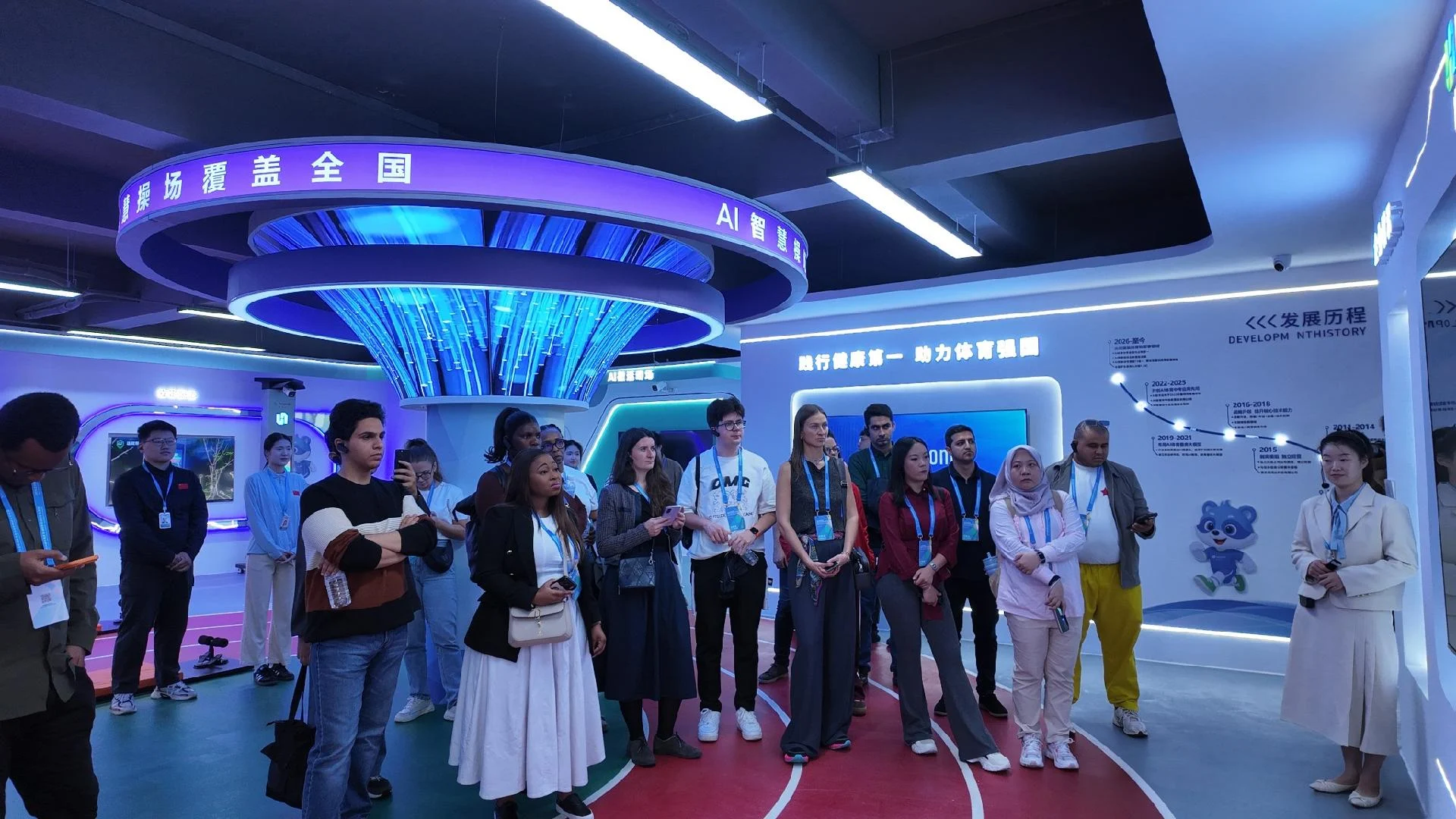
The itinerary was carefully curated to provide diverse learning experiences. In Fuzhou, for instance, participants had the opportunity to learn about the application of AI in sports education. This hands-on experience allowed them to see how advanced technology is being integrated into everyday sectors, demonstrating its potential to improve efficiency and outcomes. Another notable activity involved steering a vessel at a simulated ship captain’s control station, offering a glimpse into the sophisticated technologies used in maritime operations and the marine economy.
These practical sessions were complemented by discussions and interactions with industry professionals. A participant from South Africa was seen engaging in conversation with an assistant general manager of a digital technology company. Such interactions are invaluable, allowing young leaders to ask questions, share perspectives, and build networks with individuals at the forefront of technological innovation. The exchange of ideas in these settings is crucial for identifying potential areas for future collaboration and understanding the practicalities of implementing new technologies.
Understanding China’s Development Trajectory
Beyond specific technological applications, the campus aimed to provide a broader understanding of China’s development path. By visiting major enterprises and cultural sites, the young delegates were exposed to the country’s economic strategies, its commitment to sustainable development, and its rich cultural heritage. This comprehensive approach helps participants appreciate the multifaceted nature of progress and how different sectors, including technology, culture, and economy, are interconnected.
The program’s focus on the marine economy, for example, highlights China’s strategic interest in its coastal regions and the potential for innovation in ocean-related industries. Similarly, exploring the digital economy and intelligent manufacturing showcases China’s ambition to lead in the next wave of industrial transformation. These insights are not only educational but also provide a foundation for future partnerships, as participants can identify areas where their home countries might benefit from or contribute to China’s advancements.
The Role of BRICS Youth in Innovation and Cooperation
The BRICS Youth Leaders Campus underscored the pivotal role that young people play in driving innovation and strengthening cooperation within the BRICS bloc. Science and technology innovation was identified as a key priority area for BRICS youth cooperation, reflecting a shared understanding that these fields are crucial for economic growth and societal development. The All-China Youth Federation, a key organizer, leads the BRICS Youth Council’s Working Group on Science and Technology Innovation, demonstrating a strong commitment to this agenda.
Wang Tingting, head of the International Projects Department at the China International Youth Exchange Center, emphasized that the program’s goal extends beyond a one-time exchange. The organizers aim to translate these youth exchanges into practical cooperation, creating more opportunities for young innovators. This forward-looking approach recognizes that sustained engagement and support are necessary to nurture groundbreaking ideas and foster long-term partnerships.
Bridging Gaps and Sharing Strengths
BRICS countries, comprising Brazil, Russia, India, China, and South Africa, each possess unique strengths in various technological domains. China’s advancements in AI and intelligent manufacturing, for instance, can be complemented by the expertise and innovation emerging from other member nations in areas like green development, renewable energy, or digital services. The campus served as a vital platform for these young leaders to share their experiences, learn from one another’s successes and challenges, and explore potential areas where their collective strengths can be leveraged.
This cross-pollination of ideas and knowledge is fundamental to the spirit of BRICS cooperation. By understanding each other’s capabilities and needs, young innovators can identify synergistic opportunities, leading to joint research projects, technology transfers, and collaborative business ventures. The program’s design, which included visits to companies and cultural sites, was intended to provide a rich context for these discussions, moving beyond theoretical concepts to practical applications and potential collaborations.
Cultivating Long-Term Partnerships
A significant aspiration of the BRICS Youth Leaders Campus was to serve as a starting point for longer-term cooperation. Organizers expressed their intention to maintain contact with participants through the BRICS Youth Council after the event. This follow-up mechanism is designed to identify promising projects that emerge from the campus and to facilitate their further development and implementation. Such a structured approach ensures that the momentum generated during the event is not lost, but rather nurtured into sustained collaborative efforts.
The commitment to fostering long-term partnerships is crucial for realizing the full potential of BRICS youth cooperation. By providing ongoing support, mentorship, and networking opportunities, organizers can help young innovators overcome obstacles and bring their ideas to fruition. This approach not only benefits the individual participants but also contributes to the broader goal of strengthening the BRICS bloc as a whole, enhancing its collective capacity for innovation and global influence.
The Future of BRICS Cooperation and Youth Engagement
As China prepares to assume the BRICS chairship in 2027, the initiatives like the Youth Leaders Campus become even more significant. The organizers are committed to strengthening cooperation with youth organizations and young representatives from all BRICS countries. This proactive approach aims to ensure that youth engagement remains a central pillar of BRICS cooperation, contributing to the high-quality development of the bloc.
The BRICS Youth Council, with its working groups focused on areas like science and technology innovation, plays a crucial role in this endeavor. By actively involving young people in discussions and decision-making processes, BRICS can tap into a fresh perspective and a powerful driving force for progress. The council serves as a vital link between young innovators and the broader BRICS agenda, ensuring that their contributions are recognized and integrated into the bloc’s strategic objectives.
Strengthening Mutual Understanding and People-to-People Ties
Beyond technological and economic cooperation, the BRICS Youth Leaders Campus also emphasized the importance of strengthening mutual understanding and promoting people-to-people engagement. By bringing together young individuals from diverse backgrounds, the program fosters cross-cultural dialogue and builds personal connections that can transcend national borders. These relationships are the bedrock of any successful international partnership, creating a foundation of trust and mutual respect.
The inclusion of cultural heritage exploration in the program highlights this commitment. Understanding and appreciating each other’s cultures enriches the collaborative experience and helps to build stronger, more resilient partnerships. When young leaders connect on a personal level, they are better equipped to navigate the complexities of international cooperation and to work together towards common goals.
Contributing to High-Quality BRICS Development
The ultimate aim of these initiatives is to contribute to the high-quality development of greater BRICS cooperation. This involves not only economic growth but also sustainable development, technological advancement, and enhanced global governance. By empowering young leaders and fostering collaboration in key areas like science and technology, BRICS can collectively address global challenges and create a more prosperous and equitable future for all.
The work of the All-China Youth Federation and the China International Youth Exchange Center in organizing this campus exemplifies a commitment to nurturing the next generation of leaders and innovators. Their efforts to create a platform for exchange, learning, and practical cooperation are vital for the continued evolution and strengthening of the BRICS partnership. The insights gained and the connections forged at events like these are instrumental in shaping the future trajectory of BRICS and its role on the global stage.
Conclusion
The 2026 BRICS Youth Leaders Campus on Science, Technology and Innovation in Fuzhou and Xiamen was a significant step in fostering a new generation of leaders committed to collaboration and progress. By bringing together young representatives from BRICS nations, the program provided a vital platform for exploring cutting-edge advancements, understanding diverse development paths, and identifying concrete opportunities for practical cooperation. The emphasis on science, technology, and innovation, coupled with a focus on cultural exchange and people-to-people ties, laid a strong foundation for sustained partnerships.
The organizers’ commitment to translating these exchanges into long-term cooperation, particularly through the BRICS Youth Council, signals a strategic investment in the future of the bloc. As BRICS continues to evolve, the active engagement of its youth will be indispensable in driving innovation, addressing global challenges, and contributing to the high-quality development of greater BRICS cooperation. The campus served not just as an event, but as a crucial starting point for building a more connected, innovative, and cooperative future for BRICS and the world.



Conversation
0 Comments