

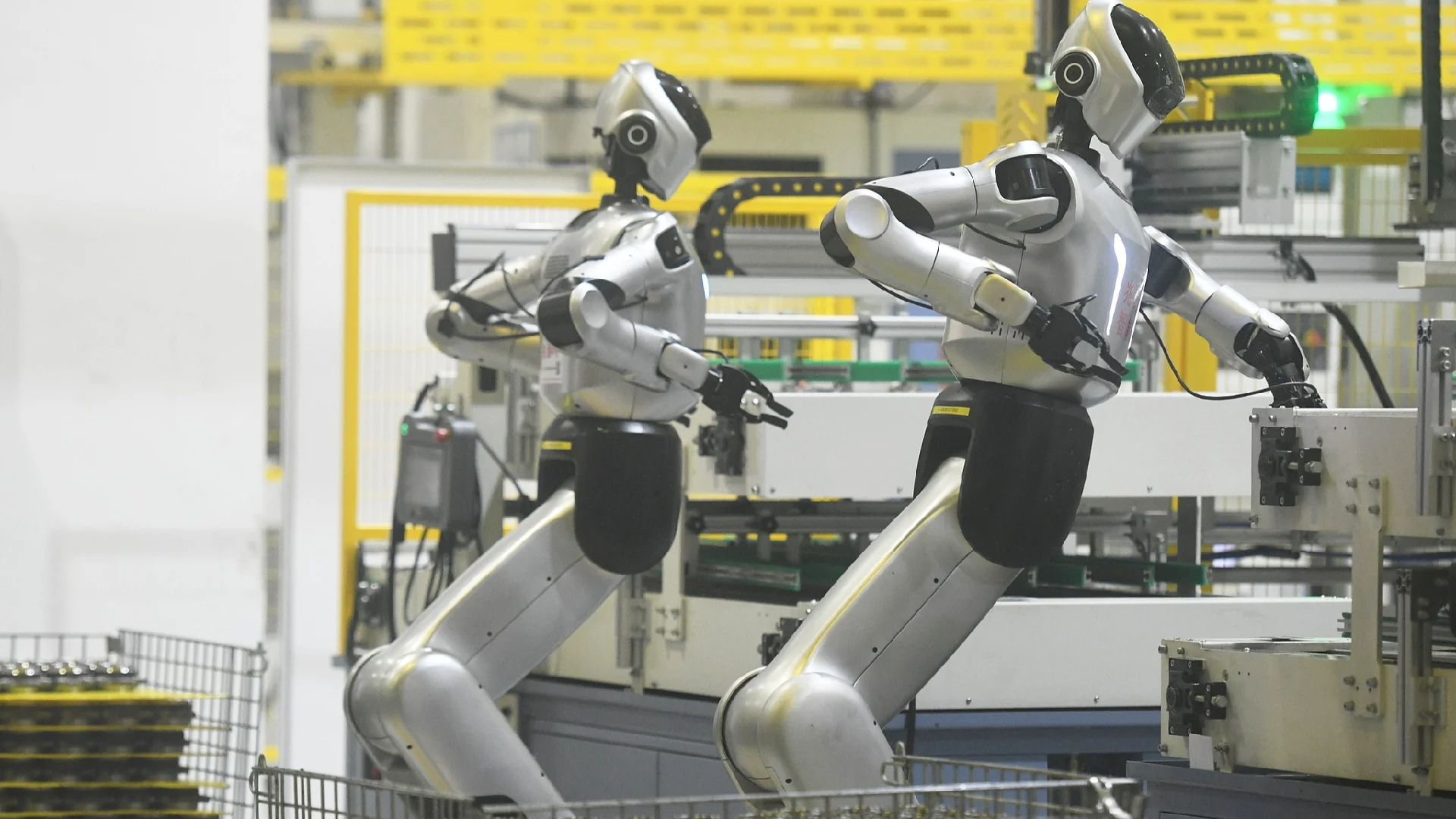
Integrating Science and Technology with Industry: A Blueprint for Innovation
In today’s rapidly advancing world, the connection between scientific discovery and industrial application is more critical than ever. Nations and businesses alike are seeking ways to bridge the gap between groundbreaking research and tangible products and services that drive economic growth and societal progress. This integration is not merely about applying new ideas; it’s about creating a dynamic system where innovation fuels industry, and industrial needs, in turn, guide scientific inquiry. The effective fusion of science and technology with industrial development is a cornerstone of building modern economies and achieving self-reliance in key technological areas.
Recent guidelines issued by China’s General Office of the Communist Party of China Central Committee and the General Office of the State Council highlight the importance of this synergy. These guidelines offer a detailed plan for deepening the integration of scientific and technological innovation with industrial innovation. The core aim is to foster new quality productive forces and construct a modern industrial system. This approach emphasizes an enterprise-led, collaborative framework that brings together industry, academia, and research institutions. The goal is to create a powerful, self-reinforcing cycle where technological advancements lead to industrial growth, and industrial demands inspire further scientific exploration. This strategic focus is vital for accelerating high-level scientific and technological self-reliance, building a strong nation in science and technology, and advancing modernization.
The document underscores that scientific and technological innovation must be application-oriented, meaning it should be geared towards solving real-world problems and meeting market needs. Simultaneously, industrial development must clearly identify its scientific and technological innovation tasks, ensuring that progress is aligned with the latest advancements. This dual focus ensures that innovation efforts are both relevant and impactful. The guidelines propose concrete measures across six key areas: seamlessly connecting the innovation chain with the industrial chain, supporting the development of a modern industrial system with high-quality scientific and technological achievements, strengthening collaborative innovation led by enterprises, improving the efficiency of resource allocation, fostering a supportive ecosystem, and expanding the scope for deep integration.
Connecting the Innovation Chain with the Industrial Chain
A fundamental aspect of integrating science and technology with industry is ensuring that the innovation chain and the industrial chain are closely linked. This means that discoveries and inventions are not left in laboratories but are efficiently translated into practical applications that can be scaled up for industrial production. The process involves identifying promising research, developing prototypes, and then scaling up manufacturing to meet market demand. This requires a clear understanding of both the scientific potential and the market viability of new technologies.
The guidelines propose three key measures to achieve this seamless connection. First, they focus on enhancing the self-reliance and controllability of industrial chains. This is achieved through breakthroughs in key technologies that are critical for national economic security and industrial competitiveness. By developing domestic capabilities in these areas, countries can reduce their dependence on foreign suppliers and ensure a stable supply of essential goods and technologies. This strategic approach is particularly important in sectors like semiconductors, advanced materials, and biotechnology, where global supply chains can be vulnerable.
Second, the guidelines aim to cultivate and expand emerging industries and future industries. This is driven by original and disruptive scientific and technological innovation. By investing in research and development that leads to entirely new products, processes, or business models, countries can position themselves at the forefront of future economic growth. This involves identifying nascent technological trends and providing the necessary support for their development, from early-stage research to market entry. Examples include advancements in artificial intelligence, quantum computing, and sustainable energy technologies.
Third, the guidelines emphasize the transformation and upgrading of traditional industries through the application of advanced technologies. Many established industries can benefit significantly from the adoption of new scientific and technological solutions. This can lead to increased efficiency, improved product quality, reduced environmental impact, and the creation of new market opportunities. For instance, applying automation and data analytics to manufacturing processes can dramatically improve productivity and reduce costs. Similarly, integrating advanced materials into construction or transportation can lead to more durable and efficient products.
Supporting a Modern Industrial System with High-Quality Sci-Tech Achievements
The development of a modern industrial system relies heavily on the availability of high-quality scientific and technological achievements. These achievements serve as the building blocks for new products, advanced manufacturing processes, and innovative services. Without a steady stream of cutting-edge research and development, industrial systems can become stagnant and fall behind global competitors. Therefore, fostering an environment where scientific breakthroughs can be effectively translated into industrial applications is paramount.
The guidelines advocate for supporting the building of a modern industrial system by ensuring a robust supply of these high-quality sci-tech achievements. This involves not only encouraging basic research but also focusing on applied research and development that has clear industrial potential. It means creating pathways for promising research to move from the laboratory to the factory floor. This could involve establishing technology transfer offices, offering grants for commercialization, and fostering partnerships between research institutions and industry.
A key aspect of this support is the focus on creating and scaling up new industries. This requires identifying areas where scientific advancements can lead to significant economic and social impact. For example, the development of new renewable energy technologies, such as advanced solar cells or next-generation batteries, can lead to the creation of entirely new industries focused on clean energy production and storage. Similarly, breakthroughs in artificial intelligence and machine learning can spawn new industries in areas like autonomous systems, personalized medicine, and advanced data analytics.
Furthermore, the guidelines stress the importance of upgrading existing industries. This involves identifying technologies that can enhance the competitiveness of established sectors. For instance, the automotive industry can be transformed through the adoption of electric vehicle technology, advanced driver-assistance systems, and smart manufacturing processes. The agricultural sector can benefit from precision farming techniques, genetically improved crops, and sustainable resource management technologies. By continuously integrating new scientific knowledge, industries can remain competitive and adapt to changing market demands and environmental challenges.
Strengthening Enterprise-Led Industry-Academia-Research Collaborative Innovation
The most effective innovation ecosystems are often those where enterprises play a central role in driving research and development. When businesses are at the forefront, they can direct innovation efforts towards market needs and ensure that new technologies are commercially viable. However, enterprises often lack the fundamental research capabilities found in universities and research institutions. This is where collaborative innovation becomes essential.
The guidelines emphasize strengthening enterprise-led, industry-academia-research collaborative innovation. This means creating structured partnerships where businesses, universities, and research institutes work together towards common goals. Enterprises can provide the market insights, funding, and commercialization expertise, while universities and research institutes can contribute their scientific knowledge, research infrastructure, and talent pool. This synergy allows for a more efficient and effective innovation process.
To achieve this, the document outlines three key measures. First, it calls for enhancing corporate innovation capabilities. This involves encouraging companies to invest more in their own research and development departments, hire skilled scientists and engineers, and adopt innovation-friendly management practices. It also means providing incentives for companies to collaborate with external research partners.
Second, the guidelines aim to accelerate the development of science and technology enterprises. This includes supporting startups and small and medium-sized enterprises (SMEs) that are focused on innovation. These companies often bring fresh ideas and agile approaches to the market. Governments and investors can support them through funding, mentorship, and access to resources.
Third, the document promotes greater synergy among innovators. This means fostering a culture of collaboration and knowledge sharing across different organizations and disciplines. It involves creating platforms and networks where researchers, entrepreneurs, and industry professionals can connect, exchange ideas, and form partnerships. This can include organizing conferences, workshops, and innovation challenges.
Improving the Efficiency of Coordinated Allocation of Innovation Resources
Effective allocation of resources is critical for maximizing the impact of innovation efforts. This includes financial investments, human capital, and infrastructure. When resources are not allocated efficiently, promising research projects may falter, and valuable opportunities may be missed. The goal is to ensure that resources are directed towards the most promising areas and are utilized in a coordinated manner.
The guidelines propose measures to improve the efficiency of the coordinated allocation of innovation resources. One key aspect is fostering a virtuous cycle among science, industry, and finance. This means creating strong links between scientific research, industrial application, and financial investment. For example, venture capital firms can play a crucial role in funding innovative startups, bridging the gap between research and commercialization. Government policies can also encourage investment in R&D through tax incentives and grants.
Another important measure is enhancing coordinated talent development and utilization. This involves ensuring that the education system produces graduates with the skills needed by industry and research institutions. It also means creating pathways for talent to move between academia and industry, allowing for the cross-pollination of ideas and expertise. Programs that support lifelong learning and professional development can help ensure that the workforce remains up-to-date with the latest technological advancements.
Building integrated innovation platforms is also a key strategy. These platforms can serve as hubs for collaboration, resource sharing, and knowledge exchange. They can bring together researchers, entrepreneurs, investors, and policymakers to work on shared challenges and opportunities. Examples include innovation clusters, technology parks, and open innovation platforms that facilitate collaboration across organizational boundaries. These platforms can help to break down silos and accelerate the pace of innovation.
Fostering a Sound Ecosystem and Expanding the Space for Deep Integration
Creating a supportive ecosystem is essential for nurturing innovation and facilitating its integration into industry. This ecosystem includes not only research institutions and businesses but also government policies, financial markets, intellectual property frameworks, and a culture that values creativity and risk-taking. A well-functioning ecosystem can accelerate the pace of innovation and ensure that its benefits are widely shared.
The guidelines aim to foster a sound ecosystem for the deep integration of science and technology with industry. This involves creating an environment that encourages experimentation, supports entrepreneurship, and protects intellectual property rights. It also means promoting fair competition and ensuring that regulatory frameworks are conducive to innovation. Government policies play a critical role in shaping this ecosystem, from funding research to setting standards and providing incentives.
Expanding the space for deep integration means identifying new areas where science and technology can be applied to create value. This could involve exploring emerging fields like biotechnology, artificial intelligence, or advanced materials. It also means looking for opportunities to apply existing technologies in novel ways, such as using AI to improve healthcare delivery or developing new applications for nanotechnology in consumer products.
The guidelines also highlight the importance of international cooperation in fostering innovation. By collaborating with researchers and institutions in other countries, nations can gain access to new knowledge, technologies, and markets. This can accelerate the pace of innovation and help to address global challenges such as climate change and public health. However, it is also important to ensure that domestic innovation capabilities are strengthened to maintain competitiveness and national security.
Conclusion
The integration of scientific and technological innovation with industrial development is a complex but essential process for economic growth and societal progress. The guidelines issued by China represent a comprehensive approach to fostering this synergy, emphasizing an enterprise-led, collaborative framework that connects research with application. By focusing on strengthening industrial chains, supporting a modern industrial system, promoting collaborative innovation, efficiently allocating resources, and cultivating a supportive ecosystem, nations can accelerate their scientific and technological self-reliance and build robust, competitive economies. This strategic integration is not just about staying ahead in the global landscape; it is about creating a future where innovation continuously drives progress and improves the quality of life for all.



Conversation
0 Comments