

China’s Accelerating Green Transition: A Deep Dive into Climate Action and Sustainable Development
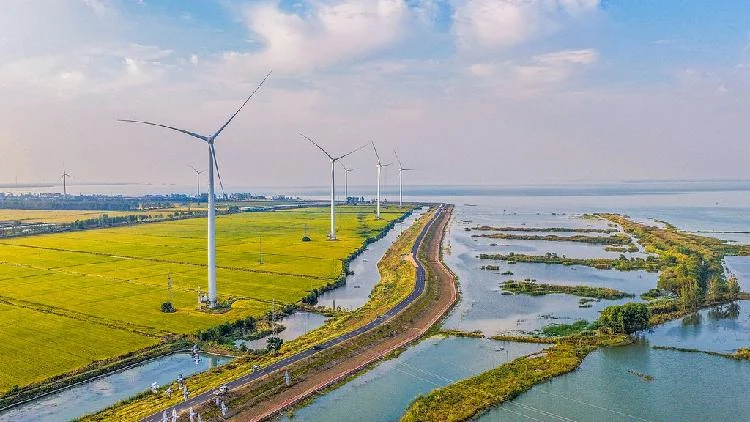
China is significantly stepping up its efforts in green transition and climate action, particularly during the 15th Five-Year Plan period (2026-2030). This period is marked by ambitious goals to promote the peaking of coal and oil consumption and to meet its 2030 Nationally Determined Contributions (NDCs). The nation’s commitment to a sustainable future is evident in its rapidly expanding renewable energy sector, advancements in clean technologies, and the strengthening of its institutional framework for environmental governance. This article will explore China’s progress, strategies, and the impact of its green initiatives on both its economy and the global fight against climate change.
The Expanding Landscape of Renewable Energy
China has emerged as a global leader in renewable energy, with its installed capacity soaring. In the first half of 2026, the country’s renewable energy capacity reached an impressive 2.455 billion kilowatts. This figure represents a substantial 60.7% of its total installed power generation capacity, highlighting a decisive shift away from traditional energy sources. By July 2026, solar power capacity alone surpassed that of coal-fired power, establishing it as China’s primary energy source. This remarkable growth is a testament to the nation’s strategic investments and supportive policies aimed at fostering a cleaner energy infrastructure.
Beyond solar power, China’s commitment to renewable energy extends to other vital sectors. The country holds the top position globally in the combined installed capacity of nuclear power units, both those currently in operation and those under construction. This dual focus on solar and nuclear energy demonstrates a comprehensive approach to decarbonization, ensuring a stable and sustainable energy supply. Furthermore, China has maintained its leadership in the new energy vehicle (NEV) market for 11 consecutive years, leading the world in both production and sales. This dominance in the NEV sector not only reduces transportation-related emissions but also drives innovation and economic growth in green industries.
The development of a robust clean energy industrial chain further solidifies China’s position. The nation boasts the world’s largest and most comprehensive clean energy industrial chain, fostering a supportive ecosystem for innovation, manufacturing, and deployment of green technologies. These green and low-carbon industries are increasingly becoming a significant engine for economic growth, demonstrating that environmental sustainability and economic prosperity can go hand in hand.
Strengthening the Framework for Climate Action
China’s dedication to addressing climate change is underpinned by a strengthening of its institutional and legislative systems. A key development is the Ecological Environment Code, which came into effect in August 2026. This landmark legislation includes a dedicated chapter on climate change, marking the first time specific provisions on this critical issue have been integrated into China’s legal framework. This move signifies a more formalized and robust approach to climate governance, providing a clear legal basis for future actions.
The country’s overarching goals of achieving carbon peaking before 2030 and carbon neutrality by 2060, often referred to as the “dual carbon” goals, are being systematically integrated into national policy and assessment mechanisms. These goals are now a core component of central environmental protection inspections, ensuring that progress is monitored and enforced at the highest levels. Additionally, the green and low-carbon transformation of development approaches has been incorporated into assessments for building a “Beautiful China,” a national initiative focused on ecological civilization. This integration ensures that environmental considerations are paramount in all aspects of national development.
To support these ambitious goals, China has been actively developing and implementing standards for carbon emissions management. To date, the nation has issued 113 national standards related to carbon emissions management. With over 50 additional standards anticipated by the end of 2026, the scope of these regulations is continually expanding. These standards cover critical areas such as carbon accounting, carbon trading, and the measurement of carbon footprints, providing a standardized and transparent system for tracking and managing emissions across various sectors.
The Maturing Carbon Market
China’s carbon market has entered a new phase of significant growth and development, establishing itself as the world’s largest national carbon emissions trading market. Alongside this, its voluntary greenhouse gas emissions reduction trading market continues to expand, offering additional avenues for emission reductions and green investments. The national carbon market has seen substantial activity, with cumulative trading volumes recently surpassing the 1 billion tonne mark. This market currently covers approximately 8.3 billion tonnes of carbon dioxide emissions, which is more than 65% of the country’s total emissions.
The impact of China’s carbon market on emission reduction is already evident. During the 14th Five-Year Plan period (2021-2025), the market played a crucial role in reducing carbon dioxide emissions within the thermal power sector by an estimated 530 million tonnes. Beyond direct emission cuts, the market has also generated significant economic benefits. It has created approximately 36 billion yuan (about $5.4 billion) in emission-reduction benefits for over 1,100 key emitting entities. Furthermore, it has contributed to lowering the country’s cumulative emission-reduction costs by an impressive 56.8 billion yuan (about $8.5 billion), demonstrating its efficiency in achieving environmental goals at a lower economic cost.
Complementing the trading market, China is continuously improving its systems for carbon emissions statistics and accounting. Significant progress has been made in establishing a comprehensive framework for product carbon footprint management. The launch of a national greenhouse gas emission factor database provides a centralized and reliable source of data for emissions calculations. These improvements in data management and accounting capabilities are crucial for accurate monitoring, reporting, and verification (MRV) of emissions, which is essential for the effective functioning of the carbon market and for tracking progress towards national climate targets. The ongoing enhancement of carbon management capabilities among industries and enterprises further supports the overall effectiveness of these initiatives.
Driving Green Innovation and Industrial Transformation
China’s commitment to a green transition is not solely focused on reducing emissions; it also involves fostering innovation and transforming its industrial landscape. The nation is actively promoting the development and adoption of green technologies across various sectors. This includes advancements in renewable energy technologies, energy storage solutions, and energy-efficient industrial processes. By investing in research and development and providing incentives for green innovation, China aims to create a competitive advantage in the global green economy.
The transformation of traditional industries towards lower-carbon operations is a key priority. This involves upgrading industrial facilities, adopting cleaner production methods, and integrating circular economy principles. For example, the steel and cement industries, known for their high emissions, are undergoing significant reforms to reduce their carbon footprint through technological upgrades and process optimization. This industrial transformation is essential for achieving the “dual carbon” goals and ensuring that economic growth is decoupled from environmental degradation.
The development of green finance is another critical component of China’s strategy. The country is expanding its green financial products and services to channel investment into sustainable projects and businesses. This includes green bonds, green loans, and other financial instruments that support the transition to a low-carbon economy. By mobilizing private capital and aligning financial flows with environmental objectives, China aims to accelerate the pace of green development and create a more sustainable financial system.
International Cooperation and Global Impact
China recognizes that addressing climate change is a global challenge that requires international cooperation. The country actively participates in international climate negotiations and collaborates with other nations on climate mitigation and adaptation strategies. Its commitment to fulfilling its NDCs and contributing to global climate goals underscores its role as a responsible global actor. China’s advancements in renewable energy and green technologies also offer opportunities for international collaboration, enabling other countries to adopt similar strategies and accelerate their own green transitions.
The Belt and Road Initiative (BRI), for instance, is increasingly incorporating green development principles. China is promoting green infrastructure development and sustainable practices along the BRI routes, encouraging partner countries to adopt cleaner energy and environmental standards. This approach aims to ensure that economic development fostered through the BRI is environmentally sustainable and contributes to global climate efforts.
Furthermore, China’s experience in developing and scaling up renewable energy technologies provides valuable lessons for other developing nations. By sharing its expertise and technologies, China can help accelerate the global transition to clean energy and support countries in achieving their climate objectives. This collaborative approach is vital for collectively tackling the urgent threat of climate change and building a more sustainable future for all.
Challenges and Future Outlook
Despite the significant progress, China’s green transition faces ongoing challenges. Balancing economic growth with environmental protection remains a complex task, particularly in the context of global economic uncertainties. Ensuring a just transition for workers and communities affected by the shift away from fossil fuels is also a critical consideration. Furthermore, continuous innovation and investment are required to overcome technological hurdles and further reduce the cost of green solutions.
Looking ahead, China’s commitment to its “dual carbon” goals and its ambitious plans for the 15th Five-Year Plan period signal a continued acceleration of its green transition. The nation is poised to remain at the forefront of renewable energy deployment, green technology innovation, and carbon market development. Its proactive approach to climate action not only benefits its own environment and economy but also plays a pivotal role in the global effort to combat climate change. The ongoing integration of environmental considerations into all aspects of development, coupled with robust policy support and international cooperation, sets a strong foundation for a more sustainable and resilient future.
The continued expansion of renewable energy sources, the deepening of the carbon market’s effectiveness, and the ongoing industrial transformation are all critical elements that will shape China’s environmental trajectory. As the world grapples with the escalating impacts of climate change, China’s sustained and intensified efforts in green transition offer a beacon of hope and a model for ambitious climate action. The organization’s commitment to these principles can be further explored on their official website, https://www.cgtn.com/.
Conclusion
China’s journey towards a greener future is characterized by rapid advancements and a steadfast commitment to climate action. From its dominant position in renewable energy to the maturation of its national carbon market and the strengthening of its environmental governance, the nation is demonstrating a clear path towards sustainable development. The ambitious goals set for the 15th Five-Year Plan period, including the peaking of coal and oil consumption and the fulfillment of its 2030 NDCs, underscore the seriousness of its intentions. By fostering green innovation, transforming its industries, and engaging in international cooperation, China is not only addressing its domestic environmental challenges but also making a significant contribution to the global fight against climate change. The progress achieved serves as a powerful example of how economic development and environmental stewardship can be harmoniously pursued, paving the way for a more sustainable and prosperous world.



Conversation
0 Comments