

Digital Xiongan: How AI is Shaping the Smart City of the Future
Imagine a city where buildings have digital copies in the cloud, underground pipes are constantly monitored, and traffic lights change based on real-time traffic flow. This isn’t science fiction; it’s the reality being built in Xiongan New Area, China. Often called a “city of the future,” Xiongan is a groundbreaking project where digital and physical infrastructure are being developed together from the ground up. This approach aims to create a truly intelligent urban environment, with Artificial Intelligence (AI) playing a central role in its development and operation.
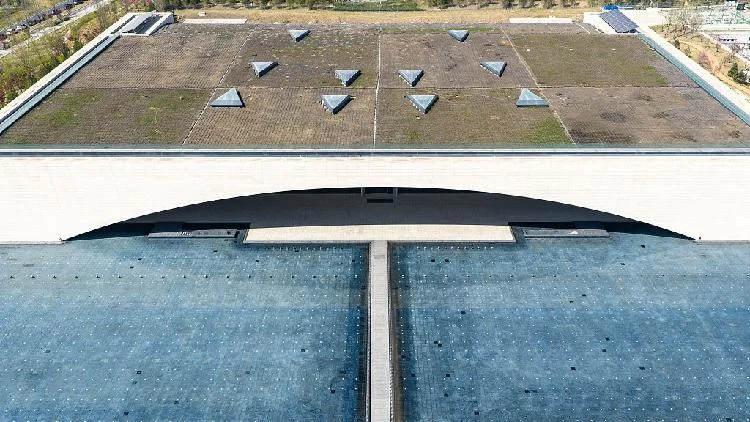
The core of this digital city is the Xiongan Urban Computing Center. This facility acts as the central “brain,” supporting the entire digital ecosystem. It provides the necessary computing power, storage, and network services for the city’s digital twin, which is a virtual replica of the physical city. This digital twin allows for integrated planning, unified construction oversight, and coordinated city management through a shared digital platform. As one manager put it, if the digital city is a tree, the computing center is its roots and soil, providing the essential foundation for everything else.
The center currently manages a vast amount of urban operational data from over 20 government departments. This data covers six key areas, including geographical information, data from Internet of Things (IoT) sensors, and government services. By integrating and analyzing this information, Xiongan is able to deploy innovative AI-powered applications that are transforming daily life for its residents. From optimizing traffic flow to enhancing community safety and improving urban management, AI is the driving force behind Xiongan’s smart city vision.
The Digital Foundation: Building a City in the Cloud
Xiongan New Area is unique in its approach to urban development. Instead of building a city and then adding technology, Xiongan was designed with digital infrastructure as a core component from the very beginning. This concept is often described as building “three cities” simultaneously: a city underground for utilities, a city above ground for living and working, and a city in the cloud for data and intelligence.
The Xiongan Urban Computing Center is the physical embodiment of the “city in the cloud.” It’s a massive data hub that collects, processes, and stores information from all aspects of the city. This includes data from sensors embedded in roads, buildings, and utility networks, as well as information from government services and public feedback. By having a centralized computing center, Xiongan can ensure that all its digital systems work together seamlessly.
This integrated digital platform is crucial for several reasons. Firstly, it enables sophisticated urban planning. Planners can use the digital twin to simulate different scenarios, test new designs, and predict the impact of development projects before they happen in the real world. Secondly, it allows for unified construction supervision. All construction activities can be monitored through the digital platform, ensuring that projects adhere to standards and timelines. Finally, it facilitates coordinated city governance. Different government departments can share data and collaborate more effectively, leading to more efficient and responsive public services.
Liu Yao, manager of the information system department at Xiongan Cloud Network Technology Co., Ltd., highlighted the importance of the computing center. He explained that it provides essential support for the development of a digital urban environment, supplying computing, storage, and network services for the entire digital twin city. This infrastructure is what makes advanced AI applications possible, turning raw data into actionable insights for city managers and improving the lives of residents.
AI in Action: Smarter Transportation and Urban Management
The integration of AI in Xiongan is most evident in its smart transportation and urban management systems. These applications are designed to make daily life more convenient, efficient, and safe for everyone.
Optimizing Traffic Flow with AI
One of the most visible impacts of AI is on the city’s roads. Sensors are strategically placed throughout Xiongan to collect real-time traffic data. This information is fed into AI algorithms that analyze traffic patterns and make immediate adjustments to traffic light timings. The goal is to create a smoother flow of vehicles, reducing congestion and travel times.
In the Rongdong District, for example, lidar sensors and multi-functional roadside poles gather detailed traffic information. This data is sent to the Urban Computing Center, where AI algorithms process it to understand current road conditions. Based on this analysis, the system optimizes signal timings, allowing vehicles to pass through intersections with fewer stops. This has led to a noticeable improvement, with morning and evening peak-hour travel times on major roads in the district being reduced by as much as 15 minutes. This not only saves time for commuters but also reduces fuel consumption and emissions.
Enhancing Community Services and Safety
Beyond traffic, AI is also being used to improve services within residential communities. A smart utility-meter system is in place to monitor real-time water, gas, and heating consumption. This system provides valuable data for managing resources efficiently. More importantly, it helps in monitoring the daily activities of elderly residents living alone.
The system can detect unusual patterns in utility usage, which might indicate a problem. For instance, if a person who normally uses a lot of hot water suddenly stops using it, the system can flag this as a potential issue. When such an alert is triggered, the system automatically assigns a task to community workers. These workers are then dispatched to visit the resident, check on their well-being, and provide assistance if needed. This proactive approach to elder care demonstrates how AI can be used to enhance social services and ensure the safety of vulnerable populations.
Proactive Urban Maintenance and Risk Detection
AI is also a powerful tool for urban management, helping to identify and address issues before they become major problems. An AI-powered video surveillance system is deployed across the city to detect various issues, such as illegal parking, overflowing waste bins, and potential fire hazards.
When the system identifies a problem, it can automatically generate a work order for the relevant personnel. This creates a direct link between digital detection and practical action, ensuring that issues are addressed promptly. For example, if the system detects a waste bin that has been overflowing for an extended period, it can automatically notify the sanitation department to schedule a collection.
Furthermore, digital twin models of underground utility tunnels provide real-time data on flow, water pressure, temperature, and humidity. This allows for remote inspections and helps identify potential risks, such as leaks or equipment malfunctions, before they cause significant damage. By monitoring these critical infrastructure elements in a digital environment, city managers can ensure their safe operation at all times.
To support these applications, Xiongan has made significant investments in its digital infrastructure. The city has built over 500 kilometers of digital roads and more than 130 kilometers of digital utility tunnels. It has also deployed over one million sensing terminals and connected more than 100,000 video terminals, creating a comprehensive network of data collection points across the urban landscape.
Fostering Innovation and Cultivating Talent
Xiongan’s vision extends beyond just building a smart city; it aims to create a thriving ecosystem for innovation and technological advancement. This involves strengthening collaboration among industry, academia, and research institutions to foster new ideas and develop cutting-edge AI applications.
Partnerships with Academia and Research
The city is actively deepening its partnerships with universities, including prestigious institutions like Tsinghua University. These collaborations focus on advancing joint research, accelerating the commercialization of research findings, and developing AI applications that are specifically tailored to the real-world needs of a smart city. By working closely with academic experts, Xiongan aims to stay at the forefront of technological innovation.
Attracting Top Talent and Businesses
To support this innovation drive, Xiongan is also working to attract leading researchers and high-caliber talent from around the world. The city aims to create an environment where brilliant minds can collaborate and contribute to the development of smart city technologies.
Moreover, Xiongan provides a unique testing ground for technology companies. By opening up real-world application scenarios, the city allows businesses to test their new products and technologies in a live urban environment. In return, these companies can feed their improved technologies back into the city’s operations, creating a virtuous cycle of innovation and development.
Ambitious Economic Goals
Xiongan has set ambitious economic goals to foster the growth of its innovation ecosystem. By 2027, the city aims to attract and nurture a significant number of high-growth companies. This includes supporting the development of five “unicorn” companies (startups valued at over $1 billion), ten enterprises valued at 5 billion yuan (approximately $750 million), and one hundred leading enterprises in the technology sector. These targets underscore Xiongan’s commitment to becoming a hub for technological and economic advancement.
The Future of Urban Living: Xiongan’s Global Impact
Xiongan New Area represents a bold vision for the future of urban living. By harnessing the power of AI and digital technologies, the city is creating a model for smart urban development that could offer valuable insights for cities around the world. From strengthening digital infrastructure to expanding smart-city applications, and from fostering AI enterprises to attracting skilled talent, Xiongan is at the forefront of a new era of urban innovation.
The project demonstrates how a city can be designed and managed with intelligence at its core. The integration of physical and digital infrastructure, powered by AI, is creating a more efficient, sustainable, and livable environment for its residents. As Xiongan continues to develop, it serves as a living laboratory, showcasing the potential of technology to address complex urban challenges and shape the cities of tomorrow. The lessons learned and the technologies developed in Xiongan are likely to influence urban planning and development globally, paving the way for smarter, more connected, and more responsive cities worldwide.
Conclusion
Xiongan New Area stands as a testament to the transformative power of Artificial Intelligence in shaping the future of urban environments. By prioritizing the simultaneous development of digital and physical infrastructure, and by establishing a robust digital core through the Xiongan Urban Computing Center, the city has laid the groundwork for a truly intelligent and responsive urban ecosystem. The practical applications of AI, from optimizing traffic flow and enhancing community safety to streamlining urban management and enabling proactive maintenance, are already demonstrating tangible benefits for residents and city administrators alike.
Furthermore, Xiongan’s commitment to fostering innovation through strong collaborations with academia and industry, coupled with its ambitious goals for attracting talent and businesses, positions it as a global leader in smart city development. The city is not just building advanced infrastructure; it is cultivating an environment where new ideas can flourish and where the technologies of tomorrow are being tested and refined today. As Xiongan continues to evolve, it offers a compelling blueprint for how cities worldwide can embrace digital transformation to create more efficient, sustainable, and livable futures for their citizens. The ongoing development in Xiongan is a crucial step in understanding and realizing the full potential of AI in urban planning and governance, providing valuable lessons for the global pursuit of smarter cities.

Conversation
0 Comments