

Understanding and Implementing Disaster Resettlement Strategies
Disasters, whether natural or man-made, can displace entire communities, leaving them without homes, livelihoods, and a sense of security. The aftermath of such events presents a critical challenge: how to effectively resettle affected populations and help them rebuild their lives. This process, known as disaster resettlement, involves a complex interplay of immediate relief, long-term planning, and community support. It is a vital undertaking that requires careful consideration of the physical, social, and economic needs of those impacted.
Effective disaster resettlement is not just about providing temporary shelter; it’s about restoring dignity and fostering resilience. It demands a structured approach that addresses immediate survival needs while simultaneously laying the groundwork for sustainable recovery. This article will explore the multifaceted aspects of disaster resettlement, examining the key stages, challenges, and best practices involved in helping communities recover and thrive after a crisis. We will look at the essential components of a successful resettlement program, from initial assessment to long-term integration, ensuring that affected individuals and families can transition back to a stable and secure life.
The Immediate Aftermath: Assessment and Emergency Relief
Following a disaster, the first priority is to ensure the safety and immediate well-being of the affected population. This phase is critical for gathering information and providing essential aid. A rapid and thorough assessment of the damage is crucial to understand the scope of the crisis and the specific needs of the survivors. This includes identifying the number of people displaced, the extent of infrastructure damage, and the availability of essential resources like food, water, and medical care.
Emergency relief efforts must be swift and coordinated. This typically involves setting up temporary shelters, distributing essential supplies, and providing immediate medical attention to the injured. Support teams often work to help residents cope with the immediate shock and loss, including the emotional toll of losing loved ones. In pastoral villages, for example, the loss of livestock or traditional grazing lands can be as devastating as the loss of homes, requiring specialized support.
The effectiveness of this initial phase directly impacts the success of subsequent resettlement efforts. Without a clear understanding of the situation and the immediate needs met, any long-term planning will be built on shaky foundations. This stage requires a coordinated response from government agencies, non-governmental organizations (NGOs), and local community leaders to ensure that aid reaches those who need it most efficiently.
Needs Assessment and Data Collection
A comprehensive needs assessment is the cornerstone of any effective resettlement plan. This involves systematically collecting data on the affected population’s demographics, living conditions, health status, and economic situation. Understanding the specific vulnerabilities within the community, such as the elderly, children, or individuals with disabilities, is also paramount. This data helps in tailoring relief and resettlement programs to meet diverse needs.
For instance, after an earthquake, assessing the structural integrity of remaining buildings is vital. Simultaneously, understanding the social fabric of the community—who lives together, who relies on whom—informs decisions about where and how to resettle families. This data collection should be ongoing, adapting as the situation evolves and new information becomes available.
Establishing Temporary Shelters
Temporary shelters are a critical immediate response to displacement. These can range from emergency tents and communal buildings to more robust temporary housing solutions. The design and location of these shelters must consider safety, sanitation, and accessibility. Providing a secure and dignified environment, even temporarily, is essential for the psychological well-being of survivors.
In pastoral communities, temporary shelters might need to accommodate not only people but also their remaining livestock, requiring a different approach than urban resettlement. Access to clean water, sanitation facilities, and basic healthcare within these temporary settlements is non-negotiable. These facilities help prevent the outbreak of diseases and maintain a semblance of normalcy during a chaotic period.
Distribution of Essential Supplies
The timely distribution of food, clean water, blankets, and hygiene kits is fundamental. This requires establishing efficient supply chains and distribution networks, often in challenging logistical environments. Ensuring equitable distribution and preventing hoarding or corruption are key concerns. Local community involvement in the distribution process can enhance transparency and effectiveness.
Medical supplies and personnel are also crucial. Mobile clinics and first-aid stations are often set up to address immediate health concerns, including injuries from the disaster and the potential for disease outbreaks due to compromised living conditions. Psychological first aid is also a vital component, helping individuals cope with trauma and grief.
Planning for Resettlement: From Temporary to Permanent Solutions
Once immediate needs are met, the focus shifts to planning for longer-term resettlement. This phase involves developing strategies for permanent housing, restoring livelihoods, and rebuilding community infrastructure. It requires a collaborative approach involving government bodies, international organizations, local communities, and the private sector.
The planning process must be inclusive, ensuring that the voices of the affected population are heard and considered. Decisions about where and how people will be resettled should ideally be made with their input, respecting their cultural practices and social structures. This participatory approach fosters a sense of ownership and increases the likelihood of successful integration.
Site Selection and Housing Solutions
Choosing appropriate sites for permanent resettlement is a complex decision. Factors such as land availability, environmental risks, access to resources, and proximity to former livelihoods must be considered. The new settlements should be designed to be resilient to future disasters and provide adequate space for housing, community facilities, and economic activities.
Housing solutions can vary widely depending on the context. They might involve constructing new homes, repairing existing structures, or providing financial assistance for individuals to build their own homes. The goal is to provide safe, affordable, and culturally appropriate housing that allows families to rebuild their lives with stability. For example, in areas prone to earthquakes, building codes must be strictly enforced to ensure new homes are earthquake-resistant.
Livelihood Restoration and Economic Recovery
Resettlement is not complete without restoring the economic base of the affected population. This involves supporting individuals in resuming their previous occupations or developing new ones. Programs might include vocational training, provision of tools and equipment, access to microfinance, and support for small businesses.
In pastoral villages, this could mean helping farmers re-establish herds, providing access to new grazing lands, or supporting the development of alternative income sources like handicrafts or tourism. The aim is to enable individuals and families to become self-sufficient and contribute to the local economy. Economic recovery is a key factor in preventing long-term dependency on aid.
Rebuilding Infrastructure and Services
The resettlement process must also include the rebuilding of essential infrastructure and public services. This includes schools, healthcare facilities, roads, water and sanitation systems, and communication networks. Restoring these services is vital for the long-term well-being and development of the community.
Community engagement is crucial in this stage. Local residents can provide valuable insights into the specific needs and priorities for infrastructure development. For instance, understanding the traditional routes used by herders can inform the design of new roads and pathways in a resettled pastoral village.
Challenges in Disaster Resettlement
The process of disaster resettlement is fraught with challenges, ranging from logistical hurdles and financial constraints to social and psychological issues. Overcoming these obstacles requires careful planning, sustained commitment, and adaptive strategies.
One of the primary challenges is the sheer scale and complexity of displacement. Large-scale disasters can affect thousands, even millions, of people, overwhelming the capacity of relief organizations and governments. Coordinating the efforts of multiple agencies, each with its own mandate and resources, can also be difficult.
Logistical and Financial Constraints
Moving people and resources to disaster-affected areas, especially remote or inaccessible ones, presents significant logistical challenges. This includes transportation, warehousing, and the distribution of aid. Securing adequate funding for long-term resettlement programs is another major hurdle. Disasters often strike unexpectedly, and the financial resources required for rebuilding can be immense, often exceeding the immediate budgets of affected regions or nations.
Social and Cultural Considerations
Resettlement can disrupt established social networks and cultural practices. People may be moved away from their ancestral lands or traditional communities, leading to feelings of displacement and alienation. It is important to ensure that resettlement plans respect cultural norms and facilitate the maintenance of social cohesion. This might involve creating new community spaces or supporting cultural activities in the resettlement areas.
For example, in a pastoral village, the traditional communal decision-making processes and social structures are deeply tied to their way of life. Relocating these communities without considering these aspects can lead to social fragmentation and resistance to the resettlement process.
Psychological Impact and Trauma
Survivors of disasters often suffer from psychological trauma, including grief, anxiety, and post-traumatic stress disorder (PTSD). The resettlement process itself can be stressful, adding to the burden of survivors. Providing ongoing mental health support and counseling services is essential to help individuals and communities cope with their experiences and rebuild their lives.
Support teams play a crucial role in helping residents cope with the loss of loved ones and the trauma of the disaster. This emotional support needs to be integrated into the resettlement process, not treated as an afterthought. Creating a sense of safety and stability in the new environment is key to psychological recovery.
Environmental Risks and Sustainability
New resettlement sites must be carefully chosen to avoid environmental hazards such as flood plains, unstable slopes, or areas prone to other natural disasters. Ensuring the long-term sustainability of the resettlement area is also important, including access to clean water, sanitation, and resources for economic development. Sustainable practices should be integrated into the planning and construction phases to minimize environmental impact.
For instance, if a pastoral village is resettled, the new location must have sufficient land and water resources to support their traditional way of life without depleting natural resources. This requires careful environmental impact assessments and the development of sustainable land-use plans.
Best Practices in Disaster Resettlement
Drawing from past experiences, several best practices have emerged for effective disaster resettlement. These principles aim to maximize the chances of successful recovery and minimize the negative impacts on affected populations.
Community Participation and Empowerment
Involving the affected community in all stages of the resettlement process is paramount. This ensures that plans are relevant, culturally appropriate, and meet the actual needs of the people. Empowering communities to participate in decision-making fosters a sense of ownership and responsibility, leading to more sustainable outcomes. This can be achieved through community meetings, focus groups, and the establishment of local resettlement committees.
Integrated and Multi-Sectoral Approach
Disaster resettlement is not solely a housing issue; it is a complex challenge that requires an integrated approach involving housing, livelihoods, health, education, and social services. Collaboration between different government agencies, NGOs, and international organizations is essential to provide a comprehensive support system. This multi-sectoral approach ensures that all aspects of a survivor’s life are addressed.
Flexibility and Adaptability
Disaster situations are dynamic, and resettlement plans must be flexible enough to adapt to changing circumstances. Unforeseen challenges may arise, requiring adjustments to the original plans. A willingness to learn from experience and adapt strategies is crucial for long-term success. This might involve revising housing designs based on feedback or adjusting livelihood programs based on market demands.
Long-Term Commitment and Monitoring
Resettlement is not a short-term project; it requires a long-term commitment from all stakeholders. Continuous monitoring and evaluation are necessary to assess the effectiveness of the resettlement program and identify any emerging issues. This ongoing support helps ensure that communities can achieve lasting stability and resilience. Regular follow-ups with resettled families can help identify and address any lingering challenges.
Focus on Resilience Building
Beyond immediate recovery, resettlement efforts should aim to build the long-term resilience of the community. This involves strengthening local governance, promoting disaster preparedness, and fostering economic diversification. The goal is to equip communities with the capacity to withstand future shocks and stresses. Investing in education and skills development can also contribute to building a more resilient population.
Case Study: Post-Disaster Resettlement in a Pastoral Village
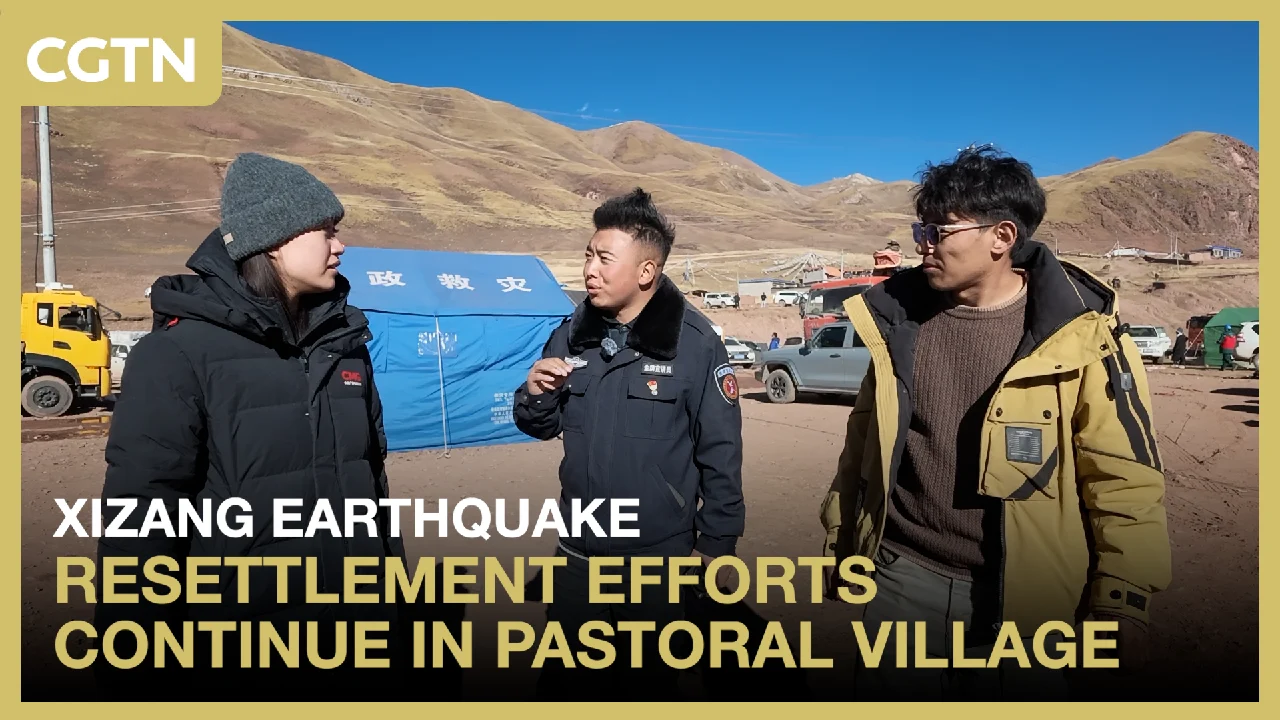
A real-world example of post-disaster resettlement efforts can be seen in pastoral villages affected by natural disasters. Following a powerful earthquake, families in affected areas begin the arduous process of settling into temporary housing. Support teams work tirelessly not only to meet basic needs but also to help residents cope with the profound loss of loved ones and their traditional way of life.
In such scenarios, the immediate aftermath involves assessing the damage to homes and infrastructure, which are often built with local materials and may be vulnerable to seismic activity. The focus then shifts to providing temporary shelters that can offer protection from the elements and a sense of security. This is particularly challenging in pastoral settings where communities are often spread out and access can be difficult.
The restoration of livelihoods is a critical component. For pastoral communities, this means addressing the loss of livestock, which are central to their economy and culture. This could involve providing financial aid to re-purchase animals, securing access to new grazing lands, or supporting the development of alternative income-generating activities. The psychological impact of such events is immense, and support teams play a vital role in offering counseling and emotional support to help individuals and families navigate their grief and trauma.
The resettlement process in these areas requires a deep understanding of the community’s cultural practices and social structures. Decisions about permanent housing and land use must be made in consultation with the community to ensure that the new settlements are culturally appropriate and sustainable. Rebuilding essential services like schools and healthcare facilities is also a priority, ensuring that the resettled community has access to the resources needed for a healthy and productive life. This ongoing effort highlights the complex, multi-faceted nature of disaster resettlement and the importance of a holistic approach.
The Role of Technology and Innovation
Technology and innovation can play a significant role in improving the efficiency and effectiveness of disaster resettlement efforts. From early warning systems and damage assessment tools to communication platforms and construction techniques, advancements can help mitigate the impact of disasters and accelerate recovery.
Geospatial Technology and Remote Sensing
Geospatial technologies, including satellite imagery and drones, can be invaluable for rapid damage assessment, mapping affected areas, and identifying suitable sites for resettlement. These tools provide detailed information that can inform decision-making and resource allocation. They can help identify safe zones for relocation and assess the availability of resources like water.
Communication and Information Dissemination
Effective communication is crucial during and after a disaster. Mobile technology, social media, and community radio can be used to disseminate critical information, coordinate relief efforts, and connect affected populations with support services. Establishing reliable communication channels helps ensure that survivors receive timely updates and can access the help they need.
Innovative Construction Techniques
New construction methods and materials can help build more resilient and affordable housing in resettlement areas. Prefabricated housing, modular construction, and the use of sustainable building materials can speed up the rebuilding process and reduce costs. These innovations can also lead to structures that are better equipped to withstand future disasters.
Data Management and Analytics
Advanced data management systems and analytics can help organizations process and analyze the vast amounts of data collected during disaster response and resettlement. This information can provide valuable insights into the needs of affected populations, the effectiveness of interventions, and areas where improvements are needed. Predictive analytics can also help anticipate future needs and potential challenges.
Conclusion
Disaster resettlement is a critical and complex process that demands a comprehensive, compassionate, and well-planned approach. It begins with immediate relief and assessment, moving through the stages of planning for permanent solutions, and addressing the myriad challenges that arise. The ultimate goal is not just to house displaced individuals but to empower them to rebuild their lives, restore their dignity, and foster resilient communities capable of withstanding future adversies.
Success in disaster resettlement hinges on several key factors: deep community engagement, an integrated multi-sectoral strategy, flexibility in planning, and a sustained long-term commitment. By prioritizing the needs and voices of the affected population, respecting their cultural context, and focusing on livelihood restoration and infrastructure development, we can move beyond simply managing crises to truly enabling recovery and building a more secure future for those impacted by disasters. The integration of technology and innovative solutions further enhances our capacity to respond effectively, making the journey from displacement to stability more achievable.



Conversation
0 Comments