

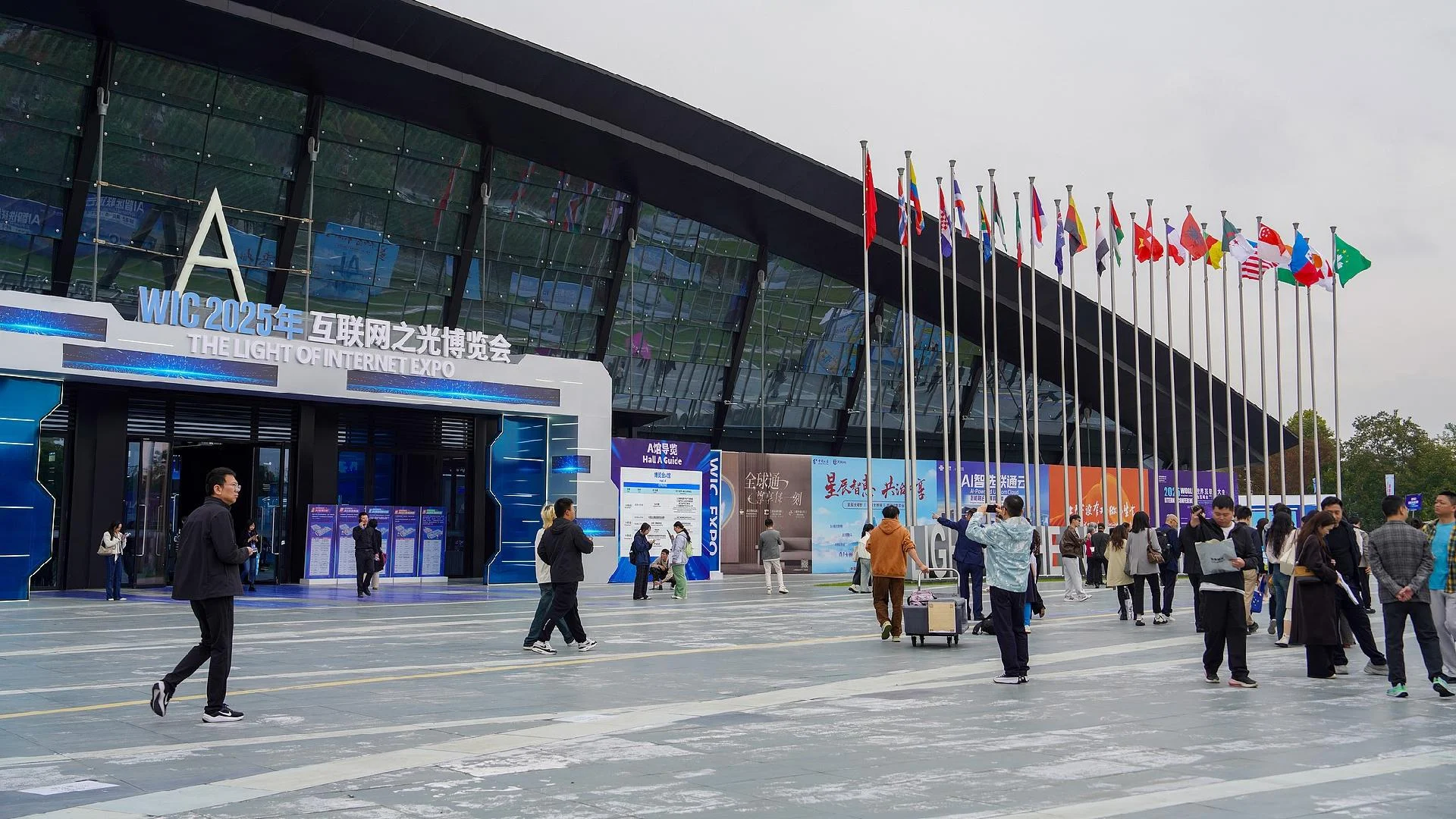
The Future is Now: Exploring the Cutting Edge of Connectivity and Intelligence
The world of technology is moving at an unprecedented pace. What was once science fiction is rapidly becoming reality, with advancements in areas like artificial intelligence, robotics, and next-generation communication promising to reshape our lives. Events like the “Light of the Internet” Expo serve as crucial windows into this rapidly evolving landscape, showcasing the latest innovations and offering a glimpse into the future. This year’s expo, held in the historic canal town of Wuzhen, highlights a significant shift towards an “intelligent internet,” where connectivity and artificial intelligence converge to create smarter systems and more intuitive user experiences. From the foundational advancements in 6G technology to the sophisticated applications of AI agents and robots, the expo provides a comprehensive overview of where we are headed.
The “Light of the Internet” Expo, a key event within the World Internet Conference (WIC) Wuzhen Summit, has consistently been a platform for technological breakthroughs. Now in its 12th edition, the expo’s theme, “Intelligent Connectivity, Smart Future,” perfectly encapsulates the direction of technological development. This focus on intelligent connectivity means that the internet is no longer just a tool for accessing information, but an active participant in managing and optimizing our world. This analysis will delve into the core areas presented at the expo, exploring the implications of 6G, the rise of AI agents and humanoid robots, and the broader impact of these technologies on various sectors. We will examine the innovations on display, the companies driving these advancements, and the potential future applications that are beginning to take shape.
The expo is structured into six distinct exhibition zones, each dedicated to a critical aspect of the intelligent internet. These zones cover next-generation connectivity, computing and large models, intelligent devices, industry applications, smart living, and cybersecurity. This comprehensive approach ensures that attendees can explore the entire ecosystem of intelligent technology, from the underlying infrastructure to the end-user applications. By examining these areas, we can gain a deeper understanding of the interconnectedness of these technologies and how they are working together to create a smarter future. The expo is not just a display of futuristic gadgets; it is a demonstration of a fundamental shift in how we interact with technology and how technology interacts with the world around us.
The Foundation: Next-Generation Connectivity and 6G
At the heart of any advanced technological ecosystem lies robust connectivity. The “Light of the Internet” Expo places a significant emphasis on next-generation connectivity, with satellite internet, quantum communication, 6G, and ultra-wideband technologies being highlighted as key priorities. These advancements are not merely incremental improvements; they represent a fundamental leap forward in how devices and systems communicate.
The Promise of 6G
While 5G is still being rolled out and optimized in many parts of the world, the focus has already shifted to 6G. This next generation of wireless technology promises speeds that are orders of magnitude faster than 5G, with significantly lower latency. This means near-instantaneous data transfer, which is critical for applications that require real-time responsiveness, such as autonomous vehicles, remote surgery, and immersive virtual and augmented reality experiences. The expo features a 6G verification device, underscoring the tangible progress being made in this field. Furthermore, China Telecom is set to present test results for a space-air-ground integrated network designed with 6G in mind. This integration of terrestrial, aerial, and satellite networks is essential for achieving truly ubiquitous and seamless connectivity, ensuring that high-speed internet access is available everywhere, from dense urban centers to remote rural areas and even in the air.
The implications of 6G extend far beyond faster downloads. It is expected to enable a more profound integration of the physical and digital worlds. Imagine a world where sensors embedded in everything from infrastructure to our own bodies can communicate seamlessly and instantaneously, feeding data into intelligent systems that can predict and respond to needs in real-time. This level of connectivity could revolutionize industries like healthcare, manufacturing, and transportation, leading to unprecedented levels of efficiency and innovation. The development of 6G is a complex undertaking, involving advancements in spectrum utilization, antenna technology, and network architecture. The presence of major players like GSMA, Qualcomm, and Keysight Technologies at the expo signifies the collaborative effort required to bring this technology to fruition.
Satellite Internet and Quantum Communication
Beyond 6G, the expo also showcases advancements in satellite internet and quantum communication. Satellite internet is becoming increasingly vital for bridging the digital divide, providing connectivity to underserved regions where terrestrial infrastructure is impractical or too expensive to deploy. Innovations in this area are focused on increasing bandwidth, reducing latency, and improving the reliability of satellite-based services. This makes it a crucial component of a globally connected future.
Quantum communication, on the other hand, represents a paradigm shift in security and data transmission. Leveraging the principles of quantum mechanics, it offers the potential for communication that is inherently secure, making it virtually impossible to intercept without detection. This is of paramount importance in an era where data privacy and cybersecurity are growing concerns. While still in its early stages of development compared to 6G, quantum communication holds the promise of revolutionizing secure data transfer for sensitive applications in government, finance, and critical infrastructure. The inclusion of these diverse connectivity technologies at the expo highlights a holistic approach to building the future internet infrastructure.
The Brains of the Operation: Computing, Large Models, and AI Agents
As connectivity becomes more advanced, the ability to process and interpret the vast amounts of data generated becomes paramount. The expo dedicates significant attention to computing power and the development of sophisticated artificial intelligence, particularly large language models (LLMs) and AI agents.
The Rise of Large Models
Companies like Alibaba, Tencent, and iFlytek are at the forefront of developing new large models. These are AI systems trained on massive datasets, enabling them to understand and generate human-like text, translate languages, write different kinds of creative content, and answer your questions in an informative way. The capabilities of these models are expanding rapidly, moving beyond simple text generation to more complex tasks like code writing, data analysis, and even scientific discovery. Hangzhou-based Kokoni’s MoWorld 2.0, a four-dimensional world model, represents an ambitious step towards creating AI that can understand and interact with the physical world in a more comprehensive way. This suggests a future where AI can not only process information but also simulate and predict complex real-world scenarios.
The development of these large models is a testament to the advancements in computing power and algorithmic efficiency. They require immense computational resources for training, but their potential applications are equally vast. From personal assistants that can manage our schedules and communications to sophisticated tools that can aid researchers and developers, LLMs are poised to become integral to many aspects of our digital lives. The expo’s focus on these models indicates their central role in the future of intelligent connectivity.
AI Super-Nodes and AI Agents
Complementing the large models are AI super-node systems, which are being displayed collectively by major tech companies like Huawei, ZTE, and Sugon. These systems represent the infrastructure and architecture that enable AI to operate efficiently and at scale. They are the backbone that supports the complex computations required for advanced AI applications.
Perhaps one of the most exciting developments showcased is the emergence of AI agents. Nubia’s Navi X Ultra, billed as the world’s first AI-agent phone, signifies a move towards devices that are not just tools but proactive assistants. These AI agents are designed to understand user intent, learn preferences, and perform tasks autonomously or semi-autonomously. This could range from managing communications and scheduling appointments to proactively suggesting solutions to problems or optimizing daily routines. The integration of AI agents into everyday devices promises a more personalized and efficient user experience, where technology anticipates needs rather than simply responding to commands. This represents a significant shift from the current paradigm of human-computer interaction.
The Physical Manifestation: Intelligent Devices and Robotics
The intelligent internet is not confined to the digital realm; it is increasingly manifesting in the physical world through intelligent devices and advanced robotics. The expo features a wide array of these innovations, demonstrating how AI and connectivity are bringing intelligence to the objects and machines that surround us.
Humanoid Robots and AI-Powered Devices
The presence of humanoid robots from companies like Agibot, UBTech, and Unitree highlights the rapid progress in robotics. These robots are becoming more sophisticated, capable of performing complex physical tasks, interacting with their environment, and even exhibiting forms of social intelligence. Their potential applications span across industries, from manufacturing and logistics to healthcare and elder care. As these robots become more advanced and cost-effective, they are likely to play an increasingly significant role in both our professional and personal lives.
Beyond humanoid robots, the expo also showcases a variety of other AI-powered devices. This includes AI glasses, AI earphones, and AI PCs. These devices are designed to integrate AI capabilities seamlessly into our daily routines, offering enhanced functionality and more intuitive interaction. AI glasses could provide augmented reality overlays for navigation or information retrieval, while AI earphones could offer real-time translation or personalized audio experiences. AI PCs, powered by advanced large models and AI agents, promise to transform personal computing into a more intelligent and adaptive experience. These devices represent the tangible integration of AI into the tools we use every day.
Smart Living and Industry Applications
The concept of “smart living” is brought to life through innovations aimed at enhancing comfort, convenience, and efficiency in our homes and daily lives. This can include everything from smart home appliances that learn user preferences to integrated systems that manage energy consumption and security. The expo demonstrates how intelligent connectivity can create more responsive and personalized living environments.
In parallel, the expo highlights the transformative impact of AI and advanced connectivity on various industries. This includes applications in manufacturing, where AI-powered robots and intelligent systems can optimize production lines and improve quality control; in transportation, with the development of autonomous vehicles and intelligent traffic management systems; and in agriculture, where AI can help monitor crops, optimize resource allocation, and improve yields. The “Industry Applications” zone at the expo showcases how these technologies are driving efficiency, innovation, and sustainability across the economic landscape. The integration of these technologies is not just about automation; it’s about creating smarter, more adaptable, and more productive industrial processes.
The Marketplace of Innovation: A New Expo Model
A notable aspect of this year’s “Light of the Internet” Expo is its evolution into a marketplace. This signifies a shift from a purely exhibition-focused event to one that also facilitates direct commercial transactions. This “digital-consumption fair” allows visitors to purchase a range of cutting-edge products on the spot.
Products Available for Purchase
The selection of products available for immediate purchase is diverse and reflects the breadth of innovation on display. This includes high-end electric vehicles like the Stelato V8 and Luxeed R7, showcasing the intersection of automotive technology and AI. Visitors can also purchase UBTech robots, demonstrating the growing accessibility of advanced robotics for consumers and businesses. iFlytek’s AI learning machines and translation earphones highlight the practical applications of AI in education and communication. Furthermore, innovations in smart living are represented by Keeson Technology’s smart beds, which likely incorporate health monitoring and personalized comfort features, and ULS Robotics’ exoskeleton robots, which could offer assistance for mobility or industrial tasks. The ability to buy these products directly at the expo underscores the maturity and market readiness of these advanced technologies.
This marketplace model serves multiple purposes. For consumers and businesses, it provides direct access to the latest innovations, allowing them to experience and acquire technologies that can enhance their lives or operations. For the companies involved, it offers a valuable channel for sales and market feedback, accelerating the adoption of their products. It also signals a growing confidence in the market demand for these sophisticated technologies, moving them from the realm of prototypes and demonstrations to readily available consumer and business solutions. This direct engagement between creators and consumers is a powerful driver of future innovation.
Bridging Divides: Technology for Inclusion and Education
Beyond the commercial aspects and technological advancements, the “Light of the Internet” Expo also emphasizes the role of technology in promoting inclusivity and fostering future talent. Two key programs highlight this commitment: “Tech for Warmth” and a youth science program.
“Tech for Warmth” Program
The “Tech for Warmth” program is designed to provide individuals with disabilities and senior residents with hands-on access to cutting-edge assistive technologies. This includes brain-computer interfaces (BCIs) and exoskeleton rehabilitation devices. BCIs offer the potential to restore communication and control for individuals with severe motor impairments by translating brain signals into commands. Exoskeleton devices can provide physical support, enhance mobility, and aid in rehabilitation. By offering direct access to these technologies, the program aims to demonstrate their practical benefits and encourage their wider adoption. This initiative underscores the ethical imperative to ensure that technological progress benefits all members of society, particularly those who can benefit most from assistive innovations. It highlights how intelligent connectivity and AI can be harnessed to improve quality of life and promote independence.
Youth Science Program
The youth science program is aimed at inspiring the next generation of innovators and technologists. By inviting school students to explore the exhibits, the expo provides them with firsthand exposure to the latest advancements in areas like AI, robotics, and advanced connectivity. This early engagement can spark curiosity, foster an interest in STEM fields, and encourage students to pursue careers in technology. Providing young people with opportunities to interact with these technologies can demystify complex concepts and illustrate the exciting possibilities that await them. This investment in youth education is critical for ensuring a continued pipeline of talent that can drive future innovation and address the challenges of tomorrow.
Navigating the Expo: Registration and Access
For those interested in experiencing these advancements firsthand, the expo has a clear process for entry. Visitors are required to register with a mobile phone number and await approval before gaining access. This registration process likely serves multiple purposes, including managing visitor numbers, ensuring security, and potentially gathering data for future event planning and marketing. The requirement for approval suggests a controlled environment, possibly to manage crowd flow or ensure that attendees are genuinely interested in the exhibits. This structured approach to access helps maintain the integrity and effectiveness of the expo as a platform for showcasing and experiencing cutting-edge technology.
Conclusion: A Glimpse into an Intelligent Tomorrow
The “Light of the Internet” Expo in Wuzhen offers a compelling vision of the future, one defined by intelligent connectivity and pervasive artificial intelligence. From the foundational advancements in 6G that promise unprecedented speed and responsiveness, to the sophisticated AI agents and humanoid robots that are beginning to interact with our physical world, the innovations on display are transformative. The expo’s structure, encompassing everything from next-generation communication infrastructure to practical applications in smart living and industry, provides a holistic view of this technological evolution.
The shift towards a marketplace model, allowing for the direct purchase of advanced products, signifies the increasing maturity and accessibility of these technologies. Furthermore, the commitment to inclusivity through programs like “Tech for Warmth” and the focus on inspiring future generations via the youth science program demonstrate a thoughtful approach to technological development that considers societal impact and long-term growth. As we move forward, the trends showcased at this expo—enhanced connectivity, intelligent automation, and the seamless integration of digital and physical realities—will undoubtedly continue to shape our world in profound ways, ushering in an era of unprecedented innovation and transformation.

Conversation
0 Comments