

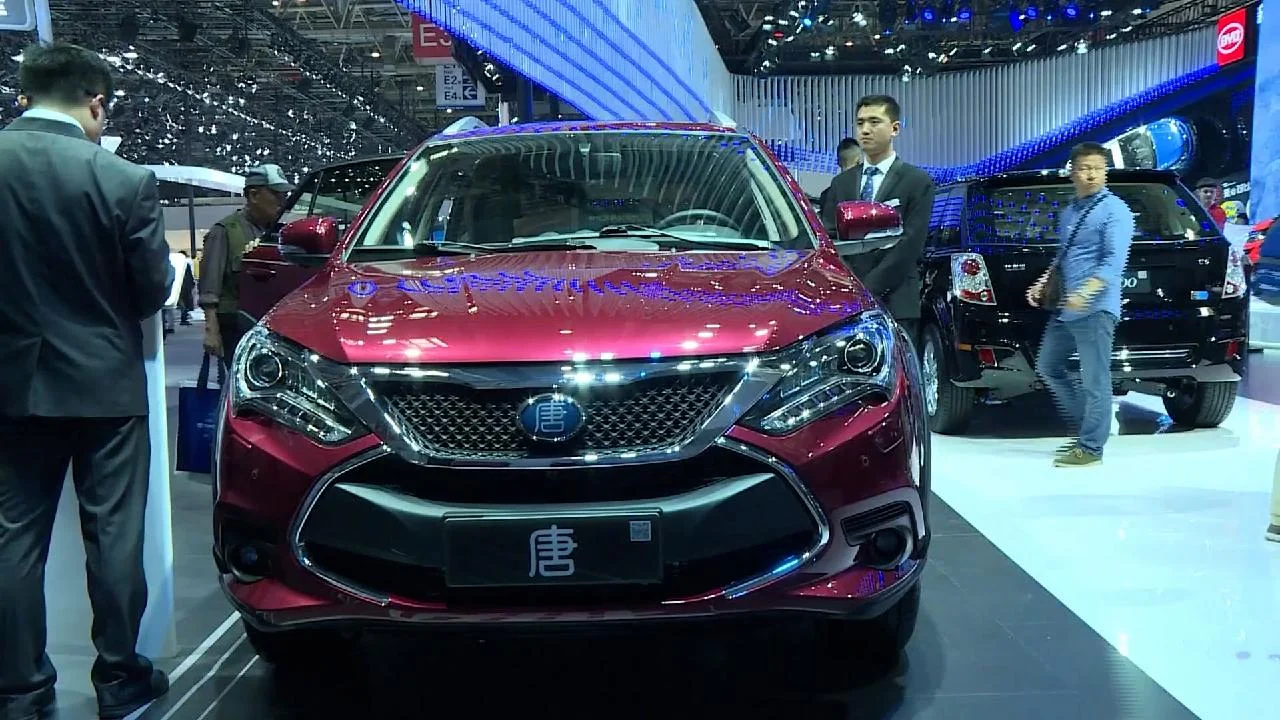
Geely Auto Group’s Entry into the Canadian Market: A New Era for Electric Vehicles
The automotive landscape is constantly shifting, with new players and technologies emerging to meet evolving consumer demands and environmental concerns. In this dynamic environment, the planned entry of China’s Geely Auto Group into the Canadian market in 2027 marks a significant development. This move is poised to introduce a new wave of electric vehicles (EVs) and potentially reshape the competitive dynamics within Canada’s automotive sector. As Canada seeks to expand its international partnerships and bolster its EV infrastructure, Geely’s arrival could offer a compelling new option for consumers and contribute to the nation’s green transportation goals.
This analysis will explore the implications of Geely Auto Group’s expansion into Canada. We will examine the company’s background, its potential product offerings, the strategic advantages it might bring, and the challenges it could face. Furthermore, we will consider the broader impact on the Canadian automotive market, including competition, consumer choice, and the acceleration of EV adoption.
Understanding Geely Auto Group
Geely Holding Group, often referred to simply as Geely, is a global automotive powerhouse headquartered in Hangzhou, China. Founded in 1986, it has grown from a motorcycle manufacturer into one of China’s largest private automakers. Geely’s strategic approach has been characterized by ambitious acquisitions and a commitment to developing a diverse portfolio of brands, each targeting different market segments and technological niches.
The company’s global footprint is extensive, with ownership stakes in several well-known automotive brands. These include Volvo Cars, which Geely acquired from Ford in 2010, and a significant stake in the German automaker Daimler AG, the parent company of Mercedes-Benz. Geely also owns the British sports car manufacturer Lotus, the London Electric Vehicle Company (LEVC), and the Malaysian automotive brand Proton. Domestically, Geely operates its own brands such as Geely Auto, Lynk & Co, and Zeekr, focusing on various aspects of the automotive market, from affordable sedans to premium electric vehicles.
Geely’s commitment to innovation, particularly in the field of electric mobility, is a cornerstone of its global strategy. The company has invested heavily in research and development, aiming to be at the forefront of EV technology, battery development, and autonomous driving systems. This focus on electrification is crucial as global automotive markets increasingly shift away from internal combustion engines towards cleaner, more sustainable transportation solutions. Geely’s diverse brand portfolio allows it to leverage technological advancements across different segments, from mass-market EVs to high-performance electric sports cars.
The company’s expansion into new international markets, such as Canada, is a natural progression of its global ambitions. Geely aims to establish a strong presence in key automotive markets worldwide, offering a blend of advanced technology, competitive pricing, and diverse product offerings. Its entry into Canada is expected to be spearheaded by its electric vehicle brands, aligning with Canada’s own push towards greater EV adoption and reduced carbon emissions.
Geely’s Canadian Market Strategy
Geely Auto Group’s decision to enter the Canadian market in 2027 is a strategic move that reflects both the company’s global expansion goals and Canada’s evolving automotive landscape. The company has indicated that it is assembling a local team and actively building out a retail and service network, signaling a serious commitment to establishing a lasting presence. This groundwork is essential for any new automotive entrant aiming to succeed in a market dominated by established players.
The timing of Geely’s entry is also noteworthy. Canada and China have recently reached an agreement that permits the export of 49,000 Chinese electric vehicles to Canada. This agreement, coupled with ongoing trade discussions and potential shifts in international trade relations, creates a more favorable environment for Chinese automakers to enter the Canadian market. Prime Minister Mark Carney’s administration has expressed a desire to forge new international partnerships, and an increased presence of Chinese automotive brands could be seen as part of this broader economic strategy.
Geely’s product strategy for Canada is likely to focus heavily on its electric vehicle offerings. Brands such as Zeekr, which positions itself as a premium electric vehicle brand, and potentially Lynk & Co, known for its innovative ownership models and hybrid options, could be key players. These brands are designed to appeal to a market increasingly interested in sustainable transportation, advanced technology, and unique design elements. Geely’s ability to offer competitive pricing, especially in the EV segment where costs can be a barrier for consumers, will be a significant factor in its success.
The establishment of a robust retail and service infrastructure is paramount. Geely will need to build a network of dealerships that not only sell vehicles but also provide reliable after-sales support, maintenance, and repair services. This includes training technicians, ensuring availability of parts, and creating a customer service experience that meets Canadian expectations. The company’s approach to building this network will likely involve a mix of traditional dealerships and potentially innovative direct-to-consumer models, similar to those employed by other EV manufacturers.
Furthermore, Geely’s entry could be influenced by Canada’s federal and provincial incentives for electric vehicle purchases. These incentives, designed to encourage the adoption of EVs, can significantly reduce the upfront cost for consumers, making Geely’s offerings more attractive. The company will need to navigate these incentive programs and ensure its vehicles qualify, further enhancing their market appeal.
Potential Product Offerings and Technological Edge
Geely Auto Group’s entry into Canada is expected to bring a range of vehicles, with a strong emphasis on electric and electrified powertrains. The company’s diverse brand portfolio allows it to cater to various consumer preferences and market segments. While specific models for the Canadian market are yet to be fully detailed, we can anticipate offerings from its most advanced and globally oriented brands.
One of the most likely candidates for the Canadian market is Zeekr. This premium EV brand is positioned to compete with established luxury electric vehicle manufacturers. Zeekr vehicles are known for their sophisticated design, advanced technology, and performance-oriented electric powertrains. Models such as the Zeekr 001, a sleek shooting brake, or the Zeekr X, a compact luxury SUV, could be introduced. These vehicles often feature large battery packs, fast-charging capabilities, and cutting-edge infotainment systems, appealing to consumers seeking a high-end EV experience.
Another potential offering could come from Lynk & Co. While Lynk & Co has explored various ownership and subscription models in other markets, its vehicles often feature plug-in hybrid (PHEV) and fully electric (EV) powertrains. The brand’s focus on connectivity, personalization, and a more modern approach to car ownership could resonate with younger, tech-savvy Canadian consumers. Models like the Lynk & Co 01, a compact SUV available in hybrid and plug-in hybrid variants, could be adapted for the Canadian market.
Geely also has a strong foundation in battery technology and electric vehicle platforms. The company utilizes its own modular EV architectures, such as the SEA (Sustainable Experience Architecture) platform, which underpins many of its electric models. This platform is designed for flexibility, allowing for a variety of vehicle types, battery sizes, and powertrain configurations. Vehicles built on the SEA platform often boast impressive range, rapid charging speeds, and advanced driver-assistance systems (ADAS).
The technological edge Geely brings is not limited to powertrains. The company is actively developing and integrating advanced features such as sophisticated infotainment systems, over-the-air (OTA) software updates, and a suite of driver-assistance technologies. These features are becoming increasingly important for consumers, and Geely’s investment in these areas positions its vehicles to be competitive with established global brands.
Furthermore, Geely’s ownership of Volvo Cars provides it with access to advanced safety technologies and engineering expertise. While Geely’s own brands will have distinct identities, the cross-pollination of ideas and technologies can lead to enhanced safety features and overall vehicle quality. This integration of advanced technology, coupled with a focus on electrification, positions Geely to offer compelling alternatives in the Canadian EV market.
Market Impact and Competitive Landscape
The arrival of Geely Auto Group in Canada is poised to significantly impact the existing automotive market. For decades, the Canadian auto sector has been dominated by a handful of major global manufacturers, primarily from Japan, Germany, South Korea, and the United States. Geely’s entry, particularly with its focus on electric vehicles, introduces a new competitive dynamic that could benefit consumers through increased choice and potentially more competitive pricing.
Increased Competition: Geely’s presence will undoubtedly intensify competition, especially within the rapidly growing electric vehicle segment. Established automakers will face pressure to innovate further, improve their EV offerings, and potentially adjust their pricing strategies to remain competitive. This heightened competition can lead to faster technological advancements and a broader array of EV options for Canadian consumers, from affordable compacts to premium sedans and SUVs.
Consumer Choice: Consumers stand to gain the most from Geely’s expansion. The introduction of new brands and models means more choices in terms of vehicle type, features, design, and price points. This is particularly important in the EV market, where options have historically been more limited compared to traditional gasoline-powered vehicles. Geely’s diverse portfolio, ranging from premium EVs to potentially more accessible models, could cater to a wider segment of the Canadian population.
Acceleration of EV Adoption: Geely’s focus on electric vehicles aligns perfectly with Canada’s national and provincial goals to promote EV adoption and reduce greenhouse gas emissions. By introducing new EV models and potentially offering them at competitive price points, Geely can help lower the barrier to entry for consumers considering the switch to electric. This could accelerate the transition away from internal combustion engine vehicles, contributing to Canada’s climate targets.
Supply Chain and Manufacturing: While Geely is entering the market as an importer, its long-term strategy could involve deeper integration into the Canadian automotive ecosystem. This might include establishing local partnerships for parts supply, distribution, or even future assembly operations, although this is speculative at this stage. Such developments could create jobs and contribute to the Canadian economy.
Challenges and Considerations: Despite the potential benefits, Geely will face significant challenges. Building brand recognition and trust in a new market takes time and substantial investment. Established automakers have loyal customer bases and extensive dealer networks. Geely will need to overcome skepticism and demonstrate the reliability, safety, and quality of its vehicles.
Furthermore, navigating Canada’s regulatory environment, including safety standards and emissions regulations, will be crucial. The company’s ability to establish a robust after-sales service and parts network will be critical for customer satisfaction and long-term success. The geopolitical landscape and trade relations between Canada and China could also play a role in the company’s operations and market reception.
The success of Geely’s entry will depend on its ability to offer compelling products that meet the specific needs and preferences of Canadian consumers, backed by a strong service infrastructure and competitive pricing. If successful, Geely could become a significant player in the Canadian automotive market, particularly in the burgeoning EV sector.
Navigating the Regulatory and Consumer Landscape
Geely Auto Group’s successful integration into the Canadian market hinges not only on its product offerings and business strategy but also on its ability to navigate the complex regulatory environment and meet the expectations of Canadian consumers. Canada has a well-established framework for vehicle safety, emissions, and consumer protection, which any new entrant must rigorously adhere to.
Regulatory Compliance:
Vehicles sold in Canada must meet stringent safety standards set by Transport Canada. This includes crashworthiness, airbag systems, braking performance, and lighting requirements. Geely will need to ensure that all its models undergo thorough testing and certification to comply with these regulations. Similarly, emissions standards, while increasingly focused on zero-emission vehicles, still apply to any hybrid or plug-in hybrid models introduced. The company must also comply with consumer protection laws, including warranty provisions and advertising standards.
Consumer Expectations:
Canadian consumers generally expect a high level of quality, reliability, and customer service from their vehicle purchases. For electric vehicles, this extends to the availability of charging infrastructure and the performance of the battery over time. Geely will need to build confidence in its brand by offering transparent information about vehicle range, charging times, and battery longevity. The company’s warranty offerings will be a key factor in reassuring consumers about the long-term viability of their investment.
Building Trust and Brand Loyalty:
Established automotive brands have spent decades building trust and loyalty through consistent product quality and dependable service. Geely, as a new entrant, faces the challenge of establishing this trust from scratch. This will require not only delivering high-quality vehicles but also investing in customer education about EV technology and the specific benefits of Geely’s offerings. Positive word-of-mouth, strong reviews, and effective marketing campaigns will be essential.
After-Sales Service and Parts Availability:
A critical component of consumer satisfaction is the availability of reliable after-sales service and readily accessible parts. Geely’s plan to build a retail and service network is a crucial first step. This network must be adequately staffed with trained technicians capable of servicing complex EV systems. Ensuring a consistent supply of spare parts across the country will be vital to minimize vehicle downtime and maintain customer confidence. Delays in parts or service can quickly erode trust and lead to negative perceptions.
Incentives and Government Support:
Canada offers various federal and provincial incentives to encourage the adoption of electric vehicles, such as tax credits and rebates. Geely’s vehicles will need to qualify for these programs to be competitive. The company’s ability to work effectively with government agencies to ensure its vehicles meet the criteria for these incentives will be important for market penetration. Furthermore, any government support for EV charging infrastructure development could indirectly benefit Geely by making EV ownership more practical for consumers.
Geopolitical Considerations:
The relationship between Canada and China can influence market dynamics. While the recent agreement on EV exports is a positive step, broader geopolitical considerations and trade policies can impact business operations and consumer sentiment. Geely will need to navigate these complexities carefully, focusing on delivering value and building strong relationships within the Canadian market.
By proactively addressing these regulatory and consumer-facing aspects, Geely Auto Group can lay a solid foundation for its Canadian operations. Demonstrating a commitment to safety, quality, customer service, and environmental responsibility will be key to its long-term success and its ability to become a respected player in the Canadian automotive industry.
The Future Outlook for Geely in Canada
Geely Auto Group’s impending arrival in the Canadian market in 2027 represents more than just the introduction of a new car brand; it signifies a potential shift in the automotive landscape, driven by the global momentum towards electrification and the increasing influence of Chinese automakers on the world stage. The company’s strategic approach, characterized by technological innovation, a diverse brand portfolio, and a clear focus on electric mobility, positions it as a formidable contender.
The success of Geely will largely depend on its ability to execute its plans effectively. This includes not only launching appealing vehicles but also establishing a robust sales and service network that instills confidence in Canadian consumers. The company’s commitment to building a local team and developing infrastructure suggests a long-term vision, which is crucial for sustained growth in a market with established players and high consumer expectations.
The broader implications for the Canadian automotive sector are significant. Geely’s entry is likely to spur further innovation and competition, potentially leading to more affordable and advanced electric vehicle options for consumers. This could accelerate Canada’s transition to a greener transportation future, helping the country meet its climate goals. The company’s presence may also encourage other international automakers to consider the Canadian market more seriously, further diversifying the automotive offerings available to Canadians.
However, challenges remain. Building brand recognition and trust in a new market is a long and often costly process. Geely will need to demonstrate the reliability, safety, and long-term value of its vehicles to win over consumers accustomed to established brands. Navigating the regulatory landscape, ensuring compliance with Canadian standards, and providing excellent after-sales support will be critical for its success.
Looking ahead, Geely’s impact could extend beyond vehicle sales. Its investments in technology and its focus on electric mobility could contribute to the development of Canada’s EV ecosystem, from charging infrastructure to battery technology. As the automotive industry continues its rapid transformation, Geely Auto Group’s entry into Canada is a development worth watching closely. It signals a new chapter for the Canadian automotive market, one that is increasingly defined by global competition, technological advancement, and a commitment to sustainable transportation.
Conclusion
Geely Auto Group’s planned entry into the Canadian automotive market in 2027 marks a significant moment, signaling a new era of competition and innovation, particularly within the electric vehicle sector. With a strong global presence, a diverse portfolio of brands, and a dedicated focus on advanced EV technology, Geely is poised to offer Canadian consumers compelling new choices. The company’s strategic groundwork, including building a local team and establishing a retail and service network, demonstrates a serious commitment to the market.
The impact of Geely’s arrival is expected to be far-reaching, potentially intensifying competition, expanding consumer choice, and accelerating the adoption of electric vehicles across Canada. While challenges related to brand building, regulatory compliance, and consumer trust exist, Geely’s technological capabilities and its alignment with Canada’s green transportation goals provide a solid foundation for success. As the automotive industry continues its global shift towards electrification, Geely’s expansion into Canada represents a key development that will shape the future of mobility in the country.

Conversation
0 Comments