

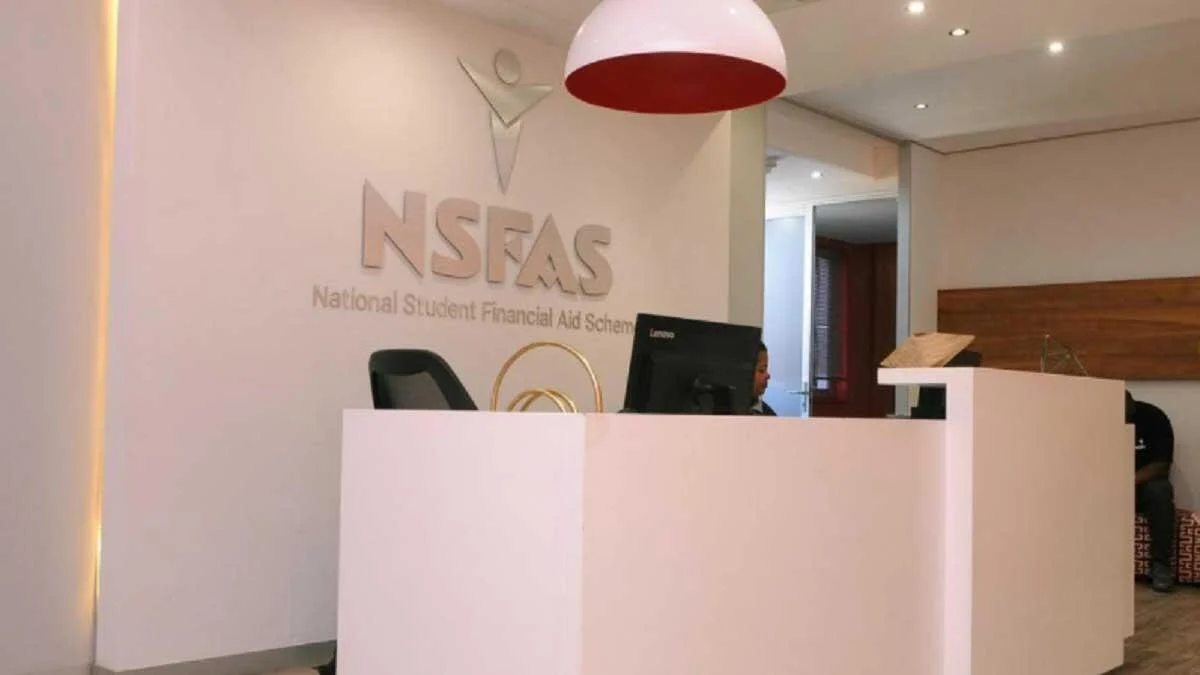
The National Student Financial Aid Scheme (NSFAS) plays a critical role in South Africa’s higher education landscape, aiming to provide financial support to students from low-income backgrounds. However, the scheme has faced significant challenges in recent years, leading to uncertainty for many aspiring students. In 2025, a substantial funding shortfall threatened to leave thousands of qualifying students without the necessary support to pursue their studies. This situation highlighted the urgent need for sustainable funding models and efficient management of the NSFAS program. Fortunately, by 2026, the government has taken steps to address these issues, securing additional funds and working towards long-term solutions.
This article will explore the NSFAS funding crisis of 2025, the government’s response, and the ongoing efforts to create a more stable financial aid system for South African students. We will examine the causes of the shortfall, the impact on students, and the strategies being developed to ensure that deserving students can access higher education without financial barriers.
The NSFAS Funding Shortfall of 2025
In 2025, NSFAS announced a significant funding deficit, creating widespread concern among students who had been approved for financial aid. This announcement came as a shock to many, as it implied that institutions would not receive the expected payments for student fees and allowances. The scheme, which aims to fund students pursuing tertiary education, found itself in a difficult position due to an increasing number of qualifying applicants and a budget that had been consistently exceeded.
The Higher Education Minister, Buti Manamela, explained that for the past few years, NSFAS had been over-enrolling students beyond the allocations provided by the Treasury. This practice led to a cumulative deficit. In the year preceding 2025, the overspending was R2.5 billion, followed by R5 billion in the subsequent year. By 2025, the shortfall had escalated to R13 billion, a figure that underscored the severity of the financial strain on the NSFAS program.
This situation left many students in a state of limbo. Universities and colleges were not receiving the funds they expected for tuition and other associated costs, and students themselves faced uncertainty about their ability to continue their studies. Sol Plaatje University was identified as a particular area of concern, with over 1,000 students unfunded due to the crisis. The implications of this shortfall extended beyond individual students, potentially affecting the enrollment numbers and financial stability of higher education institutions across the country. The core issue was that the demand for NSFAS funding had outstripped the available resources, a problem that had been building for several years.
Government Intervention and Funding Allocation
Faced with the critical situation in 2025, the government stepped in to address the NSFAS funding gap. The Minister of Higher Education and Training announced that an additional R13 billion had been secured to finalize payments for all qualifying students for that year. This intervention was crucial in preventing a complete collapse of the financial aid system and ensuring that students who had met the criteria for NSFAS funding would indeed receive it.
This allocation of R13 billion was a direct response to the R13.5 billion deficit that NSFAS had reported. While the allocated amount did not cover the entire deficit, it was sufficient to address the immediate needs and ensure that the majority of qualifying students would have their fees and allowances paid. The government’s commitment to finding the funds demonstrated the importance placed on ensuring access to higher education for students from disadvantaged backgrounds.
The Minister highlighted that the over-enrollment issue had been a recurring problem for NSFAS. Each year, more students qualified for bursaries than the Treasury had initially budgeted for. This trend indicated a growing need for higher education among the youth and a corresponding increase in the demand for financial assistance. The government’s decision to allocate an extra R13 billion was a testament to its understanding of this demand and its commitment to meeting it, at least in the short term.
The Growing Demand for NSFAS Funding
The increasing number of students qualifying for NSFAS funding points to a broader societal trend: a growing aspiration for higher education among young South Africans. In 2025, with an estimated 815,000 students sitting for their Matric exams, the demand for post-matric opportunities, including university and college studies, was immense. If this trend continued, projections suggested that the funding required for NSFAS bursaries alone could exceed R70 billion in the following years.
This escalating demand presents a significant challenge for the government and for NSFAS itself. It signifies a positive development in terms of educational ambition but also places a considerable strain on public finances. The figures indicate that the current funding model is not sustainable in the long run if the number of qualifying students continues to grow at this rate. The R13 billion allocated in 2025, while a substantial sum, was a temporary measure to address an immediate crisis.
The sheer volume of students seeking financial aid necessitates a fundamental re-evaluation of how higher education is funded in South Africa. It is not just about finding more money each year; it is about creating a system that can adapt to changing demographics and economic conditions while ensuring equitable access to education. The challenge lies in balancing the commitment to social upliftment through education with the fiscal realities of the nation.
Towards a Sustainable Funding Model
Recognizing the systemic issues, the Minister of Higher Education and Training initiated a process to develop a new, sustainable funding model for higher education. This endeavor is not solely the responsibility of the Department of Higher Education and Training; it requires a collaborative effort involving the entire government and society. The question of “How do we have a sustainable student funding model?” is a complex one with no easy answers.
Several factors contribute to the need for a new model. Firstly, the increasing number of students qualifying for NSFAS means that the current bursary system, which is largely grant-based, is becoming increasingly expensive. Secondly, the economic realities of South Africa mean that the government’s resources are finite. Therefore, a sustainable model must explore diverse funding streams and potentially different approaches to financial aid.
Potential avenues for a new model could include a combination of government funding, private sector contributions, and innovative financing mechanisms. It might also involve a review of the eligibility criteria for NSFAS to ensure that funds are directed towards those most in need, while also exploring options for students who fall just outside the current NSFAS bracket. The goal is to create a system that can provide consistent and adequate support to all deserving students, year after year, without facing recurring crises. This long-term vision is essential for the future of higher education in South Africa.
NSFAS Applications for 2026 Open
As the country moved past the immediate crisis of 2025, a significant development occurred: the official opening of NSFAS applications for the 2026 academic year. The Minister of Higher Education announced this crucial update at a media briefing in Pretoria, signaling a renewed commitment to providing financial aid for university and college studies. This announcement brought relief and anticipation to many prospective students and their families who rely on NSFAS to access higher education.
The opening of applications for 2026 indicates that, despite the challenges faced in the previous year, the NSFAS program is continuing its operations. It suggests that the government’s efforts to secure funding and address the systemic issues are progressing, allowing for the continuation of the application process. This is a vital step for students who are planning their academic futures and need to secure financial support well in advance.
The process of applying for NSFAS typically involves submitting detailed personal and financial information. Students are encouraged to ensure they meet the eligibility criteria, which usually include meeting academic requirements and coming from a household with a combined annual income below a certain threshold. The opening of applications for 2026 provides a clear timeline for prospective students to prepare their documentation and submit their applications, ensuring they do not miss out on this critical opportunity for financial assistance.
Understanding NSFAS Eligibility and Application Requirements
Navigating the NSFAS application process requires a clear understanding of the eligibility criteria and the necessary documentation. For the 2026 academic year, as in previous years, NSFAS aims to support students who demonstrate academic potential but lack the financial means to pursue higher education. The primary eligibility requirements typically revolve around financial need and academic performance.
Financial Eligibility:
A key criterion for NSFAS funding is financial need. Applicants must come from South African households whose combined annual income falls below a specified threshold. This threshold is set to identify students who would genuinely struggle to afford tertiary education without financial assistance. Applicants are usually required to provide proof of income for all household earners, which may include payslips, bank statements, or affidavits for informal income.
Academic Eligibility:
NSFAS also considers academic merit. For first-time entering students, meeting the minimum entry requirements for the chosen course at a university or TVET college is essential. For returning students, maintaining satisfactory academic progress in their previous studies is a crucial factor for continued funding. This ensures that NSFAS resources are directed towards students who are committed to their academic pursuits.
Application Process:
The application for NSFAS is typically done online through the NSFAS website. Prospective students need to create an account and complete the application form accurately and comprehensively. It is vital to submit all required supporting documents, which may include identity documents, proof of income, and academic records. Missing documents or inaccurate information can lead to delays or the rejection of an application. The opening of applications for 2026 signifies the start of this important period for many students.
Addressing Common NSFAS Application Challenges
While NSFAS strives to make the application process accessible, students often encounter various challenges. Understanding these common hurdles and knowing how to address them can significantly improve the chances of a successful application. The period leading up to and following the application submission is often a time of anxiety for many students.
Missing Documents:
One of the most frequent issues is the submission of incomplete applications due to missing documents. This can range from identity documents and proof of income to academic transcripts. It is crucial for applicants to carefully review the list of required documents and ensure that all are provided. If a document is difficult to obtain, students should contact NSFAS or their chosen institution for guidance.
Application Status Uncertainty:
After submitting an application, many students experience uncertainty regarding their application status. NSFAS provides online portals where applicants can check the progress of their applications. However, delays in updating these statuses or unclear communication can cause stress. It is advisable for students to regularly check the NSFAS portal and to contact NSFAS directly if they have significant concerns about the lack of updates.
Appeals for Unsuccessful Applications:
Students who are initially deemed ineligible or whose applications are rejected may have the option to appeal. The reasons for rejection can vary, from not meeting financial criteria to issues with submitted documentation. The NSFAS appeals process requires applicants to provide further information or clarification to support their case. Understanding the grounds for appeal and submitting a well-reasoned appeal is critical for a successful outcome. For instance, if a student’s financial situation has changed significantly, providing updated documentation can strengthen their appeal.
Technical Issues with the Online Portal:
The online application system, while convenient, can sometimes present technical difficulties. Slow loading times, errors during submission, or issues with account creation can frustrate applicants. It is recommended to apply during off-peak hours and to ensure a stable internet connection. If persistent technical problems arise, contacting NSFAS support is the best course of action.
The Broader Impact of NSFAS on Higher Education Access
The National Student Financial Aid Scheme is more than just a funding mechanism; it is a cornerstone of social mobility and educational equity in South Africa. By providing financial assistance, NSFAS enables thousands of students from disadvantaged backgrounds to access university and college education, opportunities that would otherwise be out of reach. This access has profound implications for individual lives, families, and the nation as a whole.
Empowering Individuals:
For many students, NSFAS represents a pathway out of poverty and a chance to build a better future. A tertiary education can lead to better employment prospects, higher earning potential, and increased social standing. By removing the financial barrier, NSFAS empowers individuals to realize their full academic and professional potential, contributing to their personal growth and well-being.
Driving Economic Development:
A well-educated populace is essential for economic growth and development. NSFAS plays a crucial role in producing skilled graduates who can fill critical roles in various sectors of the economy. By investing in students, the country is investing in its future workforce, fostering innovation, and driving economic progress. The skills and knowledge gained through higher education are vital for addressing the nation’s challenges and seizing opportunities.
Promoting Social Equity:
NSFAS is a key instrument in addressing historical inequalities in access to education. By targeting students from low-income households, the scheme helps to level the playing field and ensure that talent and potential are not wasted due to financial constraints. This promotes social equity and contributes to a more inclusive and just society. The scheme’s success is measured not only in the number of students funded but also in its contribution to reducing socio-economic disparities.
Future Outlook and Sustainability
The challenges faced by NSFAS in 2025 served as a stark reminder of the need for a robust and sustainable funding model. While the immediate crisis was averted through government intervention, the long-term viability of the scheme remains a critical concern. The increasing demand for NSFAS funding, coupled with economic pressures, necessitates a forward-thinking approach.
The development of a new funding model is paramount. This model must be designed to accommodate the growing number of students seeking financial aid while ensuring fiscal responsibility. It will likely involve a multi-pronged strategy that explores various funding sources, potentially including increased contributions from the private sector, innovative loan schemes for students who do not qualify for full bursaries, and a review of the overall cost of higher education.
Furthermore, operational efficiency within NSFAS will be key. Streamlining administrative processes, improving data management, and ensuring timely disbursement of funds can help to mitigate financial risks and enhance the scheme’s effectiveness. The government’s commitment to finding a sustainable solution is a positive sign, but it will require ongoing collaboration, strategic planning, and a willingness to adapt to evolving circumstances. The goal is to ensure that NSFAS can continue to fulfill its mandate of providing access to higher education for generations of South African students to come.
Conclusion
The NSFAS funding situation in 2025 presented a significant challenge, highlighting the strain on the national student financial aid system. The announcement of a substantial shortfall threatened to derail the academic aspirations of many qualifying students. However, through decisive government intervention, an additional R13 billion was allocated, ensuring that the immediate crisis was averted and that students received the funding they were due.
This event underscored the growing demand for higher education in South Africa and the increasing number of students relying on NSFAS. It also brought to the forefront the urgent need for a sustainable funding model that can meet this demand without recurring financial crises. The Minister of Higher Education’s initiative to develop such a model is a critical step towards ensuring the long-term viability of financial aid for students.
As NSFAS applications for the 2026 academic year opened, it signaled a continuation of the program, albeit with a renewed focus on addressing the underlying issues. Understanding the eligibility criteria, application requirements, and potential challenges remains vital for prospective students. Ultimately, NSFAS plays an indispensable role in promoting educational equity, empowering individuals, and contributing to the nation’s economic development. The ongoing efforts to secure its future are essential for the continued progress of higher education in South Africa.

Conversation
0 Comments