

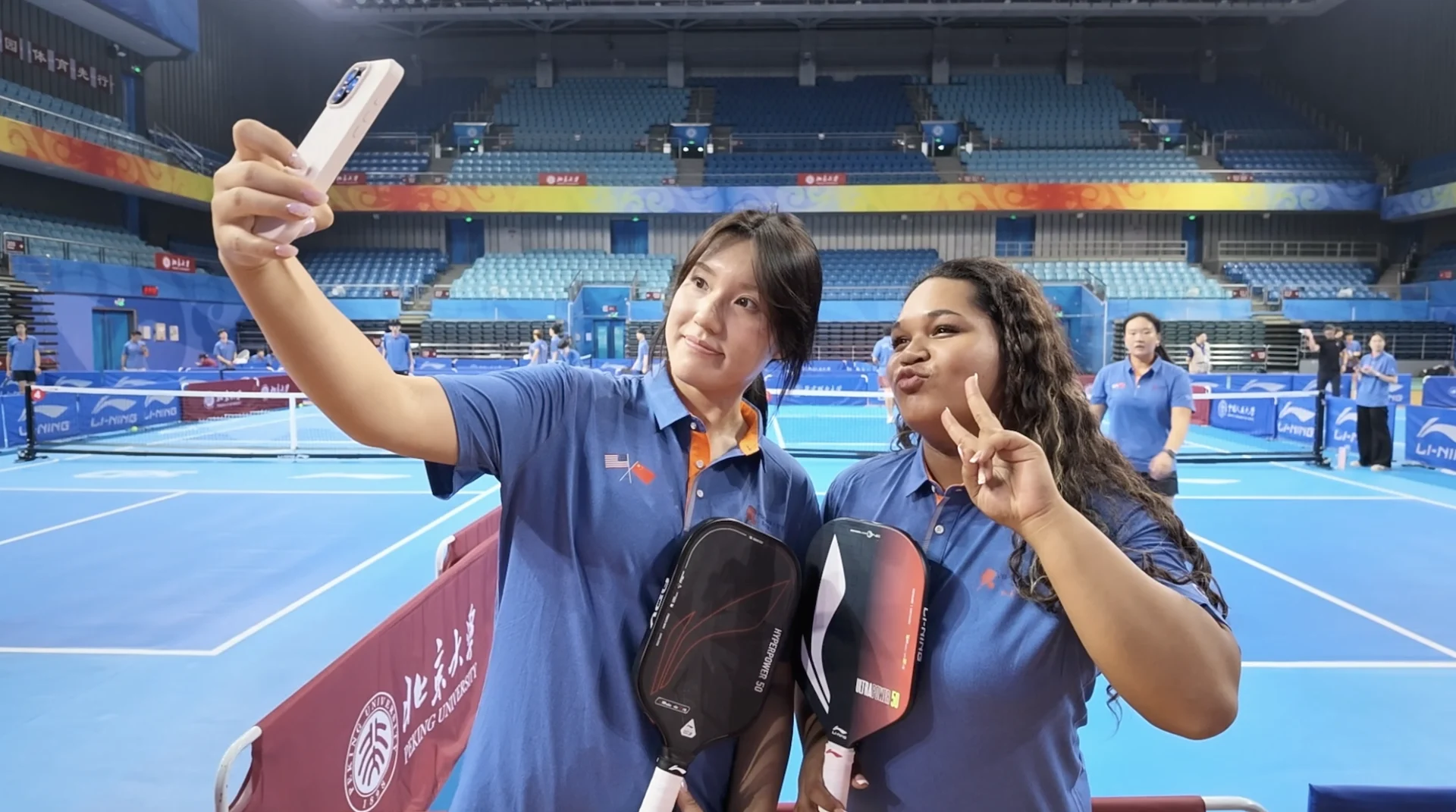
Pickleball: A Growing Sport Bridging Cultures and Connecting People
Pickleball, a paddle sport that combines elements of tennis, badminton, and table tennis, is rapidly gaining popularity worldwide. Its simple rules, accessible nature, and social appeal make it an attractive activity for people of all ages and skill levels. Beyond its recreational benefits, pickleball is emerging as a surprising bridge between cultures, fostering connections and understanding between different communities. This analysis will explore the multifaceted growth of pickleball, examining its rise in popularity, the factors contributing to its accessibility, its role in community building, and its potential to connect people across international borders.
The sport’s unique blend of ease of learning and strategic depth offers a compelling experience for players. Whether on a local court or an international stage, pickleball provides a platform for friendly competition and shared enjoyment. As more people discover the game, its influence is expanding, creating new opportunities for social interaction and cultural exchange. This article will delve into the various aspects of pickleball’s expansion, highlighting how this dynamic sport is shaping communities and connecting individuals in meaningful ways.
The Rapid Ascent of Pickleball’s Popularity
Pickleball’s journey from a backyard pastime to a global phenomenon has been nothing short of remarkable. In recent years, the sport has experienced an explosive surge in participation, attracting millions of players across various demographics. This growth is not confined to a single region; it is a worldwide trend, with new courts and leagues popping up in cities and towns across continents. The ease with which new players can pick up the game is a significant driver of this popularity. Unlike sports that require extensive training or specialized equipment, pickleball’s fundamental mechanics are intuitive.
The relatively small court size and the underhand serve make it less physically demanding than tennis, opening the door for older adults and individuals with physical limitations to participate actively. This inclusivity is a key factor in its widespread adoption. Furthermore, the social aspect of pickleball cannot be overstated. Games are often played in doubles, encouraging interaction and camaraderie among players. The slower pace of the ball and the close proximity of players on the court facilitate conversation and connection during play. This creates a welcoming atmosphere that encourages repeat engagement and fosters a strong sense of community among participants.
The sport’s growth has also been fueled by media attention and the development of professional leagues and tournaments. As more people see pickleball being played at a high level, it inspires them to try it themselves. The visibility of professional players and the excitement of competitive matches add another layer to the sport’s appeal, attracting a broader audience beyond just active players. This combination of accessibility, social engagement, and increasing visibility has propelled pickleball into the mainstream, making it one of the fastest-growing sports in the world today. The ongoing expansion suggests that pickleball’s popularity is not a fleeting trend but a sustained movement that will continue to shape recreational sports landscapes for years to come.
Understanding the Core Appeal: Why Pickleball is So Accessible
The widespread appeal of pickleball is deeply rooted in its inherent accessibility, making it a sport that welcomes nearly everyone. At its heart, pickleball is designed to be easy to learn and play, removing many of the barriers that prevent people from engaging with other sports. The equipment required is relatively simple and affordable. Players need a paddle, which is smaller and lighter than a tennis racket, and a plastic ball with holes, similar to a whiffle ball. These items are readily available and do not represent a significant financial investment for most individuals, unlike the specialized gear needed for sports like skiing or golf.
The court dimensions also contribute significantly to its accessibility. A pickleball court is the same size as a badminton doubles court, measuring 20 feet wide by 44 feet long. This is considerably smaller than a tennis court, meaning less ground needs to be covered during play. This reduced court size makes the game less physically demanding, allowing players of all fitness levels to participate without feeling overwhelmed or exhausted. The underhand serve is another key factor that lowers the barrier to entry. Unlike the powerful overhand serves in tennis, pickleball’s underhand serve is easier to execute and less prone to causing injury. This makes it more manageable for beginners and older players.
The rules of pickleball are also straightforward and can be learned quickly. The game is typically played to 11 points, and scoring only occurs when the serving team wins a rally. The “kitchen” or non-volley zone, a seven-foot area on each side of the net where players cannot volley the ball, adds a unique strategic element that also helps to keep rallies going. This rule prevents players from simply smashing the ball from the net, encouraging more controlled play and longer rallies. These rallies are not only more engaging for players but also provide more opportunities for interaction and conversation between points. The combination of simple equipment, a manageable court size, an easy serve, and straightforward rules creates an environment where individuals can quickly feel competent and enjoy the game, fostering a sense of accomplishment and encouraging continued participation.
Pickleball as a Community Builder
Beyond its physical and strategic elements, pickleball has proven to be a powerful force in building and strengthening communities. The sport’s inherent social nature transforms local parks and recreation centers into vibrant hubs of activity and connection. When people gather on the pickleball court, they are not just playing a game; they are forming bonds, sharing experiences, and creating a sense of belonging. The doubles format, which is most commonly played, naturally encourages teamwork and communication. Players must work together, strategize, and support each other, which can translate into stronger relationships off the court as well.
The inclusive nature of pickleball means that people from diverse backgrounds, ages, and skill levels can come together and find common ground. A seasoned player might be paired with a complete beginner, and through the shared experience of the game, a connection is formed. This cross-generational and cross-cultural interaction is invaluable in fostering understanding and breaking down social barriers. Many communities have established pickleball clubs or organized leagues that provide a structured way for people to connect. These groups often go beyond just playing the game, organizing social events, potlucks, or even charitable activities, further solidifying the community aspect.
The growth of pickleball has also led to the development of dedicated facilities and public courts, which become natural gathering places. These spaces are not just for playing; they are where friendships are forged, where neighbors meet, and where a sense of local identity is strengthened. The shared enthusiasm for the sport creates an instant topic of conversation and a common interest that can lead to deeper relationships. In essence, pickleball courts often become extensions of community living rooms, fostering a lively and supportive environment where people can socialize, exercise, and feel connected to those around them. This ability to unite people and create a positive social fabric makes pickleball a valuable asset to any community.
Pickleball’s Role in International Connection
The unifying power of pickleball extends beyond local communities and is increasingly playing a role in fostering international connections. As the sport gains global traction, it provides a unique avenue for people from different countries to interact, share experiences, and build understanding. A prime example of this is the growing exchange between players in the United States and China. Despite geopolitical complexities, a shared love for pickleball is creating bridges between young Americans and Chinese individuals. Programs designed to facilitate these exchanges highlight how sports can transcend political differences and promote people-to-people connections.
These international exchanges often involve more than just friendly matches. They offer participants a chance to immerse themselves in each other’s cultures, explore historical landmarks, and learn about different ways of life. When young Americans visit China for pickleball exchanges, they not only play the sport with their Chinese peers but also engage in cultural activities, visit technological hubs, and witness urban development firsthand. Such experiences provide invaluable insights and foster a deeper appreciation for each other’s societies. Similarly, when Chinese students or athletes visit the United States for similar programs, they gain firsthand exposure to American culture and perspectives.
These initiatives, often supported by organizations focused on international youth exchange, underscore the potential of sports diplomacy. By focusing on a shared passion, these programs create a positive and collaborative environment where mutual respect and friendship can flourish. The simple act of playing a game together can break down stereotypes and build genuine connections that might not otherwise occur. As pickleball continues its global expansion, its capacity to serve as a diplomatic tool and a means of fostering cross-cultural understanding is likely to grow, demonstrating that a shared love for a sport can indeed bring people from different nations closer together.
The Future of Pickleball: Continued Growth and Global Impact
The trajectory of pickleball suggests a future marked by continued expansion and an ever-increasing global impact. As more people discover the joy and accessibility of the sport, participation rates are expected to climb even higher. This sustained growth will likely lead to further development in various aspects of the pickleball world. We can anticipate more dedicated pickleball facilities being built, offering players higher quality courts and amenities. The demand for professional coaching and training programs will also likely increase, catering to players who wish to improve their skills and compete at higher levels.
The professional pickleball scene itself is poised for significant evolution. With growing viewership and sponsorship opportunities, professional leagues are likely to become more established, attracting top talent and offering more exciting tournaments. This professionalization will further elevate the sport’s profile and inspire a new generation of players. Beyond the competitive arena, pickleball’s role in community building is set to deepen. As more towns and cities recognize the social benefits of the sport, they will likely invest in public courts and support local clubs, further integrating pickleball into the fabric of community life.
Moreover, the sport’s potential for international connection will undoubtedly be further explored and expanded. We may see more organized international tournaments, cultural exchange programs centered around pickleball, and greater collaboration between national pickleball federations. The ability of pickleball to unite people across borders, fostering goodwill and mutual understanding, is a powerful asset in an increasingly interconnected world. As the sport continues to evolve, its influence will likely extend beyond recreation and competition, solidifying its place as a significant cultural and social force on a global scale. The simple act of hitting a ball over a net is proving to be a profound way to connect people, build communities, and bridge divides, both locally and internationally.
Conclusion
Pickleball has rapidly evolved from a niche activity to a global sporting phenomenon, captivating millions with its accessible rules, engaging gameplay, and strong social appeal. Its rise in popularity is driven by a combination of factors, including its ease of learning, relatively low cost of entry, and the inherent camaraderie it fosters. The sport’s inclusive nature allows individuals of all ages and fitness levels to participate, making it a unique unifier within communities. From local parks to international exchange programs, pickleball courts are becoming vibrant centers for social interaction, friendship, and cultural understanding.
As pickleball continues its impressive growth trajectory, its impact is expected to deepen. We anticipate further development in infrastructure, professional play, and community integration. Crucially, the sport’s capacity to serve as a bridge between cultures, as seen in exchanges between young Americans and Chinese players, highlights its potential for fostering global connections and promoting goodwill. The future of pickleball looks bright, promising not only continued recreational enjoyment but also a significant role in building stronger communities and fostering a more connected world.



Conversation
0 Comments