

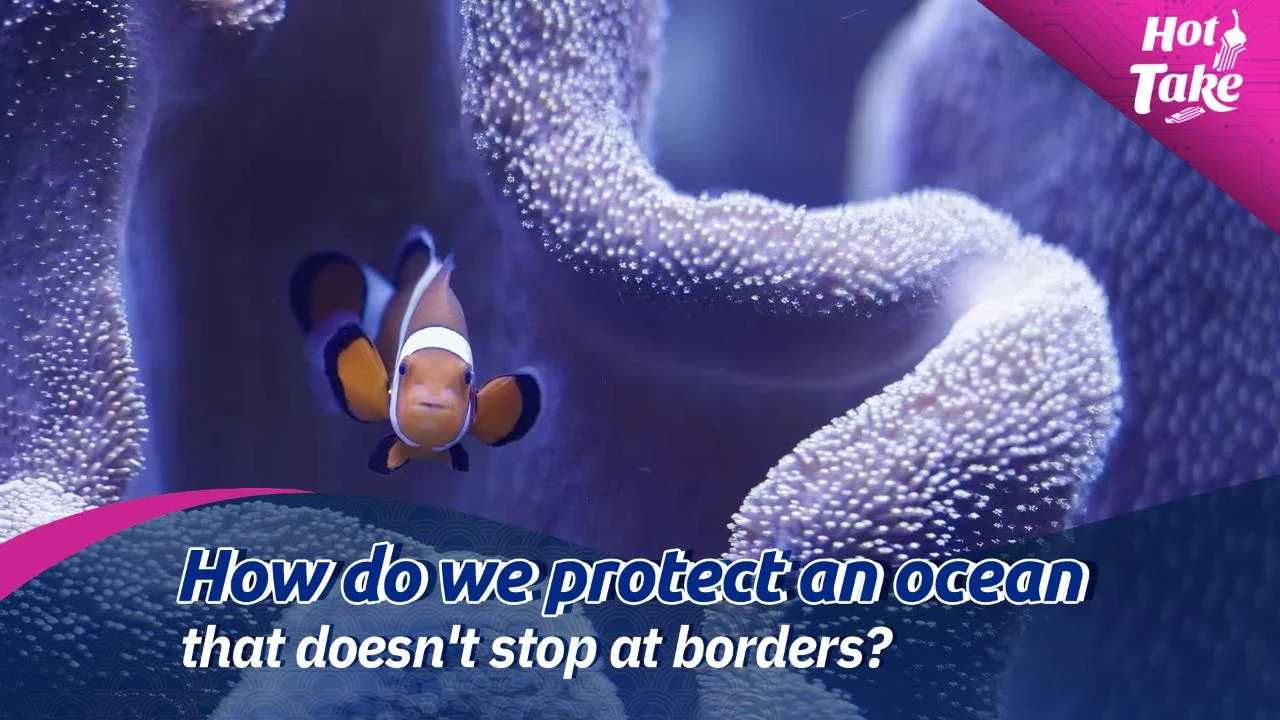
Protecting Our Oceans: The Global Challenge of Borderless Seas
The vast expanse of our planet’s oceans, covering over 70% of its surface, is a shared resource. Yet, this vital ecosystem faces unprecedented threats, from pollution and overfishing to climate change. A significant challenge in protecting these waters lies in their very nature: they do not recognize national borders. This creates a complex situation where responsibility for conservation is often unclear, leading to a fragmented approach to safeguarding marine life.
The high seas, those areas beyond national jurisdiction, are particularly vulnerable. Historically, they have been treated as a lawless frontier, exploited for their resources with little regard for long-term sustainability. However, a new era of ocean governance is dawning. The Biodiversity Beyond National Jurisdiction (BBNJ) Agreement, which entered into force in January 2026, offers a framework for establishing marine protected areas in international waters. This landmark treaty provides a much-needed tool for countries to collaborate and implement conservation measures across these vast, borderless territories.
This article will explore the critical need for international cooperation in ocean protection, the significance of the BBNJ Agreement, and the practical steps required to translate this treaty into effective action. We will examine the challenges and opportunities in managing marine ecosystems that span multiple jurisdictions and the vital importance of healthy oceans for the planet and all its inhabitants. Understanding how to protect an ocean that doesn’t stop at borders is no longer just an environmental issue; it is a fundamental requirement for global sustainability and human well-being.
The Unseen World: Why the High Seas Matter
The high seas, often referred to as the “global commons,” represent the largest biome on Earth. They are home to an astonishing diversity of life, much of which remains undiscovered. From microscopic plankton that form the base of the marine food web to majestic whales that traverse vast distances, these waters support intricate ecosystems that are essential for regulating our planet’s climate and providing critical resources.
Despite their immense importance, the high seas have historically been under-protected. Because they lie beyond the exclusive economic zones of any single nation, there has been a lack of clear jurisdiction and enforcement for conservation efforts. This has led to widespread exploitation, including unsustainable fishing practices, deep-sea mining exploration, and the accumulation of plastic pollution. The consequences of this neglect are far-reaching, impacting not only marine biodiversity but also the livelihoods of millions of people who depend on healthy oceans for food and economic stability.
The health of the high seas is directly linked to the health of our planet. These waters play a crucial role in absorbing carbon dioxide from the atmosphere, helping to mitigate climate change. They also generate a significant portion of the oxygen we breathe through the photosynthesis of marine phytoplankton. Furthermore, the oceans are a vital source of food for a large portion of the global population. Overfishing and habitat destruction in the high seas threaten these essential services, with potentially devastating consequences for global food security and climate stability.
The Dawn of a New Era: The BBNJ Agreement
For decades, the international community recognized the urgent need for a legal framework to manage and protect the biodiversity of areas beyond national jurisdiction. This recognition culminated in the adoption of the Agreement under the United Nations Convention on the Law of the Sea on the Conservation and Sustainable Use of Marine Biological Diversity of Areas Beyond National Jurisdiction, commonly known as the BBNJ Agreement. After years of negotiation, the treaty officially entered into force in January 2026, marking a significant milestone in ocean governance.
The BBNJ Agreement is groundbreaking because it provides the first legally binding international instrument specifically designed to address the conservation and sustainable use of marine life in the high seas. Its core objectives include establishing marine protected areas (MPAs) in international waters, regulating activities that could harm marine ecosystems, and ensuring the equitable sharing of benefits derived from marine genetic resources. This treaty represents a collective commitment by nations to move away from a fragmented and often ineffective approach to ocean management towards a more coordinated and holistic strategy.
One of the most critical components of the BBNJ Agreement is its provision for the creation of marine protected areas in areas beyond national jurisdiction. These MPAs are designated zones where human activities are restricted or prohibited to allow ecosystems and species to recover and thrive. By establishing these protected areas, the international community can safeguard critical habitats, protect endangered species, and preserve marine biodiversity for future generations. The agreement also outlines a process for assessing the environmental impact of proposed activities in the high seas, ensuring that development does not come at the irreversible cost of ocean health.
Putting Theory into Practice: Challenges and Opportunities
While the BBNJ Agreement provides a vital legal framework, its success hinges on effective implementation. Translating the treaty’s ambitious goals into tangible actions on the ground—or rather, in the water—presents a complex set of challenges. One of the primary hurdles is securing adequate funding and resources to establish and manage marine protected areas in the vast expanse of the high seas. This requires significant investment in scientific research, monitoring technologies, and enforcement mechanisms.
Another significant challenge is achieving consensus and cooperation among the diverse range of nations that are signatories to the agreement. Each country has its own interests and priorities regarding ocean resources, and finding common ground on conservation measures can be difficult. Effective implementation will require strong political will, transparent decision-making processes, and a commitment to equitable benefit-sharing, particularly concerning marine genetic resources.
Despite these challenges, the BBNJ Agreement also presents immense opportunities. It fosters a new era of international collaboration, encouraging nations to work together to address shared environmental threats. The treaty’s focus on scientific research and data sharing will lead to a deeper understanding of marine ecosystems and the impacts of human activities. This knowledge is crucial for making informed decisions about conservation and sustainable use.
Furthermore, the establishment of marine protected areas in the high seas can have significant positive ripple effects. These areas can act as nurseries for fish stocks, helping to replenish populations in surrounding waters and supporting sustainable fisheries. They can also protect unique and vulnerable ecosystems, such as deep-sea coral reefs and hydrothermal vents, which are vital for marine biodiversity. The BBNJ Agreement offers a pathway to a more sustainable and equitable future for our oceans, but it requires sustained effort and commitment from all parties involved.
The Role of Science and Technology
The effective protection of borderless oceans relies heavily on robust scientific understanding and the application of advanced technologies. Before any meaningful conservation measures can be implemented, we need to know what we are trying to protect. This involves extensive scientific research to map biodiversity hotspots, understand migratory patterns of marine species, and identify critical habitats in the high seas. The BBNJ Agreement recognizes this by emphasizing the importance of scientific research and capacity building.
Technological advancements are playing an increasingly vital role in ocean conservation. Satellite imagery and remote sensing technologies allow scientists to monitor vast ocean areas for changes in water temperature, chlorophyll levels, and the presence of marine life. Autonomous underwater vehicles (AUVs) and remotely operated vehicles (ROVs) can explore the deep sea, collect samples, and provide high-resolution imagery of previously inaccessible environments. These tools are essential for gathering the data needed to establish effective marine protected areas and monitor their success.
Data management and sharing are also critical components. The BBNJ Agreement calls for the establishment of mechanisms for sharing scientific data and information related to marine biodiversity in areas beyond national jurisdiction. This collaborative approach ensures that all nations have access to the best available scientific knowledge, enabling them to make informed decisions about conservation and management. Open data platforms and international research initiatives can accelerate our understanding of ocean ecosystems and the threats they face.
Moreover, technology can aid in enforcement. Tracking systems for fishing vessels, for instance, can help identify and deter illegal, unreported, and unregulated (IUU) fishing activities in protected areas. Advanced surveillance technologies can also monitor other potential threats, such as pollution and unauthorized exploration. By harnessing the power of science and technology, the international community can significantly enhance its ability to protect the health and biodiversity of our shared oceans.
Marine Protected Areas: A Cornerstone of Conservation
Marine Protected Areas (MPAs) are a cornerstone of modern ocean conservation strategies, and the BBNJ Agreement places them at the forefront of efforts to protect biodiversity in areas beyond national jurisdiction. MPAs are defined geographical spaces that are managed and regulated to achieve specific conservation objectives. In the context of the high seas, these areas are crucial for safeguarding ecosystems and species that are vulnerable to human activities.
The establishment of MPAs in the high seas is a complex undertaking. It requires careful scientific assessment to identify areas that are ecologically significant, such as breeding grounds for endangered species, critical feeding areas, or unique deep-sea habitats. These areas must then be designated through a transparent and collaborative international process, involving all relevant stakeholders. Once established, MPAs need robust management plans that outline the specific restrictions on human activities, such as fishing, shipping, and resource extraction.
The benefits of well-managed MPAs are numerous. They can provide safe havens for marine life, allowing populations to recover from overexploitation and habitat degradation. This recovery can have positive spillover effects, replenishing fish stocks in adjacent areas and supporting more sustainable fisheries. MPAs also play a vital role in protecting marine biodiversity, ensuring the survival of a wide range of species and the ecological processes they are part of.
However, the success of MPAs is not guaranteed. Effective enforcement is paramount. Without adequate monitoring and enforcement, MPAs can become paper parks, with little real impact on conservation. This requires sufficient resources for patrols, surveillance, and the prosecution of offenders. Furthermore, MPAs need to be integrated into broader ocean management plans to ensure that they are part of a coherent network of protected areas that spans across different jurisdictions. The BBNJ Agreement provides the framework, but the commitment to creating and effectively managing these vital sanctuaries rests with the international community.
Addressing Pollution: A Transboundary Threat
Ocean pollution is a pervasive and escalating problem that knows no borders, making it a prime example of why international cooperation is essential for ocean protection. From plastic debris and chemical contaminants to agricultural runoff and oil spills, a wide array of pollutants enter the marine environment, often originating far from the coastlines. These pollutants can travel vast distances, impacting ecosystems and wildlife in the high seas, far from their source.
Plastic pollution, in particular, has become a global crisis. Millions of tons of plastic waste enter the oceans each year, breaking down into microplastics that are ingested by marine organisms. This not only harms individual animals but also poses risks to human health as these microplastics enter the food chain. Addressing plastic pollution requires a multi-pronged approach, including reducing plastic production and consumption, improving waste management infrastructure globally, and developing innovative solutions for cleaning up existing pollution.
Chemical pollution from industrial discharge, agricultural pesticides, and pharmaceuticals also poses a significant threat. These substances can accumulate in marine organisms, leading to reproductive problems, developmental abnormalities, and even death. The BBNJ Agreement, while primarily focused on biodiversity, indirectly addresses pollution by promoting sustainable use and the protection of marine ecosystems, which are more resilient to pollution when healthy.
Oil spills, though often localized in their immediate impact, can have devastating long-term consequences for marine life and coastal communities. International cooperation is crucial for responding to oil spills, sharing resources and expertise to mitigate damage and aid in recovery efforts. Ultimately, tackling ocean pollution requires a global commitment to reducing the input of harmful substances into the marine environment and holding polluters accountable. The interconnectedness of our oceans means that pollution in one region can have far-reaching consequences for all.
Sustainable Fisheries and Resource Management
The high seas are a critical source of food for billions of people worldwide, making sustainable fisheries management a vital component of ocean protection. However, overfishing has depleted many fish stocks, threatening marine ecosystems and the livelihoods of fishing communities. The BBNJ Agreement aims to promote the sustainable use of marine resources, ensuring that fishing activities do not jeopardize the health of ocean ecosystems.
One of the key challenges in managing fisheries in the high seas is the lack of effective governance and enforcement. Without clear regulations and robust monitoring, illegal, unreported, and unregulated (IUU) fishing can thrive, undermining conservation efforts and distorting markets. The BBNJ Agreement provides a framework for addressing these issues by enabling the establishment of cooperative management measures and promoting transparency in fishing operations.
The agreement also addresses the sustainable use of marine genetic resources (MGRs). These are genetic materials from marine organisms that have the potential for use in various industries, such as pharmaceuticals and biotechnology. The BBNJ Agreement seeks to ensure that the benefits derived from the use of MGRs are shared equitably among all nations, including developing countries that may lack the capacity to exploit these resources themselves. This principle of equitable benefit-sharing is crucial for fostering global cooperation and preventing the further marginalization of less developed nations in the global economy.
Achieving sustainable fisheries and resource management in the high seas requires a combination of strong international agreements, effective national policies, and responsible practices by the fishing industry. It also necessitates continued investment in scientific research to understand fish populations and ecosystem dynamics, allowing for science-based management decisions. By working together, nations can ensure that the bounty of the oceans is managed in a way that benefits present and future generations.
The Path Forward: Collaboration and Commitment
The journey to effectively protect our borderless oceans is a long and complex one, but the BBNJ Agreement has provided a crucial roadmap. Its success hinges on the unwavering commitment of nations to collaborate, invest in scientific research, and implement robust conservation measures. The challenges are significant, ranging from securing adequate funding for marine protected areas to combating illegal fishing and pollution. However, the potential rewards—a healthy, thriving ocean that sustains life on Earth—are immeasurable.
The BBNJ Agreement is more than just a treaty; it is a testament to the growing global recognition that the health of our oceans is intrinsically linked to the health of our planet and the well-being of humanity. By working together, sharing knowledge, and pooling resources, we can overcome the obstacles and ensure that the vast, borderless expanse of our oceans remains a source of life, wonder, and sustenance for generations to come. The time for decisive action is now, to safeguard the blue heart of our planet.
Conclusion
The protection of our oceans, particularly the vast and often overlooked high seas, presents one of the most pressing environmental challenges of our time. The BBNJ Agreement, by establishing a framework for marine protected areas and sustainable use in areas beyond national jurisdiction, marks a pivotal moment in global ocean governance. It acknowledges that the health of these borderless waters is a shared responsibility, requiring unprecedented international cooperation.
Successfully implementing this agreement will demand sustained political will, significant financial investment, and a deep commitment to scientific research and technological innovation. Addressing threats like pollution and overfishing requires a coordinated global effort, moving beyond national interests to embrace a collective vision for ocean health. The establishment of well-managed marine protected areas will be critical in safeguarding biodiversity and ensuring the resilience of marine ecosystems.
Ultimately, the future of our oceans depends on our ability to collaborate and act decisively. The BBNJ Agreement provides the tools, but it is the dedication of nations and individuals to its principles that will determine whether we can protect an ocean that truly doesn’t stop at borders. A healthy ocean is not just an environmental imperative; it is fundamental to our planet’s climate, our food security, and the very survival of countless species, including our own.



Conversation
0 Comments