

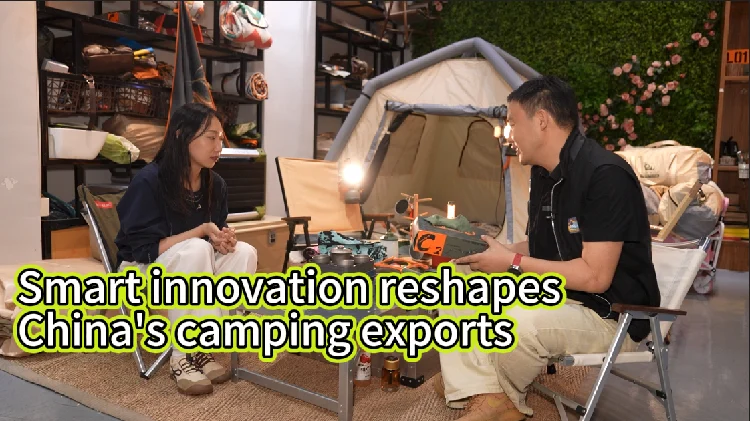
The Rise of Smart Camping Gear: Innovation in Outdoor Adventures
The great outdoors is getting a technological upgrade. Camping, once an activity focused on disconnecting from the modern world, is now embracing smart innovation. Chinese manufacturers are at the forefront of this shift, transforming traditional camping equipment into high-tech, user-friendly products. From tents that set themselves up with the push of a button to smart lighting and portable power solutions, the camping experience is being redefined. As outdoor lifestyles become increasingly popular globally, these smart innovations are not only catering to domestic demand but also reshaping China’s camping gear export market. This article explores the exciting developments in smart camping technology, its impact on the industry, and what it means for the future of outdoor adventures.
The Evolution of Camping Equipment
For decades, camping gear remained relatively consistent. Tents were pitched by hand, sleeping bags provided basic warmth, and cooking involved portable stoves or campfires. While functional, these items often required effort and expertise to set up and manage. The core appeal of camping was its simplicity and connection to nature, a deliberate escape from the complexities of modern life.
However, as technology advanced and consumer expectations evolved, so did the outdoor equipment market. Early innovations focused on making gear lighter, more durable, and easier to pack. Materials like ripstop nylon and advanced insulation became standard. Then came the integration of electronics: headlamps with multiple brightness settings, portable power banks for charging devices, and even solar-powered chargers.
The current wave of innovation goes much further, aiming to make camping more accessible and comfortable without sacrificing the outdoor experience. This involves embedding smart technology directly into the gear itself. The goal is not to replace the connection with nature but to remove common barriers and enhance the overall enjoyment, making outdoor adventures appealing to a wider audience, including those who might have previously found traditional camping too challenging or inconvenient.
Smart Tents: Setting Up Camp with Ease
One of the most significant areas of innovation is in tent design. Pitching a tent can be a time-consuming and sometimes frustrating process, especially in adverse weather conditions or when setting up camp after a long day of hiking. Smart tents are addressing this challenge head-on.
These advanced tents often feature automated or semi-automated setup mechanisms. Imagine arriving at your campsite and, with a simple press of a button on a remote control or a smartphone app, your tent inflates or its poles extend and lock into place. Some designs use air beams that inflate quickly, providing a sturdy structure in minutes. Others incorporate motorized poles that extend and retract automatically.
Beyond the ease of setup, smart tents are also incorporating features that enhance comfort and safety. Integrated LED lighting systems can be controlled via an app, allowing users to adjust brightness and color. Some models include built-in heating or cooling elements, climate control sensors, and even Wi-Fi connectivity for monitoring weather conditions or staying connected. The materials used are also evolving, with some tents offering enhanced waterproofing, UV protection, and breathability, all managed through smart fabric technologies. This level of convenience and control transforms the traditional camping setup into a seamless experience, inviting more people to embrace the outdoors.
Intelligent Lighting and Power Solutions
Lighting and power are essential aspects of any camping trip, and smart technology is revolutionizing these areas. Gone are the days of relying solely on bulky lanterns and limited battery life.
Smart camping lights offer a range of features that go beyond simple illumination. Many are now app-controlled, allowing users to adjust brightness, set timers, and even change colors to create different ambiances. Some lights can sync with music or respond to motion, acting as security lights around the campsite. Portable solar panels have also become more efficient and compact, making it easier to keep devices charged off-grid. These panels can power smart devices, portable refrigerators, and other electronic essentials.
Power banks have evolved into robust portable power stations, capable of running multiple devices simultaneously. These stations often feature AC outlets, USB ports, and fast-charging capabilities, providing a reliable power source for everything from smartphones and cameras to laptops and even small appliances. Some advanced power stations can be monitored and controlled remotely via a smartphone app, allowing users to track battery levels and manage power output. This ensures that campers can stay connected, powered up, and comfortable throughout their outdoor excursions, bridging the gap between wilderness and modern convenience.
Connectivity and Safety Features
In an increasingly connected world, the desire to stay in touch, even while camping, is strong. Smart camping gear is responding by integrating connectivity features that also enhance safety.
Many smart tents and camping accessories now offer built-in Wi-Fi hotspots or can connect to existing Wi-Fi signals, allowing campers to access the internet. This enables them to share their experiences in real-time, check weather forecasts, or even work remotely from their campsite. GPS tracking is another feature being integrated into some high-end camping equipment, providing peace of mind for solo campers or those venturing into remote areas.
Safety is a paramount concern for outdoor enthusiasts, and smart technology offers new solutions. Some smart tents are equipped with environmental sensors that can detect dangerous gas levels, such as carbon monoxide, and alert users via their smartphones. Emergency communication devices that can send distress signals via satellite are also becoming more common and user-friendly. Weather alert systems, integrated into smart devices, can provide timely warnings about approaching storms or other hazardous conditions, allowing campers to take necessary precautions. These advancements ensure that the pursuit of adventure does not come at the expense of safety, making the wilderness more accessible and secure.
The Impact on China’s Camping Exports
China’s manufacturing prowess is playing a significant role in the global rise of smart camping gear. The country’s ability to produce high-quality, innovative products at competitive prices makes it a key player in the international market. Chinese manufacturers are not just replicating existing designs; they are actively investing in research and development to create cutting-edge smart camping solutions.
The demand for outdoor recreation has surged worldwide, and China is well-positioned to meet this demand. The country’s export of camping equipment, particularly smart innovations, has seen substantial growth. Companies are focusing on developing products that are not only technologically advanced but also durable, portable, and aesthetically pleasing. This focus on user experience and product quality is crucial for competing in international markets.
Furthermore, Chinese manufacturers are increasingly collaborating with international brands and retailers, expanding their global reach. They are also adapting their products to meet the specific needs and preferences of different markets, ensuring that their smart camping gear resonates with a diverse customer base. This strategic approach is solidifying China’s position as a leading exporter of innovative outdoor equipment, making smart camping more accessible to adventurers around the globe.
Consumer Adoption and Market Trends
The adoption of smart camping gear is being driven by several factors. Firstly, the growing popularity of outdoor activities like camping, glamping, and van life has created a larger market for specialized equipment. Secondly, consumers are becoming more tech-savvy and are looking for ways to integrate technology into all aspects of their lives, including their leisure activities.
The convenience offered by smart camping products is a major draw. For families with young children, or for individuals who may not have extensive camping experience, the ease of setting up a smart tent or managing campsite lighting with an app can significantly lower the barrier to entry. The enhanced comfort and safety features also appeal to a broader demographic, including older campers or those who prioritize security.
The market is also seeing a trend towards personalization and customization. Consumers want gear that reflects their individual needs and preferences. Smart technology allows for this through app-controlled features and modular designs. As the technology becomes more affordable and accessible, it is expected to move from niche products to mainstream camping essentials, further driving market growth and innovation.
Challenges and Future Outlook
Despite the exciting advancements, the smart camping industry faces certain challenges. The cost of smart technology can still be a barrier for some consumers, making these products more expensive than their traditional counterparts. Reliability and durability in harsh outdoor environments are also critical concerns. Smart devices need to be robust enough to withstand extreme temperatures, moisture, and physical stress.
Another consideration is the reliance on power sources. While portable power solutions are improving, ensuring consistent power for multiple smart devices on extended trips can still be a challenge. Battery life and charging efficiency remain key areas for development.
Looking ahead, the future of smart camping gear is bright. We can expect further integration of artificial intelligence for personalized camping experiences, such as adaptive lighting based on time of day or activity. Advancements in material science will likely lead to lighter, more durable, and self-healing fabrics for tents. The development of more efficient and sustainable power solutions, such as advanced solar technology and improved battery storage, will also be crucial. As technology continues to evolve and become more integrated into our daily lives, the concept of “smart” camping is set to become the new standard for outdoor adventures.
Conclusion
The integration of smart technology into camping gear marks a significant evolution in how we experience the outdoors. From self-erecting tents to intelligent lighting and robust power solutions, innovation is making camping more accessible, comfortable, and safe. Chinese manufacturers are leading the charge in exporting these advanced products, driven by a global surge in outdoor recreation and a growing consumer appetite for tech-enhanced leisure. While challenges like cost and power dependency remain, the future promises even more sophisticated and user-friendly smart camping equipment. As technology continues to advance, the line between wilderness and modern convenience will blur, inviting more people than ever to explore the natural world with confidence and ease.


Conversation
0 Comments