

The Elephant Odyssey: A Deep Dive into Conservation and Storytelling
An IMAX documentary titled The Elephant Odyssey has brought the compelling true stories of Yunnan’s wild Asian elephants to a global audience. This film offers a unique window into the challenges and triumphs of wildlife conservation, highlighting the remarkable journey of a herd of elephants and the dedicated efforts to protect them. It serves as a powerful example of how international collaboration and advanced filmmaking can shed light on critical environmental issues and foster a deeper understanding of our planet’s diverse inhabitants.
The documentary not only captures the natural behavior and migration patterns of these magnificent creatures but also delves into the human element of conservation. It showcases the extensive work being done by local communities and conservationists, demonstrating innovative solutions and a commitment to biodiversity. By telling the story of Asian elephants in Yunnan, The Elephant Odyssey aims to inspire a global dialogue on conservation and the shared responsibility we have in preserving wildlife for future generations. This analysis will explore the film’s narrative, its filmmaking techniques, and the broader implications of its message for conservation efforts worldwide.
The Narrative Arc: From Migration to Rewilding
The Elephant Odyssey centers on the extraordinary northward migration of a herd of wild Asian elephants in southwest China’s Yunnan Province in 2021. This event, unprecedented in its scale and public attention, forms the core of the documentary’s narrative. The film meticulously documents the elephants’ journey, capturing their movements across diverse landscapes and their interactions with human settlements. This migration presented both challenges and opportunities, forcing conservationists and local authorities to adapt their strategies to ensure the safety of both the elephants and the human populations they encountered.
Beyond simply chronicling the migration, the documentary explores the concept of rewilding and the release of a rescued elephant named A Bao back into the wild. This aspect of the film highlights the dedication and expertise involved in rehabilitating and reintegrating animals that have been affected by human activity. The story of A Bao serves as a poignant symbol of hope and the potential for recovery within wild populations. The film’s narrative arc moves from the dramatic spectacle of the migration to the more intimate and hopeful story of individual recovery and reintegration, creating a rich and engaging viewing experience.
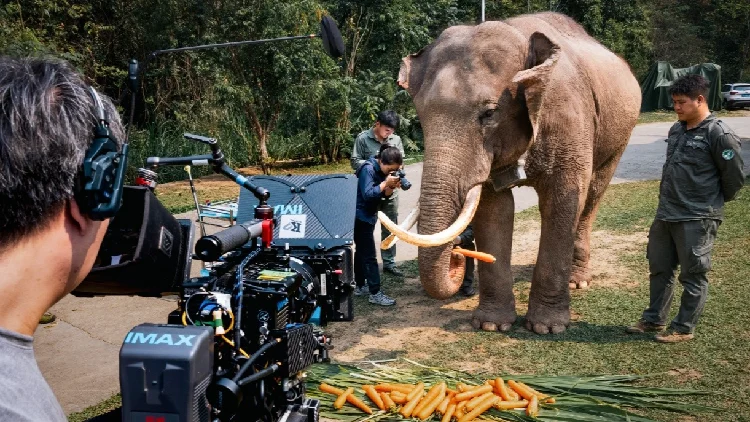
The filmmakers spent years immersed in the tropical rainforests of Yunnan, utilizing custom IMAX equipment to capture the elephants in their natural habitat. This dedication to authentic imagery allows the audience to witness the elephants’ lives with unparalleled clarity and detail. The documentary doesn’t shy away from the complexities of human-wildlife coexistence, presenting a balanced view of the challenges and the progress being made. It showcases China’s commitment to protecting its natural heritage and its role in global conservation efforts.
Filmmaking Excellence: Capturing the Giants in IMAX
The decision to film The Elephant Odyssey using custom IMAX equipment was instrumental in its storytelling power. IMAX cameras are known for their ability to capture stunning, large-format images with exceptional clarity and detail, providing an immersive visual experience. This technology allowed the filmmakers to bring the grandeur of the Asian elephants and the beauty of their Yunnan habitat to the screen in a way that standard filmmaking might not achieve. The scale and detail captured by IMAX cameras can evoke a sense of awe and wonder, drawing viewers closer to the subjects.
The cinematography, led by Oscar-winning cinematographer Clair Popkin, plays a crucial role in the film’s success. Popkin’s expertise in capturing natural landscapes and wildlife ensures that the documentary is not only informative but also visually breathtaking. The film’s visual language is designed to convey the majesty of the elephants, the vastness of their environment, and the delicate balance of the ecosystem they inhabit. Every frame is crafted to enhance the emotional impact of the story, from the intimate moments of elephant family life to the sweeping vistas of the Yunnan landscape.
The collaborative nature of the production, involving teams from China, Singapore, and the United States, brought together diverse perspectives and technical skills. This international cooperation is reflected in the film’s global appeal and its ability to resonate with audiences worldwide. Directed by Chinese-American filmmaker Alice Gu Yujin, the documentary bridges cultural divides, offering an authentic portrayal of China’s conservation efforts while adhering to international filmmaking standards. This blend of cultural insight and technical prowess results in a documentary that is both informative and artistically compelling.
Conservation in Action: China’s Commitment to Biodiversity
The Elephant Odyssey serves as a powerful testament to China’s growing commitment to biodiversity conservation. The film meticulously documents the extensive efforts undertaken by the Chinese government and various organizations to protect the Asian elephant population in Yunnan. These efforts include habitat restoration, anti-poaching initiatives, and the development of strategies to mitigate human-elephant conflict. The documentary showcases the scientific expertise and innovative solutions being employed to ensure the survival of this endangered species.
One of the key aspects highlighted in the film is the creation of ecological corridors and protected areas designed to provide safe passage and habitats for the elephants. These initiatives are crucial for allowing elephant populations to roam freely and maintain their natural migratory patterns without undue interference from human development. The film illustrates how these conservation strategies are not only benefiting elephants but also contributing to the preservation of the entire ecosystem, supporting a wide array of plant and animal species.
The documentary also emphasizes the importance of community involvement in conservation efforts. It shows how local communities are being educated and empowered to coexist with wildlife, transforming potential conflicts into opportunities for collaboration. By fostering a sense of shared responsibility, these programs aim to create sustainable conservation models that benefit both people and wildlife. The film’s portrayal of these on-the-ground efforts provides a realistic and inspiring look at the practical application of conservation science and policy.
The Global Significance: Telling China’s Story Through Nature
The Elephant Odyssey transcends its focus on Asian elephants to tell a broader story about China’s ecological achievements and its vision for a shared future for all life on Earth. The film’s international co-production and global release strategy underscore China’s desire to share its conservation experiences and learn from others. By showcasing authentic imagery and emotional resonance, the documentary aims to foster mutual understanding and exchange between China and the rest of the world.
The film’s message about biodiversity conservation and harmonious coexistence between humans and nature carries global relevance. As many species face threats from climate change and habitat loss, the lessons learned from China’s conservation initiatives can offer valuable insights to other nations. The documentary presents a narrative of progress and hope, demonstrating that dedicated efforts can lead to positive outcomes for wildlife and ecosystems. It positions China not just as a participant but as a leader in the global conservation movement.
The premiere of The Elephant Odyssey in Beijing, attended by officials, media representatives, and academics, signals the film’s importance as a platform for dialogue. It provides an opportunity for stakeholders to discuss conservation strategies, share best practices, and strengthen international cooperation. The film’s ability to connect with audiences on an emotional level, through the compelling stories of the elephants, makes it a powerful tool for advocacy and education, encouraging a greater appreciation for the natural world and the urgent need to protect it.
Challenges and Opportunities in Human-Elephant Coexistence
The migration of the elephant herd in Yunnan brought to the forefront the complex challenges of human-elephant coexistence. As the elephants moved through agricultural areas and near human settlements, instances of crop damage and potential danger to both humans and animals occurred. The Elephant Odyssey captures these moments, offering a realistic portrayal of the difficulties involved in managing wildlife in increasingly human-dominated landscapes. The film does not shy away from the tensions that can arise but instead focuses on the solutions being developed.
Conservationists and local authorities worked tirelessly to monitor the herd, guide them away from populated areas, and compensate farmers for any crop losses. These efforts involved a combination of traditional knowledge, advanced tracking technology, and community engagement. The documentary highlights the dedication of the people on the ground who are working to minimize conflict and ensure the safety of both elephants and humans. This proactive approach is essential for building trust and fostering a cooperative environment.
The film also explores the long-term strategies being implemented to address the root causes of human-elephant conflict. This includes habitat protection and restoration, which aim to provide elephants with sufficient natural resources, thereby reducing their need to venture into human-inhabited areas. Furthermore, the development of early warning systems and the promotion of elephant-friendly farming practices are contributing to a more sustainable coexistence. The Elephant Odyssey showcases these multifaceted approaches, demonstrating that effective conservation requires a holistic and adaptive strategy.
The Role of Rescued Elephants: A Bao’s Journey
A significant and emotionally resonant part of The Elephant Odyssey is the story of A Bao, a rescued elephant who is released back into the wild. The film details the process of A Bao’s rehabilitation, highlighting the care and expertise required to prepare an animal for a return to its natural environment. This narrative thread underscores the importance of rescue and rehabilitation programs in conserving endangered species, especially those that have been injured or orphaned due to human activities.
The release of A Bao is depicted as a moment of triumph, symbolizing the success of conservation efforts and the resilience of wildlife. The documentary follows A Bao as she navigates her new life in the wild, showcasing her ability to adapt and reintegrate into a wild herd. This aspect of the film provides a hopeful perspective, demonstrating that even animals that have had significant human interaction can return to a natural existence with proper care and support. It emphasizes the goal of conservation: to allow wild animals to live wild lives.
The story of A Bao also serves to educate the public about the threats faced by elephants, such as habitat loss and poaching, which often lead to animals being rescued in the first place. By sharing her journey, the film aims to foster empathy and a deeper understanding of the challenges these animals face. It highlights the dedication of the individuals and organizations working to give these animals a second chance at a wild life, reinforcing the idea that every individual animal matters in the broader conservation picture.
International Collaboration and Cultural Exchange
The production of The Elephant Odyssey is a prime example of successful international collaboration in filmmaking and conservation. The involvement of teams from China, Singapore, and the United States brought together a wealth of talent, resources, and perspectives. This cross-cultural partnership not only enriched the filmmaking process but also ensured that the documentary would have broad international appeal and impact. It demonstrates how shared goals can unite people from different backgrounds.
The film’s director, Alice Gu Yujin, a Chinese-American filmmaker, played a key role in bridging cultural understanding and translating the nuances of China’s conservation story for a global audience. Her vision, combined with the technical expertise of the international crew, resulted in a documentary that is both authentic and universally relatable. The film’s ability to tell China’s story through the lens of its natural heritage is a testament to the power of cross-cultural storytelling.
The Elephant Odyssey is more than just a nature documentary; it is a vehicle for cultural exchange and mutual learning. By showcasing China’s ecological achievements and its commitment to biodiversity, the film contributes to a more nuanced understanding of the country on the global stage. It offers a positive narrative that highlights cooperation, innovation, and a shared commitment to environmental stewardship. This collaborative approach is vital for tackling complex global challenges like wildlife conservation.
The Future of Asian Elephants and Conservation Narratives
The Elephant Odyssey offers a hopeful glimpse into the future of Asian elephants and the evolving landscape of conservation storytelling. The film highlights the progress made in protecting these magnificent creatures and their habitats, showcasing a path forward that emphasizes coexistence and sustainable development. The success of initiatives like the migration monitoring and the rehabilitation of elephants like A Bao demonstrates that dedicated efforts can yield significant positive results.
The documentary’s use of IMAX technology and its global distribution strategy underscore the growing importance of engaging storytelling in conservation advocacy. By making these stories accessible and compelling to a wide audience, films like The Elephant Odyssey can inspire greater public support for conservation efforts and encourage policy changes. The emotional connection viewers form with the elephants and the people dedicated to their protection can be a powerful motivator for action.
As conservation challenges continue to evolve, so too must the narratives we use to communicate them. The Elephant Odyssey exemplifies a modern approach to conservation storytelling, one that is scientifically grounded, visually stunning, and emotionally resonant. It shows that by sharing authentic stories and highlighting collaborative solutions, we can foster a greater sense of global responsibility for the natural world and work towards a future where both humans and wildlife can thrive. The film’s success suggests a growing appetite for such narratives, paving the way for more impactful conservation communication in the future.
Conclusion
The Elephant Odyssey stands as a remarkable achievement in documentary filmmaking, offering an intimate and awe-inspiring look at the lives of Asian elephants in Yunnan. Through its stunning IMAX cinematography and compelling narrative, the film not only captures the drama of an epic migration but also delves into the critical work of conservation, rewilding, and human-wildlife coexistence. It showcases China’s dedication to protecting its natural heritage and its role in global biodiversity efforts.
The documentary’s international collaboration and its focus on telling China’s story through its natural wonders highlight the power of shared narratives in fostering understanding and cooperation. By bringing the stories of these magnificent creatures and the dedicated people who protect them to a global audience, The Elephant Odyssey inspires hope and underscores the urgent need for continued conservation action. It is a powerful reminder of our interconnectedness with the natural world and our collective responsibility to preserve it for generations to come.

Conversation
0 Comments