

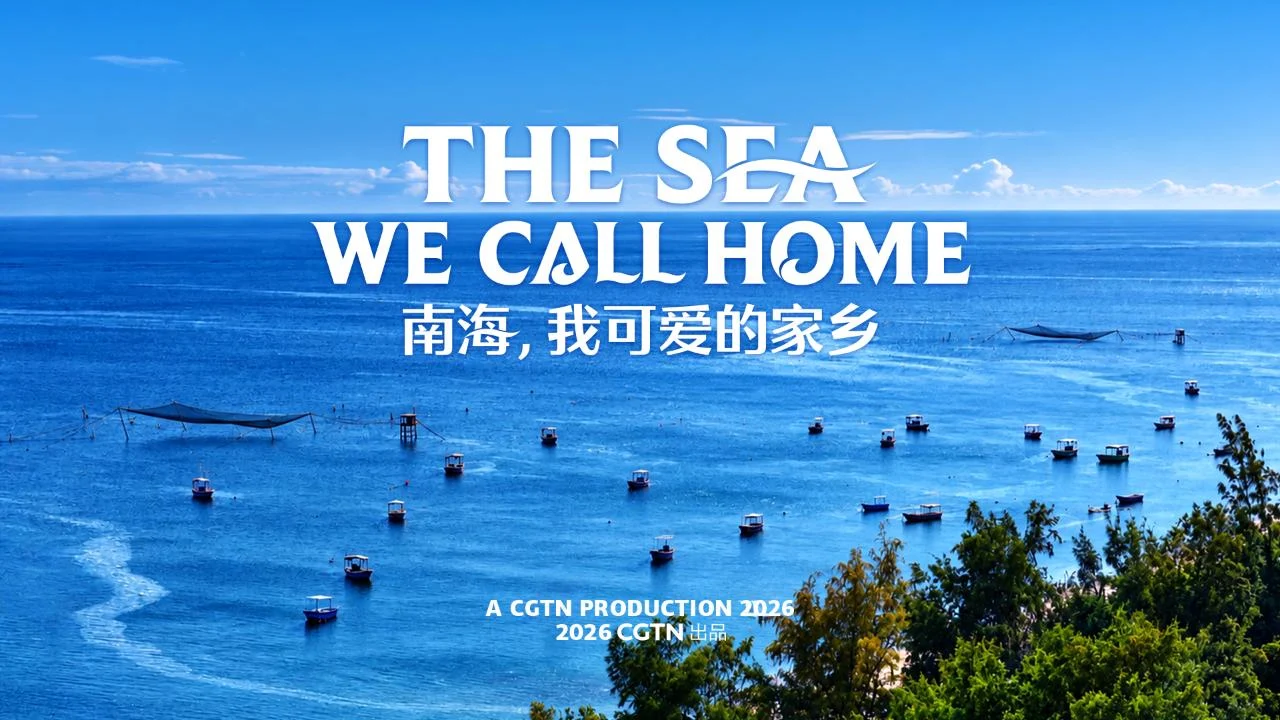
The sea has always been a source of life, sustenance, and connection for humanity. For generations, coastal communities have built their lives around its rhythms, relying on its bounty for food and its vastness for trade and travel. The ocean shapes cultures, traditions, and even the very identity of the people who live by its shores. This deep, enduring relationship between humans and the sea is the focus of “The Sea We Call Home,” a compelling documentary that explores the diverse ways people interact with and depend on the ocean.
The documentary, which premiered on November 11th, offers a glimpse into the lives of individuals and communities whose existence is intertwined with the sea. It highlights the varied reasons people are drawn to the ocean, whether for the immediate need of fresh water, the ancient knowledge of sea routes, or the familiar comfort of local reefs. It also captures the poignant moments of fishermen heading out to sea, with their families anxiously awaiting their safe return. Through these personal stories, “The Sea We Call Home” illustrates how the sea has been a fundamental force in shaping human lives, work, and the fundamental concept of home for countless generations. This analysis will delve into the various facets of this human-sea connection as depicted in the documentary, examining the practical, cultural, and emotional dimensions of our relationship with the ocean.
The Ocean as a Source of Sustenance and Livelihood
For many communities around the world, the ocean is not just a body of water; it is a primary source of food and a foundation for their economy. The documentary “The Sea We Call Home” likely showcases individuals whose livelihoods are directly tied to the sea’s resources. This includes fishermen who brave the waves to bring in daily catches, ensuring food security for their families and communities. Their work is often demanding and dangerous, requiring deep knowledge of the sea, its currents, weather patterns, and the habits of marine life.
Beyond fishing, other sea-dependent industries contribute to local economies. Coastal communities might engage in aquaculture, cultivating fish, shellfish, or seaweed. Others might be involved in marine tourism, offering boat tours, diving excursions, or operating seaside accommodations. The health of these industries is directly linked to the health of the marine environment. Overfishing, pollution, and climate change can have devastating impacts, threatening not only the natural resources but also the economic stability of these communities.
The documentary’s narrative likely emphasizes the generational aspect of these livelihoods. Skills and knowledge are passed down from parents to children, creating a deep-seated connection to the sea that goes beyond mere employment. This transmission of expertise ensures the continuation of traditions and maintains a unique cultural heritage. The stories within “The Sea We Call Home” probably highlight the resilience and adaptability of these individuals as they navigate the challenges of a changing ocean, striving to maintain their way of life for future generations. The documentary serves as a reminder of the vital role the ocean plays in supporting human populations and the importance of sustainable practices to ensure its continued productivity.
Navigating the Seas: Exploration and Tradition
The sea has historically been a highway for exploration, trade, and cultural exchange. “The Sea We Call Home” likely touches upon this aspect by featuring individuals who use the sea for travel and discovery, perhaps referencing ancient routes or modern navigation techniques. For centuries, mariners have relied on celestial bodies, currents, and landmarks to chart their courses across vast oceans, connecting distant lands and peoples. This tradition of seafaring has not only facilitated the spread of goods and ideas but has also fostered a unique understanding of the world and humanity’s place within it.
The documentary might explore how traditional knowledge of the sea is preserved and passed down. This could include the use of specific types of boats, navigation methods that don’t rely solely on modern technology, or an intimate understanding of marine ecosystems that has been accumulated over generations. These traditional practices often reflect a deep respect for the ocean and a harmonious relationship with its forces. They represent a form of cultural heritage that is intrinsically linked to the maritime environment.
Furthermore, the concept of “home” can extend beyond land to the sea itself for those who spend significant portions of their lives aboard vessels. Sailors, fishermen, and explorers might develop a profound sense of belonging and identity tied to their maritime experiences. The vastness of the ocean, its ever-changing moods, and the camaraderie forged among those who navigate its waters can create a unique sense of community and purpose. “The Sea We Call Home” likely uses these narratives to illustrate the multifaceted relationship humans have with the sea, encompassing not just sustenance but also adventure, tradition, and a deep-seated sense of belonging.
The Intimate Connection: Reefs, Waters, and the Sense of Place
The documentary “The Sea We Call Home” likely delves into the more personal and intimate connections people have with the ocean, extending beyond economic or exploratory purposes. For many, the sea is a place of solace, recreation, and a deep sense of belonging. Coastal landscapes, with their familiar reefs, beaches, and shorelines, often form the backdrop of cherished memories and personal histories. These places become imbued with meaning, representing a connection to one’s roots and a sense of identity.
The documentary might feature individuals who have a profound connection to specific marine environments, such as coral reefs. These underwater ecosystems are not only vital for biodiversity but can also hold significant cultural and personal importance for local communities. Divers might explore these reefs for recreation, scientific research, or simply to appreciate their beauty and complexity. The familiarity with these underwater landscapes can foster a deep sense of stewardship and a desire to protect them.
The concept of “fresh water” mentioned in the trailer also points to a fundamental human need that is often met by coastal environments. Access to clean water is essential for survival, and coastal communities may have unique ways of managing and utilizing this resource. This could involve understanding tidal patterns, managing freshwater springs near the coast, or even desalination technologies. The documentary likely uses these examples to illustrate the practical and essential ways the sea supports human life, reinforcing the idea that the ocean is not just a distant entity but a vital component of our immediate environment.
Moreover, the phrase “familiar reefs” suggests a deep, almost familial, relationship with specific marine locations. This familiarity breeds a sense of comfort, belonging, and understanding. It’s the difference between visiting a new place and returning to a cherished home. This intimate connection to the marine environment is a powerful theme that “The Sea We Call Home” likely explores, showcasing how the sea shapes not just livelihoods but also personal well-being and a fundamental sense of place.
Waiting for Home: The Emotional Landscape of Maritime Life
The emotional dimension of living by or working on the sea is a powerful theme that “The Sea We Call Home” likely explores. The trailer specifically mentions the poignant image of fishermen heading out to sea while their families wait for their return. This highlights the inherent risks associated with maritime life and the emotional toll it takes on those left behind. The sea, while a source of livelihood and connection, can also represent separation, anxiety, and the constant hope for safety.
Families of fishermen, sailors, and other maritime workers often live with a degree of uncertainty. The weather can change rapidly, and the vastness of the ocean can make communication and rescue challenging. This waiting period can be filled with a mix of emotions: pride in the work of their loved ones, anxiety about their safety, and a deep longing for their return. The sea, in this context, becomes a symbol of both provision and peril.
The documentary likely uses these personal stories to illustrate the resilience and strength of maritime families. They develop coping mechanisms, support networks, and a profound understanding of the sea’s unpredictable nature. The return of a vessel or a loved one is often a moment of immense relief and celebration, reinforcing the strong bonds that tie these communities together. The sea, therefore, is not just a physical space but also an emotional landscape, shaping the hopes, fears, and enduring spirit of those connected to it.
The phrase “their families wait for them to return” evokes a sense of shared experience and collective anticipation. It speaks to the deep emotional investment that these families have in the maritime world. This waiting is a testament to the love and commitment that underpins these often challenging lives. “The Sea We Call Home” likely uses these narratives to underscore the human element of maritime industries, reminding viewers that behind every journey on the water, there are loved ones on shore, hoping for a safe homecoming.
The Sea as a Shaping Force: Culture, Identity, and Belonging
The sea’s influence extends far beyond the immediate needs of sustenance or travel; it profoundly shapes the culture, identity, and sense of belonging for coastal populations. “The Sea We Call Home” likely illustrates how generations of living by the ocean have woven the sea into the very fabric of these communities. This influence can be seen in their traditions, their art, their stories, and their collective understanding of the world.
Coastal cultures often develop unique customs and rituals related to the sea. These might include festivals celebrating the harvest of the sea, ceremonies to ensure safe voyages, or storytelling traditions that recount tales of the ocean’s power and mystery. The sea’s presence can also be reflected in their art forms, with motifs of waves, marine life, and sailing ships frequently appearing in carvings, paintings, and textiles. This artistic expression serves as a visual testament to the sea’s enduring importance.
The concept of “home” itself can be redefined by the sea. For those who live by its shores, the ocean is an ever-present neighbor, a source of wonder, and a constant reminder of the world beyond their immediate surroundings. The rhythm of the tides, the sound of the waves, and the salty air become integral parts of their daily lives, contributing to a unique sense of place. This deep connection can foster a strong sense of identity, where being “from the coast” is a defining characteristic.
“The Sea We Call Home” likely uses these cultural and identity markers to demonstrate the profound and multifaceted relationship between humans and the ocean. It’s a relationship built on respect, reliance, and a deep emotional connection. The sea is not just a resource to be exploited but a living entity that has shaped human history, culture, and the very essence of what it means to belong to a place. The documentary’s title itself, “The Sea We Call Home,” encapsulates this idea, suggesting that for many, the ocean is not just a backdrop to life but an integral part of their home and identity.
The Future of Our Oceans: Challenges and Hope
As “The Sea We Call Home” explores the enduring relationship between humanity and the ocean, it also implicitly or explicitly addresses the challenges facing marine environments today. Issues such as climate change, pollution, and overfishing pose significant threats to the health of our oceans and the communities that depend on them. The documentary likely touches upon these concerns, highlighting the need for greater awareness and action to protect these vital ecosystems.
Climate change, with its rising sea levels and warming waters, directly impacts coastal communities and marine life. Changes in ocean temperature can disrupt marine ecosystems, leading to coral bleaching, shifts in fish populations, and increased frequency of extreme weather events. Pollution, from plastic waste to chemical runoff, further degrades marine habitats and harms sea creatures. Overfishing, driven by increasing global demand, depletes fish stocks and threatens the delicate balance of marine food webs.
Despite these challenges, “The Sea We Call Home” likely offers a message of hope. By showcasing the resilience of coastal communities and their deep connection to the sea, the documentary can inspire a sense of responsibility and a commitment to conservation. The stories featured may highlight innovative approaches to sustainable fishing, marine conservation efforts, or community-led initiatives to reduce pollution. These examples demonstrate that positive change is possible when people are motivated by a genuine love and respect for the ocean.
The documentary serves as a powerful reminder that the future of our oceans is intrinsically linked to our own future. By understanding and appreciating the multifaceted relationship between humanity and the sea, we can be better equipped to address the challenges ahead and work towards a sustainable future where both people and marine life can thrive. The call to action, though perhaps subtle, is clear: to recognize the sea not just as a resource, but as a home that requires our care and protection.
The Documentary’s Impact and Call to Action
“The Sea We Call Home” aims to do more than just document the lives of people connected to the ocean; it seeks to foster a deeper understanding and appreciation for our planet’s marine environments. By presenting a diverse range of human experiences, the documentary highlights the vital role the sea plays in our lives, from providing sustenance and livelihoods to shaping cultures and identities. The stories shared are not just about the ocean itself, but about the human spirit, resilience, and the enduring quest for home.
The documentary’s strength lies in its ability to connect viewers emotionally to the subjects. Through personal narratives and vivid imagery, it brings the challenges and joys of maritime life to the forefront. This emotional engagement is crucial for inspiring action. When viewers see the direct impact of environmental changes on communities they have come to care about, they are more likely to be motivated to make a difference.
The implicit call to action within “The Sea We Call Home” is for greater stewardship of our oceans. This can manifest in various ways, from individual choices to support sustainable seafood and reduce plastic consumption, to broader societal efforts in advocating for stronger environmental policies and supporting marine conservation organizations. The documentary encourages viewers to recognize their own connection to the sea, even if they live far from the coast, as the health of the oceans affects us all.
Ultimately, “The Sea We Call Home” is a testament to the profound and complex relationship between humanity and the ocean. It reminds us that the sea is not merely a vast expanse of water but a living, breathing entity that sustains life and inspires awe. By sharing these stories, the documentary hopes to foster a sense of shared responsibility and inspire a collective effort to protect this precious resource for generations to come. The application link for the organization behind this documentary can be found here: CGTN.
Conclusion
“The Sea We Call Home” offers a profound exploration of the multifaceted relationship between humanity and the ocean. It moves beyond a simple depiction of maritime activities to reveal how the sea shapes lives, cultures, and identities across generations. From providing essential sustenance and economic opportunities to serving as a conduit for exploration and tradition, the ocean’s influence is undeniable. The documentary poignantly captures the emotional landscape of maritime life, highlighting the anxieties and hopes of families who depend on the sea’s bounty while also facing its inherent risks.
The film underscores that for many, the sea is not just a resource but an integral part of their home and their sense of belonging. It showcases the deep, personal connections individuals forge with specific marine environments, fostering a sense of stewardship and respect. As the documentary unfolds, it also subtly addresses the pressing environmental challenges confronting our oceans today, from climate change to pollution. Yet, amidst these concerns, “The Sea We Call Home” ultimately delivers a message of hope, emphasizing the resilience of coastal communities and the power of collective action. By fostering a deeper appreciation for our planet’s marine ecosystems, the documentary serves as a vital reminder of our shared responsibility to protect the sea for the well-being of both humanity and the natural world.



Conversation
0 Comments