

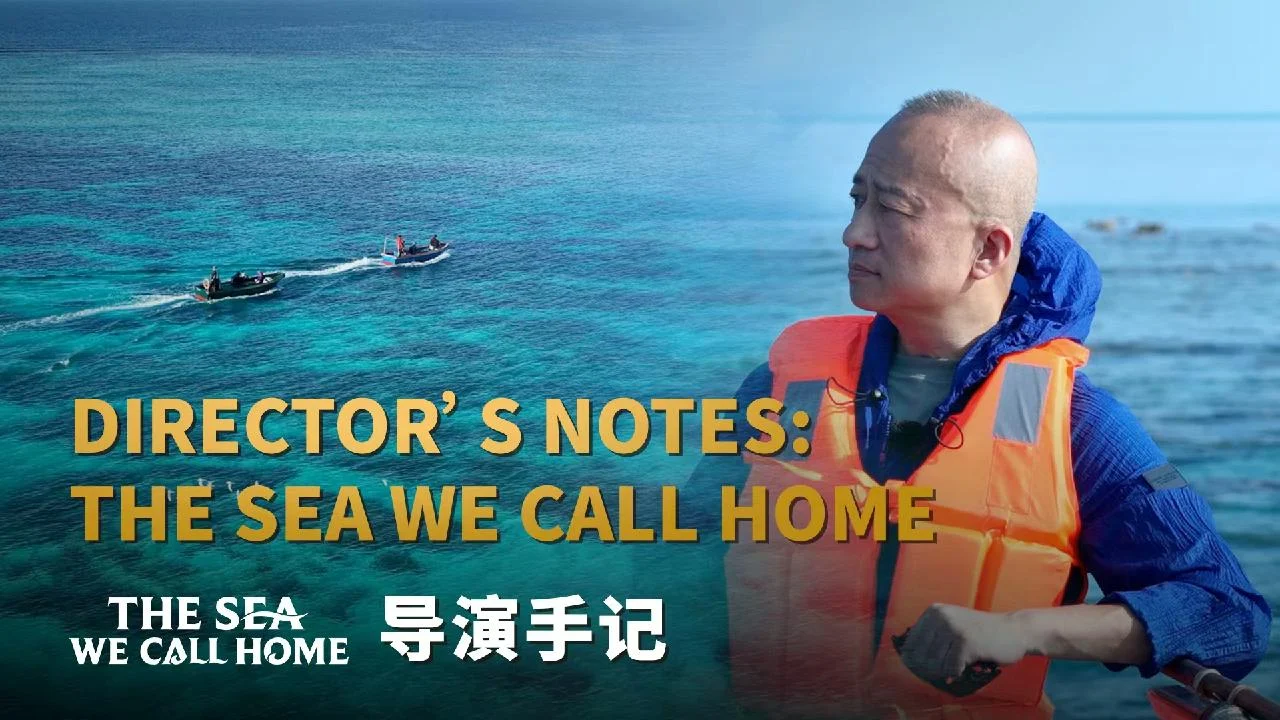
The South China Sea is a region often discussed through the lens of history, geopolitics, and territorial disputes. However, a documentary titled “The Sea We Call Home” offers a different perspective. It shifts the focus from international relations to the lives of the people who have called this sea home for generations. The film explores a fundamental question: what truly makes a place feel like home? This analysis will delve into the structure and narrative of “The Sea We Call Home,” examining how it uses personal stories to explore the broader themes of belonging, livelihood, and adaptation in a changing world.
Finding the People Who Carry the Story
The initial and perhaps greatest challenge in creating “The Sea We Call Home” was identifying the individuals whose lives and experiences would best tell the story. The filmmakers deliberately avoided asking people to support a pre-determined argument. Instead, they began by immersing themselves in the lives of those living by the sea. This approach led them to a diverse group of people, each with a unique connection to the South China Sea.
They found individuals like a man who has made a small island his entire world, demonstrating a profound connection to a single, isolated location. The film also features fishermen who continue to navigate ancestral routes, relying on knowledge passed down through generations to traverse vast distances. Divers who possess an intimate understanding of the reefs and marine life beneath the surface offer a glimpse into a world hidden from view. The documentary also highlights families who are adapting to significant changes, as traditional fishing grounds shift and their ways of life are challenged. Finally, the stories include those who remain on shore, their lives marked by the waiting and hoping for the safe return of loved ones at sea.
Once these individuals were found, the filmmakers’ task was not to prompt them to discuss the geopolitical complexities of the South China Sea. Instead, their goal was to create an environment where these individuals could share their own understanding and experiences of the sea they know intimately. This method ensures authenticity, allowing the narrative to emerge organically from the lived realities of the subjects.
Five Stories, One Idea of Home
The documentary is structured around five distinct, yet interconnected, stories. Each narrative possesses the strength to stand alone, but together, they build a more profound and layered understanding of what “home” means in this context. The journey of these stories is one of gradual revelation, moving from the immediate to the expansive.
The first story often focuses on the fundamental elements that enable life and permanence. For instance, the availability of fresh water is presented as a critical factor that allows individuals to establish and maintain a home on an island. This highlights the basic, often overlooked, necessities that form the foundation of any dwelling, whether it’s a solitary island or a bustling coastal town.
The narrative then expands to explore the concept of venturing out. Old navigation routes, preserved in books or passed down orally, become crucial for fishermen who must travel far across the sea to find their catch. This introduces the idea that home is not just a place of origin but also a point of departure and return, connected by established paths of travel and commerce.
The journey continues beneath the surface with the divers. These individuals offer a unique perspective, descending into the underwater world of reefs they have known for years. Their connection to the sea is physical and immediate, revealing a different dimension of their relationship with their environment. This segment emphasizes the deep, often unseen, connections people have with the natural world that sustains them.
As environmental and economic conditions change, the stories reflect adaptation and the need to go farther. Some fishermen must travel greater distances or find new ways to make a living, showcasing resilience in the face of evolving challenges. This aspect of the narrative addresses the dynamic nature of livelihoods tied to the sea and the human capacity to adjust to changing circumstances.
Finally, the film brings the focus back to the shore, specifically to the fishing town of Tanmen. Here, the stories center on those who remain behind. Their lives are defined by watching the weather, waiting for boats to return, and hoping for the safe arrival of family members. This poignant part of the film underscores the emotional anchors of home: the waiting, the longing, and the enduring bonds of family.
Collectively, these five stories trace a simple yet powerful journey: staying, setting out, diving beneath the surface, going farther, and ultimately, coming home. Along this path, the meaning of “home” itself undergoes a transformation. It evolves from a physical island or a stretch of sea to encompass a livelihood, a cherished memory, a family connection, and the profound sense of belonging associated with a place to return to.
Facing Reality Without Letting It Take Over
“The Sea We Call Home” does not shy away from the complex realities that surround the South China Sea. The documentary acknowledges the presence of historical context, geographical features, and contemporary issues that shape the region. However, the filmmakers’ approach is to integrate these realities into the personal narratives rather than allowing them to dominate the human stories.
Elements such as Huangyan Dao, ancient navigation books, changing fishing grounds, and current disputes are present within the film. Yet, the intention was not to let these issues overshadow the daily lives and personal experiences of the individuals featured. Instead, disputes are presented as context that influences lived experiences, rather than the central focus. For example, if a territorial dispute affects fishing rights or access to certain areas, this impact is shown through the choices and challenges faced by the fishermen.
Similarly, environmental and economic changes are depicted through the practical decisions and adaptations made by the people themselves. The film illustrates how changing fish populations or market demands lead individuals to alter their methods, travel farther, or seek alternative income sources. This grounded approach shows how broader issues translate into tangible effects on personal lives.
The documentary recognizes that some challenges can be overcome through adaptation and resilience, while others may remain unresolved. This reflects a mature understanding of life, acknowledging that a home does not require perfection to be meaningful. It can, and often does, contain elements of uncertainty, hardship, change, and even loss. In this regard, the film suggests that the lives of the fishermen and coastal communities in the South China Sea share universal human experiences with those in coastal communities around the globe. The struggles and triumphs, the adaptations and the enduring connections, are part of a shared human story.
The Power of Restraint
A guiding principle that emerged during the filmmaking process for “The Sea We Call Home” was restraint. This philosophy shaped how the stories were told and how the audience was invited to engage with the material. The aim was to let the subjects and the visuals speak for themselves, avoiding unnecessary commentary or explanation.
If an individual could effectively convey a story through their own words and experiences, the filmmakers allowed them to speak. This principle of letting the person tell their own story ensures authenticity and allows the audience to connect directly with the subject’s perspective. The power of personal testimony is often more impactful than an external narration attempting to interpret it.
Similarly, if an image could carry the intended meaning, the filmmakers resisted the urge to explain it further. Visual storytelling is a potent tool, and allowing viewers to interpret images based on the context provided by the narrative fosters a deeper and more personal engagement with the film. This approach respects the audience’s intelligence and their ability to draw conclusions.
When historical context was deemed necessary to understand a particular aspect of the story, it was provided. However, this was done judiciously, offering only as much background as the narrative required. The goal was to support the personal stories, not to create a history lesson that might detract from the human element. This careful integration ensures that historical information serves the narrative’s emotional and thematic core.
Perhaps most importantly, when faced with situations that lacked simple answers or clear resolutions, the film resisted the temptation to provide one. This commitment to authenticity means acknowledging complexity and ambiguity. Instead of offering easy solutions, the documentary allows the audience to grapple with the uncertainties alongside the subjects. This approach reflects a mature and honest portrayal of life, where not all questions have straightforward answers.
Ultimately, “The Sea We Call Home” is a film about the sea, but its deeper resonance lies in its exploration of more universal themes. It examines why people leave their homes, why they choose to return, and what intangible qualities transform a place into a true home. Through its deliberate and restrained approach, the documentary invites viewers to reflect on these fundamental aspects of the human experience.
The Enduring Connection to the Sea
The South China Sea, as depicted in “The Sea We Call Home,” is more than just a body of water; it is a living entity that shapes the lives, identities, and futures of the people who depend on it. The documentary masterfully illustrates the multifaceted relationship between humanity and the marine environment, showcasing how this connection forms the bedrock of their existence. This enduring bond is woven through every aspect of their lives, from their livelihoods to their cultural heritage and their very sense of self.
The economic reliance on the sea is perhaps the most evident theme. For generations, fishing has been the primary source of income and sustenance for many coastal communities. The film portrays the daily routines of fishermen, highlighting the skill, knowledge, and sheer hard work involved in navigating the waters, understanding the currents, and locating the fish. This economic dependency creates a direct and powerful link between the health of the marine ecosystem and the well-being of the communities. When fish stocks are abundant, life is more stable; when they decline, the impact is felt immediately and profoundly.
Beyond economics, the sea is deeply ingrained in the cultural fabric of these communities. Traditional navigation techniques, passed down through families, speak to a rich history of exploration and connection. The stories of ancestral routes underscore a sense of continuity and belonging, linking present generations to those who came before. These traditions are not merely practical methods of travel; they are repositories of cultural memory and identity. The sea is a source of folklore, songs, and rituals that celebrate its power and bounty, further cementing its importance in their collective consciousness.
The film also explores the profound personal connection individuals develop with the sea. For some, like the man who made a small island his home, the sea represents solitude, peace, and a complete immersion in nature. For others, like the divers, it is a world of wonder and discovery, a place of intimate knowledge and respect. This personal relationship is not always one of ease; it also involves confronting the sea’s power, its unpredictability, and the inherent risks associated with living and working on or near it. Yet, it is this very complexity that deepens the bond, fostering a sense of awe and resilience.
Furthermore, the concept of “home” in “The Sea We Call Home” is inextricably tied to the sea. It is not just the land they live on but the waters they traverse, the resources they harvest, and the horizon that signifies both departure and return. The sea is a provider, a challenge, and a constant presence that defines their world. The film suggests that this deep connection fosters a unique perspective on life, one that is attuned to the rhythms of nature, the importance of community, and the enduring strength required to adapt to change. The sea is not just a backdrop; it is an active participant in their lives, shaping their past, present, and future.
Adaptation and Resilience in the Face of Change
The communities featured in “The Sea We Call Home” are not static; they are dynamic entities constantly adapting to a changing world. The documentary effectively captures the resilience of these individuals as they navigate environmental shifts, economic pressures, and evolving societal landscapes. This capacity for adaptation is a testament to their deep connection to their home and their determination to preserve their way of life, even as it transforms.
One of the most significant drivers of change is the alteration of fishing grounds. As fish populations shift due to environmental factors or overfishing, fishermen are compelled to venture farther or explore new techniques. The film shows how this necessitates a greater reliance on advanced navigation, updated knowledge of marine biology, and sometimes, a willingness to embrace new technologies. This adaptation is not merely about finding more fish; it’s about ensuring the long-term viability of their livelihoods and their ability to provide for their families.
Economic pressures also play a crucial role. Fluctuations in market prices, increased competition, and the rising costs of fuel and equipment all require careful management and strategic decision-making. The documentary might depict families diversifying their income streams, perhaps through aquaculture, tourism, or other related businesses, to supplement their fishing earnings. This economic adaptability is essential for maintaining stability in an often unpredictable industry.
The film also touches upon the impact of broader societal and environmental changes. Climate change, with its potential to alter weather patterns and sea levels, presents long-term challenges that these communities must consider. The documentary might subtly illustrate how people are preparing for or responding to these larger shifts, perhaps by reinforcing coastal structures or adopting more sustainable fishing practices. This forward-looking perspective highlights their commitment not just to their present but also to the future of their home.
The resilience demonstrated by the people in “The Sea We Call Home” is not just about overcoming obstacles; it’s about maintaining a sense of identity and continuity amidst change. They draw strength from their traditions, their community bonds, and their profound connection to the sea. By adapting their methods, embracing new knowledge, and supporting one another, they ensure that their home, though evolving, remains a place of belonging and purpose. This narrative of adaptation underscores a universal human truth: that the ability to change and persevere is fundamental to survival and to the enduring spirit of community.
The Meaning of Home: An Evolving Concept
“The Sea We Call Home” masterfully illustrates that the concept of “home” is not fixed but rather a fluid and evolving idea, deeply shaped by personal experience, environmental context, and the passage of time. The documentary moves beyond a simple definition of home as a physical dwelling, revealing it as a complex tapestry of belonging, livelihood, memory, and connection. The five stories presented offer distinct facets of this evolving understanding, collectively painting a rich portrait of what it means to call a place home.
For the individual who has made a small island their entire world, home is a place of profound isolation and self-sufficiency. It is a physical space where every element, from the availability of fresh water to the surrounding sea, is intimately known and relied upon. This represents a primal connection to a specific location, where existence is pared down to its essential elements, and the boundary between self and environment blurs.
The fishermen who follow ancestral routes expand this definition. Their home is not confined to a single plot of land but extends across the vast expanse of the sea, guided by inherited knowledge and established paths. This suggests that home can be a journey, a network of connections, and a legacy passed down through generations. The sea itself becomes a familiar territory, a place of work and passage that is as much a part of their identity as the shore they return to.
The divers offer yet another perspective, finding home in the hidden depths beneath the surface. Their connection is to a submerged world, a realm of coral reefs and marine life that they understand intimately. This highlights that home can be found in environments that are not immediately apparent or easily accessible, requiring specialized knowledge and a unique relationship with nature. It speaks to a home that is experienced through deep immersion and sensory understanding.
As livelihoods change and people are compelled to travel farther, the concept of home becomes more about adaptation and resourcefulness. Home is no longer just a place of origin but also a place where one can sustain oneself and one’s family, even if that requires venturing into unfamiliar territories. This introduces the idea of home as a dynamic state of being, one that can be recreated and redefined through effort and innovation. It emphasizes the human capacity to find belonging and purpose wherever one can build a life.
Finally, the stories of those waiting in the fishing town of Tanmen bring the focus back to the emotional core of home. For them, home is intertwined with waiting, hoping, and the enduring bonds of family. It is a place of emotional anchors, where the absence of loved ones is keenly felt, and their return is the ultimate affirmation of home. This perspective underscores that home is also about connection, love, and the shared experience of life’s uncertainties and joys.
Together, these narratives demonstrate that “home” is not a static geographical point but a multifaceted concept that encompasses the physical environment, the means of sustenance, the weight of memory, the strength of community, and the enduring power of human connection. “The Sea We Call Home” beautifully articulates this evolving understanding, showing how the sea itself is a fundamental element in the creation and continuation of these deeply personal and communal definitions of home.
The Significance of Place and Identity
The documentary “The Sea We Call Home” profoundly illustrates how a specific place, in this case, the South China Sea and its surrounding coastlines, becomes intrinsically linked to the identity of its inhabitants. The environment is not merely a backdrop to their lives; it actively shapes who they are, how they perceive the world, and their sense of belonging. This deep connection between place and identity is a central theme that resonates throughout the film.
For the people featured, their lives are inextricably tied to the rhythms of the sea. Their daily routines, their economic activities, and their cultural practices are all dictated by the tides, the weather, and the availability of marine resources. This constant interaction with their environment fosters a unique set of skills, knowledge, and values that become integral to their personal and collective identities. A fisherman’s identity is not just about catching fish; it’s about understanding the sea, respecting its power, and navigating its complexities with generations of accumulated wisdom.
The film highlights how this sense of place is passed down through generations. The old navigation routes, the inherited fishing techniques, and the stories told about the sea all serve to transmit a shared heritage. This continuity creates a strong sense of belonging and a deep understanding of one’s place within a larger historical and geographical context. Children grow up learning the ways of the sea, absorbing the values and traditions that have sustained their families for centuries, thereby solidifying their identity as people of the sea.
Moreover, the challenges and changes faced by these communities also contribute to their identity. Their resilience in the face of environmental shifts and economic pressures shapes their character, fostering a spirit of adaptability and perseverance. The way they respond to adversity, the choices they make to sustain their livelihoods, and their commitment to their homes all become defining aspects of their identity. They are not simply passive recipients of their environment; they are active agents who shape and are shaped by it.
The documentary also subtly explores how external perceptions of the South China Sea, often dominated by geopolitical narratives, can differ significantly from the lived reality of its inhabitants. While the outside world may focus on disputes and strategic importance, the people who call it home see it as a source of life, a place of deep personal connection, and the foundation of their identity. This contrast underscores the importance of listening to the voices of those who are most intimately connected to a place.
Ultimately, “The Sea We Call Home” demonstrates that identity is not an abstract concept but is deeply rooted in the places we inhabit and the relationships we form within them. The South China Sea, with all its complexities and beauty, serves as the crucible in which the identities of its people are forged, sustained, and continually redefined. Their stories are a powerful reminder that understanding a place requires understanding the people who call it home.
Conclusion
“The Sea We Call Home” offers a profound and moving exploration of what it means to belong to a place, particularly when that place is the vast and dynamic South China Sea. By shifting the focus from geopolitical narratives to the intimate lives of the people who depend on this body of water, the documentary reveals a rich tapestry of human experience. The film’s structure, built around five interconnected stories, allows for a gradual unfolding of themes, moving from the fundamental necessities of survival to the expansive meanings of home, livelihood, and identity.
The journey depicted is one of staying, venturing out, exploring beneath the waves, adapting to new challenges, and ultimately, returning. Through this narrative arc, the film illustrates that “home” is not a static concept but an evolving one, encompassing physical location, economic sustenance, cherished memories, and deep emotional connections. The documentary’s commitment to restraint and authenticity ensures that the voices of the individuals are central, allowing their lived realities to speak for themselves.
“The Sea We Call Home” powerfully conveys the enduring connection between people and their environment, showcasing how the sea shapes not only their livelihoods but also their cultural heritage and personal identities. It highlights the remarkable resilience and adaptability of these communities as they navigate environmental changes and economic pressures, demonstrating that a home does not need to be perfect to be deeply meaningful. By focusing on these universal human experiences, the film transcends its specific setting, inviting viewers to reflect on their own definitions of home and belonging.



Conversation
0 Comments