

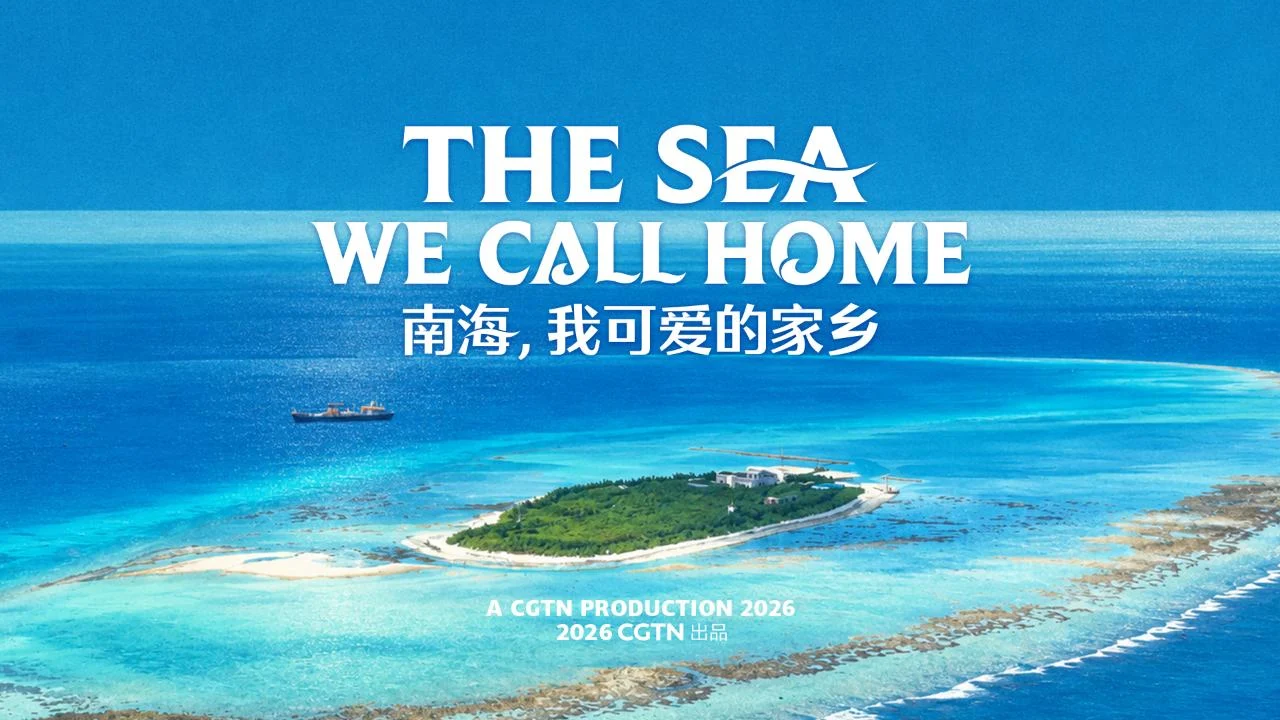
The South China Sea is a vast and vital body of water, playing a critical role in global trade, biodiversity, and the livelihoods of millions. Its complex geopolitical landscape and rich marine ecosystems have long captured international attention. This article will explore the multifaceted nature of the South China Sea, examining its ecological significance, the human stories intertwined with its waters, and the challenges it faces. We will also touch upon the importance of understanding this region through diverse perspectives, highlighting the need for sustainable practices and peaceful coexistence.
The South China Sea: A Cradle of Life and Livelihoods
The South China Sea is more than just a stretch of ocean; it is a vibrant ecosystem teeming with life and a crucial resource for numerous coastal communities. Its waters are home to an astonishing array of marine species, forming one of the world’s most biodiverse marine environments. Coral reefs, often referred to as the “rainforests of the sea,” thrive in its warm, shallow areas, providing habitats for countless fish, invertebrates, and other marine organisms. These reefs are not only vital for the health of the ocean but also support significant fishing industries that have sustained coastal populations for generations.
Fishermen and their families have built their lives around the rhythms of the sea for centuries. Their knowledge of the tides, currents, and fish migration patterns is passed down through generations, a testament to their deep connection with this marine environment. The documentary “The Sea We Call Home” by CGTN offers a glimpse into these lives, showcasing five distinct stories of people living and working on and around the South China Sea. These narratives highlight the daily challenges and triumphs of those who depend on the ocean for their sustenance and cultural identity.
From the arduous task of finding fresh water on remote islands to the skilled navigation of traditional routes, the lives of these communities are intrinsically linked to the sea. They face the constant demands of their work, whether it is diving into the depths to explore new fishing grounds or anxiously waiting for boats to return safely to shore. These are not just stories of survival; they are tales of resilience, adaptation, and a profound sense of belonging to the waters that have shaped their existence.
Biodiversity Hotspot: An Ecological Treasure
The ecological importance of the South China Sea cannot be overstated. It is a critical habitat for a vast number of marine species, including many that are endangered or vulnerable. The region’s rich biodiversity is a result of its geographical location, warm climate, and the complex interplay of ocean currents. This makes it a significant area for scientific research and conservation efforts.
The coral reefs found throughout the South China Sea are particularly noteworthy. These underwater cities are bustling with activity, supporting an estimated 25% of all marine life. They provide essential breeding grounds, nurseries, and feeding areas for a wide variety of fish, contributing to the overall health and productivity of the ocean. The diversity of fish species alone is staggering, with hundreds of different types found in these waters, many of which are commercially important.
Beyond the reefs, the open waters of the South China Sea are migration routes for large marine animals such as whales, dolphins, and sea turtles. These species undertake long journeys, relying on the sea’s resources for food and shelter. The health of these migratory populations is a direct indicator of the overall health of the marine environment. Protecting these species and their habitats is crucial for maintaining the delicate balance of the ecosystem.
The sea also supports a significant population of seabirds, which rely on the abundant fish stocks for their survival. These birds play an important role in the marine food web, and their presence is another indicator of a healthy ocean. The interconnectedness of all these life forms underscores the need for a holistic approach to conservation, recognizing that the well-being of one species is linked to the well-being of many others.
Human Stories: Lives Shaped by the Ocean
The human dimension of the South China Sea is as compelling as its ecological one. For generations, coastal communities have depended on the sea for their livelihoods, culture, and identity. The documentary “The Sea We Call Home” brings these human stories to the forefront, illustrating the deep and often challenging relationship between people and the ocean.
Fishermen, in particular, are central figures in these narratives. Their lives are dictated by the sea’s bounty and its inherent risks. Early mornings, long hours at sea, and the constant uncertainty of the catch are part of their daily reality. The documentary highlights the skills and knowledge required for successful fishing, from understanding weather patterns to expertly navigating treacherous waters.
The challenges faced by these communities are diverse. Finding fresh water on remote islands, a seemingly basic necessity, can be a significant undertaking, requiring ingenuity and resourcefulness. The management of fishing grounds, ensuring sustainable catches for future generations, is another pressing concern. The return of fishing boats is often a moment of anxious anticipation for families, underscoring the inherent dangers of life at sea.
Beyond the practicalities of survival, the sea holds deep cultural and emotional significance for these communities. It is a source of memory, a place of work, and a symbol of belonging. The traditions, folklore, and social structures of these communities are often interwoven with the ocean’s presence. The documentary aims to capture this profound connection, showing how the sea is not just a resource but an integral part of their identity.
Changing Waters, Enduring Spirit
The South China Sea is not static; it is a dynamic environment undergoing significant changes. These changes are impacting both the marine ecosystems and the human communities that depend on them. Understanding these shifts is crucial for developing effective strategies for the future.
One of the most significant challenges facing the region is the impact of climate change. Rising sea temperatures, ocean acidification, and changing weather patterns are altering marine habitats and affecting fish populations. Coral reefs, already under stress from pollution and overfishing, are particularly vulnerable to these changes. The bleaching of corals, a direct consequence of rising temperatures, can lead to the degradation of these vital ecosystems, with cascading effects on the entire marine food web.
Overfishing is another major threat. As demand for seafood increases, many fish stocks in the South China Sea are being depleted at unsustainable rates. This not only threatens the livelihoods of fishermen but also disrupts the delicate balance of the marine ecosystem. The decline of certain fish populations can have a ripple effect, impacting predator species and the overall health of the ocean.
Geopolitical tensions in the region also add another layer of complexity. Disputes over maritime boundaries and resource rights can create uncertainty and hinder collaborative efforts for conservation and sustainable management. Finding peaceful and cooperative solutions to these issues is essential for ensuring the long-term health of the South China Sea and the well-being of its inhabitants.
Despite these challenges, the spirit of the people who call the South China Sea home remains enduring. Their resilience, adaptability, and deep connection to the ocean continue to inspire. The documentary “The Sea We Call Home” serves as a powerful reminder of their strength and their unwavering commitment to the sea that sustains them.
The Importance of Diverse Perspectives
Understanding the South China Sea requires acknowledging the diverse perspectives and experiences of the people who live there and the nations that border it. Each community, each nation, has its own unique relationship with this body of water, shaped by history, culture, and economic interests. A comprehensive understanding necessitates looking beyond a single viewpoint.
The documentary “The Sea We Call Home” focuses on the human element, offering an intimate look at the lives of fishermen and their families. This perspective is invaluable for appreciating the direct impact of the sea on individual lives and communities. It highlights the importance of local knowledge and traditional practices that have been developed over centuries of interaction with the marine environment.
However, the South China Sea is also a subject of significant geopolitical and economic interest. Nations have competing claims and interests in the region, related to resources, trade routes, and national security. These broader perspectives are crucial for understanding the complex dynamics at play and the challenges of achieving regional stability and cooperation.
Engaging with these different viewpoints is not always easy, but it is essential for fostering mutual understanding and finding common ground. It requires listening to the voices of those directly affected by the sea, while also considering the broader regional and global implications. This inclusive approach is vital for developing effective strategies that address the multifaceted challenges facing the South China Sea.
Sustainable Practices for a Healthy Future
The future of the South China Sea and the communities that depend on it hinges on the adoption of sustainable practices. This means balancing the need for economic development with the imperative of environmental protection. It requires a commitment from all stakeholders to ensure the long-term health and productivity of this vital marine ecosystem.
One of the most critical areas for action is sustainable fisheries management. This involves implementing measures such as catch limits, fishing seasons, and gear restrictions to prevent overfishing and allow fish stocks to recover. It also means cracking down on illegal, unreported, and unregulated (IUU) fishing, which undermines conservation efforts and harms legitimate fishing operations.
Protecting marine habitats is equally important. This includes safeguarding coral reefs, seagrass beds, and mangrove forests, which serve as critical nurseries and feeding grounds for marine life. Establishing marine protected areas (MPAs) can provide safe havens for species to reproduce and thrive, with benefits that can extend beyond the protected zones.
Addressing pollution is another key priority. Runoff from land-based sources, including agricultural chemicals and plastic waste, can have devastating impacts on marine ecosystems. Reducing pollution through improved waste management, stricter regulations on industrial discharge, and public awareness campaigns is essential for improving water quality.
Furthermore, fostering regional cooperation is vital. The South China Sea is a shared resource, and its effective management requires collaboration among all the countries that border it. This includes sharing data, coordinating conservation efforts, and working together to address common challenges such as climate change and illegal fishing.
The documentary “The Sea We Call Home” serves as a powerful reminder of what is at stake. By highlighting the lives and livelihoods of those who depend on the sea, it underscores the urgent need for action. A commitment to sustainable practices is not just about protecting the environment; it is about ensuring a secure and prosperous future for the people of the South China Sea.
The Sea We Call Home: A Call to Action
The South China Sea is a region of immense ecological value, rich cultural heritage, and significant geopolitical importance. The stories of the people who live and work on its waters, as depicted in “The Sea We Call Home,” offer a profound connection to this vital ecosystem. Their lives, shaped by the sea’s bounty and its challenges, are a testament to human resilience and the enduring bond between humanity and nature.
The ecological health of the South China Sea is under increasing pressure from climate change, overfishing, and pollution. These threats jeopardize not only the incredible biodiversity of the region but also the livelihoods of millions who depend on its resources. The complex geopolitical landscape further complicates efforts to address these issues, highlighting the need for dialogue, cooperation, and a shared commitment to the sea’s future.
Understanding the South China Sea requires embracing diverse perspectives, from the intimate stories of fishermen to the broader geopolitical considerations. This multifaceted approach is essential for developing effective and equitable solutions. The pursuit of sustainable practices in fisheries management, habitat protection, and pollution control is paramount.
Ultimately, the South China Sea is more than just a body of water; it is a shared home, a source of life, and a repository of cultural heritage. The challenges it faces are significant, but so too is the potential for positive change. By recognizing its importance, respecting its inhabitants, and committing to its preservation, we can work towards a future where the sea continues to provide for generations to come. The stories from “The Sea We Call Home” serve as a poignant reminder of what we stand to lose and a powerful inspiration to act.
The application link for the organization that produced “The Sea We Call Home” can be found on the CGTN website. CGTN, or China Global Television Network, is a Chinese state-funded international news organization. Their documentaries and programs are typically accessible through their official website and affiliated platforms. For direct access to their content, including documentaries like “The Sea We Call Home,” users can navigate to the CGTN website and explore their documentary section or use their search functionality. The organization also often provides links to their content on various social media platforms and video-sharing sites.



Conversation
0 Comments