

Unlock Your Potential: A Deep Dive into the Tshwane North TVET College Learnership 2025
Are you eager to gain practical skills and a recognized qualification in the dynamic world of manufacturing? Tshwane North TVET College (TNC) is offering a compelling opportunity through its Learnership Programme for 2025, focusing on Clothing, Textile, Footwear, and Leather (CTFL) Manufacturing Processes. This 12-month program is designed to bridge the gap between academic learning and real-world industry demands, providing a solid foundation for your career. This article will guide you through everything you need to know about this exciting learnership, from eligibility and application procedures to the benefits of participating.
The Tshwane North TVET College Learnership 2025 is more than just a training course; it’s a pathway to employment and further education. By immersing yourself in practical training, you’ll develop the competencies required by the CTFL sector, making you a valuable asset to potential employers. Whether your aspirations lie in direct employment or pursuing advanced studies in design and manufacturing, this learnership equips you with the essential knowledge and experience.
Key Takeaways

- The Tshwane North TVET College Learnership 2025 offers a 12-month program in Clothing, Textile, Footwear, and Leather (CTFL) Manufacturing Processes, leading to an NQF Level 2 National Certificate.
- Eligibility requires a Grade 12 qualification, residency in Pretoria, age between 18-35, and South African citizenship.
- Applications are manual and require a CV, certified ID, copies of qualifications, and proof of residence, with a deadline of 10 December 2025 and only 20 spots available.
- This learnership provides practical skills, industry experience, a recognized qualification, and a foundation for further education or entrepreneurship in the CTFL sector.
Understanding the National Certificate: Clothing, Textile, Footwear and Leather Manufacturing Processes
The core of this learnership is the National Certificate in Clothing, Textile, Footwear and Leather Manufacturing Processes. This qualification is registered on the National Qualifications Framework (NQF) at Level 2, signifying a foundational level of competency. The program requires learners to achieve a minimum of 120 credits, which are earned through a combination of theoretical knowledge and practical application.
The SAQA Qualification ID for this program is 58227. This identification number ensures that the qualification is recognized nationally and meets specific quality standards set by the South African Qualifications Authority. The curriculum is structured to provide learners with a comprehensive understanding of the manufacturing processes involved in the CTFL industry. This includes learning about different materials, machinery operation, quality control, and workplace safety.
The 12-month duration of the learnership is carefully planned to allow for in-depth learning and skill development. Learners will spend time acquiring theoretical knowledge in a classroom setting and then apply these principles in practical, hands-on training sessions. This blended approach ensures that graduates are not only knowledgeable but also proficient in the actual tasks performed within the industry. The program aims to equip individuals to participate effectively in workplace activities, thereby enhancing their employability and career prospects within the CTFL sector.
Eligibility and Requirements for the Tshwane North TVET College Learnership 2025
To be considered for this valuable learnership opportunity, prospective applicants must meet a set of specific criteria. These requirements are in place to ensure that candidates have the necessary foundation and potential to succeed in the program and the CTFL industry. Adhering to these guidelines is crucial for a successful application.
Minimum Entry Requirements
The primary educational prerequisite for this learnership is a completed Grade 12 qualification. This indicates a basic level of academic achievement and the ability to engage with more specialized training. Beyond academic qualifications, a genuine passion for sewing and clothing design is highly valued. This passion often translates into greater dedication and a more profound learning experience.
Furthermore, applicants must be residents of Pretoria. Proof of residence will be required as part of the application process, demonstrating a commitment to the local community and the college’s catchment area. Age is also a significant factor; candidates must be between 18 and 35 years old. This age range is typical for learnerships, aiming to support young individuals entering the workforce. Finally, the learnership is exclusively open to South African Citizens.
Field of Study Focus
The learnership specifically targets the technical and practical aspects of manufacturing within the Clothing, Textile, Footwear, and Leather sectors. This means the training will be heavily focused on the operational side of the industry. Learners will gain hands-on experience with machinery, understand material properties, and learn about the production workflow. The goal is to develop individuals who can contribute directly to the manufacturing process, from initial design stages through to final product. This practical orientation is what makes learnerships so valuable, as they provide direct exposure to industry standards and expectations.
The Application Procedure: A Step-by-Step Guide
Applying for the Tshwane North TVET College Learnership 2025 requires careful attention to detail, as it is a manual application process. Unlike many modern applications that are submitted online, this learnership necessitates physical submission of documents. Understanding each step will help ensure your application is complete and reaches the college on time.

Step 1: Preparing Your Application Documents
The first and most critical step is to gather all the required documents. These are essential for your application to be considered valid. You will need:
- A Comprehensive Curriculum Vitae (CV): This should detail your educational background, any relevant work experience (even informal), skills, and personal interests. Ensure it is up-to-date and professionally presented.
- Certified Copy of Your ID: Your South African identity document must be certified. It is important to note that the certification must not be older than three months from the date of application. This ensures the document is current.
- Copies of Your Relevant Qualifications: This includes your Grade 12 Certificate or equivalent. If you have any other certificates or diplomas that might be relevant, include copies of those as well.
- Proof of Residence: As Pretoria residency is a requirement, you will need to provide official documentation as proof. This could be a utility bill, a lease agreement, or a letter from your local ward councillor, typically dated within the last three months.
Thoroughly checking each document for accuracy and completeness before submission can prevent potential disqualification.
Step 2: Submitting Your Application
Once all your documents are prepared and certified, you must physically hand-deliver your application package. The official directive specifies that emails and online submissions are not accepted for this learnership. This manual process ensures that all applications are received directly by the designated office.
The submission venue is the Pretoria Campus (Skills Office) of Tshwane North TVET College. It is advisable to visit the campus during official working hours to ensure you submit your application to the correct department. Make sure to get a receipt or confirmation of submission if possible, as this can serve as proof that your application was received.
Application Deadline and Limited Opportunities
Time is a critical factor when applying for this learnership. The application window is limited, and the number of available positions is restricted. This means that early application is highly recommended to avoid disappointment.
The closing date for applications is 10 December 2025. It is important to submit your application well before this date to allow for any unforeseen delays. Furthermore, there are only 20 open slots available for this intake. This limited number underscores the competitive nature of the learnership and the importance of a strong, complete application.
Why Choose the Tshwane North TVET College Learnership?
Opting for the Tshwane North TVET College Learnership 2025 offers several distinct advantages for individuals looking to build a career in the manufacturing sector. This program is structured to provide not only theoretical knowledge but also invaluable practical experience, which is highly sought after by employers.
Gaining Practical Skills and Industry Experience
One of the most significant benefits of this learnership is the emphasis on practical skills. Unlike purely academic programs, learnerships integrate on-the-job training, allowing participants to apply what they learn in a real work environment. This hands-on experience is crucial for developing proficiency in manufacturing processes, understanding workplace dynamics, and adapting to industry standards. Learners will work with actual materials, operate machinery, and contribute to production, gaining a realistic perspective of the CTFL industry. This practical exposure is often the deciding factor for employers when selecting candidates for permanent positions.
Nationally Recognized Qualification
Upon successful completion of the 12-month program, participants will receive a National Certificate: Clothing, Textile, Footwear and Leather Manufacturing Processes (NQF Level 2). This is a nationally recognized qualification, meaning it is valued and understood across South Africa. Holding such a qualification enhances your credibility and opens doors to a wider range of employment opportunities. It serves as a testament to your acquired skills and knowledge, making you a more attractive candidate for various roles within the CTFL sector and related industries.
Foundation for Further Education and Career Growth
This learnership is not just an end in itself but also a stepping stone for future career development. The skills and knowledge gained at NQF Level 2 can serve as a strong foundation for pursuing further education. For instance, individuals may choose to advance to NQF Level 3 or higher qualifications in related fields such as fashion design, production management, or quality assurance. The practical experience acquired during the learnership also makes individuals more competitive for entry-level positions, allowing them to gain further experience and climb the career ladder within the CTFL industry.
Bridging the Skills Gap
The CTFL manufacturing sector, like many others in South Africa, faces a skills gap. There is a demand for individuals with both theoretical understanding and practical capabilities. Learnerships like the one offered by Tshwane North TVET College play a vital role in bridging this gap. By training individuals in specific, in-demand skills, the program helps to meet the needs of the industry and contributes to economic development. Participants become part of the solution, equipped to fill critical roles and drive innovation within the sector.
The Clothing, Textile, Footwear, and Leather (CTFL) Industry in South Africa
The Clothing, Textile, Footwear, and Leather (CTFL) industry is a significant contributor to the South African economy, providing employment and supporting various value chains. This sector encompasses a wide range of activities, from the sourcing of raw materials to the manufacturing of finished goods. Understanding the landscape of this industry can provide valuable context for those considering a learnership within it.
Economic Significance and Employment
The CTFL industry is labor-intensive and plays a crucial role in job creation, particularly for semi-skilled and unskilled workers. It is a vital sector for empowering communities and contributing to economic growth. The industry’s output includes a diverse array of products, from everyday apparel and footwear to specialized technical textiles and leather goods. Its performance is often linked to consumer spending, export markets, and government policies aimed at supporting local manufacturing.
Key Sub-sectors and Processes
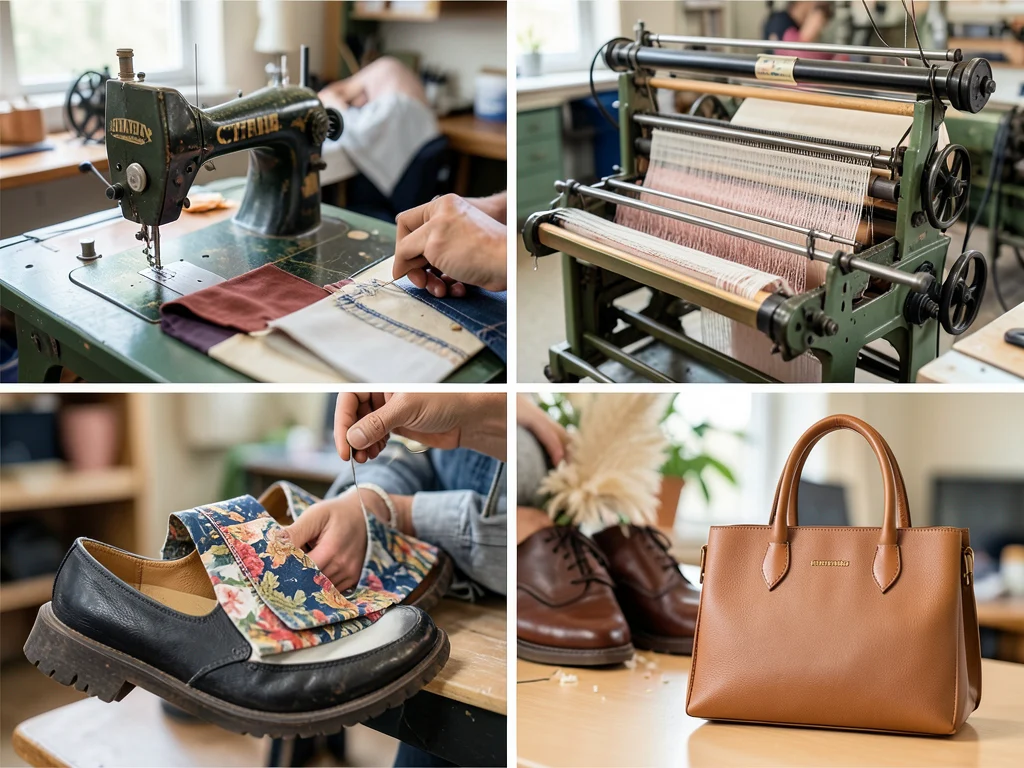
The industry can be broadly divided into several key sub-sectors:
- Clothing Manufacturing: This involves the design, cutting, sewing, and finishing of garments for various purposes, including fashion, workwear, and uniforms.
- Textile Manufacturing: This covers the production of fabrics from natural or synthetic fibers, including spinning, weaving, knitting, and dyeing.
- Footwear Manufacturing: This includes the production of shoes, boots, and other footwear using leather, synthetic materials, or textiles.
- Leather Goods Manufacturing: This involves the processing of hides and skins into leather and the subsequent creation of items such as bags, belts, and accessories.
Each sub-sector involves specific machinery, techniques, and quality control measures. The learnership at Tshwane North TVET College focuses on the manufacturing processes common across these areas, providing a versatile skill set.
Challenges and Opportunities
The CTFL industry in South Africa faces several challenges, including competition from imports, rising production costs, and the need for technological upgrades. However, there are also significant opportunities. Growing demand for locally produced goods, the potential for export, and the increasing focus on sustainable and ethical manufacturing practices present avenues for growth. Skills development initiatives, such as this learnership, are essential for addressing the challenges and capitalizing on these opportunities by ensuring a skilled workforce is available to drive the industry forward.
What to Expect During the Learnership
The 12-month learnership program at Tshwane North TVET College is designed to be an immersive and educational experience. It combines theoretical instruction with practical application, ensuring learners develop a well-rounded skill set. Understanding the structure and expectations of the program will help you prepare for the journey ahead.
Curriculum and Training Modules
The curriculum for the National Certificate: Clothing, Textile, Footwear and Leather Manufacturing Processes (NQF Level 2) is structured to cover essential aspects of the industry. While specific module titles may vary, the training typically includes:
- Introduction to CTFL Materials: Learning about different types of fabrics, leather, and synthetic materials, their properties, and applications.
- Basic Sewing and Garment Construction: Mastering fundamental sewing techniques, understanding patterns, and assembling simple garments.
- Machine Operation and Maintenance: Training on various industrial sewing machines, cutting equipment, and other manufacturing tools, including basic maintenance.
- Quality Control Principles: Understanding how to inspect materials and finished products to ensure they meet quality standards.
- Workplace Safety and Health: Learning about safety protocols, hazard identification, and the use of personal protective equipment (PPE) in a manufacturing environment.
- Introduction to Manufacturing Processes: Gaining an overview of the production workflow, from raw material handling to final product dispatch.
- Workplace Communication and Teamwork: Developing essential soft skills for effective collaboration in a professional setting.
The training will likely involve a combination of classroom-based learning, practical workshops, and potentially some form of workplace exposure or simulated work environment.
Assessment Methods
To achieve the National Certificate, learners will undergo various forms of assessment. These are designed to evaluate both theoretical knowledge and practical skills. Common assessment methods in such programs include:
- Written Tests and Exams: To assess understanding of theoretical concepts, safety regulations, and industry knowledge.
- Practical Assignments: Demonstrating proficiency in specific tasks, such as operating machinery, cutting fabric, or assembling components.
- Portfolio of Evidence: Compiling a collection of work samples, project outcomes, and documented experiences throughout the learnership.
- Workplace Observation: If integrated into a workplace, assessors may observe learners performing tasks to evaluate their competency in real-time.
- Projects: Undertaking specific projects that require the application of multiple skills learned during the program.
Successful completion of all assessments is required to be awarded the qualification.
Support Systems for Learners
Tshwane North TVET College aims to support its learners throughout their educational journey. While specific support services can vary, learners can typically expect:
- Lecturer and Facilitator Support: Access to instructors who can provide guidance on course material, assignments, and skill development.
- Skills Development Officers: These individuals often play a role in connecting learners with potential workplace opportunities and providing career advice.
- College Resources: Access to library facilities, workshops, and potentially career counseling services offered by the college.
It is advisable for learners to actively engage with college staff and utilize the available resources to maximize their learning experience and address any challenges they may encounter.
The Importance of Clothing, Textile, Footwear, and Leather (CTFL) Manufacturing Processes
The skills acquired through the National Certificate in Clothing, Textile, Footwear and Leather Manufacturing Processes are fundamental to a significant industrial sector. Understanding the intricacies of these processes is key to producing quality goods and maintaining a competitive edge in the market. This learnership provides a direct route to mastering these essential skills.
Quality and Precision in Manufacturing
In the CTFL industry, precision and attention to detail are paramount. Whether it’s cutting fabric for a garment, stitching a shoe sole, or finishing a leather bag, accuracy directly impacts the final product’s quality, durability, and aesthetic appeal. The learnership program emphasizes these aspects, teaching learners the techniques and standards required to produce goods that meet consumer expectations and industry benchmarks. This includes understanding material tolerances, stitch types, seam finishes, and the proper use of specialized tools and machinery.
Efficiency and Productivity
Beyond quality, efficiency is a critical factor in manufacturing. Learners are trained to optimize their work processes, minimize waste, and utilize machinery effectively. This involves understanding production workflows, identifying bottlenecks, and implementing best practices to increase output without compromising quality. For example, learning efficient cutting patterns for fabric or understanding the optimal sequence for assembling shoe components can significantly boost productivity. These skills are highly valued by employers seeking to streamline their operations and reduce costs.
Safety and Compliance
Working with industrial machinery and materials in a manufacturing environment necessitates a strong focus on safety. The learnership includes comprehensive training on workplace health and safety regulations. Learners are educated on identifying potential hazards, using personal protective equipment (PPE) correctly, and operating machinery in a safe manner. Compliance with safety standards not only protects the individual worker but also contributes to a safer overall work environment, reducing accidents and ensuring the smooth operation of the production facility. Adherence to industry regulations and standards is a non-negotiable aspect of professional conduct in manufacturing.
Career Prospects After Completing the Learnership
Graduating from the Tshwane North TVET College Learnership 2025 opens up a variety of career pathways within the thriving CTFL industry. The combination of a recognized qualification and practical experience makes graduates highly employable.
Entry-Level Positions in Manufacturing
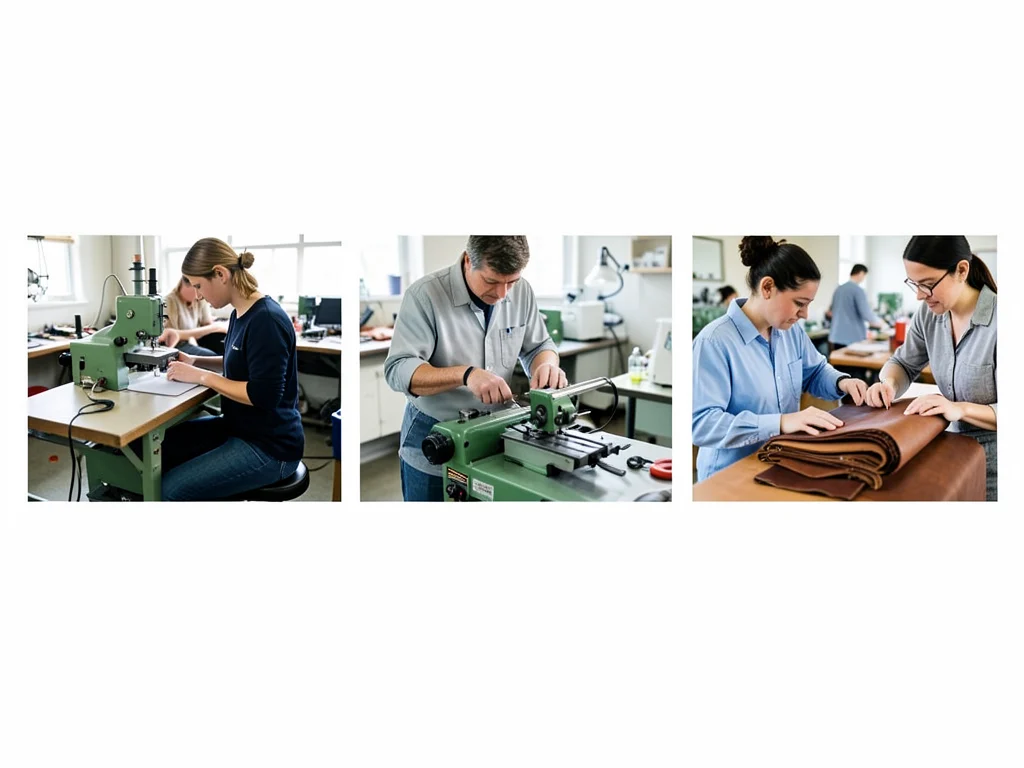
Upon completion, learners are well-prepared for entry-level roles such as:
- Garment Maker/Seamster/Seamstress: Operating industrial sewing machines to construct clothing items.
- Machine Operator: Working with specialized machinery for cutting, stitching, or finishing in textile, footwear, or leather production.
- Production Assistant: Supporting various stages of the manufacturing process, from material preparation to assembly.
- Quality Inspector: Checking finished products for defects and ensuring they meet quality standards.
- Leather Worker: Assisting in the production of leather goods, including cutting, stitching, and finishing.
- Textile Production Worker: Involved in the operation of machinery for fabric production, dyeing, or finishing.
These roles provide valuable on-the-job experience that can lead to more senior positions over time.
Opportunities for Further Study and Specialization
The National Certificate at NQF Level 2 serves as an excellent foundation for individuals who wish to pursue higher levels of education or specialize in specific areas of the CTFL industry. Graduates can consider enrolling in:
- Further TVET College Programs: Pursuing NQF Level 3 or Level 4 qualifications in related fields such as Fashion Design, Production Management, or Quality Assurance.
- Specialized Training Courses: Undertaking short courses or workshops focused on advanced techniques in areas like pattern making, digital textile printing, or specialized leathercraft.
- Apprenticeships: Seeking apprenticeships that offer further on-the-job training and a pathway to becoming a skilled artisan or technician.
This continuous learning approach allows individuals to adapt to industry changes and advance their careers.
Entrepreneurship and Small Business Development
The skills gained from this learnership can also empower individuals to become entrepreneurs. With a solid understanding of manufacturing processes and product development, graduates can explore starting their own small businesses. This could involve designing and producing their own clothing lines, custom leather goods, or offering alteration and repair services. The practical knowledge acquired is invaluable for anyone looking to establish and manage their own venture within the CTFL sector.
Conclusion: Your Pathway to a Manufacturing Career
The Tshwane North TVET College Learnership 2025 in Clothing, Textile, Footwear and Leather Manufacturing Processes presents a remarkable opportunity for aspiring individuals to gain essential skills and a nationally recognized qualification. This 12-month program is meticulously designed to equip learners with the practical expertise and theoretical knowledge needed to excel in the CTFL industry. By focusing on hands-on training and real-world application, TNC is preparing a new generation of skilled professionals ready to contribute to South Africa’s manufacturing sector.
The eligibility criteria, including a Grade 12 pass, residency in Pretoria, and an age range of 18-35, ensure that the program benefits local communities and targets individuals with the potential to grow. The manual application process, though requiring careful preparation of documents like a CV, ID, qualifications, and proof of residence, is straightforward when followed step-by-step. Remember the application deadline of 10 December 2025 and the limited 20 available slots, making timely submission critical.
Choosing this learnership means investing in a future with tangible career prospects, from entry-level manufacturing roles to further specialization or even entrepreneurship. It’s a chance to become part of an industry that is vital to the South African economy. Don’t miss this chance to transform your passion for design and making into a rewarding career. Take the first step by preparing your application and submitting it to the Tshwane North TVET College Pretoria Campus Skills Office.
Frequently Asked Questions
What is the Tshwane North TVET College Learnership 2025 about?
It’s a 12-month program focused on Clothing, Textile, Footwear, and Leather (CTFL) Manufacturing Processes, leading to a National Certificate at NQF Level 2.
Who is eligible to apply for this learnership?
Applicants need a Grade 12 certificate, must live in Pretoria, be between 18 and 35 years old, and be South African citizens.
How do I apply for the learnership?
Applications are submitted manually by delivering your CV, certified ID, copies of qualifications, and proof of residence to the Tshwane North TVET College Pretoria Campus Skills Office.
What are the benefits of completing this learnership?
You gain practical manufacturing skills, industry experience, a nationally recognized qualification, and a foundation for employment, further study, or starting your own business in the CTFL sector.


Conversation
0 Comments