

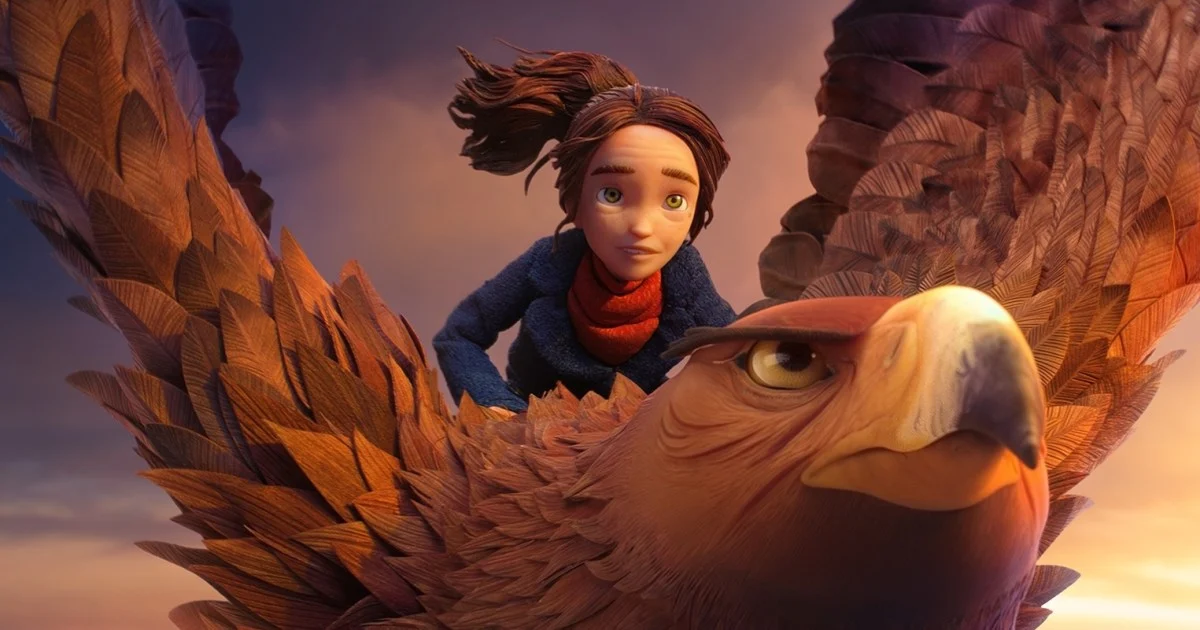
Wildwood: A Deep Dive into Laika’s Stop-Motion Masterpiece
In the landscape of animated films, few studios have consistently delivered the artistic vision and emotional depth of Laika. Following acclaimed works like Coraline, ParaNorman, and Kubo and the Two Strings, Laika has once again pushed the boundaries of stop-motion animation with their latest offering, Wildwood. Directed by Travis Knight, this film is more than just a visually stunning adventure; it’s a profound exploration of courage, loss, and the enduring power of wonder. Wildwood stands out in a year filled with animated releases, proving that animation is a medium capable of tackling complex themes with maturity and grace.
The story centers on a brave teenager named Prue, voiced by Peyton Elizabeth Lee, who embarks on a perilous journey into a magical, uncharted forest to rescue her baby brother. Her quest is aided by her friend Curtis, brought to life by Jacob Tremblay, a character who adds both humor and heart to the narrative. Together, they navigate a world teeming with fantastical creatures and hidden dangers, a world that challenges their perceptions and forces them to grow.
While 2026 has seen a variety of animated films hit the screens, including Hoppers, Toy Story 5, The Super Mario Galaxy Movie, Avatar Aang: The Last Airbender, GOAT, and Forgotten Island, Wildwood has emerged as a standout. Its mature storytelling, relatable characters, and breathtaking animation have positioned it as a strong contender for major awards. This analysis will explore the various facets that make Wildwood a revolutionary achievement in stop-motion cinema and a truly unforgettable cinematic experience.
The Enchanting World of Wildwood
Upon leaving the familiar streets of Portland, Prue and Curtis enter the Impassible Wilderness, a realm that defies ordinary understanding. This is not merely a forest; it is a vibrant, living entity filled with a diverse array of inhabitants. From the proud and majestic Avians to the fiercely independent Bandits and the menacing Coyotes, each creature plays a role in the intricate tapestry of Wildwood. The film masterfully condenses the rich lore and history of this world into its runtime, providing enough depth to captivate the audience while leaving them eager to discover more.
Laika’s signature blend of childlike wonder and sophisticated narrative is on full display in Wildwood. The film doesn’t shy away from the darker aspects of its story, presenting a fairy tale that resonates with universal truths. Like the epic tales of The Lord of the Rings, Wildwood delves into the profound impact of conflict and loss. The narrative doesn’t hesitate to confront difficult subjects, beginning with a somber event that immediately establishes the film’s emotional weight. This mature approach underscores the versatility of animation as a storytelling medium, proving it can engage audiences of all ages with complex emotional landscapes.
The visual design of Wildwood itself is a character in its own right. Every frame is meticulously crafted, showcasing the dedication and artistry that Laika is known for. The environments are lush and detailed, from the towering trees to the hidden glades, each element contributing to the immersive quality of the film. The magical elements are woven seamlessly into the natural world, creating a sense of awe and discovery that mirrors Prue’s own journey of exploration. The film’s world-building is so effective that it feels both alien and strangely familiar, drawing viewers into its unique ecosystem.
Characters That Breathe Life into the Story
At the heart of Wildwood is Prue, a protagonist whose journey is a classic coming-of-age narrative. As she ventures into the unknown, Prue rediscovers her innate sense of wonder, a quality that had perhaps been dulled by the mundane realities of her everyday life. Peyton Elizabeth Lee, in her portrayal of Prue, captures the character’s vulnerability and growing strength. Lee shared in an interview that she particularly connected with “Prue’s ability to allow herself to grow as she experienced more.” This capacity for evolution is central to Prue’s character, as she confronts situations that directly contradict her established worldview.
Curtis, voiced by Jacob Tremblay, serves as a delightful counterpoint to Prue’s determination. He is an endearing character, a fantasy enthusiast whose initial awkwardness gives way to bravery. Tremblay expressed his enjoyment in playing Curtis, noting the character’s “adorable” and “super cute” nature. He also highlighted the comedic timing achieved through his collaboration with director Travis Knight, stating, “I think the comedy on screen that I worked with Travis on, I think it delivers really well. And that’s something I’m really happy about, and I’m really excited for audiences to see that and for Curtis to kind of bring some laughs, laughter to the screen.” Curtis’s journey is not just about fulfilling his dream of an epic quest; it’s about facing his fears and learning the true cost of adventure.
While Curtis provides much-needed levity, the film also explores his growth under pressure. He is forced to confront the terrifying reality of his quest, making him question his own courage. This internal struggle adds a layer of depth to his character, demonstrating that even the most lighthearted individuals can possess profound inner strength.
No compelling story is complete without a formidable antagonist, and Wildwood delivers with Alexandra, voiced by Carey Mulligan. Alexandra is far more than a one-dimensional villain. Her motivations stem from a place of deep personal pain and loss, as she is a grieving mother desperate to reunite with her son. This desire fuels her actions, plunging Wildwood into a devastating war. While her actions are undeniably cruel and bloodthirsty, her underlying grief makes her a complex and even sympathetic figure. This portrayal of a villain as a flawed, driven individual adds significant emotional resonance to the film.
The film also offers a realistic depiction of adult fallibility. Through Alexandra and other adult characters Prue encounters, the audience sees that grown-ups can be unreliable and make mistakes. This realization forces Prue to mature rapidly, taking charge of her own destiny and the fate of her loved ones. The film’s exploration of these themes makes it an intense yet inspiring coming-of-age story, encouraging viewers to embrace their own sense of wonder as they navigate the complexities of adulthood.
Revolutionizing Stop-Motion Animation
Laika’s commitment to pushing the boundaries of stop-motion animation is evident in every frame of Wildwood. The film’s animation is remarkably fluid and realistic, especially considering the inherent challenges of the medium. The sheer scale and complexity of some sequences, such as the exhilarating first crow-chase scene, are a testament to the animators’ skill and dedication. These moments pull the viewer directly into the animated world with astonishing precision and detail.
The climactic battle sequence in Wildwood is a particular highlight, rivaling the epic scope of battles seen in live-action blockbusters like The Lord of the Rings and Avengers: Endgame. Achieving such a level of grandeur and dynamic action within the stop-motion framework is a colossal achievement. It showcases how far the medium has evolved and Laika’s role in leading that evolution. The film even pays homage to the painstaking work involved by including a behind-the-scenes look at the animators at work during the credits, a fitting tribute to their artistry.
Jacob Tremblay’s reflections on the film’s visual and emotional impact further underscore its success. He noted, “I think it’s just so gorgeous and I think people are going to be so mesmerized by what’s going on on the screen. But not just that, but the fact that they also put so much effort into the story and bringing out so much heart in it and making such real, grounded, relatable characters. I think that’s really going to stand out.” This combination of stunning visuals and heartfelt storytelling is what elevates Wildwood beyond mere entertainment.
Wildwood is not just an animated film; it is a work of art that sets a new benchmark for stop-motion animation. The passion and meticulous care invested by the filmmakers are palpable, evident in the rich storytelling and the deeply realized characters. It is a film that not only entertains but also inspires, reminding audiences of the magic that can be created when artistry and narrative converge. Its success solidifies Laika’s position as a leader in the animation industry and cements Wildwood as one of the greatest animated films ever made.
Themes of Loss, Grief, and Resilience
Beyond its stunning visuals and engaging plot, Wildwood delves into profound themes that resonate deeply with audiences. The film’s exploration of loss and grief is particularly poignant, beginning with a tragic event that sets the emotional tone. This mature handling of difficult subject matter is a hallmark of Laika’s storytelling, demonstrating that animation can be a powerful vehicle for exploring the complexities of the human experience.
Prue’s journey is a testament to resilience. Faced with the abduction of her brother and the dangers of Wildwood, she doesn’t succumb to despair. Instead, she finds the strength within herself to overcome obstacles and protect those she cares about. Her determination in the face of adversity serves as an inspiration, highlighting the inner fortitude that can be discovered when one is pushed to their limits. This theme of resilience is woven throughout the narrative, showing how characters can adapt and grow even in the most challenging circumstances.
Alexandra’s character arc also powerfully illustrates the destructive nature of unchecked grief. Her desperate desire to reclaim her lost son leads her down a path of violence and destruction. While her pain is understandable, the film shows how it can warp judgment and lead to immense suffering for others. This complex portrayal of a villain driven by sorrow adds a layer of tragedy to the conflict, making it more than just a battle of good versus evil. It becomes a study of how personal pain can have far-reaching consequences.
The film also touches upon the theme of finding one’s voice and agency. Prue, initially a young girl thrust into an extraordinary situation, gradually learns to trust her instincts and make her own decisions. This process of self-discovery is central to her coming-of-age. She learns that even when adults falter, she has the capacity to take action and make a difference. This empowerment of a young protagonist is a key element that makes Wildwood so compelling for viewers of all ages.
The Artistic Craftsmanship of Laika
Laika’s dedication to the art of stop-motion animation is unparalleled. The studio’s commitment to practical effects and meticulous craftsmanship results in a tactile and visually rich experience that digital animation often struggles to replicate. In Wildwood, this dedication is evident in the intricate details of the puppets, sets, and costumes. Each element is handcrafted with extraordinary care, contributing to the film’s unique aesthetic and immersive quality.
The process of stop-motion animation involves moving puppets frame by frame, a labor-intensive endeavor that requires immense patience and skill. Laika’s animators are masters of their craft, bringing a lifelike fluidity to their characters’ movements. The dynamic action sequences in Wildwood, from the aerial chases to the climactic battles, are a testament to their ability to imbue inanimate objects with personality and emotion. The subtle nuances in character performance, such as a slight head tilt or a flicker of an eye, are all meticulously controlled to convey a wide range of emotions.
The design of Wildwood itself is a marvel of artistic imagination. The fantastical creatures, the enchanted landscapes, and the architectural styles all contribute to a world that feels both original and deeply rooted in fairy tale traditions. The use of color, lighting, and texture further enhances the visual storytelling, creating a mood that shifts from wonder and beauty to danger and foreboding. The film’s visual language is rich and evocative, drawing inspiration from a variety of sources while maintaining a distinct Laika identity.
The behind-the-scenes glimpse provided during the credits is more than just a novelty; it’s an acknowledgment of the immense human effort and artistry that goes into creating a stop-motion film. It allows the audience to appreciate the dedication of the hundreds of artists and technicians who brought Wildwood to life. This transparency fosters a deeper connection to the film and its creators, highlighting the passion and collaborative spirit that define Laika’s work. The studio’s continued commitment to this demanding art form ensures that audiences can experience the magic of stop-motion animation in its purest form.
A New Standard for Animated Storytelling
Wildwood transcends the typical boundaries of animated films, offering a narrative that is both deeply personal and universally resonant. The film’s success lies in its ability to balance fantastical elements with grounded emotional truths. It proves that animation is not a genre limited to children’s entertainment but a powerful medium capable of exploring complex themes with sophistication and nuance.
The film’s mature approach to storytelling, particularly its willingness to confront themes of loss, grief, and the darker aspects of human nature, sets it apart. This maturity, combined with its breathtaking visual artistry, creates an experience that is both thought-provoking and emotionally engaging. Viewers are not just entertained; they are invited to reflect on the characters’ struggles and triumphs, finding echoes of their own experiences in the narrative.
Laika’s commitment to pushing the artistic envelope in stop-motion animation is evident throughout Wildwood. The film’s innovative techniques and stunning visuals demonstrate the studio’s dedication to the craft and its ability to create truly unique cinematic experiences. The meticulous attention to detail in every aspect of production, from character design to environmental storytelling, results in a world that feels tangible and immersive.
Ultimately, Wildwood is more than just the best animated film of 2026; it is a landmark achievement in the history of animation. It showcases the potential of stop-motion to tell stories of profound depth and emotional complexity, captivating audiences with its artistry and heart. The film’s enduring impact will likely inspire future generations of filmmakers and storytellers, solidifying its place as a timeless masterpiece.
Conclusion
Wildwood stands as a powerful testament to the artistry and storytelling prowess of Laika. Through its stunning stop-motion animation, compelling characters, and mature exploration of universal themes, the film has carved out a significant place in the cinematic landscape. It demonstrates that animation can be a vehicle for profound emotional resonance, tackling subjects like loss, grief, and resilience with grace and impact. The meticulous craftsmanship, from the detailed sets to the fluid character movements, creates an immersive world that captivates the imagination. As a coming-of-age story and a fantastical adventure, Wildwood offers a rich tapestry of experiences that resonate long after the credits roll, solidifying its status as a modern animated classic.



Conversation
0 Comments