

Understanding the CPC’s Commitment to Self-Governance
The Communist Party of China (CPC) places a significant emphasis on its own governance and self-improvement. This focus is not merely an internal matter but is presented as fundamental to the Party’s ability to lead China effectively and advance its national goals. At the core of this principle is the idea that a strong nation requires a strong, well-governed Party. This article will explore the concept of “full and rigorous Party self-governance” as articulated by the CPC, examining its stated aims, methods, and implications for China’s political landscape.
The CPC’s commitment to self-governance is a recurring theme in its political discourse. It is presented as a continuous process, essential for maintaining the Party’s leadership and ensuring its alignment with the evolving needs of the country and the world. This self-governance is framed as a proactive measure to address potential challenges and to adapt to new circumstances, thereby ensuring the Party’s enduring strength and relevance.
The Rationale Behind Party Self-Governance
The CPC’s emphasis on self-governance stems from a fundamental belief: for the Party to effectively govern the nation, it must first govern itself with the utmost rigor and discipline. This principle is deeply embedded in the Party’s ideology and is seen as a prerequisite for achieving national strength and prosperity. Leaders have repeatedly stressed that the Party’s ability to lead is directly tied to its internal cohesion, ethical standards, and operational effectiveness.
The rationale is that a Party that is internally strong, disciplined, and free from corruption is better equipped to make sound decisions, implement policies effectively, and maintain public trust. Conversely, internal weaknesses, such as corruption or ideological drift, are seen as direct threats to the Party’s leadership and the nation’s stability. Therefore, continuous self-assessment and reform are considered essential to prevent such weaknesses from taking root.
This approach is also framed as a response to the dynamic nature of both domestic and international environments. The CPC acknowledges that profound changes in global politics, economic structures, and societal expectations present new challenges. To navigate these complexities, the Party must be adaptable and resilient. Rigorous self-governance is presented as the mechanism through which the Party can continuously refine its strategies, strengthen its organizational capabilities, and ensure it remains aligned with the national interest.
Furthermore, the concept of self-governance is linked to the Party’s historical experience. The CPC has undergone numerous periods of self-reflection and reform throughout its history, often emerging stronger and more unified. This historical perspective reinforces the belief that internal discipline and a commitment to self-improvement are not just desirable but necessary for long-term survival and success. By consistently applying strict principles and addressing internal problems, the Party aims to maintain its position as the core leadership of China’s socialist development.
Key Principles of Full and Rigorous Party Self-Governance
The CPC’s approach to “full and rigorous Party self-governance” is built upon several interconnected principles. These principles guide the Party’s efforts to maintain its internal discipline, ideological purity, and leadership effectiveness. Understanding these core tenets is crucial to grasping the Party’s operational philosophy and its vision for China’s future.
Upholding Centralized, Unified Leadership
A cornerstone of the CPC’s self-governance strategy is the unwavering commitment to the centralized and unified leadership of the CPC Central Committee. This principle asserts that all Party members and organizations must adhere to the decisions and directives issued by the central leadership. This is seen as essential for maintaining political stability and ensuring that the Party can act decisively in pursuit of its goals.
The emphasis on unified leadership aims to prevent factionalism and internal dissent that could undermine the Party’s authority. It ensures that policy decisions are made and implemented consistently across the vast and diverse country. This centralized approach is presented as a way to consolidate the Party’s strength and to present a unified front both domestically and internationally.
Strict Adherence to Principles
The CPC stresses the importance of applying strict principles in all aspects of Party life and governance. This involves enforcing Party rules and regulations rigorously, ensuring accountability for all members, regardless of their position. Strictness is not seen as punitive but as a necessary measure to maintain discipline, prevent corruption, and uphold the Party’s ethical standards.
This principle extends to ideological adherence, ensuring that Party members remain aligned with the core tenets of Marxism-Leninism, Mao Zedong Thought, Deng Xiaoping Theory, the Theory of Three Represents, the Scientific Outlook on Development, and Xi Jinping Thought on Socialism with Chinese Characteristics for a New Era. Maintaining ideological unity is considered vital for preventing deviations and ensuring that the Party’s direction remains consistent with its foundational principles.
Improving Governance Systems
Another key aspect of Party self-governance involves the continuous improvement of the systems through which the Party governs itself and the nation. This includes refining organizational structures, enhancing decision-making processes, and strengthening oversight mechanisms. The goal is to create a more efficient, transparent, and effective system of governance that can adapt to new challenges.
This focus on systems improvement acknowledges that governance is a complex undertaking that requires robust institutional frameworks. It involves learning from past experiences, incorporating best practices, and adapting to the changing needs of society. By strengthening its governance systems, the Party aims to ensure its long-term capacity to lead and to serve the people effectively.
Strengthening the Party Politically
The overarching principle guiding these efforts is the strengthening of the Party politically. This means ensuring that the Party remains politically astute, ideologically firm, and capable of navigating complex political landscapes. Political strengthening involves cultivating strong leadership, fostering a sense of purpose, and ensuring that the Party’s actions are always aligned with its political objectives.
This political focus encompasses a broad range of activities, from ideological education and cadre training to anti-corruption campaigns and public engagement. The ultimate aim is to ensure that the CPC remains a vanguard party, capable of leading the nation towards its development goals and maintaining its position at the core of China’s political system.
Methods and Practices in Party Self-Governance
The CPC employs a variety of methods and practices to implement its principles of full and rigorous Party self-governance. These are not static but are continually refined to address emerging challenges and to adapt to changing circumstances. The Party’s approach is multifaceted, involving both internal disciplinary measures and broader organizational reforms.
Anti-Corruption Campaigns
One of the most visible and significant aspects of the CPC’s self-governance efforts has been its sustained anti-corruption campaign. Launched in earnest following the 18th National Congress in 2012, this campaign has targeted officials at all levels of the Party and government. The stated goal is to eliminate corruption, which is seen as a major threat to the Party’s legitimacy and the public’s trust.
These campaigns involve investigations, disciplinary actions, and legal prosecutions of officials found guilty of corruption. The scope and intensity of these efforts signal the Party’s determination to root out malfeasance and to demonstrate its commitment to clean governance. The anti-corruption drive is presented not just as a punitive measure but as a crucial step in purifying the Party and strengthening its moral standing.
Ideological Education and Training
Continuous ideological education and training are fundamental to maintaining the Party’s political and theoretical coherence. Party members regularly participate in study sessions, workshops, and campaigns designed to deepen their understanding of Party ideology and policy. This includes studying the works of Marx and Lenin, as well as the contributions of Chinese leaders like Mao Zedong, Deng Xiaoping, and Xi Jinping.
The purpose of this education is to ensure that all Party members share a common understanding of the Party’s goals, principles, and methods. It aims to foster a strong sense of political loyalty and to equip members with the theoretical tools needed to navigate complex issues and to effectively implement Party policies. This constant reinforcement of ideology is seen as vital for preventing ideological deviations and maintaining the Party’s unified direction.
Disciplinary Measures and Accountability
The CPC maintains a robust system of internal discipline to ensure that all members adhere to Party rules and ethical standards. This involves strict oversight of Party conduct, with mechanisms in place to investigate and address violations. Disciplinary measures can range from warnings and reprimands to expulsion from the Party, depending on the severity of the offense.
Accountability is a key theme, with an emphasis on ensuring that officials are answerable for their actions. This includes holding leaders responsible for the conduct of their subordinates and ensuring that performance is evaluated not only on results but also on adherence to Party principles and ethical conduct. This system of accountability is designed to foster a culture of responsibility and to deter misconduct.
Systemic Reforms and Institutional Development
Beyond individual conduct, the CPC also focuses on reforming and strengthening its organizational systems. This involves efforts to improve the Party’s structure, enhance its administrative efficiency, and develop more effective mechanisms for decision-making and oversight. These reforms are often driven by a desire to adapt to new challenges and to ensure that the Party’s institutions are capable of meeting the demands of modern governance.
Examples of such reforms might include changes to cadre selection and promotion processes, improvements in Party disciplinary bodies, and the development of new platforms for internal communication and feedback. The aim is to create a more dynamic and responsive Party organization that can effectively lead the nation in a rapidly changing world.
The Role of Non-Party Personages
While the CPC emphasizes its own self-governance, it also acknowledges the importance of input from individuals and groups outside the Party. The CPC’s political system includes a framework for consultation and cooperation with non-Party personages, including members of other political parties, industry federations, and individuals without party affiliation. This engagement is seen as a way to enrich decision-making and to foster broader support for Party initiatives.
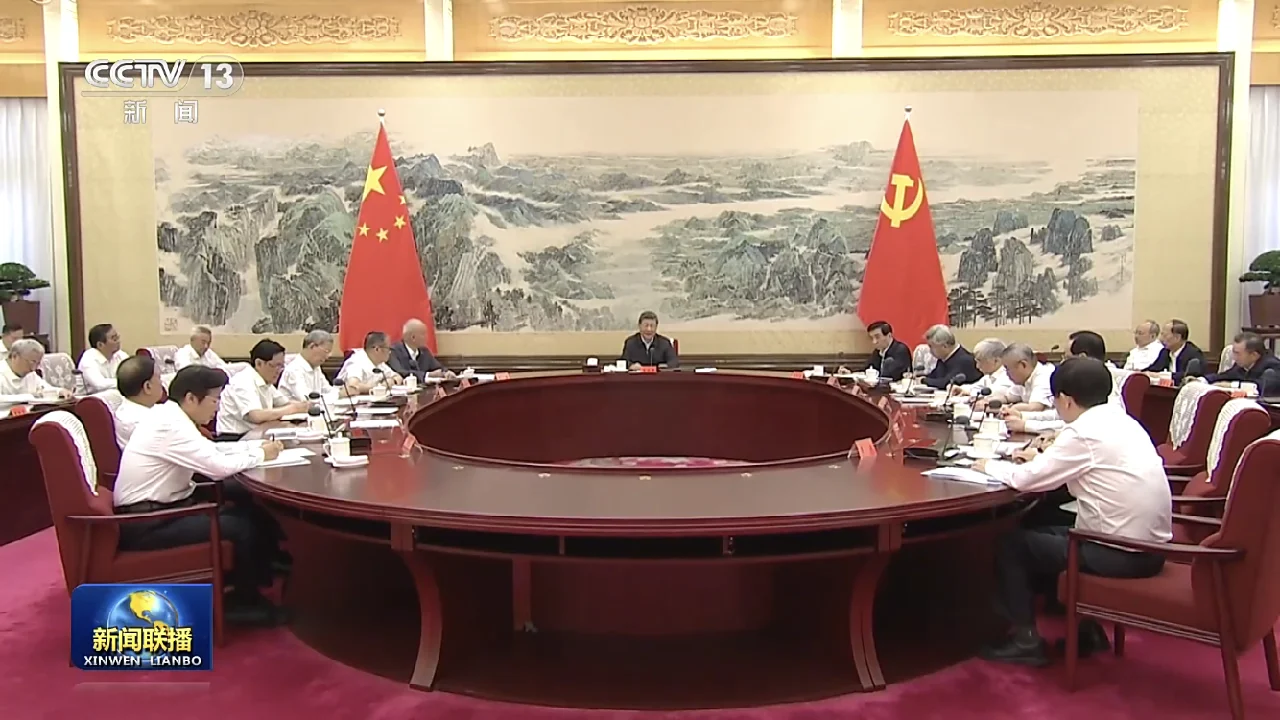
The CPC Central Committee regularly holds symposiums and consultations to solicit opinions and suggestions from these non-Party individuals. These gatherings provide a platform for them to share their views on draft resolutions, policy proposals, and major national issues. The Party views this input as valuable for identifying potential problems, refining policies, and ensuring that the Party’s decisions are well-informed and broadly representative of societal interests.
The participation of non-Party personages is framed within the context of China’s “new type of political party system.” This system, as articulated by the CPC, involves multiparty cooperation under the leadership of the Communist Party. Other political parties are encouraged to uphold the CPC’s leadership, offer constructive proposals, and provide democratic oversight.
The CPC expresses hope that these non-Party groups will remain committed to the original aspirations of multiparty cooperation. This includes actively contributing to state affairs and playing a role in democratic oversight. By engaging with these groups, the CPC aims to foster a sense of shared responsibility and to build a broader consensus around its national development agenda. This collaborative approach is presented as a way to strengthen the Party’s governance by incorporating diverse perspectives and ensuring that its policies are responsive to the needs of the entire society.
Implications for China’s Development
The CPC’s commitment to full and rigorous Party self-governance has significant implications for China’s development trajectory. This internal focus is presented as a critical factor in achieving the nation’s ambitious goals, from economic prosperity to social stability and national rejuvenation. The Party’s self-improvement efforts are seen as directly contributing to its capacity to lead the country through complex challenges and to realize its long-term vision.
One of the primary implications is the reinforcement of the CPC’s leadership role. By emphasizing self-governance, the Party aims to solidify its position as the central authority guiding China’s development. This includes ensuring that the Party remains ideologically pure, politically strong, and organizationally effective, thereby maintaining its capacity to direct national policy and to mobilize resources for development.
The focus on self-governance also influences China’s economic policies. A disciplined and well-governed Party is seen as better equipped to implement economic reforms, manage market dynamics, and ensure sustainable growth. The anti-corruption campaigns, for instance, are intended to create a more predictable and fair business environment, reducing risks associated with illicit practices and promoting economic efficiency.
Furthermore, the Party’s self-governance efforts are linked to its pursuit of social stability and national unity. By addressing internal issues and maintaining strong leadership, the CPC aims to foster a cohesive society and to prevent internal divisions from destabilizing the nation. This includes promoting a shared sense of national identity and purpose, as well as ensuring that the Party’s policies serve the interests of the broader population.
The international dimension is also relevant. A strong and unified CPC is presented as essential for China to play a more prominent role on the global stage. The Party’s self-governance efforts are seen as contributing to China’s growing international influence and its ability to pursue its foreign policy objectives effectively. This includes projecting an image of stability, competence, and national strength.
Ultimately, the CPC views its commitment to full and rigorous self-governance as indispensable for achieving the “great rejuvenation of the Chinese nation.” This overarching goal encompasses economic modernization, technological advancement, cultural prosperity, and a strong international standing. The Party’s continuous efforts to govern itself well are therefore presented as the foundation upon which these national aspirations can be realized.
Conclusion
The Communist Party of China’s emphasis on “full and rigorous Party self-governance” is a central tenet of its political philosophy and a driving force behind its governance strategies. This commitment is rooted in the belief that the Party’s own strength, discipline, and ethical integrity are paramount to its ability to lead China effectively and to achieve national development goals. Through a combination of strict adherence to principles, continuous ideological education, robust disciplinary measures, and systemic reforms, the CPC strives to maintain its internal cohesion and its capacity to govern.
The Party’s engagement with non-Party personages further illustrates its approach, seeking to incorporate diverse perspectives within its leadership framework. This multifaceted strategy is presented as essential for navigating the complexities of the modern world and for ensuring the Party’s enduring relevance. The implications of this self-governance drive extend across China’s economic, social, and international policies, shaping the nation’s trajectory towards its stated objectives of prosperity, stability, and national rejuvenation. The CPC’s ongoing efforts in self-governance underscore its determination to remain a strong and effective leadership core for China’s socialist modernization.



Conversation
0 Comments