

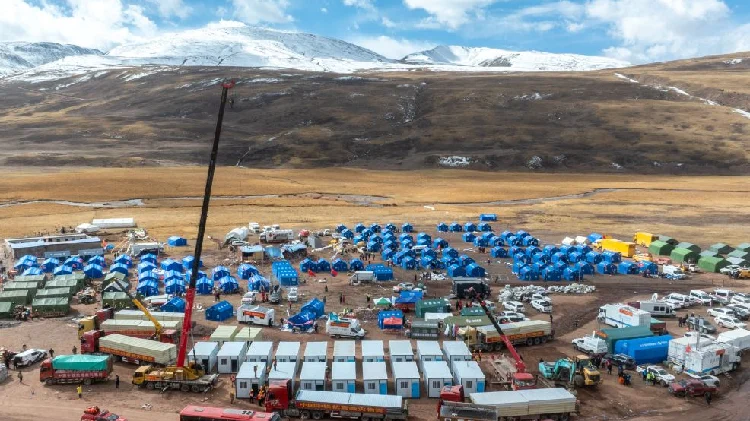
The aftermath of a natural disaster presents a critical challenge: how to effectively organize and deploy resources to aid those affected. This requires a robust framework for disaster response, encompassing immediate relief, long-term recovery, and preparedness for future events. Understanding the structure of a well-managed disaster response operation is key to minimizing loss of life, reducing suffering, and rebuilding communities. This analysis will explore the essential components of such a structure, examining the roles of various agencies, the importance of communication, and the logistical considerations involved in providing aid.
The Foundation of Disaster Response: Immediate Needs
When a disaster strikes, the first priority is to address the most urgent needs of the affected population. This phase is characterized by rapid assessment, search and rescue, and the provision of basic necessities. The speed and efficiency of these initial actions can significantly impact the survival rates and overall well-being of those affected.
Search and Rescue Operations
Following an earthquake, flood, or other catastrophic event, locating and extracting individuals trapped or injured is paramount. Specialized teams, often comprising firefighters, military personnel, and trained volunteers, are deployed to search collapsed structures and hazardous environments. These teams rely on specialized equipment, including listening devices, thermal imaging cameras, and search dogs, to locate survivors. The coordination of these efforts is vital to avoid duplication and ensure that all accessible areas are covered.
Emergency Medical Services
The injured require immediate medical attention. This involves establishing field hospitals, mobile medical units, and coordinating the transport of patients to fully equipped medical facilities. Medical personnel must be prepared to handle a wide range of injuries, from minor cuts and bruises to severe trauma and burns. The availability of essential medical supplies, including bandages, medications, and surgical equipment, is critical during this phase.
Provision of Essential Supplies
Survivors often lose their homes and possessions, requiring immediate access to food, clean water, shelter, and sanitation. Relief organizations and government agencies work to distribute these essential items. This includes setting up temporary shelters, providing ready-to-eat meals or food rations, and ensuring access to safe drinking water. The logistical challenge of transporting these supplies to affected areas, especially when infrastructure is damaged, is immense.
Structuring the Response: Key Agencies and Their Roles
A successful disaster response is a collaborative effort involving multiple organizations, each with specific responsibilities. The clear definition of these roles and effective inter-agency communication are essential for a coordinated and efficient operation.
Government Agencies
National and local government bodies typically lead disaster response efforts. They are responsible for declaring emergencies, coordinating the actions of various departments, and allocating public resources. This can include emergency management agencies, public health departments, transportation departments, and law enforcement. Their role often involves providing a legal framework for response, managing large-scale logistics, and ensuring public safety.
Non-Governmental Organizations (NGOs)
NGOs play a crucial role in disaster relief, often filling gaps left by government agencies. These organizations, such as the Red Cross, Doctors Without Borders, and various faith-based groups, specialize in providing specific types of aid. This can range from medical care and shelter to food distribution and psychological support. Their flexibility and ability to mobilize volunteers make them invaluable assets in disaster situations.
International Aid Organizations
In large-scale disasters, international aid may be necessary. Organizations like the United Nations Office for the Coordination of Humanitarian Affairs (OCHA) or the World Health Organization (WHO) can coordinate international relief efforts. This involves mobilizing resources, expertise, and personnel from other countries to assist in the response. International aid can be critical when the scale of the disaster overwhelms a nation’s own capacity.
Military and Law Enforcement
The military and law enforcement agencies often provide critical support during disaster response. Their capabilities in logistics, transportation, security, and personnel deployment are essential for managing large-scale operations. They can help secure affected areas, transport supplies and personnel, provide engineering support for infrastructure repair, and maintain order.
The Backbone of Operations: Logistics and Infrastructure
Effective logistics are the engine that drives disaster response. Without a well-planned and executed logistical framework, even the best intentions and resources can fall short. This involves the movement of people, supplies, and equipment to where they are needed most.
Supply Chain Management
Ensuring a steady flow of essential supplies is a complex undertaking. This involves sourcing goods, managing inventory, and coordinating transportation through potentially damaged or congested routes. The use of pre-positioned supplies in strategic locations can significantly speed up the initial distribution process. Tracking supplies and ensuring they reach the intended recipients without diversion is also a critical aspect.
Transportation and Distribution Networks
Damaged roads, bridges, and airports can severely hamper transportation efforts. Response agencies must identify alternative routes, utilize airlifts, or employ specialized vehicles to reach affected populations. Establishing distribution points within the disaster zone allows for more efficient delivery of aid to individuals and families.
Communication Systems
Reliable communication is vital for coordinating response efforts. When traditional communication infrastructure is compromised, emergency responders must rely on satellite phones, radio systems, and mobile communication units. Establishing clear lines of communication between different agencies and with the affected population is essential for effective decision-making and information dissemination.
The Human Element: Psychological and Social Support
Beyond immediate physical needs, disasters have a profound impact on the mental and emotional well-being of survivors. Addressing these needs is an integral part of a comprehensive disaster response structure.
Mental Health Services
Survivors of disasters often experience trauma, grief, anxiety, and depression. Providing access to mental health professionals, counselors, and support groups is crucial for their recovery. These services help individuals cope with their experiences, process their emotions, and begin to rebuild their lives.
Community Engagement and Support
Empowering affected communities and fostering a sense of solidarity can aid in the recovery process. This involves working with local leaders, community groups, and volunteers to identify needs and implement solutions. Creating opportunities for survivors to support each other can build resilience and accelerate the return to normalcy.
Long-Term Recovery and Reconstruction
Once the immediate crisis has passed, the focus shifts to long-term recovery and rebuilding. This phase can be lengthy and complex, involving the restoration of infrastructure, housing, and economic activity.
Infrastructure Rebuilding
The reconstruction of damaged roads, bridges, power grids, water systems, and communication networks is essential for restoring normalcy. This often requires significant investment and coordination between government agencies, utility companies, and construction firms. Prioritizing repairs based on critical needs and community impact is a key consideration.
Housing Solutions
Providing safe and stable housing for displaced individuals is a major challenge. This can involve temporary housing solutions, such as prefabricated homes or mobile units, followed by the reconstruction or repair of permanent residences. Ensuring that new housing is built to withstand future natural hazards is also important.
Economic Recovery
Disasters can devastate local economies, destroying businesses and livelihoods. Recovery efforts often include providing financial assistance to businesses, supporting job creation, and revitalizing local industries. The goal is to help communities regain economic stability and self-sufficiency.
Preparedness and Mitigation: Building Resilience for the Future
A comprehensive disaster response strategy also includes measures to prepare for and mitigate the impact of future events. This proactive approach can save lives and reduce the economic and social costs of disasters.
Risk Assessment and Planning
Identifying potential hazards and assessing the vulnerability of communities is the first step in preparedness. This involves understanding the types of disasters likely to occur in a region and developing detailed response plans for each scenario. These plans should outline roles, responsibilities, communication protocols, and resource allocation.
Public Education and Training
Educating the public about potential risks and teaching them how to prepare for and respond to emergencies is crucial. This includes promoting household preparedness kits, developing evacuation plans, and conducting drills and exercises. A well-informed and prepared population can significantly reduce the impact of a disaster.
Infrastructure Hardening and Mitigation Measures
Investing in infrastructure that can withstand natural hazards is a key mitigation strategy. This can include building stronger buildings, reinforcing bridges, developing flood control systems, and implementing early warning systems. These measures aim to reduce the damage caused by disasters when they occur.
The Role of Technology in Disaster Response
Advancements in technology are increasingly playing a vital role in enhancing disaster response capabilities. From early warning systems to sophisticated mapping and communication tools, technology offers new ways to improve efficiency and effectiveness.
Early Warning Systems
Sophisticated sensor networks and data analysis can provide advance notice of impending disasters like tsunamis, hurricanes, or volcanic eruptions. These systems allow for timely evacuations and preparedness measures, potentially saving many lives. The accuracy and reliability of these systems are continuously being improved.
Geographic Information Systems (GIS) and Remote Sensing
GIS technology and satellite imagery provide critical real-time information about the extent of damage, affected populations, and accessible routes. This data helps response teams make informed decisions about resource allocation and operational planning. Drones are also increasingly used for aerial surveys of disaster zones.
Communication Technologies
Beyond traditional methods, mobile applications, social media, and dedicated emergency communication platforms can facilitate information sharing among responders and with the public. These tools can help disseminate critical alerts, provide updates on relief efforts, and allow individuals to report their status or request assistance.
Data Management and Analysis
The sheer volume of data generated during a disaster can be overwhelming. Advanced data management systems and analytical tools are essential for processing this information, identifying trends, and supporting decision-making. This includes tracking resource deployment, monitoring needs, and evaluating the effectiveness of response efforts.
Challenges and Considerations in Disaster Response
Despite advancements, disaster response operations face numerous challenges that require careful consideration and ongoing adaptation.
Funding and Resource Allocation
Disaster response and recovery efforts are often extremely costly. Securing adequate funding, whether through government budgets, private donations, or international aid, is a constant challenge. Efficient and equitable allocation of limited resources to meet the most pressing needs is also critical.
Coordination and Collaboration
Ensuring seamless coordination among diverse agencies, organizations, and volunteers can be difficult. Differences in protocols, command structures, and communication systems can create friction. Establishing clear lines of authority and fostering a culture of collaboration are essential to overcome these hurdles.
Political and Social Factors
Disaster response can be influenced by political considerations, public perception, and social dynamics. Ensuring that aid is delivered impartially and that all affected populations are treated equitably is paramount. Addressing the specific needs of vulnerable groups, such as the elderly, children, or those with disabilities, requires careful attention.
Ethical Dilemmas
In crisis situations, responders may face difficult ethical choices regarding resource allocation, prioritization of rescue efforts, and the balance between individual rights and collective safety. Clear ethical guidelines and decision-making frameworks are necessary to navigate these complex situations.
Conclusion
The structure of disaster response is a multifaceted system designed to address the immediate, intermediate, and long-term needs of communities affected by catastrophic events. It relies on the coordinated efforts of government agencies, NGOs, international organizations, and the military, all working together to provide search and rescue, medical aid, essential supplies, and support for recovery. Effective logistics, robust communication, and a focus on the human element, including mental health and community engagement, are critical components. Furthermore, a commitment to preparedness, mitigation, and the strategic use of technology can build greater resilience against future disasters. While challenges related to funding, coordination, and ethical considerations persist, a well-defined and adaptable disaster response structure remains our most powerful tool in mitigating the impact of natural calamities and supporting the journey back to normalcy for affected populations.



Conversation
0 Comments