

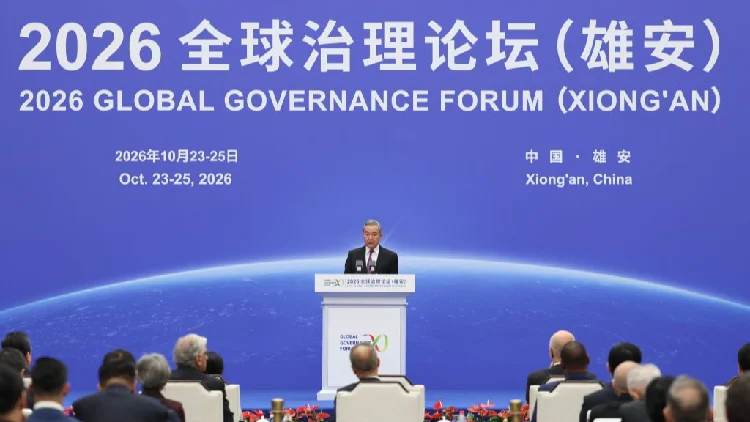
The world faces complex challenges, from climate change and economic instability to geopolitical tensions and technological disruption. Addressing these issues effectively requires a coordinated global approach, but the current system of international cooperation often falls short. This is where the concept of global governance comes into play. Effective global governance is essential for tackling shared problems and building a more peaceful, prosperous, and sustainable future for everyone.
This article will explore the principles and practices of global governance, examining its current state, the challenges it faces, and potential pathways forward. We will look at how international organizations, national governments, and non-state actors can work together to create a more robust and responsive system. Understanding global governance is key to navigating the interconnected world we live in and shaping a better tomorrow.
What is Global Governance?
Global governance refers to the complex web of formal and informal rules, norms, and institutions that shape how states and other actors interact on the international stage. It’s not a world government, but rather a system of collective decision-making and action that aims to manage global issues. Think of it as the sum of the many ways individuals and institutions, public and private, manage their common affairs. It is a continuing process through which more effective, equitable, and sustainable solutions can be achieved.
The scope of global governance is vast, encompassing everything from international trade and environmental protection to human rights and security. It involves a multitude of actors, including:
- States: The primary actors in international relations, setting agendas and enforcing agreements.
- International Organizations (IOs): Such as the United Nations (UN), the World Trade Organization (WTO), and the International Monetary Fund (IMF), which provide frameworks for cooperation and dispute resolution.
- Non-Governmental Organizations (NGOs): Like Greenpeace or Amnesty International, which advocate for specific causes and influence policy.
- Multinational Corporations (MNCs): Which operate across borders and have significant economic and political influence.
- Civil Society: Including individuals, community groups, and social movements that contribute to global discourse and action.
The goal of global governance is to create a more orderly, predictable, and just international system. It seeks to address collective action problems where individual states acting alone cannot achieve desired outcomes. For example, tackling climate change requires coordinated efforts to reduce emissions, a task no single nation can accomplish by itself.
The Need for Stronger Global Governance
In recent years, the importance of effective global governance has become increasingly apparent. Several factors highlight this need:
Interconnected Global Challenges
The world is more interconnected than ever before. Issues like pandemics, climate change, financial crises, and cyber threats do not respect national borders. A disease outbreak in one country can quickly become a global health emergency. Similarly, environmental degradation in one region can have far-reaching consequences for others. These shared challenges demand shared solutions, which can only be achieved through robust global governance mechanisms.
Addressing the Global Governance Deficit
Many observers point to a “global governance deficit,” meaning that the existing institutions and mechanisms are not adequately equipped to handle the scale and complexity of today’s global problems. This deficit can manifest in several ways:
- Lack of Enforcement: International agreements are often difficult to enforce, as states retain sovereignty and can choose not to comply.
- Inequity: Developing countries often have less say in global decision-making processes, leading to outcomes that may not serve their interests.
- Slow Response: International institutions can be slow to react to emerging crises, hampered by bureaucracy and the need for consensus among member states.
- Rise of Unilateralism: In some instances, powerful nations may bypass multilateral frameworks in favor of unilateral actions, undermining collective efforts.
The Vision of the Global Governance Initiative (GGI)
Recognizing these challenges, initiatives like the Global Governance Initiative (GGI), proposed by China, aim to strengthen and reform global governance. The GGI seeks to offer solutions to the global governance deficit by emphasizing principles such as multilateralism, cooperation, and the central role of the United Nations. It calls for countries to jointly uphold the UN’s authority, enhance the rapid response capacity of the Security Council, and address the legitimate concerns of developing nations. The initiative also stresses the importance of major countries setting an example in upholding equality, credibility, moral principles, and cooperation.
The GGI’s vision is to foster a world where all countries coexist harmoniously and thrive through mutual appreciation. This involves adhering to a vision of common, comprehensive, cooperative, and sustainable security, and resolving differences through peaceful means. It also advocates for increasing the representation and voice of the Global South in international affairs and reforming the international financial system.
Key Pillars of Effective Global Governance
For global governance to be effective, several key pillars must be in place and strengthened:
1. Multilateralism and the United Nations
The United Nations remains the cornerstone of the global governance system. Its broad mandate, universal membership, and various specialized agencies make it uniquely positioned to address global issues. Strengthening the UN involves:
- Reforming the Security Council: Ensuring it better reflects the current geopolitical landscape and enhances its responsiveness to crises. This includes increasing the representation of developing countries.
- Adequate Funding: Providing the UN and its agencies with the necessary financial resources to carry out their mandates effectively.
- Supporting Peacekeeping and Peacebuilding: Enhancing the capacity of UN peacekeeping operations and investing in long-term peacebuilding efforts.
- Promoting UN Reform: Continuously adapting the UN system to meet new challenges and ensuring its relevance in a changing world.
2. International Law and Norms
A strong system of international law provides the framework for global cooperation. This includes treaties, conventions, and customary international law that govern state behavior. Upholding international law requires:
- Respect for Sovereignty and Non-Interference: While promoting cooperation, it’s essential to respect the sovereignty of states and the principle of non-interference in their internal affairs.
- Adherence to Treaties: States must honor the commitments they make through international agreements.
- Dispute Resolution Mechanisms: Strengthening international courts and arbitration bodies to resolve disputes peacefully and fairly.
- Developing New Norms: Creating and adapting international norms to address emerging issues, such as those related to artificial intelligence, cybersecurity, and outer space.
3. Economic Cooperation and Development
Global economic stability and inclusive development are vital for peace and prosperity. Effective global economic governance involves:
- Fair Trade Practices: Upholding the multilateral trading system, with the WTO at its core, to ensure open, fair, and predictable trade.
- Financial Stability: Coordinating policies to prevent financial crises and promote global economic stability through institutions like the IMF.
- Sustainable Development: Fully implementing the UN’s 2030 Agenda for Sustainable Development, focusing on poverty reduction, education, health, and environmental protection.
- Reforming International Financial Institutions: Increasing the representation of developing countries in institutions like the World Bank and IMF to ensure their voices are heard and their needs are met.
4. Addressing Transnational Threats
Global governance must be equipped to tackle threats that transcend borders:
- Climate Change: Implementing ambitious climate agreements, such as the Paris Agreement, and supporting developing countries in their transition to sustainable energy.
- Pandemic Preparedness: Strengthening global health security through organizations like the World Health Organization (WHO), improving early warning systems, and ensuring equitable access to vaccines and treatments.
- Counter-Terrorism: Enhancing international cooperation to combat terrorism and violent extremism through intelligence sharing and coordinated law enforcement efforts.
- Cybersecurity: Developing international frameworks and norms for cyberspace to prevent conflict and ensure its safe and responsible use.
5. Emerging Frontiers of Governance
As technology advances and human activity expands into new domains, global governance must adapt:
- Artificial Intelligence (AI) Governance: Developing an AI governance framework based on broad consensus to ensure the ethical development and deployment of AI technologies.
- Outer Space Governance: Establishing clear rules and guidelines for the exploration and use of outer space to prevent conflict and ensure equitable access. China, for instance, plans to release a position paper on strengthening outer space governance.
- Deep Sea and Polar Regions: Developing governance frameworks for these sensitive environments to promote scientific research, conservation, and sustainable resource management.
- Marine Biological Diversity: Promoting the full and effective implementation of agreements like the Agreement on Marine Biological Diversity of Areas Beyond National Jurisdiction.
Challenges to Global Governance
Despite the clear need, global governance faces significant hurdles:
1. National Sovereignty vs. Global Cooperation
The fundamental tension between national sovereignty and the need for global cooperation remains a persistent challenge. States are often reluctant to cede authority to international bodies, especially when they perceive their national interests to be at stake. This can lead to a reluctance to sign or ratify international treaties, or to comply with their provisions. Finding the right balance between respecting national sovereignty and fostering effective collective action is crucial.
2. Geopolitical Rivalries and Power Imbalances
The international system is characterized by competition among major powers. These rivalries can hinder cooperation, as states prioritize their own strategic interests over collective global goals. Power imbalances also mean that decisions can be disproportionately influenced by a few powerful states, leading to resentment and a lack of buy-in from others. Addressing these imbalances requires greater inclusivity and a commitment to multilateralism from all major actors.
3. The Rise of Protectionism and Nationalism
In recent years, there has been a rise in protectionist trade policies and nationalist sentiments in various parts of the world. This trend can undermine international cooperation by prioritizing national economies and interests above global ones. Protectionism can lead to trade wars, weaken international institutions like the WTO, and make it harder to address global challenges that require coordinated economic responses.
4. Lack of Public Trust and Legitimacy
Many international institutions struggle with a perceived lack of legitimacy and public trust. This can be due to a variety of factors, including bureaucratic inefficiencies, a lack of transparency, and a perception that these institutions are out of touch with the needs of ordinary people. Rebuilding trust requires greater accountability, transparency, and a more inclusive approach to decision-making.
5. Funding and Resource Constraints
International organizations often face chronic underfunding, which limits their ability to carry out their mandates effectively. Member states may be slow to pay their contributions, or may attach conditions to their funding that compromise the organization’s independence. Ensuring adequate and predictable funding is essential for the effective functioning of global governance.
6. The Digital Divide and Technological Governance
The rapid advancement of technology, particularly in areas like artificial intelligence and biotechnology, presents new governance challenges. Ensuring that these technologies are developed and used for the benefit of all humanity, rather than exacerbating existing inequalities or creating new risks, requires urgent global attention. The digital divide also means that access to and benefits from these technologies are unevenly distributed, further complicating governance efforts.
Pathways Forward: Strengthening Global Governance
Despite the challenges, there are clear pathways to strengthening global governance and making it more effective:
1. Reinvigorating Multilateralism
A renewed commitment to multilateralism is essential. This means:
- Strengthening Existing Institutions: Investing in and reforming institutions like the UN, WTO, and WHO to make them more responsive, efficient, and representative.
- Promoting Dialogue and Diplomacy: Creating platforms for open and constructive dialogue among states to resolve disputes and build consensus.
- Encouraging Inclusive Decision-Making: Ensuring that all voices, especially those of developing countries and marginalized groups, are heard and considered in global decision-making processes.
2. Enhancing Accountability and Transparency
To build trust and legitimacy, global governance institutions must become more accountable and transparent. This can be achieved through:
- Open Data and Information Sharing: Making information about the operations and decisions of international organizations readily available to the public.
- Independent Oversight Mechanisms: Establishing robust mechanisms for monitoring and evaluating the performance of international bodies.
- Engaging Civil Society: Creating meaningful channels for civil society organizations and citizens to participate in global governance processes.
3. Fostering Global Public Goods
Global governance should focus on the provision of global public goods, which are benefits that accrue to all humanity. This includes:
- Global Health Security: Investing in pandemic preparedness and response systems.
- Climate Action: Supporting the transition to a green economy and helping vulnerable nations adapt to climate change.
- Peace and Security: Preventing conflicts and supporting post-conflict reconstruction.
- Sustainable Development: Working towards the achievement of the UN’s Sustainable Development Goals.
4. Embracing Innovation and Adaptability
The global governance system must be agile and adaptable to respond to new and emerging challenges. This involves:
- Developing New Frameworks: Creating new norms, rules, and institutions to govern emerging areas like AI and outer space.
- Utilizing Technology: Leveraging technology to improve the efficiency and effectiveness of global governance, while also addressing the digital divide.
- Promoting Research and Foresight: Investing in research and analysis to anticipate future challenges and develop proactive solutions.
5. The Role of Major Powers and Emerging Economies
Major powers have a critical role to play in leading global governance efforts. This includes setting an example in upholding international law, contributing to global public goods, and supporting multilateral institutions. Emerging economies, with their growing influence, also have a responsibility to contribute to global solutions and advocate for a more equitable international system. Initiatives like the GGI highlight the desire for a more balanced and cooperative approach to global governance.
Conclusion
The challenges facing the world today are too great to be tackled by nations acting alone. Effective global governance is not merely an ideal; it is a necessity for ensuring peace, prosperity, and sustainability for all. While the path forward is complex, marked by the inherent tension between national interests and collective action, the principles of multilateralism, cooperation, and inclusivity offer a way to navigate these difficulties.
By strengthening international institutions, upholding international law, fostering economic cooperation, and proactively addressing transnational threats, we can build a more resilient and equitable global system. The Global Governance Initiative, with its emphasis on shared responsibility and a common future, represents one vision for how to move forward. Ultimately, the success of global governance depends on the collective will of nations and all stakeholders to work together, adapt to change, and commit to building a better world for generations to come.



Conversation
0 Comments